Can Oil Pulling Replace Floss for Daily Gum Care?
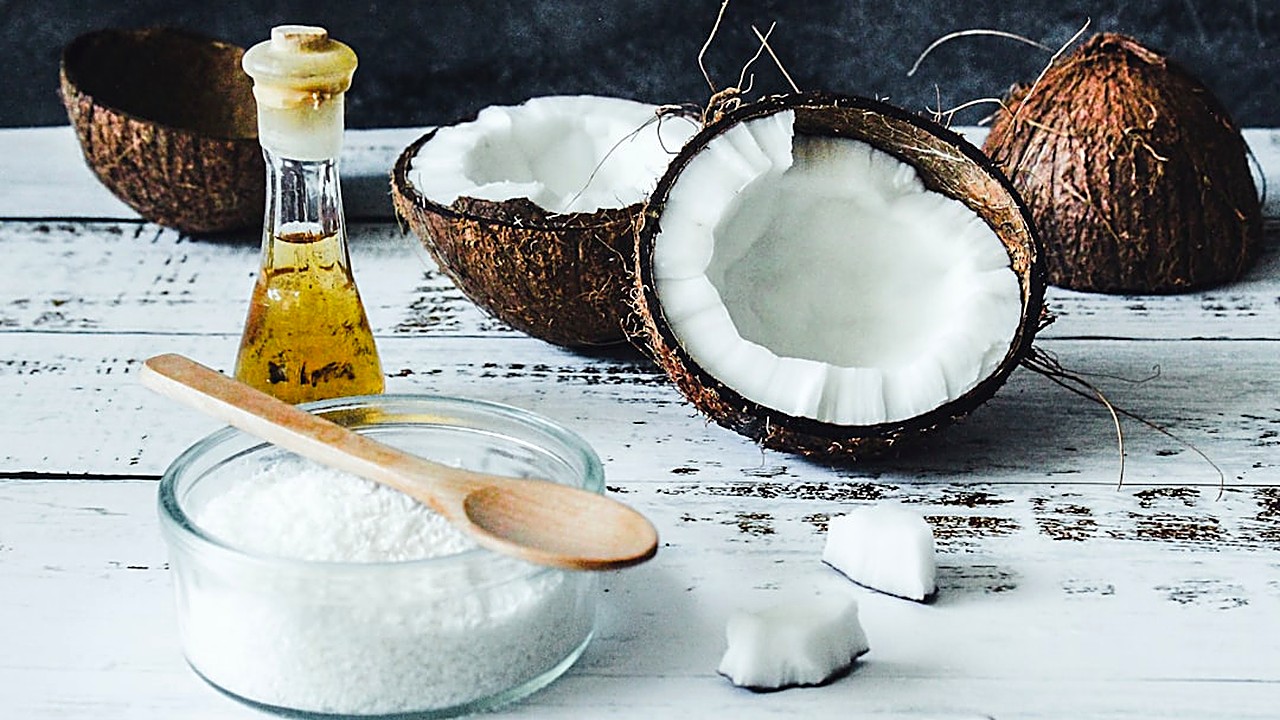
Quick answer: Oil pulling may help reduce bacteria and freshen breath, but it does not reach the tight spaces between teeth where floss works best. For most people, oil pulling can be a useful addition to oral care, but it should not replace floss unless a dentist says otherwise.↗ Share on X
What Is Oil Pulling and How It Is Done?
 Nighttime Racing Mind: Why It Happens and How to Slow It Down →
 How to Use Baking Soda Safely to Reduce Gum Bleeding →
 Can Green Tea Mouthwash Help Early Gum Disease →
Oil pulling is an ancient practice that uses a tablespoon of edible oil – often coconut, sesame, or sunflower – as a mouth‑wash. The user swishes the oil around the mouth for about 15 to 20 minutes, then spits it out and rinses. The idea is that the oil pulls out microbes, food particles, and toxins that cling to the teeth and gums.
The routine is simple:
1. Choose a mild‑tasting oil.
2. Put one tablespoon in the mouth.
3. Swish gently, moving the oil between teeth and along the gum line.
4. Do not swallow; spit into a trash can to avoid pipe blockage.
5. Rinse with water and brush as usual.
Supporters say the oil’s viscosity helps trap bacteria that would otherwise stay on the surfaces. Some people report fresher breath and a smoother feeling on the gums after a few days. The practice does not require any special equipment, and it can be done at home before or after a regular tooth‑brushing routine.
I tried oil pulling for two weeks during a summer vacation. The taste was odd at first, but after a few days the mouth felt less sticky, and I noticed fewer morning plaque spots. The experience was pleasant enough that I kept it as a weekly habit, not a daily replacement for floss.
Simple health wins in your inbox. No hype.
How Floss Works and Why It Matters for Gums
Affiliate link. We may earn a commission on purchases, at no extra cost to you.
This content is informational and is not a substitute for medical advice. Supplements do not cure or treat diseases.
Dental floss is a thin filament, usually nylon or PTFE, designed to slide between teeth. When pulled through the tight gaps, floss physically removes plaque – a sticky film of bacteria that forms after eating. If plaque is left untouched, it can harden into tartar, irritate the gum line, and eventually cause gum disease.
Floss reaches areas that a toothbrush cannot, especially the back side of the teeth and the space just below the gum margin. By disrupting the biofilm, floss helps the immune system keep the gums healthy and reduces the chance of bleeding or swelling.
Research consistently shows that regular flossing lowers the risk of gingivitis and can slow the progression of periodontitis. The act of pulling the filament also stimulates the gum tissue, promoting better blood flow.
Many dental professionals recommend flossing at least once a day, preferably before bedtime. The technique matters: a gentle, C‑shaped motion around each tooth avoids snapping the floss, which can damage delicate gum tissue.
What Research Says About Each Method
 Saltwater Rinse: Simple Way to Help Gums and Reduce Bleeding →
 Natural Ways to Calm Swollen Gums Pain Fast at Home →
 Daily habits that quietly harm your gums and how to fix them →
Scientific studies on oil pulling are limited, but a few small trials have reported modest reductions in oral bacteria and improvements in breath odor. The changes are usually measured after a short period of daily practice. No large‑scale trial has proven that oil pulling alone can prevent gum disease.
In contrast, flossing has been examined in many long‑term studies. The evidence links daily floss use with lower levels of plaque, reduced bleeding on probing, and slower loss of bone around the teeth. These outcomes are directly tied to gum health.
Both methods are generally safe when performed correctly. Oil pulling can cause mild nausea if the oil is swallowed, and some people experience a temporary increase in mouth dryness. Flossing, if done too aggressively, may cause gum recession or small cuts.
Overall, the data suggest that oil pulling may be a helpful adjunct, while flossing remains the most reliable tool for cleaning between teeth.
Can Oil Pulling Replace Floss? Practical Comparison
When you compare the two, several practical differences emerge. Oil pulling works on the surface of the mouth and can reach the front of the teeth, but it does not penetrate the narrow gaps where plaque hides. Floss, on the other hand, is designed exactly for those gaps.
If your main goal is to lower overall bacterial load and freshen breath, oil pulling can contribute. If you need to control gum inflammation, prevent bleeding, or keep the spaces between teeth clean, floss is still needed.
Some people find flossing uncomfortable and look for alternatives. In those cases, a water flosser or interdental brushes may be a better substitute than oil pulling. The choice depends on personal comfort, dexterity, and the advice of a dental professional.
In short, oil pulling may complement a routine that includes floss, but it is unlikely to replace floss for most adults who want to protect their gums.
How to Use Both Safely and Personal Tips
If you decide to add oil pulling to your oral‑care plan, follow these steps:
1. Keep flossing as the primary method for cleaning between teeth.
2. Perform oil pulling on an empty stomach, preferably in the morning.
3. Use a mild oil and avoid swallowing the mixture.
4. Rinse thoroughly with water and brush afterward.
I have kept floss as my daily habit and use oil pulling twice a week. The combination gives me a clean feeling that lasts longer, and I notice less morning plaque on the front teeth.
For those who struggle with floss, start with a floss holder or a soft‑threaded floss. Gradually increase the frequency as the gums become accustomed to the motion.
Remember that any new habit should be introduced slowly. If you experience persistent soreness, increased bleeding, or any unusual symptoms, stop the practice and talk to a dental professional.
*This article is for general information only and is not medical or dental advice. Talk to a healthcare or dental professional about your situation.*
Frequently asked questions
Can oil pulling alone keep my gums healthy?
Oil pulling may lower some bacteria, but it does not clean the tight spaces between teeth where plaque builds. Most experts suggest using it together with floss, not as a single method.
How often should I do oil pulling if I also floss?
Many people try oil pulling a few times a week, usually in the morning before brushing. The exact frequency can depend on personal comfort and any advice from a dentist.
Is a water flosser a better alternative than oil pulling?
A water flosser can reach between teeth and below the gum line, similar to floss. It may be more effective than oil pulling for removing plaque, especially for people with limited dexterity.
What type of oil is safest for pulling?
Common choices are coconut, sesame, or sunflower oil. Choose an oil that is edible, mild‑tasting, and free from added flavors or chemicals.
Will oil pulling cause any side effects?
Most users report mild nausea or temporary mouth dryness. Swallowing the oil should be avoided, and anyone who feels persistent discomfort should stop and seek professional advice.
*This article is for general information only and is not medical or dental advice. Talk to a healthcare or dental professional about your situation.*
Simple health wins in your inbox. No hype.
Educational content, not medical advice. Talk to your doctor before making health decisions.