How to Use a Soft Water Flosser for Sensitive Gums
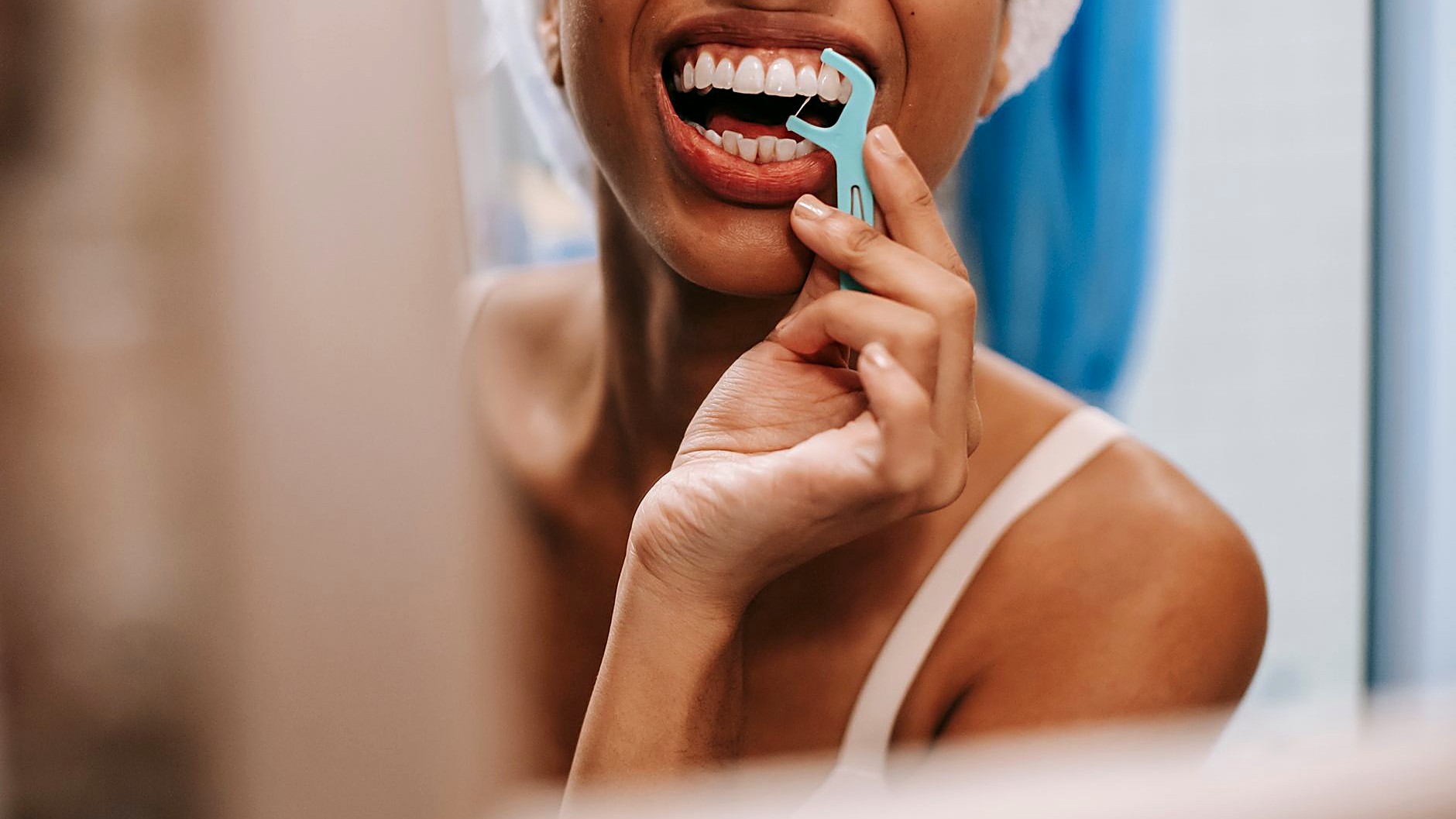
Quick answer: A soft water flosser can clean sensitive gums by using low pressure, warm water, and a gentle tip. Start with the lowest setting, aim the stream at the gum line, and move slowly along each tooth. Adjust pressure as needed for comfort.↗ Share on X
Why Choose a Soft Water Flosser?
 How to Use Aloe Vera Gel to Calm Swollen Gums at Home →
 Easy Salt Water Rinse to Calm Swollen Gums Fast →
 Mouth breathing harms gums: signs and fixes to try now →
Sensitive gums often bleed or feel sore after a regular brush or string floss. The thin filament can pull at fragile tissue, causing pain. A water flosser replaces the string with a thin stream of water. This stream can reach under the gum line without scraping. Many users report less irritation after switching to a water device. I have tried both traditional floss and a soft water flosser for my own gum tenderness. The water method felt noticeably calmer on the gums.
Research shows that water flossers can reduce plaque by up to 30 % when used correctly. The key is to keep the pressure low enough that the water feels like a gentle massage, not a jet. For people who have gum recession, a soft water flosser can help clean the exposed roots without causing further damage. The device also reaches areas that a toothbrush may miss, such as the back of the molars.
Simple health wins in your inbox. No hype.
Picking the Right Device
Affiliate link. We may earn a commission on purchases, at no extra cost to you.
This content is informational and is not a substitute for medical advice. Supplements do not cure or treat diseases.
Not all water flossers are built the same. Look for a model that advertises a "soft" or "gentle" setting. Some units have multiple pressure levels; the lowest one is usually suitable for sensitive gums. A detachable tip that is small and rounded is also helpful. The tip should be about the size of a pencil eraser, not a large nozzle that sprays a wide fan of water.
Battery life matters if you travel. A rechargeable unit can last several weeks on a single charge. If you share the device with a partner, choose a model with interchangeable tips to keep hygiene separate. A clear water reservoir lets you see how much water remains, which prevents sudden drops in pressure.
Read user reviews that mention gum comfort. Many reviewers note that the "soft" mode feels like a warm rinse rather than a blast. A device with a water temperature control can add extra soothing warmth, but even room‑temperature water works well if the pressure is low.
Preparing for First Use
 Stop Gum Bleeding from Mouthwash with These Steps →
 When Should You See a Dentist for Bleeding Gums? →
 Simple Lifestyle Changes to Help Stop Gum Bleeding Naturally →
Before you turn the machine on, fill the reservoir with lukewarm water. Warm water can calm inflamed tissue, but do not use water that is hot enough to burn. Some people add a tiny splash of mouth‑wash for flavor, but keep the mixture mild to avoid irritation.
Plug the unit in and select the lowest pressure setting. Most devices have a button or dial labeled "1" or "low." Turn the unit on and let a few seconds pass while the pump builds pressure. Hold the tip close to the gum line—about a millimeter away—so the stream contacts the tissue without splashing.
If you feel a tingling or mild sting, lower the pressure again. It is normal for the water to feel slightly pulsing. The goal is a gentle flow that lifts food particles, not a forceful spray that pushes them deeper.
Step‑by‑Step Technique
1. Position the tip – Aim the tip at a 45‑degree angle toward the space between the tooth and gum. This angle helps the water slide into the pocket.
2. Start at the back – Begin with the farthest molar on one side. Turn the unit on and let the stream run for a few seconds.
3. Move slowly – Glide the tip along the gum line, pausing briefly at each tooth. Spend about two seconds per tooth.
4. Cover both sides – After the outer surface, flip the tip to clean the inner side of the teeth. The same low‑pressure setting works for both surfaces.
5. Finish with a rinse – When you have traced all teeth, turn off the device and spit out any remaining water. A quick mouth‑wash can follow if you like.
During the process, keep the tip moving. Holding it in one spot can increase pressure on a tiny area, which may cause discomfort. If you notice bleeding, stop and check the pressure. You may need to lower it further or shorten the time you spend on that spot.
I have used this routine twice daily for several months. My gums have become less prone to bleeding, and the routine only takes a few minutes each day.
Tips for Comfort and Maintenance
- Adjust pressure gradually – If the lowest setting feels too weak, increase by one notch and test again. Do not jump to a high setting.
- Use a soft tip – Replace the tip every three months or sooner if it shows wear. A fresh tip maintains a smooth surface.
- Keep the reservoir clean – Empty and rinse it after each use. A small amount of vinegar once a week can prevent mineral buildup.
- Store upright – This helps the water drain from the tip and reduces bacterial growth.
- Combine with gentle brushing – A soft‑bristled toothbrush works well with water flossing. Brush twice a day and floss once a day for balanced care.
If you experience persistent pain, it may be a sign of an underlying condition. In that case, pause the water flosser and seek professional advice. Remember that each mouth is unique; what works for one person may need tweaking for another.
This article is for general information only and is not medical or dental advice. Talk to a healthcare or dental professional about your situation.
Frequently asked questions
Can a soft water flosser replace regular floss?
It can clean many areas that string floss reaches, but some dentists suggest using both methods for the best plaque control.
How often should I change the tip on a water flosser?
Most manufacturers recommend replacing the tip every three months, or sooner if it looks worn.
Is warm water better than cold water for sensitive gums?
Warm water may feel more soothing, but the most important factor is low pressure. Temperature can be chosen based on personal comfort.
Will a water flosser cause bleeding if I have gum disease?
If the pressure is set too high, it might irritate inflamed gums. Start low and increase only if your gums tolerate it.
Do I need to use mouth‑wash in the reservoir?
Mouth‑wash can add flavor, but a mild solution is safest. Plain lukewarm water works well for most people.
*This article is for general information only and is not medical or dental advice. Talk to a healthcare or dental professional about your situation.*
Simple health wins in your inbox. No hype.
Educational content, not medical advice. Talk to your doctor before making health decisions.