How to Spot Early Signs of Gum Disease at Home
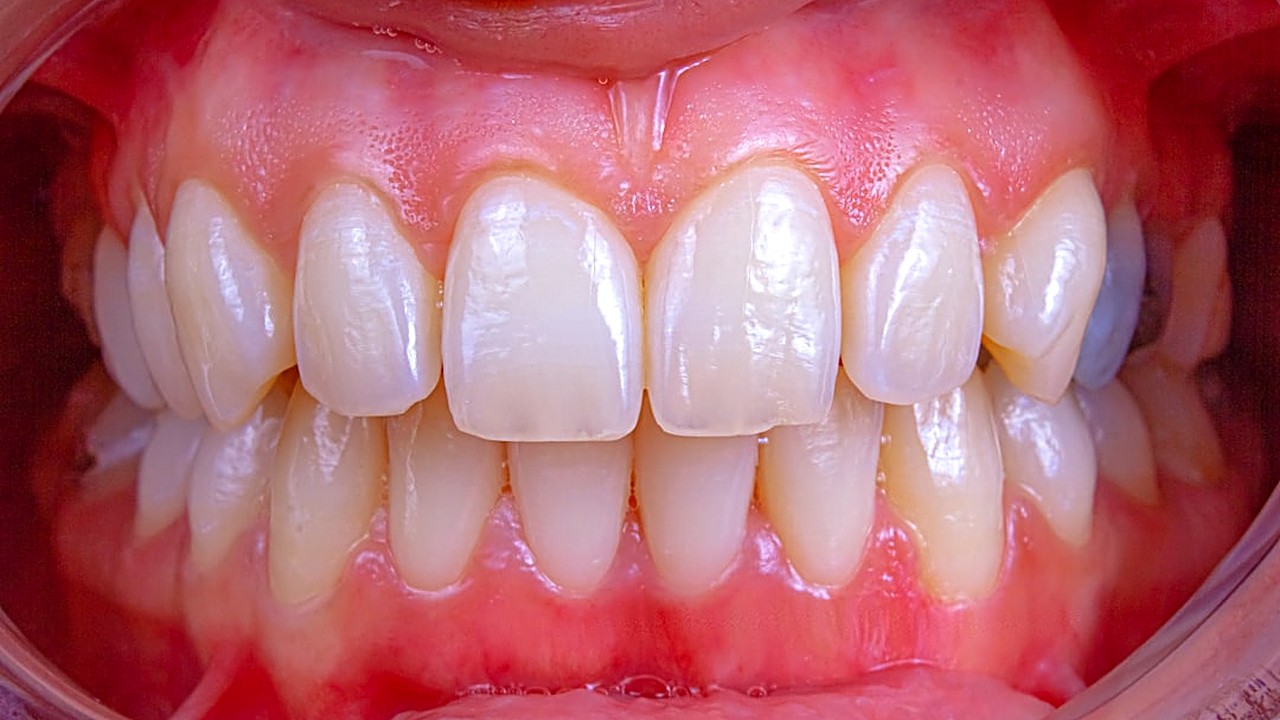
Quick answer: Look for bleeding, swelling, persistent bad breath, gum recession, and changes in texture or color of your gums. If any of these appear and stay for more than a week, schedule a dental check‑up.↗ Share on X
What Gum Disease Looks Like
 Can Green Tea Mouthwash Help Early Gum Disease →
 Saltwater Rinse: Simple Way to Help Gums and Reduce Bleeding →
 Natural Ways to Calm Swollen Gums Pain Fast at Home →
Gum disease, also called periodontal disease, starts with tiny changes that most people miss at first. The first stage is called gingivitis. It does not hurt, but it can change how your gums feel and look. Research shows that about one in three adults over 45 will notice some gum bleeding during brushing at some point. That number rises when smoking or diabetes is present.
You do not need special tools to see these changes. A mirror, a flashlight, and a few minutes each day are enough. The goal is to notice a pattern, not a single odd day. When you see the same sign repeatedly, it may be time to act.
Simple health wins in your inbox. No hype.
Spotting Bleeding and Swelling
Affiliate link. We may earn a commission on purchases, at no extra cost to you.
This content is informational and is not a substitute for medical advice. Supplements do not cure or treat diseases.
Bleeding is the most common early clue. If you brush or floss and see bright red drops on your toothbrush or floss, write it down. A single drop once a month is often harmless, but daily bleeding signals irritation of the gum tissue.
Swelling is another red flag. Healthy gums fit snugly around each tooth and feel firm, like the skin on your palm. Inflamed gums feel softer, puffier, and may look darker pink or even purple. I once noticed my gums looked puffy after a week of extra coffee, and the next day they bled easily. A quick rinse with warm salt water reduced the swelling, but the bleeding continued, prompting a dentist visit.
If you experience both bleeding and swelling together, the chance of early gum disease increases significantly. Keep a simple log: date, activity (brush, floss, eat), and what you saw. Patterns become clear faster than you think.
Notice Changes in Breath and Taste
 Can Oil Pulling Replace Floss for Daily Gum Care? →
 Why Gums Bleed When You Brush Too Hard and How to Stop It →
 Natural Ways to Fix Gums Pulling Away from Teeth Safely →
Bad breath, or halitosis, is more than an embarrassment. It can be a sign that bacteria are thriving under the gum line. When plaque builds up, it releases sulfur compounds that smell foul. If you notice a persistent sour or metallic taste, even after brushing, consider it a warning sign.
A quick test: lick the roof of your mouth, wait a few seconds, then smell the saliva. If the odor is strong, it may be coming from gum pockets. Many people think bad breath is only a hygiene issue, but research links it to early gum inflammation in more than half of cases.
Feel the Texture of Your Gums
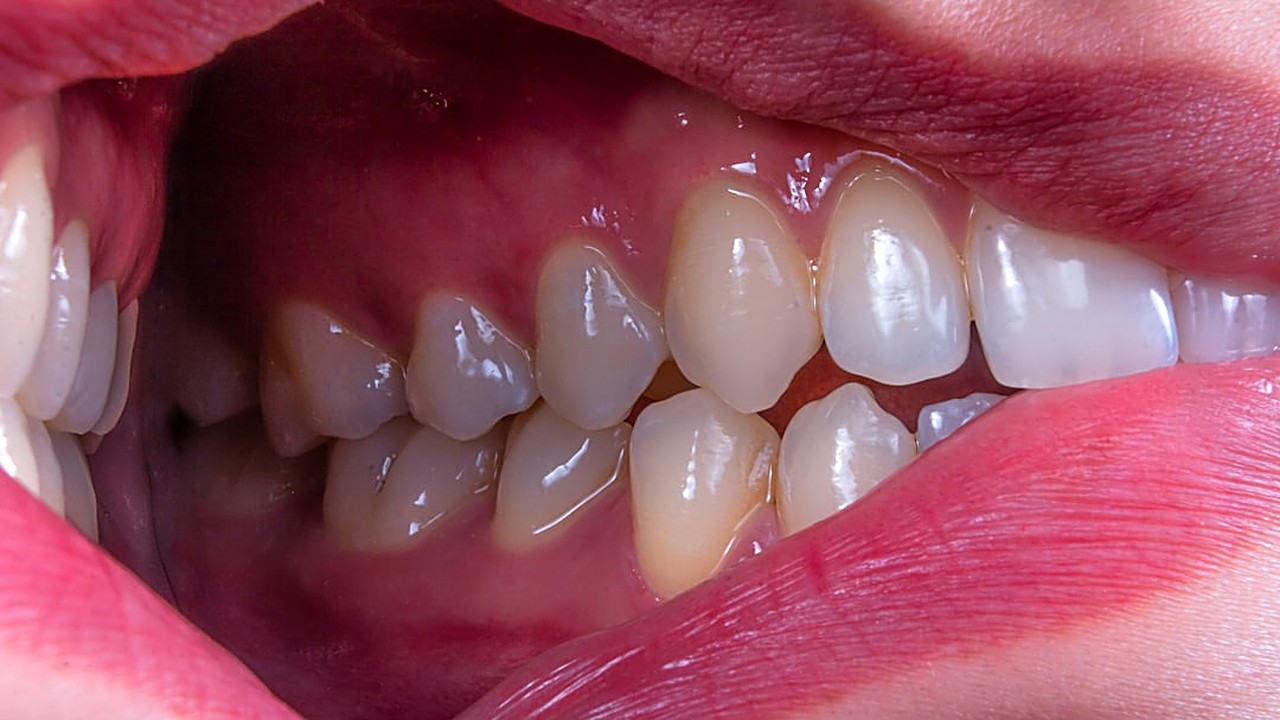
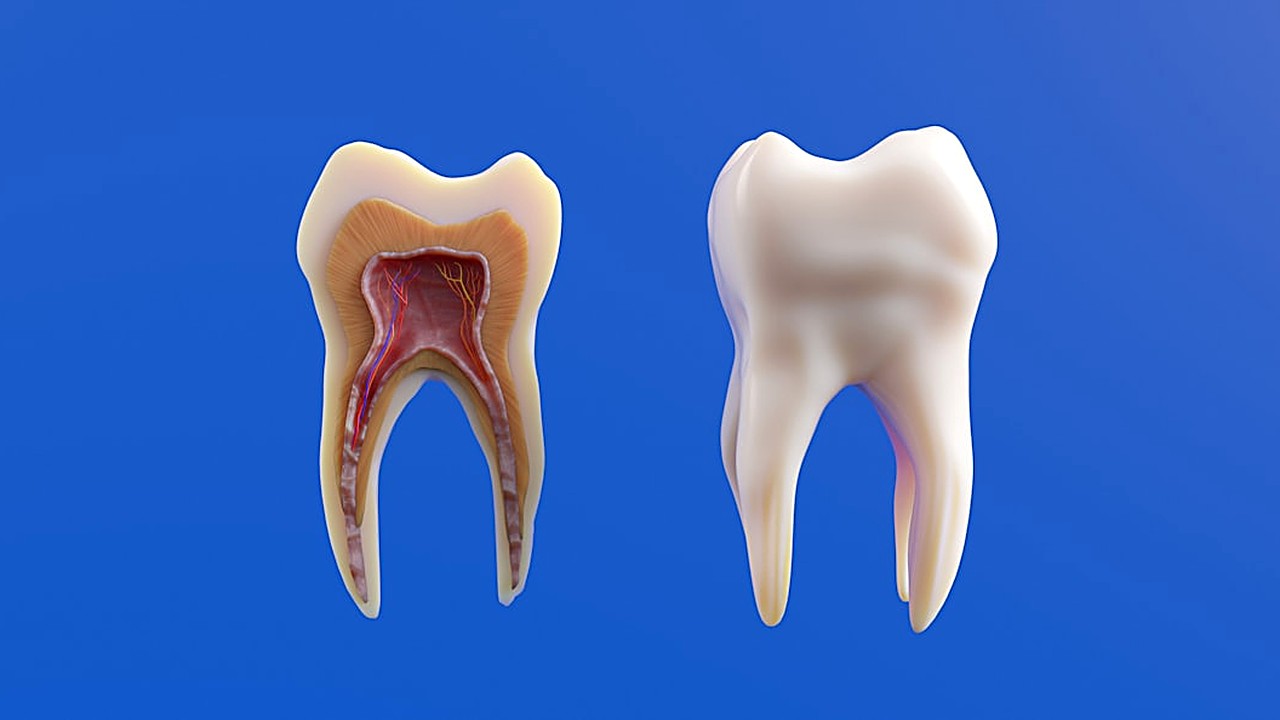
Touch can reveal problems that eyes miss. Gently run a clean finger along the gum line. Healthy gums feel smooth and even. Early disease may cause tiny bumps, called papillae, that feel rough or grainy. You might also feel a slight recession, where the gum pulls away from the tooth, exposing more of the tooth’s neck.
A practical tip: use a soft‑bristled toothbrush to gently sweep the gum line while you brush. If you feel a tug or notice that the toothbrush catches on a spot, write it down. Over time, repeated catching often means the gum has started to pull away.
When to Seek Professional Help
Home checks are useful, but they do not replace a dental exam. If you have any of the following for more than two weeks, schedule a visit:
- Daily bleeding after brushing or flossing
- Persistent swelling or color change
- Bad breath that does not improve with regular cleaning
- Noticeable gum recession or pockets you can feel
Dentists can measure pocket depth with a tiny probe, take X‑rays, and recommend a cleaning plan. Early treatment often involves a deeper cleaning called scaling and root planing, plus advice on brushing technique.
Remember, each person’s mouth is unique. Some may have mild inflammation that resolves with better brushing, while others need professional care right away. Keep an eye on the signs, record what you see, and act when the pattern stays.
This article is for general information only and is not medical or dental advice. Talk to a healthcare or dental professional about your situation.
Frequently asked questions
Can I rely only on home checks for gum disease?
Home checks help you notice early changes, but they cannot replace a professional exam. If signs persist, see a dentist.
Is occasional bleeding normal?
A single bleed once in a while may happen, especially after aggressive flossing. Daily bleeding suggests irritation that needs attention.
What foods can worsen gum inflammation?
Sugary snacks, sticky foods, and very acidic drinks can feed plaque and increase inflammation. Reducing these may help the gums.
Does smoking affect early gum disease signs?
Smoking can mask bleeding and delay healing, making early signs harder to spot. Smokers should be extra vigilant with visual checks.
How often should I perform a gum self‑check?
A quick check once a day, preferably after brushing, is enough to catch early changes without causing stress.
*This article is for general information only and is not medical or dental advice. Talk to a healthcare or dental professional about your situation.*
Simple health wins in your inbox. No hype.
Educational content, not medical advice. Talk to your doctor before making health decisions.