Why Gums Recede and How to Slow It Down Naturally
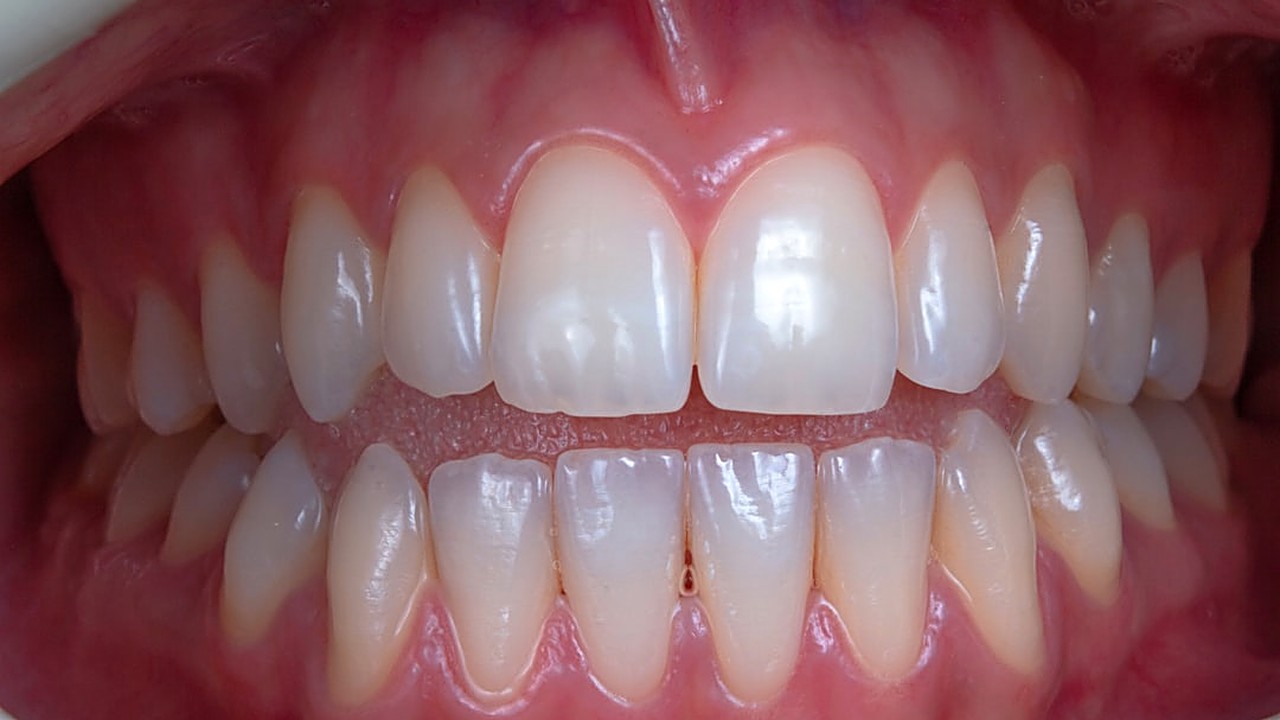
Quick answer: Gums recede when the tissue that covers the teeth pulls back, often because of plaque, aggressive brushing, or gum disease. To slow it, keep plaque low, brush gently, use a soft brush, stay hydrated, eat balanced foods, and consider natural anti‑inflammatory habits.↗ Share on X
What Causes Gums to Pull Back?
 Nighttime Racing Mind: Why It Happens and How to Slow It Down →
 How to Use Baking Soda Safely to Reduce Gum Bleeding →
 Natural Ways to Calm Gum Swelling at Home Safely →
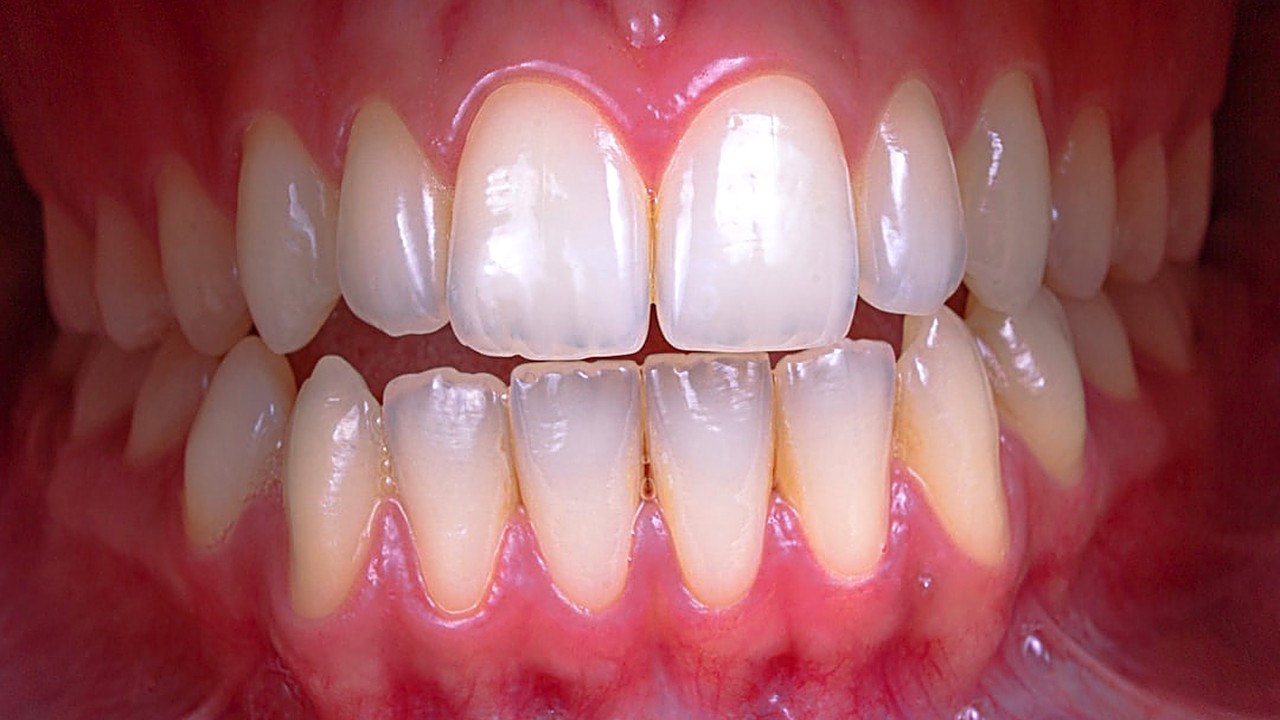
Gum recession starts when the protective tissue that surrounds each tooth begins to shrink. The most common trigger is plaque, a sticky film of bacteria that forms after meals. When plaque is not removed, it turns into tartar, which irritates the gum line and can lead to inflammation. Over time, the inflamed tissue may pull away from the tooth surface.
Another frequent cause is aggressive brushing. Using a hard‑bristled toothbrush or scrubbing with a lot of force can wear away gum tissue, especially near the front teeth. Even floss that snaps harshly can contribute to the problem.
Genetics also play a role. Some people have thinner gum tissue by nature, making them more vulnerable to recession. Hormonal changes, such as those that happen during menopause, can thin the gums and make them more sensitive to irritation.
Lifestyle factors matter too. Smoking restricts blood flow to the gums, slowing healing and encouraging tissue loss. A diet low in vitamins, especially vitamin C, can weaken the collagen that holds gums in place.
Understanding these triggers helps you see where you can make changes. Small adjustments in daily habits often have a big impact on gum health.
Simple health wins in your inbox. No hype.
How Everyday Habits Influence Gum Health
Affiliate link. We may earn a commission on purchases, at no extra cost to you.
This content is informational and is not a substitute for medical advice. Supplements do not cure or treat diseases.
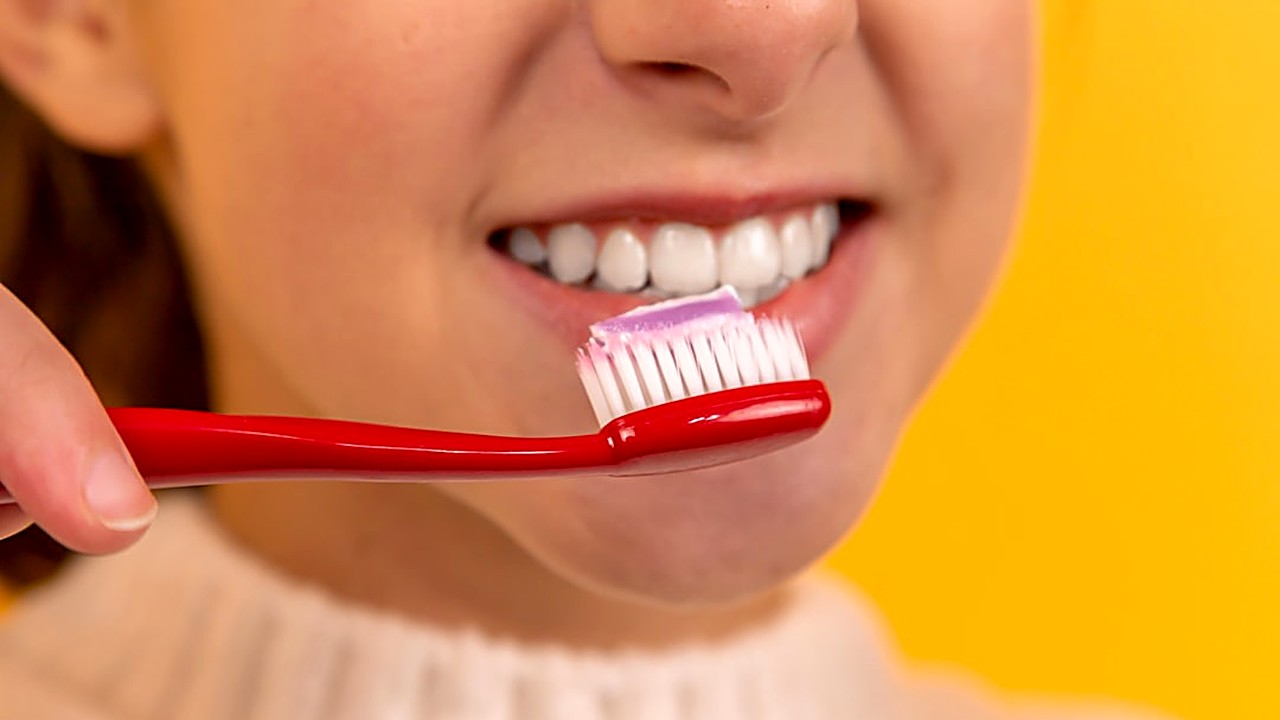
The way you brush, what you eat, and how you stay hydrated all affect gum tissue. Brushing twice a day is a good start, but the technique matters. A gentle circular motion with a soft brush protects the gum line better than a back‑and‑forth scrubbing motion. I once noticed my own gums receding after a period of using a hard brush; switching to a soft brush and a milder technique stopped the trend within weeks.
Flossing removes food particles that toothbrushes miss. When done carefully, it can reduce plaque buildup along the gum line. If floss feels too harsh, try a floss pick or a water flosser that uses a gentle stream of water to clean between teeth.
What you drink also matters. Sugary drinks feed plaque bacteria, while water helps wash away food debris. Drinking enough water keeps the mouth moist, which supports the protective saliva layer.
Food choices influence gum health, too. Crunchy vegetables like carrots and celery stimulate the gums and increase saliva flow. Foods rich in omega‑3 fatty acids, such as salmon or walnuts, have natural anti‑inflammatory properties that may help keep gum tissue calm.
Stress can indirectly affect gums. When stress leads to teeth grinding, the pressure can wear down gum tissue. Practicing relaxation techniques or using a night guard can reduce this risk.
Natural Ways to Protect Your Gums
 How to Use Baking Soda Safely for Gingivitis at Home →
 Gums Hurt After Flossing? Try These Safe Steps Now →
 Can Green Tea Mouthwash Help Early Gum Disease →
Several natural habits can support gum health without a prescription. Green tea contains catechins, compounds that may reduce bacterial growth and inflammation. Drinking a cup or two each day can be a simple addition to your routine.
Oil pulling, an ancient practice that involves swishing a tablespoon of coconut or sesame oil in the mouth for a few minutes, may help lower plaque levels. While research is still evolving, many people report fresher breath and less gum irritation after regular use.
Herbs such as aloe vera gel can be applied directly to the gum line. Aloe has soothing properties that may calm inflamed tissue. A thin layer applied after brushing can feel cooling and supportive.
Spices like turmeric contain curcumin, a natural anti‑inflammatory agent. Adding a pinch of turmeric to a smoothie or using turmeric toothpaste can provide gentle protection.
I have tried a daily rinse of warm salt water for years. The simple mixture of half a teaspoon of salt in a cup of warm water can reduce swelling and keep the mouth clean. It is cheap, easy, and safe for most people.
Simple Home Care Steps
1. Choose the right brush – Pick a soft‑bristled toothbrush with a small head. Replace it every three months or sooner if the bristles look frayed.
2. Mind your technique – Hold the brush at a 45‑degree angle to the gum line. Use short, gentle strokes and let the bristles do the work.
3. Floss with care – Slide floss between teeth, forming a C‑shape around each tooth. Move it up and down without snapping.
4. Rinse daily – Use a salt‑water rinse or a mild mouthwash that does not contain alcohol. This helps keep the mouth clean without drying out the gums.
5. Stay hydrated – Aim for at least eight glasses of water a day. Hydration supports saliva production, which naturally fights bacteria.
6. Eat gum‑friendly foods – Include fresh fruits, vegetables, nuts, and fish in your meals. These foods provide vitamins and minerals that strengthen gum tissue.
7. Avoid tobacco – If you smoke, consider quitting. The benefits for gum health appear quickly, with reduced irritation and better blood flow.
By following these steps, you create a daily routine that protects the gum line and may slow recession. Consistency is more important than perfection; small, steady actions add up over time.
When to Seek Professional Help
If you notice persistent bleeding, persistent pain, or a noticeable change in gum position, it may be time to see a dentist or periodontist. Professional cleaning can remove tartar that home care cannot. In some cases, a dentist may recommend a gum graft or other treatment to restore lost tissue.
Remember that each mouth is unique. What works for one person may need adjustment for another. If you have a medical condition such as diabetes, talk with your health team about how it could affect gum health.
Bottom line: Maintaining gum health is a blend of gentle daily care, smart food choices, and awareness of risk factors. Natural habits can support the tissue, but professional evaluation remains essential when problems persist.
This article is for general information only and is not medical or dental advice. Talk to a healthcare or dental professional about your situation.
Frequently asked questions
Can brushing too hard cause gum recession?
Yes, brushing with too much force or a hard brush can wear away gum tissue over time.
Is flossing necessary if I brush well?
Flossing removes plaque between teeth where a brush cannot reach, helping to keep gums healthy.
Do natural remedies replace professional treatment?
Natural habits can support gum health, but they do not replace a dentist’s evaluation when serious problems appear.
How often should I replace my toothbrush?
A soft‑bristled toothbrush should be changed every three months or sooner if the bristles become frayed.
Can diet affect gum recession?
A diet rich in vitamins, omega‑3 fats, and crunchy vegetables can help strengthen gum tissue and reduce inflammation.
*This article is for general information only and is not medical or dental advice. Talk to a healthcare or dental professional about your situation.*
Simple health wins in your inbox. No hype.
Educational content, not medical advice. Talk to your doctor before making health decisions.