How to Stop Bleeding Gums Quickly with Simple Home Remedies

Quick answer: Bleeding gums often stop within a few days if you improve brushing technique, use a soft toothbrush, rinse with warm salt water, and keep a balanced diet. If bleeding continues for more than a week, see a dentist and consider checking for vitamin deficiencies.↗ Share on X
What Causes Bleeding Gums?
 Nighttime Racing Mind: Why It Happens and How to Slow It Down →
 How to Use Baking Soda Safely to Reduce Gum Bleeding →
 Can Oil Pulling Replace Floss for Daily Gum Care? →
Bleeding gums are a common sign that the tissue around the teeth is irritated. The most frequent cause is plaque buildup. When plaque is not removed, it turns into a sticky film called tartar. Tartar pulls at the gum line and can cause tiny blood vessels to break. Other triggers include aggressive brushing, flossing too hard, hormonal changes, and certain medications that thin the blood.
Research shows that people who smoke or have diabetes are more likely to experience gum bleeding. Even a short period of stress can make the gums more sensitive. A lack of vitamin C or K can also weaken the gum tissue, making it bleed more easily. In my own experience, I noticed a sudden increase in bleeding after a week of poor sleep and a diet low in fresh fruit. When I added an orange each morning, the bleeding reduced noticeably.
Understanding the root cause helps you choose the right home remedy. If the bleeding is mild and occurs only after brushing, it often points to technique rather than disease. However, persistent bleeding that lasts several weeks may indicate gum disease, which needs professional care.
Simple health wins in your inbox. No hype.
Simple Home Steps to Reduce Bleeding
Affiliate link. We may earn a commission on purchases, at no extra cost to you.
This content is informational and is not a substitute for medical advice. Supplements do not cure or treat diseases.
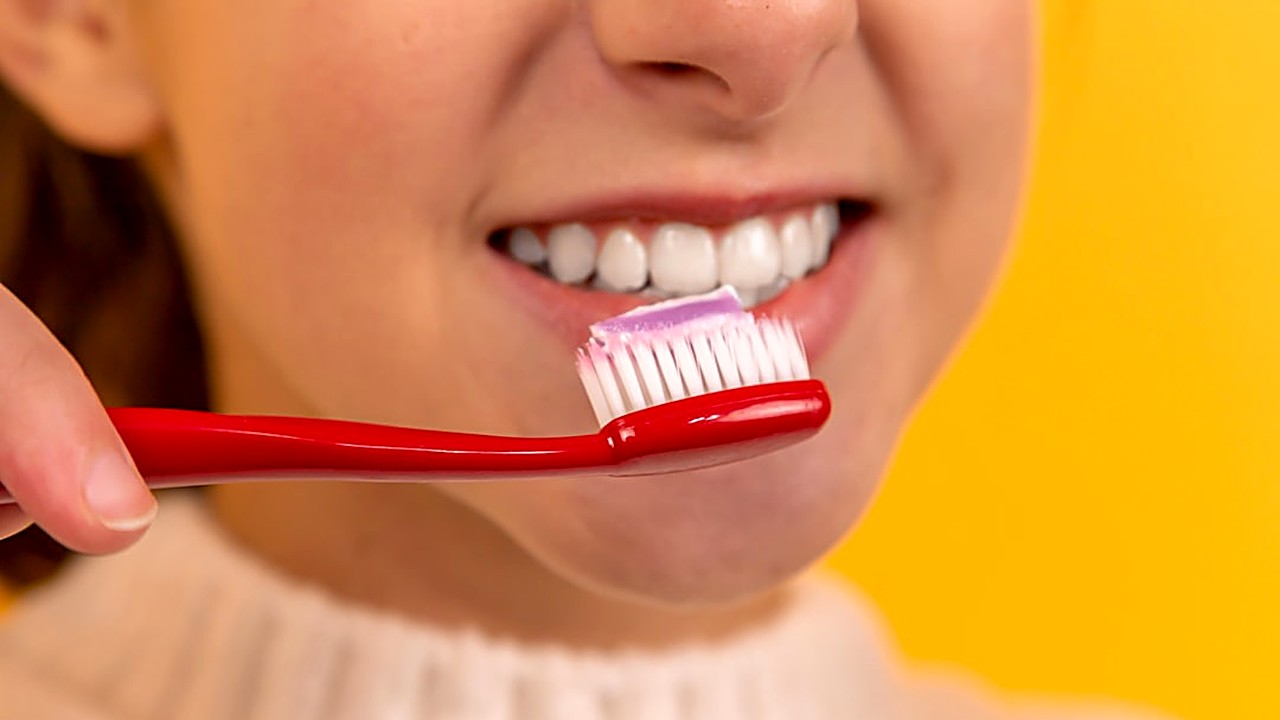
1. Switch to a Soft‑Bristled Toothbrush – Hard bristles can scrape the gum line. A soft brush cleans gently while still removing plaque. Replace the brush every three months.
2. Use the Right Brushing Technique – Hold the brush at a 45‑degree angle to the gums. Move in short, circular motions. Avoid scrubbing back‑and‑forth aggressively.
3. Warm Salt Water Rinse – Dissolve half a teaspoon of salt in a cup of warm water. Swish for 30 seconds, then spit. Salt helps reduce inflammation and draws out excess fluid. Do this two to three times a day, especially after meals.
4. Add a Baking Soda Rinse – Mix a half‑teaspoon of baking soda with water. This mild alkaline solution can neutralize acids that irritate gums.
5. Stay Hydrated – Drinking water throughout the day washes away food particles and keeps saliva flowing. Saliva contains natural enzymes that protect the gums.
6. Eat Gum‑Friendly Foods – Crunchy vegetables like carrots and celery stimulate the gums and increase blood flow. Foods rich in vitamin C (citrus fruits, strawberries) and vitamin K (leafy greens) support tissue repair.
7. Limit Sugary Snacks – Sugar feeds the bacteria that create plaque. Reducing sweets lowers the chance of gum irritation.
8. Try a Herbal Mouthwash – Chamomile or green tea brewed and cooled can be used as a gentle rinse. Both have anti‑inflammatory properties.
I tried the salt water rinse after a particularly sore morning. Within two days, the bleeding stopped and my gums felt calmer. The key is consistency; a single rinse will not fix the problem if plaque continues to build.
When to Seek Professional Help
 Daily habits that quietly harm your gums and how to fix them →
 Myths and Facts About Home Remedies for Receding Gums →
 How to Stop Early Gingivitis at Home: Simple Steps for Healthier Gums →
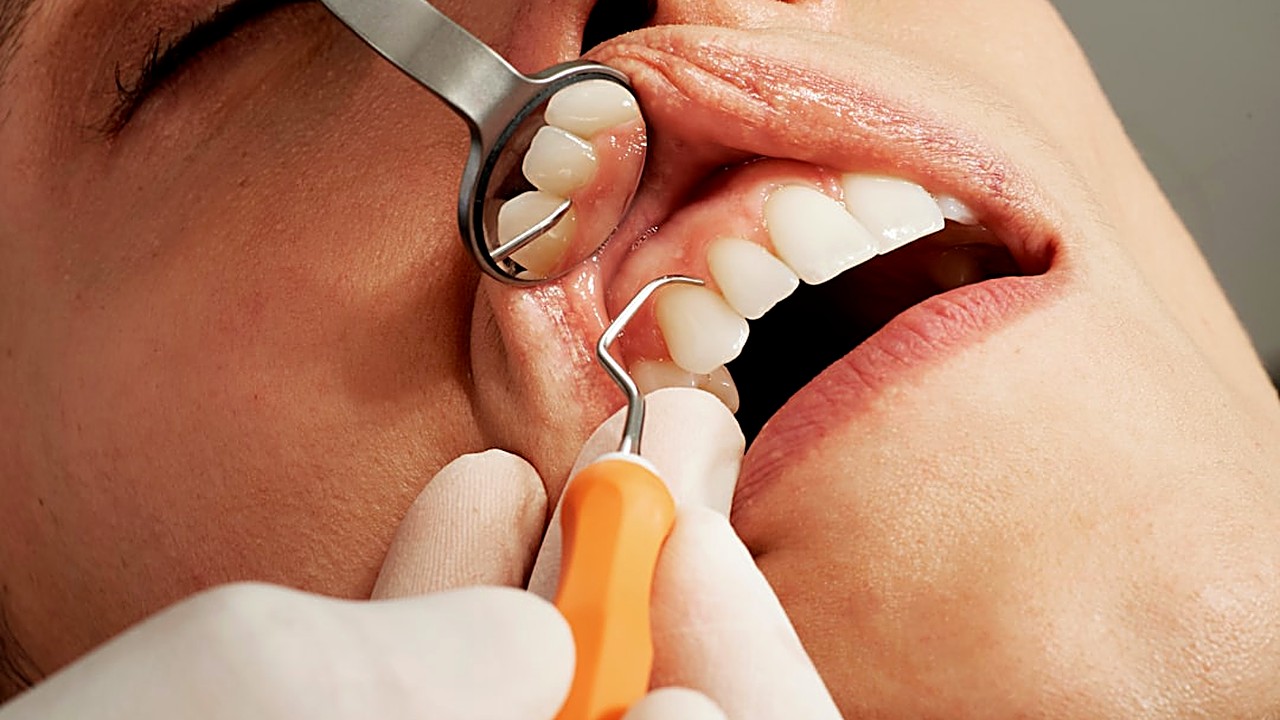
Home care works for most mild cases, but certain signs mean you should see a dentist. Look for:
- Bleeding that lasts more than a week despite proper brushing.
- Persistent bad breath that does not improve with oral hygiene.
- Swelling, pus, or a deep pocket between tooth and gum.
- Pain that interferes with eating or speaking.
- Loose teeth or noticeable gum recession.
A dental professional can assess whether you have gingivitis, periodontitis, or another condition that needs targeted treatment. They may recommend a deep cleaning, antibiotics, or a specific oral care routine.
Maintaining Healthy Gums Long Term
Preventing future bleeding is easier than treating it after the fact. Here are habits that keep gums strong:
- Brush twice daily – Morning and night are the best times. Use a pea‑size amount of fluoride toothpaste.
- Floss daily – Slide the floss gently along each tooth, curving it around the side of the tooth to clean under the gum line.
- Schedule regular dental visits – Even if you feel fine, a check‑up every six months catches problems early.
- Manage stress – Techniques like deep breathing, short walks, or yoga can lower cortisol, which affects gum health.
- Quit smoking – Tobacco reduces blood flow to the gums and impairs healing.
- Balance your diet – Aim for a colorful plate. Include fruits, vegetables, whole grains, and lean proteins.
By turning these actions into a routine, you give your gums the support they need to stay healthy. Remember, small changes add up. A gentle brush, a quick rinse, and a handful of fresh fruit can make a big difference.
Disclaimer: This article is for general information only and is not medical or dental advice. Talk to a healthcare or dental professional about your situation.
Frequently asked questions
How long does it usually take for bleeding gums to stop after using a salt water rinse?
Many people see a reduction in bleeding within two to three days if they rinse twice daily and follow gentle brushing habits. Results can vary depending on the cause of the bleeding.
Can vitamin C supplements help stop gum bleeding?
Vitamin C supports gum tissue repair, so a supplement may help if a deficiency is present. It should be used together with good oral hygiene, not as a sole treatment.
Is it safe to use a hard‑bristled toothbrush to clean plaque?
A hard brush can damage the gum line and may increase bleeding. Soft or extra‑soft bristles are recommended for most adults, especially those over 45.
What signs indicate that I need to see a dentist rather than treat at home?
If bleeding lasts more than a week, is accompanied by pain, swelling, pus, or loose teeth, it is best to schedule a dental appointment.
Do natural mouthwashes like chamomile affect gum health?
Chamomile has mild anti‑inflammatory properties and can be soothing for gums. It can be used as a rinse, but it does not replace regular brushing and flossing.
*This article is for general information only and is not medical or dental advice. Talk to a healthcare or dental professional about your situation.*
Simple health wins in your inbox. No hype.
Educational content, not medical advice. Talk to your doctor before making health decisions.