Gums Hurt After Flossing? Try These Safe Steps Now
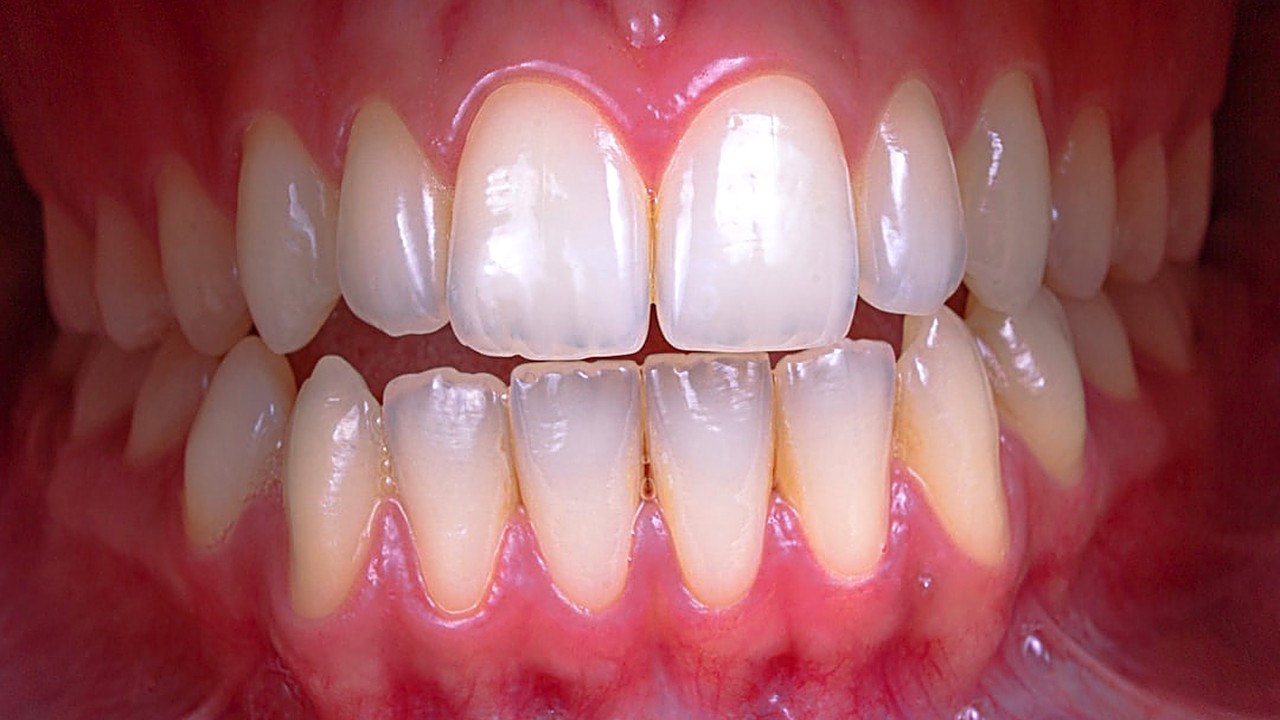
Quick answer: Gums may hurt after flossing if they are sensitive, inflamed, or you use too much pressure. Switch to soft floss, floss gently, and rinse with warm salt water. If pain lasts more than a few days, see a dentist.↗ Share on X
Why Do Gums Hurt After Flossing?
 Nighttime Racing Mind: Why It Happens and How to Slow It Down →
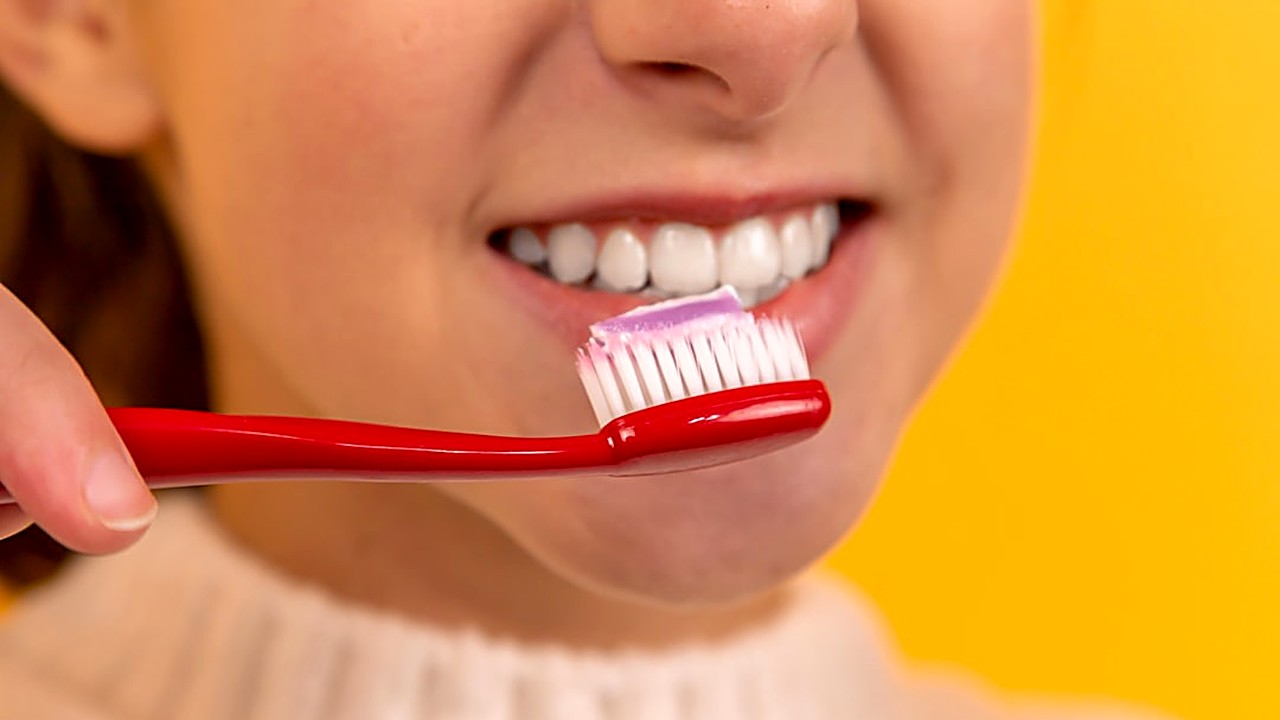 How to Use Baking Soda Safely to Reduce Gum Bleeding →
 Natural Ways to Calm Gum Swelling at Home Safely →
Flossing should clean between teeth without pain. But sometimes, gums feel sore or even bleed after flossing. This usually happens for a few common reasons:
- Gums are inflamed. Inflamed gums are red, puffy, or bleed easily. They may hurt when touched or when floss passes through tight spaces.
- Too much pressure is used. Pressing hard with floss can cut gum tissue, especially if gums are already sensitive.
- Old or rough floss is used. Worn-out floss frays and can scratch gums like sandpaper.
- Gums are receding. When gums pull back from teeth, the sensitive root surface is exposed. Floss can irritate this area.
- You have a hidden problem. Small cuts, early gum disease, or rough fillings can cause pain that feels like flossing caused it.
I once flossed too hard after weeks without cleaning between my teeth. My gums bled and ached for two days. Switching to softer floss and gentler technique fixed it within a week.
Simple health wins in your inbox. No hype.
How to Floss Without Hurting Your Gums
Affiliate link. We may earn a commission on purchases, at no extra cost to you.
This content is informational and is not a substitute for medical advice. Supplements do not cure or treat diseases.
You do not need to stop flossing when gums hurt. Instead, change how you do it. Follow these steps to clean safely:
1. Pick the right floss. Use soft, waxed floss or a soft floss pick. Avoid thick or unwaxed floss that can scrape gums. I like the flat, ribbon-style floss for tight spaces between teeth.
2. Use gentle pressure. Slide floss between teeth without forcing it. Curve the floss around each tooth like a "C" and clean under the gum line. Do not snap or saw the floss back and forth.
3. Floss before brushing. Brushing after flossing removes loosened food and plaque. This makes flossing more effective and less irritating.
4. Rinse with warm salt water. Mix half a teaspoon of salt in a cup of warm water. Swish it gently in your mouth for 30 seconds after flossing. Salt water reduces swelling and soothes irritation.
5. Try a water flosser. If flossing hurts, a gentle water flosser can clean between teeth without touching gums. Use the lowest pressure setting and aim the stream between teeth.
6. Check your technique weekly. If gums still hurt after two weeks of gentle flossing, your method may need adjustment. Ask your dentist or hygienist to show you the best way.
When to See a Dentist About Flossing Pain
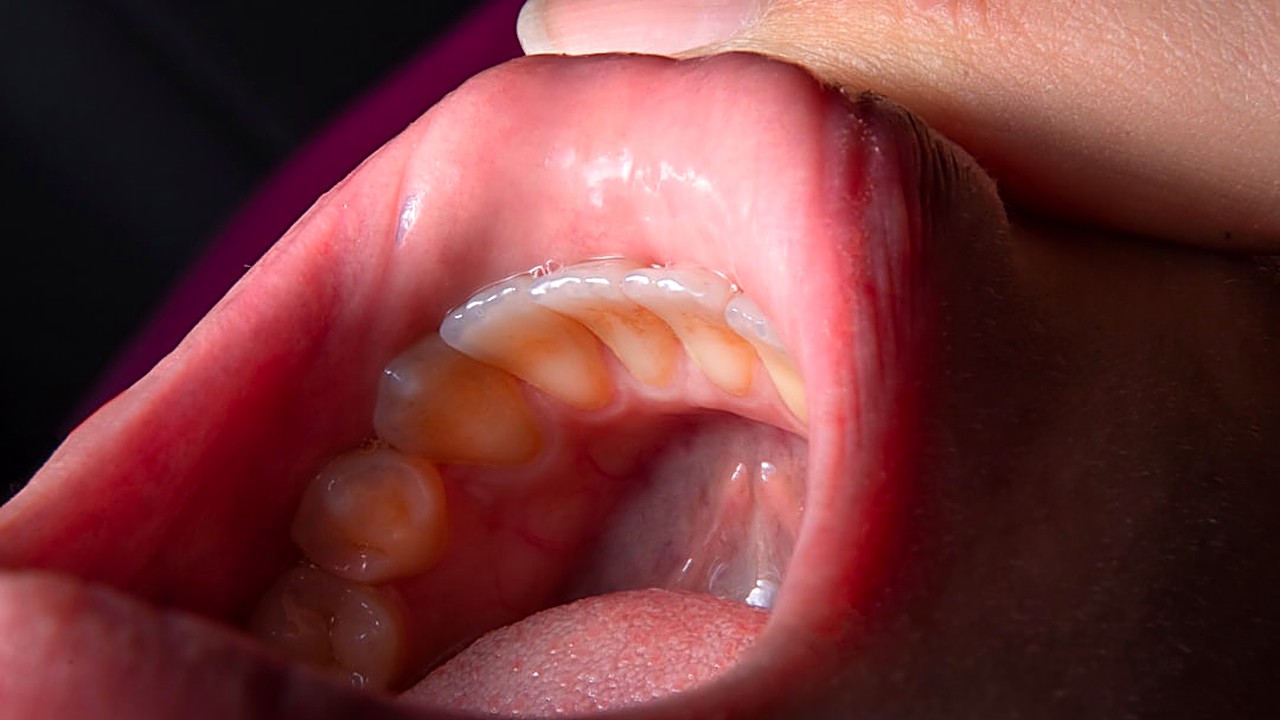 How Smoking Affects Gum Health and Whether Quitting Can Reverse Damage →
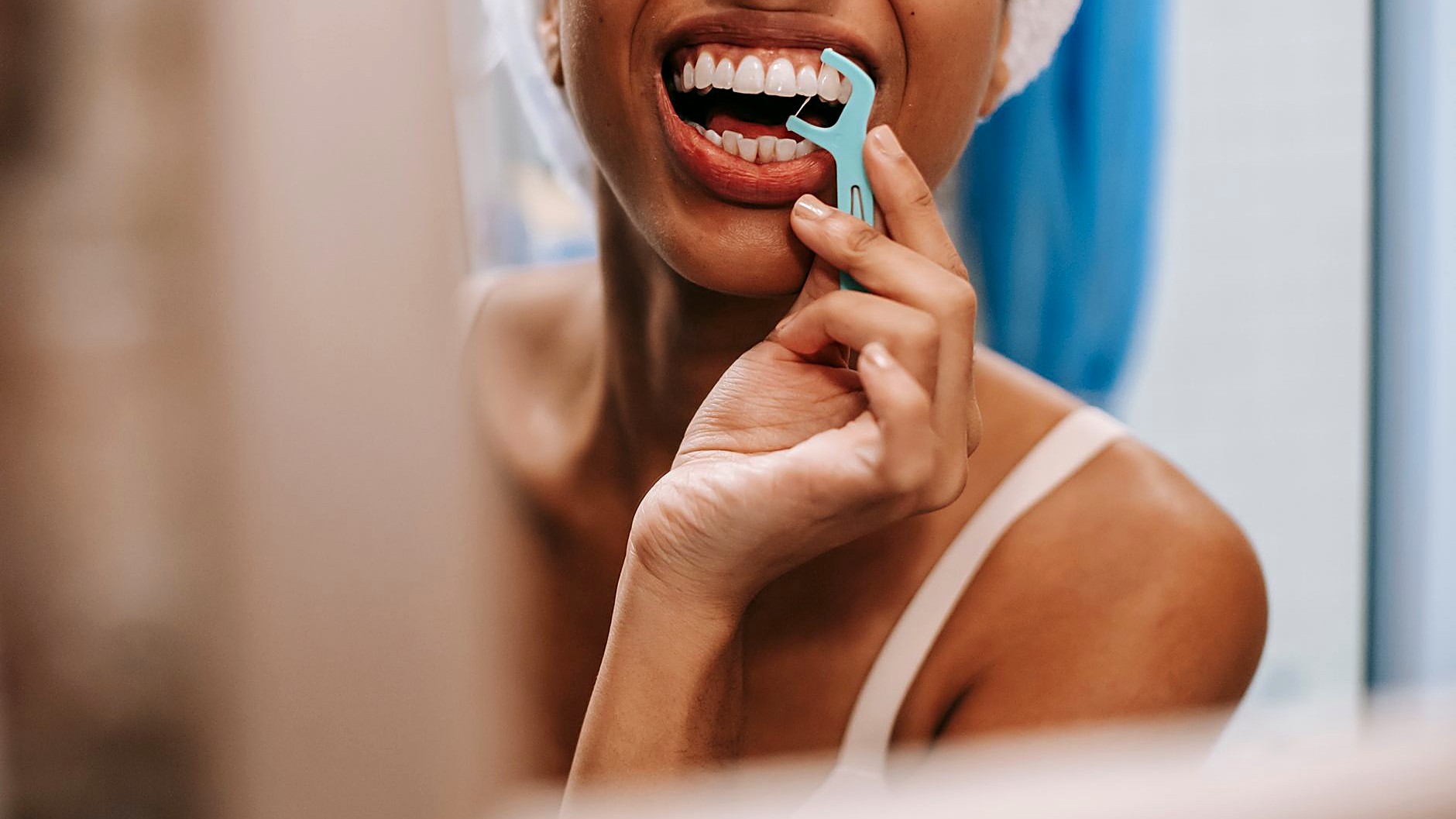 How to Use a Soft Water Flosser for Sensitive Gums →
 Simple Ways to Reduce Bad Breath From Gum Problems →
Most gum soreness after flossing goes away in a few days with gentle care. But some signs mean you should see a dentist soon:
- Pain lasts more than 3–4 days. Soreness that does not improve may point to early gum disease or an injury.
- Gums bleed a lot or constantly. Light bleeding once in a while is normal when you start flossing. Heavy or daily bleeding is not.
- You see pus or swelling. These are signs of infection that need treatment.
- Teeth feel loose or sensitive to cold. These can be early signs of gum disease or receding gums.
- You have sharp pain when biting. This could mean a small cut or crack in the gum or tooth.
Dentists see many patients who avoid flossing because it hurts. But avoiding it can make problems worse. A quick check can rule out serious issues and teach safer flossing.
Gentle Alternatives to Regular Floss
If flossing still hurts after trying the steps above, try these gentler options:
- Soft floss picks. These have a small, soft tip that slides between teeth without threading floss. They are easier to hold and less likely to cut gums.
- Interdental brushes. These tiny brushes clean between teeth like a tiny toothbrush. They work well if you have wider gaps between teeth. Use the smallest size that fits without forcing.
- Floss threaders. These help guide floss under dental work like bridges. They reduce the need to pull floss hard.
- Antimicrobial mouth rinse. A rinse with chlorhexidine or essential oils can reduce plaque and gum irritation between cleanings. Ask your dentist which one is safe for daily use.
I switched to interdental brushes after my hygienist showed me how. They cleaned better than floss and my gums stopped hurting within days.
How to Prevent Gum Pain in the Future
Preventing pain starts with daily habits that protect gums:
- Brush twice a day with a soft brush. Use gentle circles and a 45-degree angle toward the gums. Replace your toothbrush every 3–4 months.
- Floss or clean between teeth once a day. Consistency keeps plaque from building up and causing inflammation.
- Use a mouth rinse after meals. Swishing water or an alcohol-free rinse after eating removes food particles that attract bacteria.
- Eat foods that help gums. Crunchy fruits and vegetables like apples and carrots clean teeth naturally. Vitamin C from citrus and berries helps heal gums.
- Avoid smoking and sugary drinks. Smoking worsens gum disease. Sugary drinks feed the bacteria that cause plaque and swelling.
- Visit the dentist every 6 months. Regular cleanings remove hardened plaque (tartar) that brushing and flossing cannot. Your dentist can spot early problems before they hurt.
Small daily habits make a big difference. I noticed my gums felt better when I started rinsing after lunch at work, not just in the morning and night.
Common Mistakes That Make Flossing Painful
Even people who floss daily can hurt their gums by making these mistakes:
- Using too much floss. A 12-inch piece is enough. Wrapping it around fingers too tightly makes it hard to control pressure.
- Skipping flossing for days. Plaque builds up quickly. When you finally floss, inflamed gums react strongly.
- Using the same floss for weeks. Floss frays and collects bacteria. Change it after each use or at least daily.
- Flossing too fast. Rushing can lead to missed spots and rough movements. Take 2–3 minutes to clean between each tooth.
- Ignoring early signs. Light bleeding when you start flossing is normal. But if it continues after two weeks, something is wrong.
What About Natural Remedies for Gum Pain?
Some people try natural remedies to soothe sore gums. These may help mild irritation but are not a cure for gum disease:
- Aloe vera gel. Apply a small amount to gums after flossing. Aloe has anti-inflammatory properties that may reduce swelling.
- Clove oil. A drop on a cotton swab can numb sore gums temporarily. Do not swallow it. Dilute it first to avoid burns.
- Green tea rinse. Cool, brewed green tea has antioxidants that may help gums heal. Swish it gently for 30 seconds after brushing.
- Turmeric paste. Mix turmeric with water to make a paste. Apply it to gums for a minute, then rinse. Turmeric has anti-inflammatory effects.
Always test natural remedies on a small area first. Stop if your mouth feels worse. These remedies can help mild irritation but do not replace flossing or dental care.
When to Worry: Gum Pain vs. Serious Problems
Not all gum pain is the same. Knowing the difference helps you decide when to act:
| Mild Pain (Usually Safe) | Serious Signs (See a Dentist) |
|---|---|
| Slight soreness after flossing | Pain that wakes you up at night |
| Light bleeding once or twice | Constant bleeding or pus |
| Discomfort that fades in hours | Swelling that spreads to face |
| Redness that goes away in days | Red or purple gums that stay swollen |
If you notice any serious signs, do not wait. Early treatment can prevent bigger problems like tooth loss or infections that spread.
Final Tips for Pain-Free Flossing
Here are simple ways to make flossing comfortable every time:
- Start slow. If your gums are very sensitive, floss every other day for a week. Build up to daily.
- Keep floss handy. Store floss picks in your bag or car so you can clean after meals.
- Use a timer. Spend at least 2 minutes brushing and 1–2 minutes flossing. Many people rush.
- Check your floss type. If waxed floss hurts, try unwaxed or a different brand.
- Talk to your hygienist. They can show you the best way to floss for your teeth and gums.
Remember: flossing should never hurt for long. If it does, something needs to change.
This article is for general information only and is not medical or dental advice. Talk to a healthcare or dental professional about your situation.
Frequently asked questions
Is it normal for gums to bleed a little when I start flossing?
Yes, light bleeding once or twice when you begin flossing is normal. It means your gums are adjusting to the cleaning. If bleeding continues after two weeks of gentle flossing, see your dentist.
Can I use mouthwash instead of flossing if it hurts too much?
Mouthwash helps remove some plaque but cannot clean between teeth like floss. If flossing hurts, try a water flosser or interdental brush instead. Always clean between teeth once a day.
What kind of floss is best for sensitive gums?
Soft, waxed floss or ribbon-style floss works best for sensitive gums. Avoid thick or unwaxed floss that can scratch. Floss picks with soft tips are another good option.
How long should I wait to see a dentist if flossing pain does not go away?
If your gums still hurt after three or four days of gentle flossing and rinsing, make an appointment. Pain that lasts longer may signal an infection or gum disease.
Can receding gums heal after I change my flossing habits?
Receding gums do not grow back, but stopping harsh flossing can prevent further damage. Gentle cleaning and regular dental visits help protect the sensitive areas that are exposed.
*This article is for general information only and is not medical or dental advice. Talk to a healthcare or dental professional about your situation.*
Simple health wins in your inbox. No hype.
Educational content, not medical advice. Talk to your doctor before making health decisions.