Can a Salt Water Rinse Really Reduce Swollen Gums at Home?

Quick answer: A salt water rinse can sometimes ease gum swelling by reducing bacteria and drawing out excess fluid. It works best for mild irritation and should be used gently, several times a day. Severe or persistent swelling needs professional care.↗ Share on X
What Is a Salt Water Rinse?
 Nighttime Racing Mind: Why It Happens and How to Slow It Down →
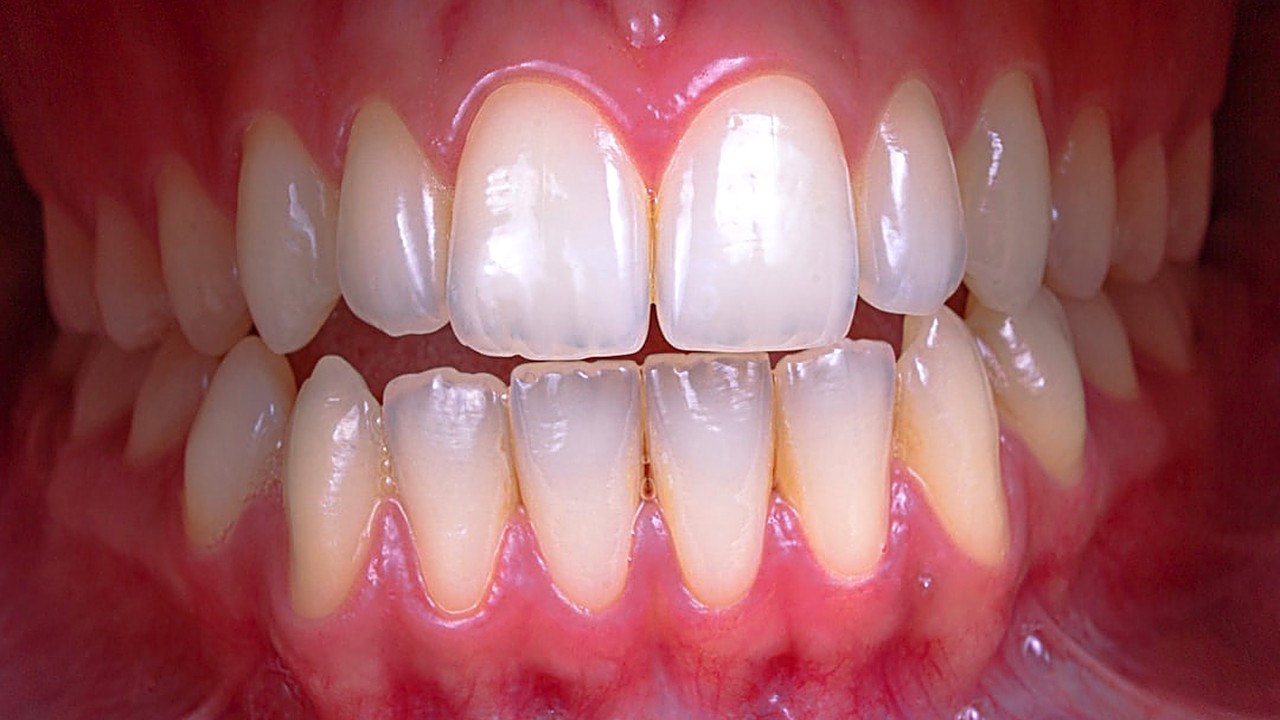 Gums Hurt After Flossing? Try These Safe Steps Now →
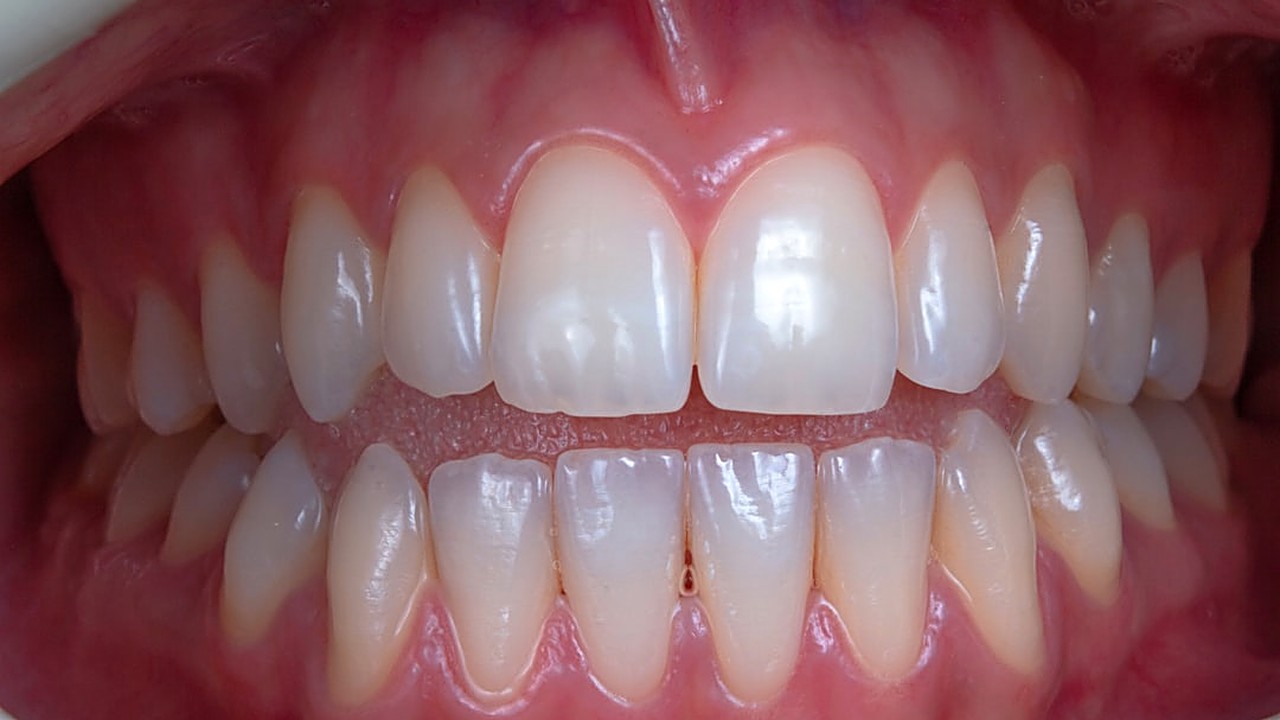 Why Gums Recede and How to Slow It Down Naturally →
A salt water rinse is a mixture of plain table salt dissolved in warm water. The solution is swished around the mouth and then spit out. Salt is a natural antiseptic; it can lower the number of harmful microbes that live on teeth and gums. The practice is cheap, easy, and has been used for generations in many cultures. People often turn to it when they notice sore or puffy gums after brushing, flossing, or eating spicy foods.
Simple health wins in your inbox. No hype.
How Might It Affect Swollen Gums?
Affiliate link. We may earn a commission on purchases, at no extra cost to you.
This content is informational and is not a substitute for medical advice. Supplements do not cure or treat diseases.
Swelling occurs when blood vessels expand and fluid leaks into gum tissue. Salt creates a mild osmotic pressure that can pull some of that fluid out of the swollen area. In addition, the salty environment can make it harder for bacteria to thrive, which may reduce inflammation over time. Small studies have shown that a 0.9% saline solution can lower plaque scores after a few weeks of regular use. The effect is usually modest, not a miracle cure.
Making a Safe and Effective Rinse
 Can Green Tea Mouthwash Help Early Gum Disease →
 Saltwater Rinse: Simple Way to Help Gums and Reduce Bleeding →
 Natural Ways to Calm Swollen Gums Pain Fast at Home →
The recipe is simple: dissolve half a teaspoon of salt in a cup (about 240 ml) of warm water. The water should feel comfortably warm, not hot enough to burn the inside of your mouth. Stir until the salt disappears. Use a clean cup or a small bottle with a lid. Swish the liquid for 20‑30 seconds, then spit it out. Do not swallow. Repeat two to three times daily, especially after meals or after brushing. Over‑use can dry out the mouth, so keep the routine to a few times a day.
When It Might Help and When to Seek Professional Care
A salt water rinse can be useful for mild gum irritation caused by food particles, a small cut, or a brief period of poor oral hygiene. If the swelling goes down after a day or two, the rinse may have helped. However, if the gums stay red, bleed easily, or the pain gets worse, it is a sign that an infection or gum disease could be developing. In those cases, a dentist should examine the area. People with high blood pressure or kidney problems should talk to a doctor before using salty solutions frequently, because excess sodium can affect the body.
Practical Tips and Personal Experience
I have used a salt water rinse after a dental cleaning that left my gums a little tender. The swelling faded after the second day of rinsing twice daily. I also found that adding a pinch of baking soda once a week helped keep my breath fresh without hurting the gums. Remember to keep the rinse gentle; aggressive swishing can irritate the tissue further. Combine the rinse with regular brushing, flossing, and a balanced diet rich in vitamin C and omega‑3 fats for the best overall gum health.
Key points to remember
- Use warm water, not hot.
- Dissolve half a teaspoon of salt per cup.
- Swish for 20‑30 seconds, then spit.
- Limit to 2‑3 times a day.
- Stop if you feel increased pain or dryness.
This article is for general information only and is not medical or dental advice. Talk to a healthcare or dental professional about your situation.
Frequently asked questions
Can a salt water rinse replace regular brushing?
No. A rinse can support oral hygiene, but brushing twice daily with fluoride toothpaste remains essential.
How long should I wait before seeing a dentist if my gums stay swollen?
If swelling does not improve after two days of gentle rinsing, or if you notice bleeding, schedule a dental visit.
Is it safe to use a salt water rinse every day?
Using it a few times a week is generally safe. Daily use may dry out the mouth for some people.
Can I add other ingredients like essential oils to the rinse?
A few drops of mild essential oil, such as tea tree, can be added, but keep the mixture gentle and avoid strong flavors that might irritate the gums.
Will a salt water rinse help with gum disease?
It may help reduce mild inflammation, but gum disease often needs professional treatment and targeted oral care.
*This article is for general information only and is not medical or dental advice. Talk to a healthcare or dental professional about your situation.*
Simple health wins in your inbox. No hype.
Educational content, not medical advice. Talk to your doctor before making health decisions.