Why Gums Bleed When You Brush Too Hard and How to Stop It
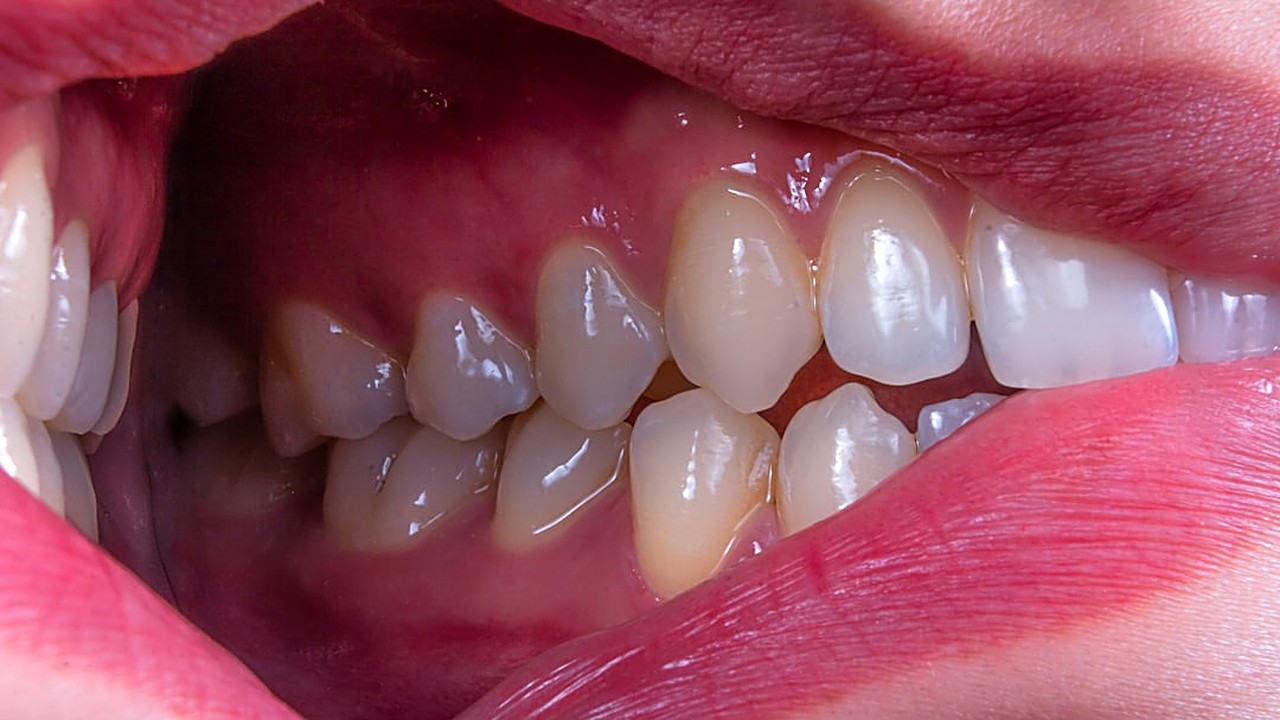
Quick answer: Bleeding gums when brushing often happen because gums are inflamed or too sensitive. Use a soft-bristle brush, gentle circles, and avoid pressing hard. Check your technique and see a dentist if it continues.↗ Share on X
Why Your Gums Bleed When You Brush Too Hard
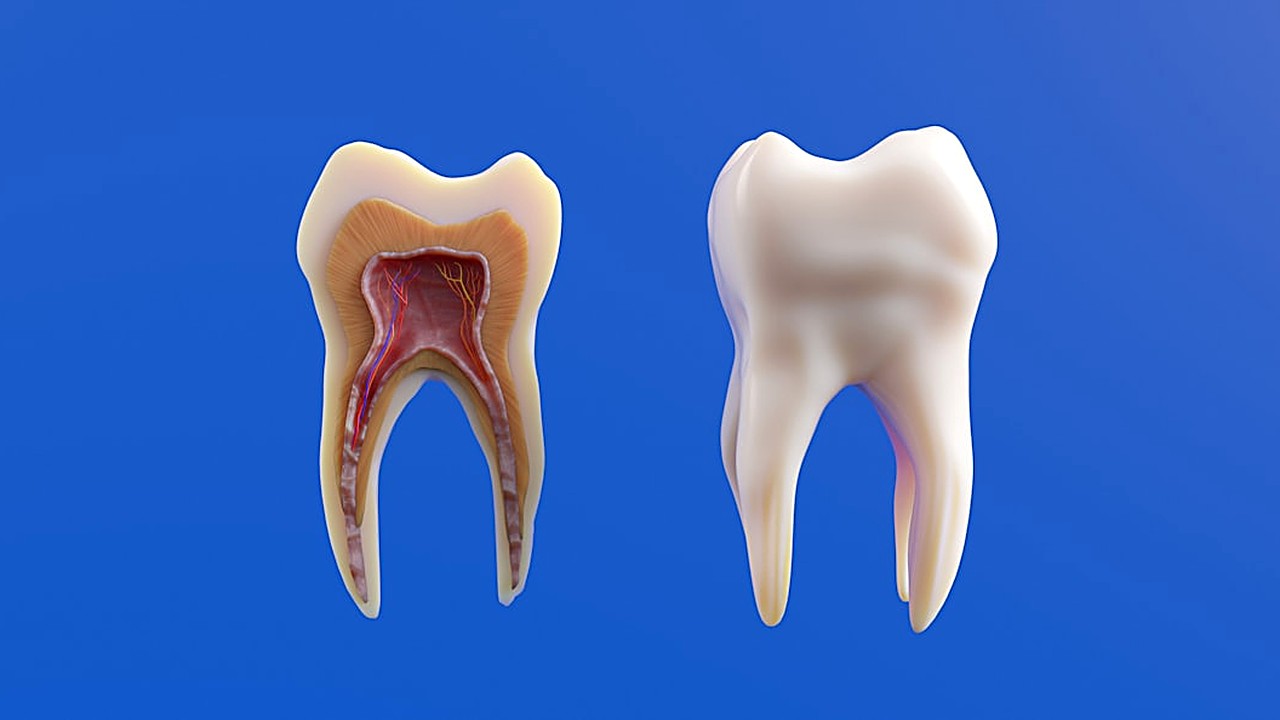 Natural Ways to Fix Gums Pulling Away from Teeth Safely →
 Best Foods for Healthy Gums and Teeth Daily →
 Simple Ways to Ease Gum Pain from Hot or Cold Foods →
Bleeding gums during brushing usually mean your gums are irritated. This irritation can come from many small things you do every day. Brushing too hard is one of the most common causes. When you press too much, the gum tissue gets damaged. Tiny blood vessels break, and you see pink or red on your toothbrush.
Other reasons include:
- Gingivitis: This is early gum disease. It makes gums red, puffy, and easy to bleed.
- Plaque buildup: Sticky bacteria on teeth can irritate gums over time.
- Hormonal changes: Pregnancy or menopause can make gums more sensitive.
- New toothbrush: Hard bristles can scratch gums, even if you brush gently.
- Vitamin shortages: Low vitamin C or K can weaken gum tissue.
I once met a woman who brushed with a hard brush for years. Her gums bled every time. After switching to a soft brush and learning the right way, the bleeding stopped in two weeks. Small changes can make a big difference.
Simple health wins in your inbox. No hype.
How Hard Brushing Damages Your Gums
Affiliate link. We may earn a commission on purchases, at no extra cost to you.
This content is informational and is not a substitute for medical advice. Supplements do not cure or treat diseases.
Brushing too hard does not clean teeth better. It actually pushes bacteria deeper under the gum line. This can cause more swelling and bleeding. The pressure also wears away the gum tissue over time. This leads to receding gums, where teeth look longer and gums pull back.
Think of your gums like delicate skin. If you rub them too hard with a towel, they get red and sore. The same thing happens with a toothbrush. The American Dental Association says brushing should feel gentle, like massaging your gums, not scrubbing them.
Signs you brush too hard:
- Your toothbrush bristles splay out quickly.
- Your gums look red or shiny after brushing.
- You see pink in the sink after rinsing.
The Right Way to Brush Without Harming Gums
 Why Your Gums Bleed When You Floss and How to Fix It →
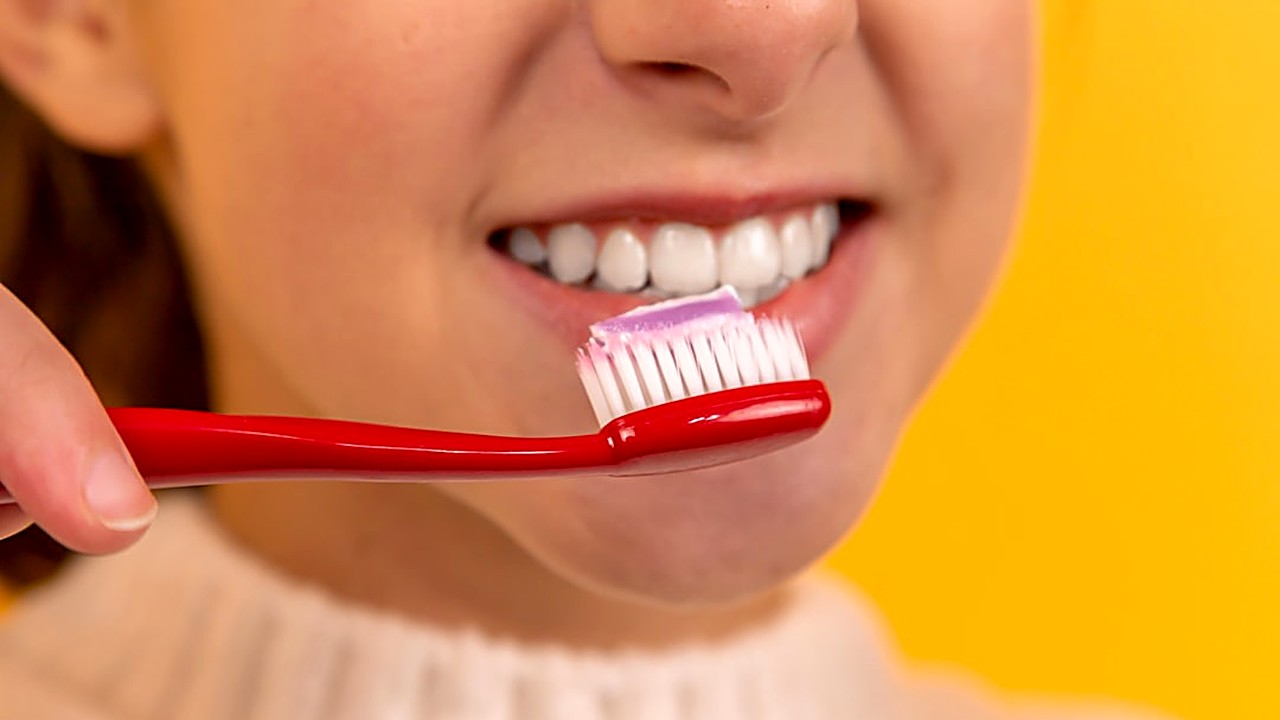 How to Use Baking Soda Safely to Reduce Gum Bleeding →
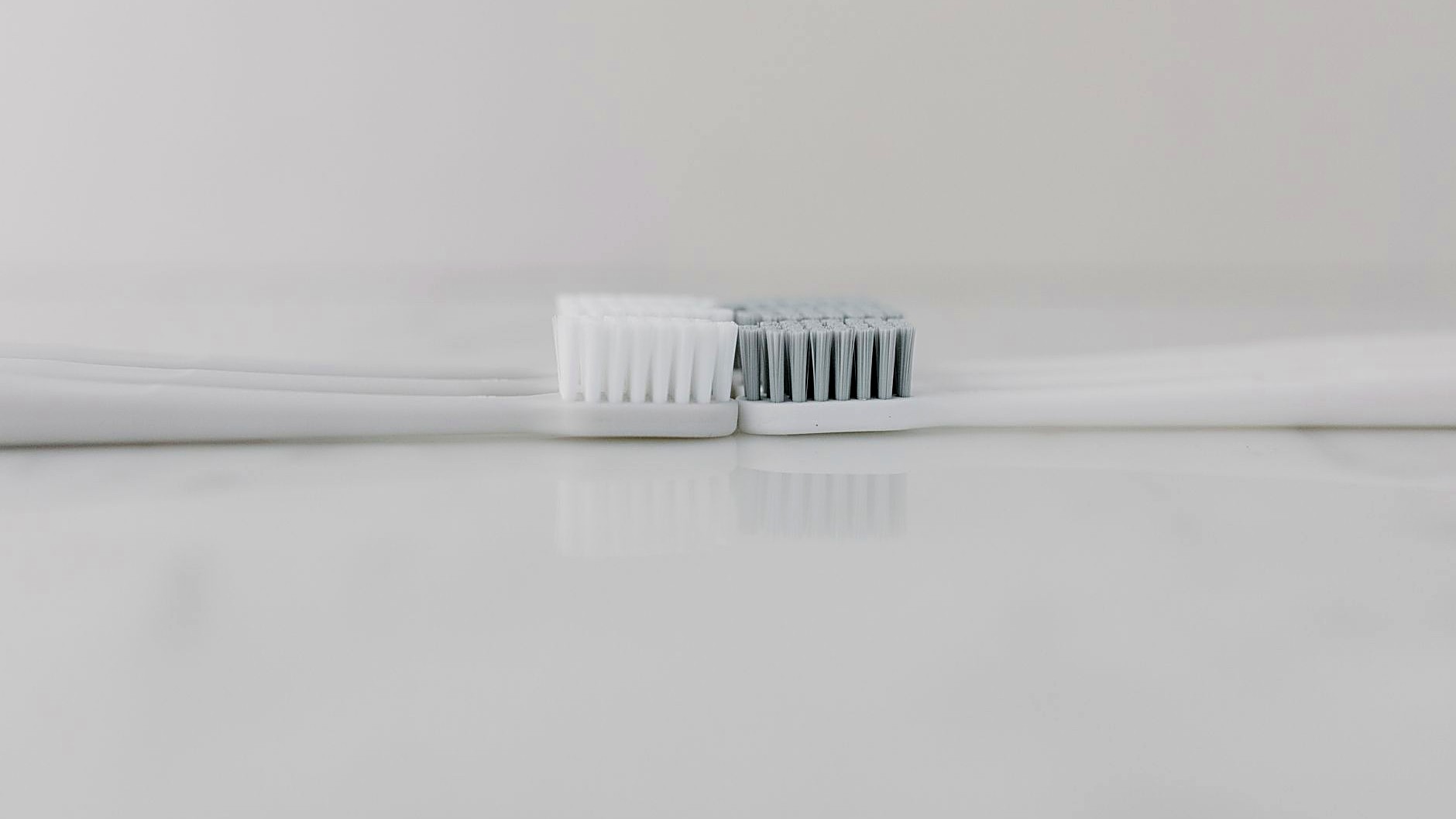 How to Choose the Best Toothbrush for Sensitive Gums →
Use a soft-bristle toothbrush. Hard or medium bristles can hurt gums even if you brush lightly. Hold the brush like a pencil, not a hammer. This helps control pressure. Angle the brush at 45 degrees to your gums. Use small circles instead of back-and-forth strokes.
Brush for two minutes, twice a day. Focus on one tooth at a time. Clean the outer, inner, and chewing surfaces. Don’t forget your tongue, where bacteria hide. Spit out the toothpaste but don’t rinse with water. This keeps fluoride on your teeth longer to protect them.
I learned this trick from a dental hygienist years ago. She told me to brush one section of my mouth at a time. I counted to ten circles for each tooth. My gums stopped bleeding within a month. Consistency matters more than force.
Tools That Help Prevent Bleeding Gums
Electric toothbrushes can be gentler than manual ones. Many have pressure sensors that beep if you press too hard. Studies show electric brushes remove more plaque and cause less gum damage than manual brushes. Look for one with a timer to help you brush long enough.
Water flossers are another great tool. They clean between teeth without poking gums. Flossing is important because it removes food and plaque where a brush can’t reach. If flossing causes bleeding, try a water flosser first. It’s gentler on sensitive gums.
Other helpful tools:
- Gum stimulators: These rubber tips massage gums and improve blood flow.
- Tongue scrapers: They reduce bacteria on your tongue that can spread to gums.
- Mouthwash with fluoride: It strengthens teeth and soothes gums.
Gentle Alternatives to Brushing When Gums Bleed
If your gums bleed a lot, try rinsing with salt water first. Mix half a teaspoon of salt in warm water. Swish it around your mouth for 30 seconds. This reduces swelling and cleans gently. Do this once a day until bleeding stops.
You can also use an antiseptic mouthwash. Look for one with chlorhexidine or cetylpyridinium chloride. These kill bacteria that cause gum irritation. Use it after brushing to keep gums clean without extra scrubbing.
If brushing hurts too much, try a soft gauze pad. Wet it with water and wipe your teeth gently. This removes plaque without pressure. It’s not a long-term fix, but it helps when gums are very sensitive.
When to See a Dentist About Bleeding Gums
Bleeding gums are common, but they shouldn’t be ignored. If gentle brushing and good habits don’t help after two weeks, see a dentist. They can check for gum disease or other problems. Sometimes bleeding is a sign of something more serious, like diabetes or vitamin deficiencies.
Your dentist may recommend a professional cleaning. This removes hardened plaque called tartar that causes gum irritation. They can also show you the right brushing technique for your mouth. Don’t wait until gums hurt a lot to get help.
I once avoided the dentist for years because I was afraid. When I finally went, they found early gum disease. A simple cleaning and better habits saved my teeth. Regular check-ups catch problems before they get worse.
Simple Daily Routines to Keep Gums Healthy
Healthy gums start with small habits every day. Brush gently in the morning and before bed. Floss or use a water flosser once a day. Eat foods rich in vitamin C, like oranges or bell peppers. Vitamin C helps heal gum tissue.
Avoid sugary snacks and drinks. Sugar feeds bacteria that cause plaque and gum disease. Drink plenty of water to wash away food particles. Chew sugar-free gum after meals to increase saliva, which fights bacteria.
Try this routine for a month:
- Morning: Brush gently, floss, rinse with water.
- After meals: Rinse mouth with water or chew gum.
- Evening: Brush gently, use mouthwash, clean tongue.
After a few weeks, you’ll notice less bleeding and fresher breath. Your gums will feel firmer and healthier.
Common Mistakes That Make Bleeding Gums Worse
Many people think brushing harder removes more plaque. This is not true. Brushing too hard actually pushes bacteria deeper into gums. It also wears away enamel, making teeth sensitive.
Another mistake is using old toothbrushes. Bristles wear out and become less effective. Replace your toothbrush every three to four months. If bristles look bent or splayed, change it sooner.
Skipping flossing is a big error. Food gets stuck between teeth and rots, causing gum irritation. Even if flossing causes bleeding at first, keep doing it gently. Bleeding should decrease as gums get healthier.
Some mouthwashes contain alcohol. This can dry out your mouth and make gums more sensitive. Choose alcohol-free mouthwash with fluoride instead.
Natural Remedies to Soothe Bleeding Gums
Some people find relief with natural remedies. Aloe vera gel can reduce gum swelling. Apply a small amount to gums after brushing. Leave it for a few minutes, then rinse. Do this once a day.
Green tea has antioxidants that fight bacteria. Drink one cup a day or rinse with cooled green tea. Its anti-inflammatory properties can calm irritated gums.
Coconut oil pulling is another option. Swish one tablespoon of coconut oil in your mouth for 10 minutes. Spit it out and rinse. This reduces bacteria and plaque. Some people see less bleeding after a few weeks.
Remember, natural remedies help mild cases. If bleeding continues, see a dentist.
How Stress Affects Your Gums
Stress can weaken your immune system. This makes it harder for your body to fight gum infections. People under stress often neglect oral care, which worsens gum health.
Try to reduce stress with simple habits. Walk for 10 minutes daily. Practice deep breathing for a few minutes. Get enough sleep. These small changes can improve your overall health, including your gums.
I once had a stressful period at work. My gums started bleeding more. After adding daily walks and better sleep, the bleeding stopped. Stress management is part of oral health too.
The Link Between Diet and Gum Health
What you eat affects your gums directly. Foods high in sugar feed harmful bacteria. This leads to plaque buildup and gum irritation. Avoid soda, candy, and pastries.
Instead, eat foods that fight inflammation. Leafy greens, nuts, and fatty fish are great choices. They contain vitamins and omega-3s that support gum health. Drink water instead of sugary drinks to keep your mouth clean.
A friend of mine changed her diet to reduce gum bleeding. She cut out soda and added more vegetables. Within a month, her gums stopped bleeding completely. Small dietary changes make a big difference.
How to Check Your Brushing Technique at Home
Stand in front of a mirror. Brush as you normally do. Watch how much pressure you use. If your brush bends or your gums turn white, you’re pressing too hard.
Try brushing with your non-dominant hand. This forces you to use less pressure. It feels awkward at first, but it helps you learn gentler strokes.
Ask your dentist or hygienist to show you the right technique. They can give you tips specific to your mouth. A quick check-up can prevent years of damage.
What to Do If Bleeding Gums Don’t Stop
If gentle brushing and good habits don’t help after two weeks, see a dentist. They can check for gum disease or other issues. Sometimes bleeding is a sign of something more serious, like diabetes or vitamin shortages.
Your dentist may recommend a deep cleaning. This removes plaque and tartar from below the gum line. They can also prescribe a special mouthwash or antibiotic gel to reduce infection.
Don’t ignore bleeding gums. Early action prevents bigger problems later.
Summary: Gentle Care for Healthy Gums
Bleeding gums are usually a sign that you need to change your brushing habits. Use a soft brush, gentle circles, and light pressure. Floss daily and eat foods that support gum health. See a dentist if bleeding continues after trying these steps.
Small changes make a big difference. Your gums can heal and become stronger with the right care. Start today and notice the difference in a few weeks.
This article is for general information only and is not medical or dental advice. Talk to a healthcare or dental professional about your situation.
Frequently asked questions
Is it normal for gums to bleed when I brush?
Bleeding gums are not normal. They usually mean your gums are irritated or inflamed. Healthy gums should not bleed when you brush gently. If bleeding happens often, check your brushing technique or see a dentist.
How do I know if my toothbrush is too hard?
Look at the bristles. If they bend or spread out quickly, the brush is too hard. Your gums may also feel sore or look red after brushing. Switch to a soft-bristle brush and use gentle circles.
Can flossing cause bleeding gums?
Flossing can cause bleeding if your gums are inflamed or you floss too hard. Start gently and be patient. Bleeding should decrease as gums get healthier. If it continues, see a dentist.
Are electric toothbrushes better for sensitive gums?
Electric toothbrushes can be gentler than manual ones. Many have pressure sensors that alert you if you press too hard. They also remove more plaque with less effort, which is good for sensitive gums.
What foods help heal bleeding gums?
Foods rich in vitamin C, like oranges and bell peppers, help heal gum tissue. Leafy greens, nuts, and fatty fish also reduce inflammation. Avoid sugary snacks and drinks that feed harmful bacteria.
*This article is for general information only and is not medical or dental advice. Talk to a healthcare or dental professional about your situation.*
Simple health wins in your inbox. No hype.
Educational content, not medical advice. Talk to your doctor before making health decisions.