Natural Ways to Fix Gums Pulling Away from Teeth Safely
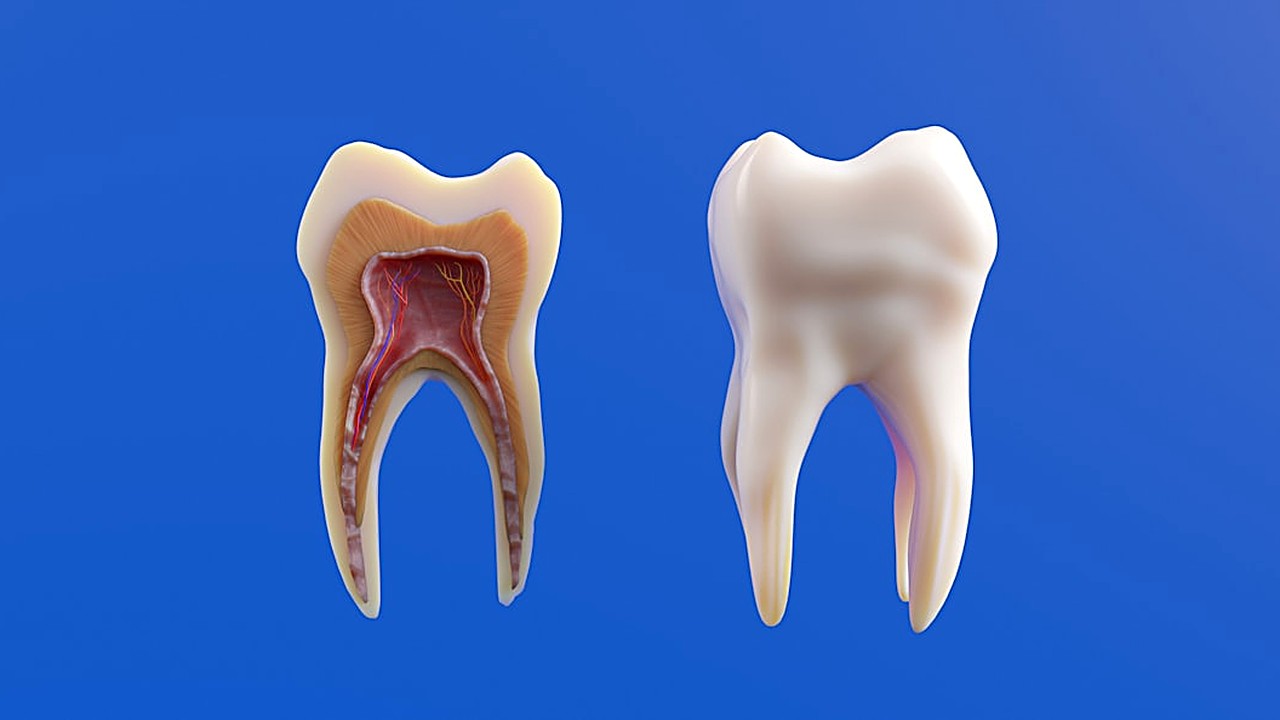
Quick answer: Gums pulling away from teeth may improve with gentle daily care like soft brushing, salt water rinses, and eating foods rich in vitamin C and omega-3s. Avoid aggressive brushing and smoking. See a dentist if bleeding or pain occurs.↗ Share on X
Why gums pull away from teeth — and when to worry
 Best Foods for Healthy Gums and Teeth Daily →
 Simple Ways to Ease Gum Pain from Hot or Cold Foods →
 Why Your Gums Bleed When You Floss and How to Fix It →
Gums that shrink or pull away from teeth create small gaps called gum recession. This exposes the sensitive root below the tooth crown. Recession happens slowly over time. Common causes include:
- Brushing teeth too hard or with a hard-bristle brush.
- Gum disease (gingivitis or periodontitis) that inflames and damages gum tissue.
- Smoking or chewing tobacco, which weakens blood flow to gums.
- Teeth grinding (bruxism), which puts pressure on gums.
- Poor oral hygiene that allows plaque to build up near the gum line.
Mild recession may not cause pain at first. But as roots become exposed, teeth may feel sensitive to hot, cold, or sweet foods. In time, gaps can deepen and allow bacteria to hide. That raises the risk of cavities on the root surface or further gum loss. When recession is severe, teeth may look longer or feel loose.
I once noticed my own gums pulling back near a molar. I switched to a soft brush and started rinsing with warm salt water every night. After a few weeks, the redness faded and sensitivity lessened. Still, I made a dental appointment to check for hidden plaque or bone loss. Early action helps.
Simple health wins in your inbox. No hype.
Gentle daily habits that may help reverse early recession
Affiliate link. We may earn a commission on purchases, at no extra cost to you.
This content is informational and is not a substitute for medical advice. Supplements do not cure or treat diseases.
Small changes in daily care can slow or even reverse mild gum recession. Focus on reducing inflammation and protecting gum tissue.
Brush gently, twice a day. Use a soft-bristle toothbrush and gentle circular motions. Avoid scrubbing back and forth. Place the brush at a 45-degree angle toward the gum line. This removes plaque without tearing delicate tissue. Electric toothbrushes with pressure sensors can help control force.
Floss once daily, but do it right. Slide floss gently between teeth and curve it around each tooth in a C-shape. Pull the floss up and down, not side to side. This cleans below the gum line without pulling gums away. If flossing causes bleeding, do it more often but with less pressure.
Rinse with warm salt water. Mix half a teaspoon of table salt in a cup of warm water. Swish for 30 seconds after brushing. Salt water reduces swelling and helps kill bacteria. Do this 2–3 times a week, or daily if gums feel irritated.
Try an antiseptic mouthwash. Look for alcohol-free formulas with ingredients like cetylpyridinium chloride or essential oils (thymol, eucalyptol). These reduce harmful bacteria without drying gums. Use after brushing, but not right after salt water to avoid rinsing away benefits.
Foods and nutrients that support gum health
 How to Use Baking Soda Safely to Reduce Gum Bleeding →
 How to Choose the Best Toothbrush for Sensitive Gums →
 Can a Salt Water Rinse Really Reduce Swollen Gums at Home? →
What you eat affects gum tissue just like bones and skin. Certain vitamins and minerals help repair and strengthen gums naturally.
Vitamin C boosts collagen, the protein that holds gums together. Good sources: oranges, strawberries, bell peppers, kiwi, and broccoli. Aim for one citrus fruit or pepper daily.
Omega-3 fatty acids reduce inflammation in gums. Found in fatty fish like salmon, mackerel, and sardines. Plant options include chia seeds, flaxseeds, and walnuts. Try a small portion 2–3 times a week.
Vitamin D helps the body absorb calcium and supports gum tissue repair. Sunlight, fatty fish, egg yolks, and fortified milk or plant milks provide it. Many adults need supplements, especially in winter.
Coenzyme Q10 (CoQ10) may improve gum health by reducing oxidative stress. Found in organ meats, fatty fish, and whole grains. Supplements are also available, but check with a doctor first.
Green tea contains antioxidants that fight bacteria linked to gum disease. Drink 1–2 cups daily, unsweetened. Avoid adding sugar, which feeds harmful bacteria.
I remember a neighbor who added a small salad with spinach and strawberries to lunch every day. Within a month, her gums looked less red and her dentist noted less inflammation. Diet changes take time, but they build lasting strength.
Natural remedies with science-backed support
Some natural treatments show promise for mild gum issues. Always patch-test and stop if irritation occurs.
Aloe vera gel (pure, food-grade). Apply a small dab to gums after brushing. Aloe has anti-inflammatory and antibacterial effects. Use 2–3 times a week. Avoid swallowing large amounts.
Coconut oil pulling. Swish one tablespoon of coconut oil in your mouth for 10–15 minutes, then spit it out. This may reduce plaque and bacteria. Do this 2–3 times a week, not daily. Some people report less gum redness after a month.
Green tea mouthwash. Brew green tea, cool it, and use as a rinse after brushing. A study found it reduced plaque and gum inflammation better than some chemical mouthwashes. Use 1–2 times daily.
Clove oil (diluted). Mix one drop of clove oil with a teaspoon of coconut oil. Dab on sore spots with a cotton swab. Clove oil has numbing and antibacterial properties. Use sparingly, no more than twice a week.
Turmeric gel. Apply a thin layer of turmeric gel (mixed with water) to gums. Turmeric contains curcumin, which fights inflammation. Rinse after 10 minutes. Avoid if you have turmeric allergies.
These remedies are not cures for advanced recession. They may help reduce irritation and support healing when used alongside good oral care.
What to avoid to prevent further gum damage
Some habits worsen gum recession, even if they feel harmless.
- Hard-bristle toothbrushes or aggressive brushing. These scratch gum tissue and push it back. Choose soft or extra-soft bristles.
- Tobacco in any form. Smoking and chewing tobacco cut blood flow to gums, slowing healing. They also raise the risk of gum disease.
- Teeth grinding or clenching. This constant pressure can pull gums away from teeth. Consider a night guard if you grind your teeth.
- Crunchy or sticky snacks. Foods like hard candies, popcorn kernels, or caramel pull on gums and trap food particles. Choose softer fruits, steamed veggies, or yogurt instead.
- Sugary drinks and sticky candies. Sugar feeds bacteria that cause plaque and inflammation. Rinse your mouth with water after eating sweets.
One patient I spoke with loved chewing ice. After months, his front gums started to pull back. Switching to cold herbal tea and using a straw helped protect his gums.
When to see a dental professional
Natural care helps mild cases. But some signs mean you need expert help:
- Gums that bleed often when brushing or flossing.
- Teeth that feel loose or move slightly.
- Pain, swelling, or pus around teeth.
- Large gaps between teeth and gums that grow bigger.
- Teeth that look longer or feel sensitive to touch.
A dentist or periodontist can measure gum recession with a small ruler called a periodontal probe. They may suggest:
- Professional cleaning to remove hardened plaque (scaling).
- Root planing to smooth rough root surfaces and help gums reattach.
- Gum graft surgery in severe cases to cover exposed roots.
- Treatment for teeth grinding or bite issues.
I once delayed a dental visit because I thought natural care would fix everything. By the time I went, the recession had worsened and required a graft. Early care matters.
Simple daily routine to support gum health
Here’s a gentle routine you can follow every day. Adjust based on how your gums feel.
Morning:
- Rinse mouth with warm water.
- Brush with a soft brush, 2 minutes, gentle circles.
- Floss carefully, one tooth at a time.
- Use a fluoride-free toothpaste if gums are sensitive.
After meals (optional):
- Rinse with plain water to remove food bits.
- Chew sugar-free gum with xylitol to stimulate saliva.
Evening:
- Brush again, same gentle method.
- Floss, if needed.
- Swish with warm salt water for 30 seconds.
- Apply a natural remedy (aloe, coconut oil) if gums feel irritated.
Weekly:
- Try oil pulling or green tea rinse 2–3 times.
- Eat one serving of vitamin C-rich fruit or veggie daily.
- Drink green tea or water with lemon in the afternoon.
Track changes in sensitivity or appearance. If you see no improvement after 4–6 weeks, or if symptoms worsen, consult a dentist.
Common myths about gum recession
Myths can delay real care. Let’s clear up a few.
- Myth: Receding gums always mean you brush too much.
Reality: Sometimes it’s not brushing enough. Plaque buildup can cause gum disease, which pulls gums away. Gentle brushing and regular flossing help prevent this.
- Myth: Natural remedies can cure deep recession.
Reality: Mild cases may improve with care. But deep pockets or bone loss need professional treatment. Don’t rely only on home methods for advanced issues.
- Myth: If gums bleed, stop brushing.
Reality: Bleeding often means gums are inflamed. Gentle brushing and flossing help remove irritants. If bleeding continues after a week, see a dentist.
- Myth: Whitening toothpaste helps gums.
Reality: Many whitening pastes contain abrasives that can worsen recession. Choose a gentle, sensitivity-friendly paste instead.
- Myth: Gum recession is always painful.
Reality: Early stages may have no pain. That’s why regular dental checkups are important, even if nothing hurts.
Final thoughts: Small steps, steady progress
Gum recession is common as we age. But it’s not inevitable. Gentle daily care, smart food choices, and avoiding harmful habits can make a real difference. Natural methods may help reverse early signs and reduce sensitivity. Still, they work best when combined with good oral hygiene and regular dental visits.
Remember: results depend on your starting point and consistency. If you notice changes, keep going. If not, seek professional advice. Your gums protect your teeth — treat them with care every day.
This article is for general information only and is not medical or dental advice. Talk to a healthcare or dental professional about your situation.
Frequently asked questions
Can receding gums grow back on their own?
In mild cases, gums may tighten slightly with good care, but lost tissue usually does not fully regrow. Natural methods help reduce further loss and improve gum health, but professional treatment may be needed for deeper recession.
Is coconut oil pulling safe for everyone?
Most people can try oil pulling with coconut oil 2–3 times a week. Avoid it if you have a coconut allergy or open sores in your mouth. Do not swallow the oil. Stop if you feel nausea or irritation.
How long does it take to see improvement in gum health?
With consistent gentle care, some people notice less redness or sensitivity within 2–4 weeks. Deeper healing may take months. If there’s no change after 6 weeks, or if symptoms worsen, see a dentist.
Can I use turmeric directly on my gums every day?
Use turmeric gel or paste 2–3 times a week, not daily. Rinse after 10 minutes to avoid staining. If your mouth feels irritated or burns, stop and rinse with water.
What kind of toothbrush is best for sensitive gums?
Choose a soft-bristle brush with rounded bristles. Electric toothbrushes with pressure sensors can help control force. Replace your brush every 3–4 months or sooner if bristles fray.
*This article is for general information only and is not medical or dental advice. Talk to a healthcare or dental professional about your situation.*
Simple health wins in your inbox. No hype.
Educational content, not medical advice. Talk to your doctor before making health decisions.