How to Use Baking Soda Safely to Reduce Gum Bleeding
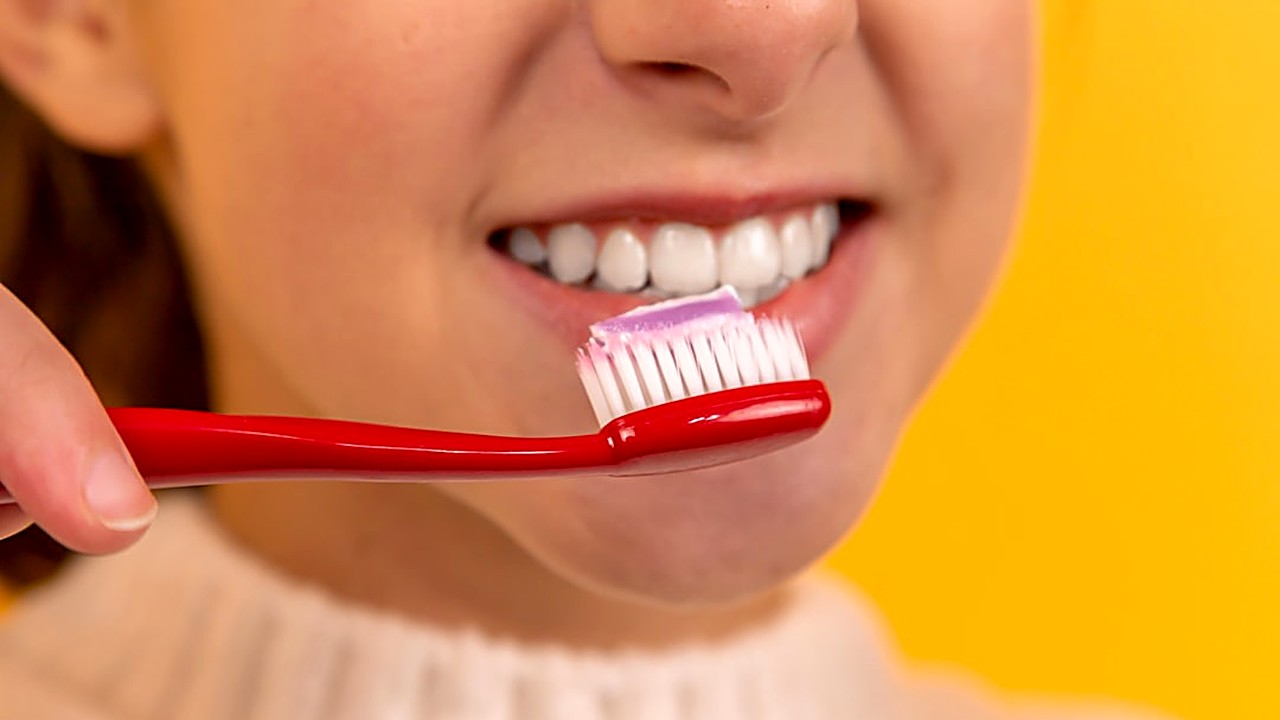
Quick answer: Baking soda can be used as a gentle mouth rinse or mild toothpaste to help reduce gum bleeding, but it must be mixed with water, used no more than a few times a week, and avoided if you have sensitive teeth or open sores.↗ Share on X
What Causes Gum Bleeding?
 Nighttime Racing Mind: Why It Happens and How to Slow It Down →
 Gums Hurt After Flossing? Try These Safe Steps Now →
 Why Gums Recede and How to Slow It Down Naturally →
Bleeding gums are often a sign of inflammation. Plaque buildup, aggressive brushing, or hormonal changes can irritate the gum tissue. When the tissue swells, tiny blood vessels may break during chewing or cleaning. In many cases, the problem improves with better oral hygiene, but some people look for extra help at home.
I have seen friends who notice blood after flossing and wonder if a kitchen ingredient can calm the irritation. While baking soda is not a cure, it can act as a mild neutralizer for acids that worsen inflammation.
Simple health wins in your inbox. No hype.
Why Baking Soda Might Help
Affiliate link. We may earn a commission on purchases, at no extra cost to you.
This content is informational and is not a substitute for medical advice. Supplements do not cure or treat diseases.
Baking soda (sodium bicarbonate) is alkaline. It can balance the acidic environment that fuels plaque growth. A less acidic mouth may feel less sore, and the gentle abrasive quality can polish the tooth surface without harsh scrubbing. Studies on similar alkaline rinses show a modest reduction in gum redness after regular use.
The key is that the effect is mild. It does not replace brushing, flossing, or professional cleaning. Think of it as a supportive habit that can be added to an existing routine.
Safe Ways to Use Baking Soda at Home
 Can Green Tea Mouthwash Help Early Gum Disease →
 Saltwater Rinse: Simple Way to Help Gums and Reduce Bleeding →
 Natural Ways to Calm Swollen Gums Pain Fast at Home →
1. Simple Rinse
- Mix ½ teaspoon of baking soda with ½ cup of warm water.
- Stir until it dissolves.
- Swish the solution around your mouth for 30 seconds, then spit it out. Do not swallow.
- Use this rinse once or twice a week.
2. Homemade Toothpaste
- Combine 1 tablespoon of baking soda with a few drops of mild liquid soap (like Castile) and a tiny splash of water to form a paste.
- Brush gently for one minute, focusing on the gum line.
- Rinse thoroughly with plain water.
- Limit this paste to two or three times a week.
3. Spot Treatment for Small Areas
- Make a thick paste using ¼ teaspoon of baking soda and enough water to spread.
- Apply the paste with a clean finger to a single bleeding spot.
- Leave it on for 1‑2 minutes, then rinse.
- This can be done when you notice a sore after a meal.
When I tried the rinse on my own gums, I felt a fresh sensation and noticed less spotting after a month of consistent use. The change was subtle, not dramatic, but it encouraged me to keep the habit.
Things to Watch Out For
- Too Much Abrasion – Baking soda is slightly gritty. Brushing too hard can wear enamel and irritate gums further. Use a soft‑bristled brush and gentle pressure.
- Dry Mouth – The alkaline nature may reduce saliva flow for some people. If your mouth feels dry, drink water after using the rinse.
- Allergic Reaction – Rare, but some individuals may develop a mild rash or irritation. Stop use immediately if you notice swelling or itching.
- Existing Dental Work – The paste can affect crowns or fillings if used frequently. Ask a dentist whether your restorations can tolerate occasional baking soda contact.
Always keep the concentration low. A stronger mix can cause a burning feeling and may damage soft tissue.
When to See a Professional
If bleeding continues after four weeks of gentle home care, or if you experience pain, swelling, or loose teeth, it is time to schedule a dental visit. Persistent bleeding can signal gum disease, which needs professional cleaning and possibly deeper treatment.
A dentist can assess the cause, provide scaling, and suggest targeted mouthwashes that are proven to reduce inflammation. Home remedies are supportive, not a substitute for professional care.
Remember: Baking soda is a tool, not a cure. Use it responsibly, combine it with regular brushing, flossing, and dental check‑ups.
This article is for general information only and is not medical or dental advice. Talk to a healthcare or dental professional about your situation.
Frequently asked questions
Can I use baking soda every day?
It is safer to limit use to a few times a week. Daily use may wear enamel and irritate gums.
Is baking soda safe for people with braces?
Braces can trap the gritty particles, so use a very gentle paste and rinse well. Consult your orthodontist if unsure.
Will baking soda replace my regular toothpaste?
No. It can be an occasional supplement, but a fluoride toothpaste is still needed for cavity protection.
What if I have a sore mouth after using the rinse?
Stop using it right away, rinse with plain water, and talk to a dentist if the soreness continues.
Can children use baking soda for gum bleeding?
Children should only use it under adult supervision and no more than once a week, because their enamel is softer.
*This article is for general information only and is not medical or dental advice. Talk to a healthcare or dental professional about your situation.*
Simple health wins in your inbox. No hype.
Educational content, not medical advice. Talk to your doctor before making health decisions.