Natural Ways to Strengthen Loose Teeth from Gum Disease

Quick answer: Gum disease often causes loose teeth. Gentle daily care like saltwater rinses, vitamin C foods, and proper brushing can help. Always check with a dentist first to avoid harm.↗ Share on X
Why Do Teeth Feel Loose from Gum Disease?
 Simple Ways to Ease Gum Pain from Hot or Cold Foods →
 Why Your Gums Bleed When You Floss and How to Fix It →
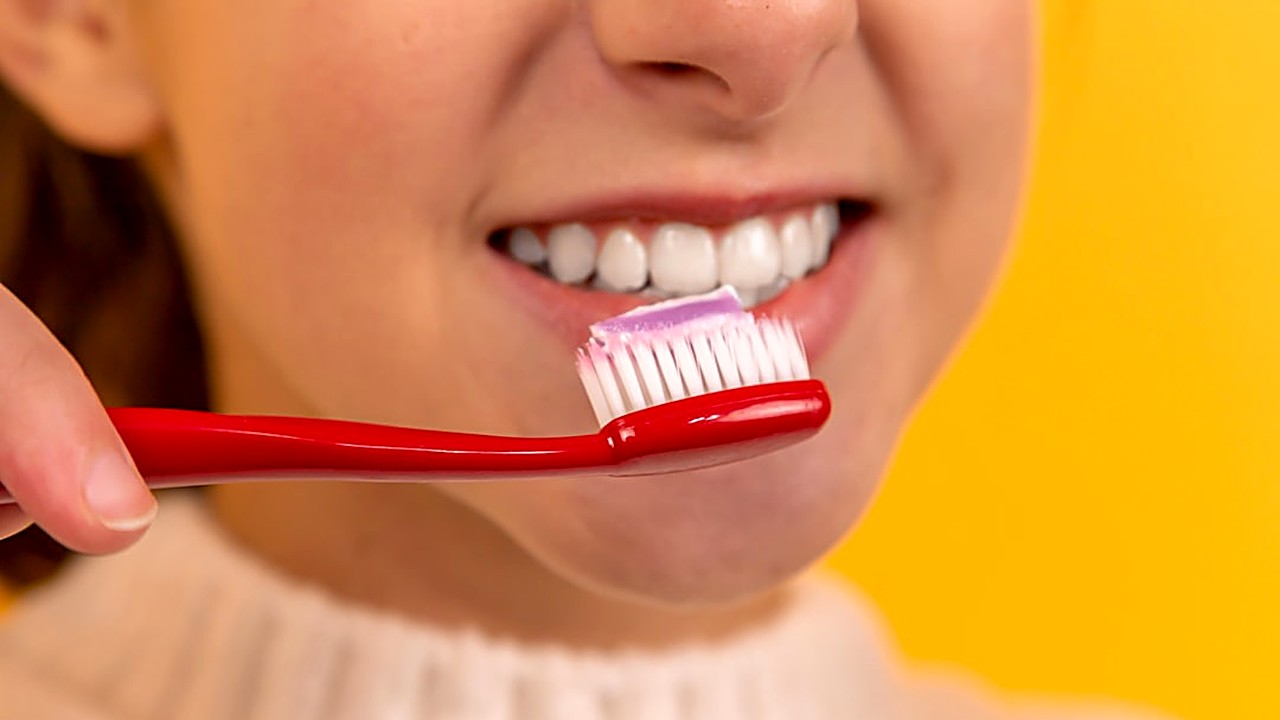 How to Use Baking Soda Safely to Reduce Gum Bleeding →
Gum disease starts when plaque builds up along the gum line. This sticky film contains bacteria that attack the tissues holding teeth in place. Over time, the gums pull away from teeth, creating pockets where more bacteria grow. The bone that supports teeth weakens too. This process makes teeth feel loose, even if they don’t move much at first.
In early stages, you might notice red or swollen gums. Brushing may cause bleeding. These signs mean the gums are inflamed. If ignored, the problem grows. The gums recede further, and teeth start to feel wobbly. Without treatment, teeth can even fall out.
I once met a gardener who ignored his bleeding gums for years. He thought it was normal. By the time he visited a dentist, several teeth had become very loose. He needed deep cleaning and special care to save the rest. His story shows how small signs can become big problems if we don’t act early.
Simple health wins in your inbox. No hype.
Gentle Brushing: The First Step to Stability
Affiliate link. We may earn a commission on purchases, at no extra cost to you.
This content is informational and is not a substitute for medical advice. Supplements do not cure or treat diseases.
Brushing too hard can hurt gums more. Use a soft-bristled toothbrush instead. Hold it at a 45-degree angle to the gums. Brush in small circles, not back and forth. This motion cleans gently without damaging tissues.
Electric toothbrushes can help too. They remove plaque better with less effort. Studies show they reduce gum inflammation more than manual brushing. But even with an electric brush, keep pressure light. Let the brush do the work.
Brush twice daily for two minutes each time. Focus on the gum line where plaque hides. Spit out the toothpaste but don’t rinse with water. This leaves fluoride on teeth longer to protect them.
Saltwater Rinses: A Simple Healer
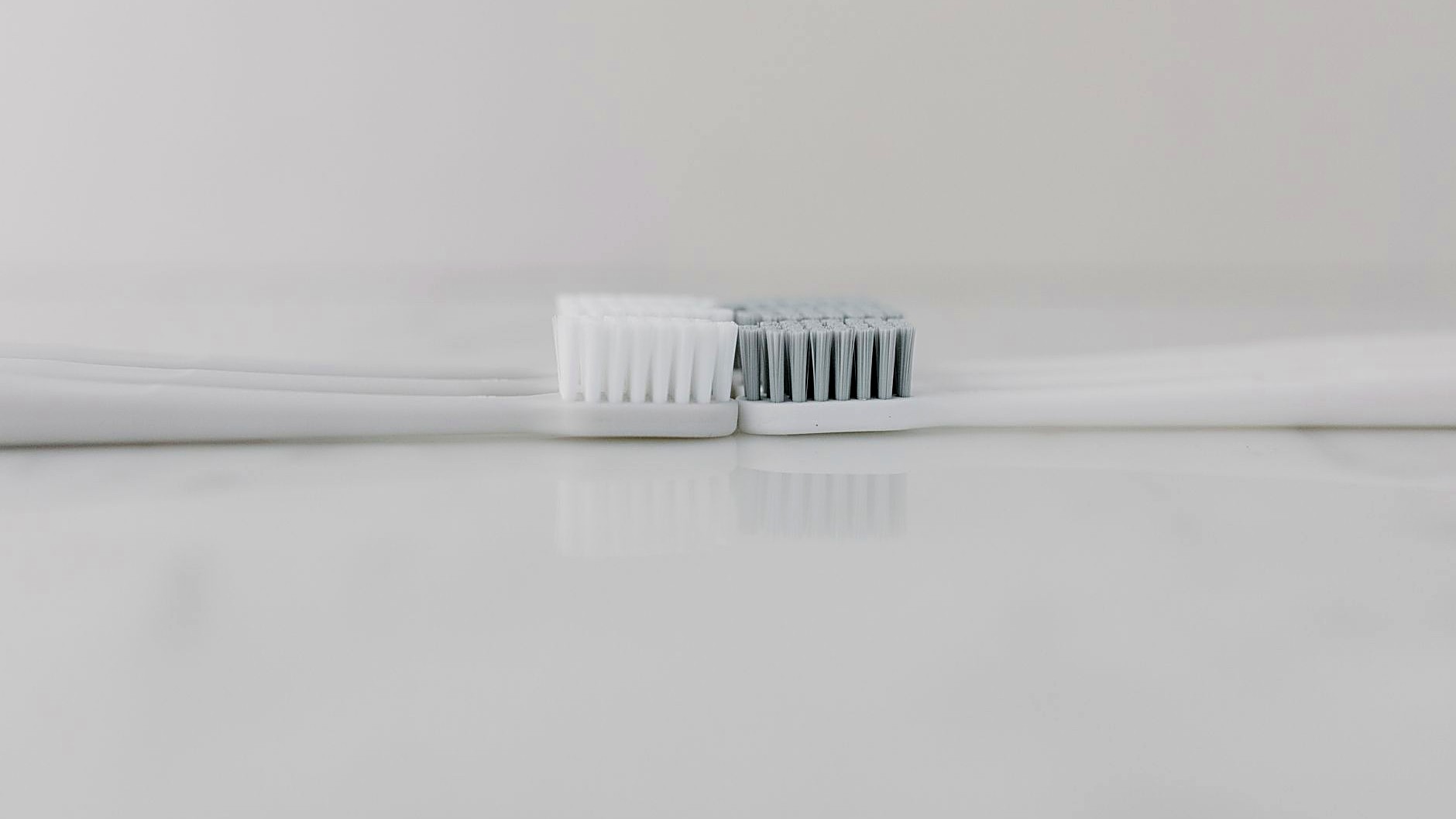 How to Choose the Best Toothbrush for Sensitive Gums →
 Can a Salt Water Rinse Really Reduce Swollen Gums at Home? →
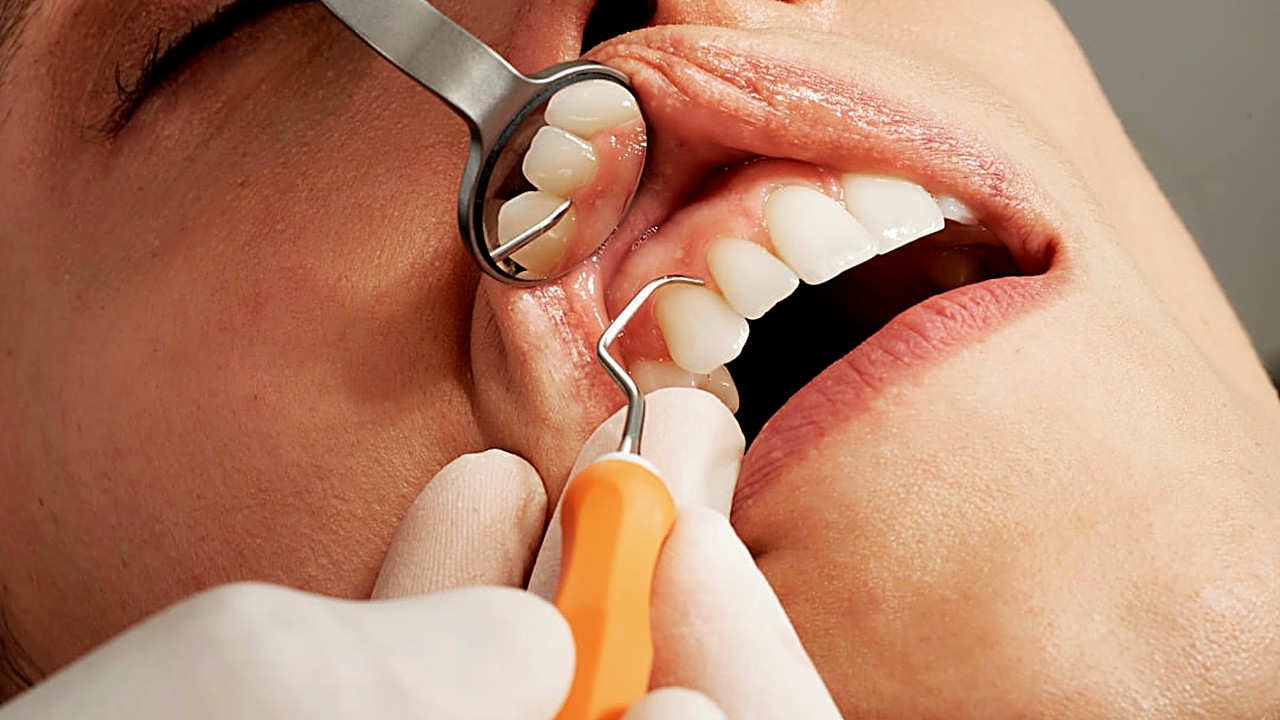 How to Identify Early Signs of Gum Recession at Home →
Saltwater rinses reduce swelling and kill some bacteria. Mix half a teaspoon of salt in a cup of warm water. Swish gently for 30 seconds, then spit out. Do this once or twice a day after brushing.
Salt also helps remove food bits stuck in gum pockets. It’s not a cure, but it keeps the mouth cleaner between brushings. I’ve seen patients who added this step feel less pain within days.
Eat Foods That Fight Gum Disease
Vitamin C helps repair gum tissue. Oranges, bell peppers, and strawberries are great sources. Eat them raw for the most benefit. Vitamin C also fights infections that worsen gum disease.
Crunchy vegetables like carrots and celery act like natural toothbrushes. Their fiber scrubs plaque off teeth as you chew. They also increase saliva, which washes away bacteria.
Green tea contains antioxidants that reduce inflammation. Drink one or two cups daily. Avoid sugary drinks—they feed the bacteria that cause gum disease.
Oil Pulling: An Old Practice with New Support
Oil pulling comes from Ayurvedic medicine. Swish one tablespoon of coconut or sesame oil in your mouth for 10 to 15 minutes. Then spit it out and rinse with warm water. Do this before brushing, two or three times a week.
Research shows oil pulling can reduce plaque and bacteria. It may also help with bad breath. But don’t rely on it alone. Use it with brushing and flossing for best results.
Massage Gums to Improve Blood Flow
Gentle gum massage increases blood flow to the area. This helps tissues heal faster. Use your clean finger or a soft toothbrush. Press lightly in small circles along the gum line for one minute each day.
You can also use a warm, damp cloth. Wrap it around your finger and massage gently. This reduces swelling and discomfort. Do this after brushing for best results.
Quit Smoking to Protect Your Teeth
Smoking makes gum disease worse. It cuts off blood flow to gums, slowing healing. It also weakens the immune system, making infections harder to fight.
If you smoke, talk to your doctor about quitting. Even cutting back helps. Within weeks of quitting, blood flow to gums improves. Teeth feel firmer as gums start to heal.
Stay Hydrated for a Cleaner Mouth
Water keeps the mouth moist and washes away food bits. Dry mouths trap bacteria, making gum disease worse. Drink water throughout the day, especially after meals.
Chewing sugar-free gum also helps. It increases saliva, which fights bacteria naturally. Choose gum with xylitol—it reduces plaque more than regular gum.
When to See a Dentist Immediately
Natural steps can help early gum disease. But if teeth feel very loose or move when you bite, see a dentist right away. Deep pockets, pus, or constant pain also need professional care.
A dentist can clean below the gum line where plaque hides. They may prescribe special mouthwashes or antibiotics. In some cases, they suggest gum grafts to cover exposed roots.
I remember a patient who tried natural remedies for months. Her teeth kept feeling worse. After a deep cleaning, her gums tightened again. Natural care works best when started early and combined with professional help.
Small Changes Add Up Over Time
Fixing loose teeth from gum disease takes patience. Natural steps work best when done every day without skipping. Results appear slowly, over weeks or months.
Track your progress. Note if gums bleed less or feel firmer. If things don’t improve, don’t wait. See a dentist to prevent further damage.
Final Thoughts: Care That Fits Your Life
Natural care for loose teeth is about gentle daily habits. Brush softly, rinse with saltwater, eat healing foods, and massage gums. These steps support your mouth’s natural repair process.
But remember—natural care is not a replacement for professional help. Use it alongside regular dental visits. Together, they give your teeth the best chance to stay strong and healthy for years to come.
This article is for general information only and is not medical or dental advice. Talk to a healthcare or dental professional about your situation.
Frequently asked questions
Can loose teeth from gum disease tighten up on their own?
Sometimes, if the gum disease is mild and you take good care of your mouth. Gentle brushing, saltwater rinses, and healthy eating can help gums heal. But if teeth feel very loose or move, see a dentist. They can check if the damage is too serious for natural care alone.
How long does it take to see improvement with natural methods?
Results vary. Some people notice less bleeding or swelling within a few weeks. Others need months of consistent care. Track small changes like gum color or comfort. If nothing improves after two to three months, talk to a dentist.
Is oil pulling safe for everyone with gum disease?
Most people can try oil pulling safely. Use coconut or sesame oil and don’t swallow it. But if you have open sores in your mouth or a weak immune system, check with a doctor first. Oil pulling is not a cure but may help as part of daily care.
What foods should I avoid if my gums are weak?
Avoid sticky candies, sugary drinks, and hard snacks like chips. These feed bacteria and can worsen gum disease. Also limit very hot or spicy foods if they irritate your gums. Choose soft, nutritious foods like yogurt, cooked vegetables, and fruits.
Can I use a water flosser instead of regular flossing?
A water flosser can help clean between teeth and below the gum line. It’s gentler than string floss for some people. But it doesn’t remove plaque as well as floss. Use it with brushing and saltwater rinses for best results. If gums bleed a lot, see a dentist before using one.
*This article is for general information only and is not medical or dental advice. Talk to a healthcare or dental professional about your situation.*
Simple health wins in your inbox. No hype.
Educational content, not medical advice. Talk to your doctor before making health decisions.