How to Stop Early Gingivitis at Home: Simple Steps for Healthier Gums

Quick answer: Early gingivitis is often reversible through consistent oral hygiene. Focus on thorough, gentle brushing twice daily, daily flossing to remove plaque between teeth, and using an alcohol-free antimicrobial mouthwash. These habits reduce bacteria and inflammation. If gums remain swollen or bleed after two weeks, see a professional for a checkup.↗ Share on X
Understanding Early Gum Health
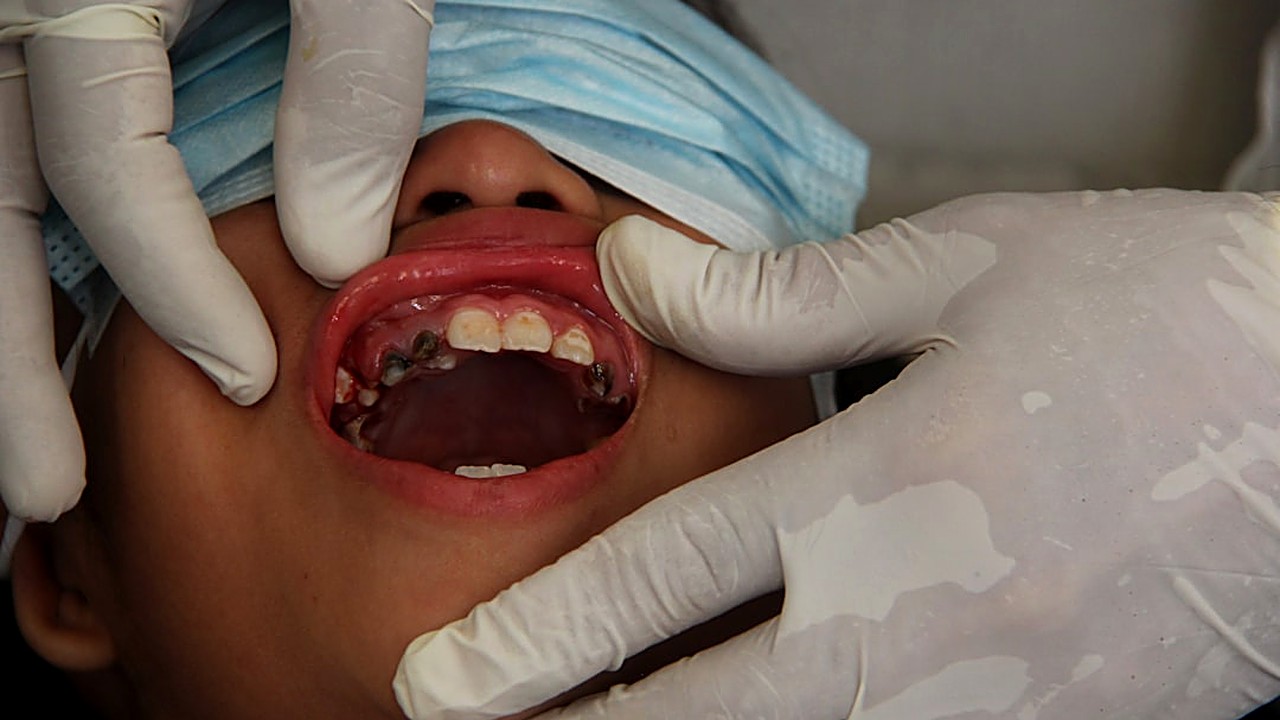 How to stop gums bleeding when you floss every day: gentle ways to fix it →
 Natural Ways to Strengthen Loose Teeth from Gum Disease →
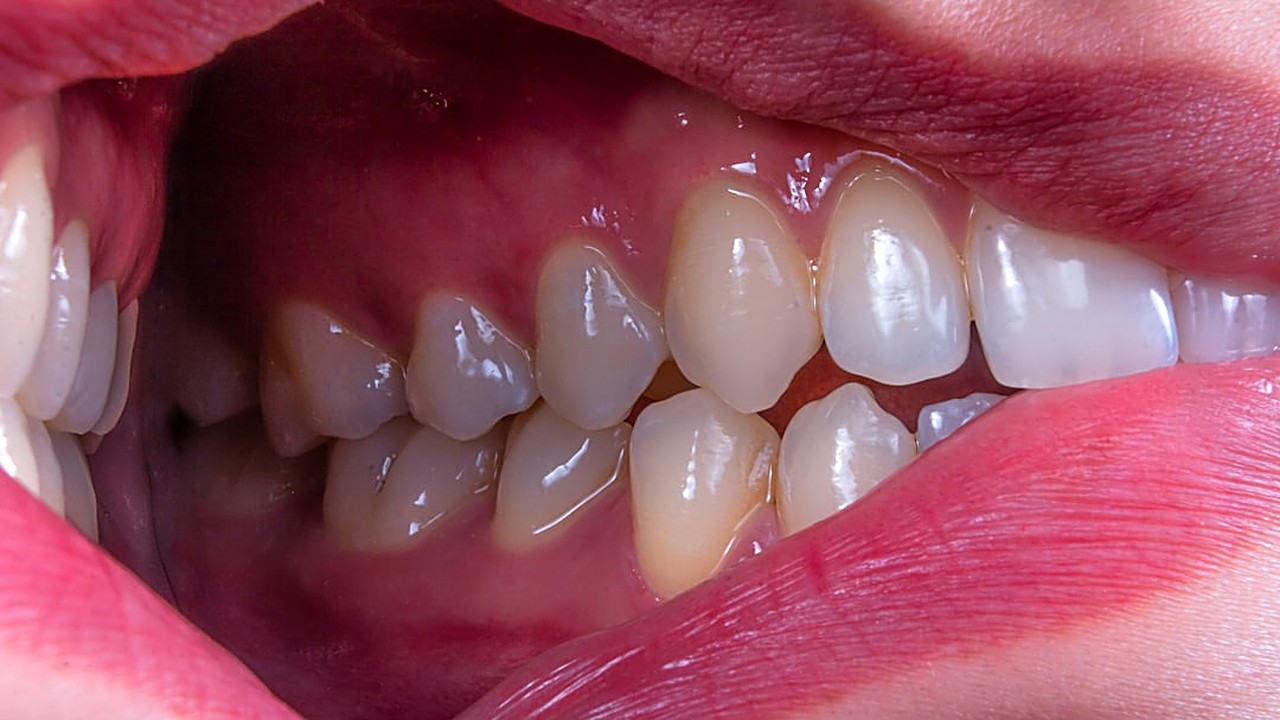 Why Gums Bleed When You Brush Too Hard and How to Stop It →
Gingivitis is the first stage of gum disease. It usually starts when plaque, a sticky film of bacteria, builds up along the gum line. If you notice red, swollen, or bleeding gums when you brush, your body is sending a warning signal. The good news is that this stage is often reversible. You do not always need a high-cost procedure if you catch it early.
I remember the first time I noticed my gums bleeding during a routine morning brush. It was a wake-up call. I realized my technique was rushed and inconsistent. By slowing down and focusing on the gum line, I saw a major change in just ten days. Consistency is your best tool for gum health.
Simple health wins in your inbox. No hype.
The Power of Proper Brushing
Affiliate link. We may earn a commission on purchases, at no extra cost to you.
This content is informational and is not a substitute for medical advice. Supplements do not cure or treat diseases.
Most people brush their teeth, but few brush their gums correctly. You should hold your toothbrush at a 45-degree angle toward the gum line. Use short, gentle strokes rather than scrubbing hard. Harsh scrubbing can actually damage delicate gum tissue and make inflammation worse.
Choose a soft-bristled brush. Hard bristles are often too aggressive for sensitive gums. Replace your brush every three months or sooner if the bristles look frayed. A worn-out brush cannot clean effectively, leaving behind the bacteria that cause irritation. Aim to brush for at least two full minutes, covering every surface of every tooth.
Flossing: The Missing Link
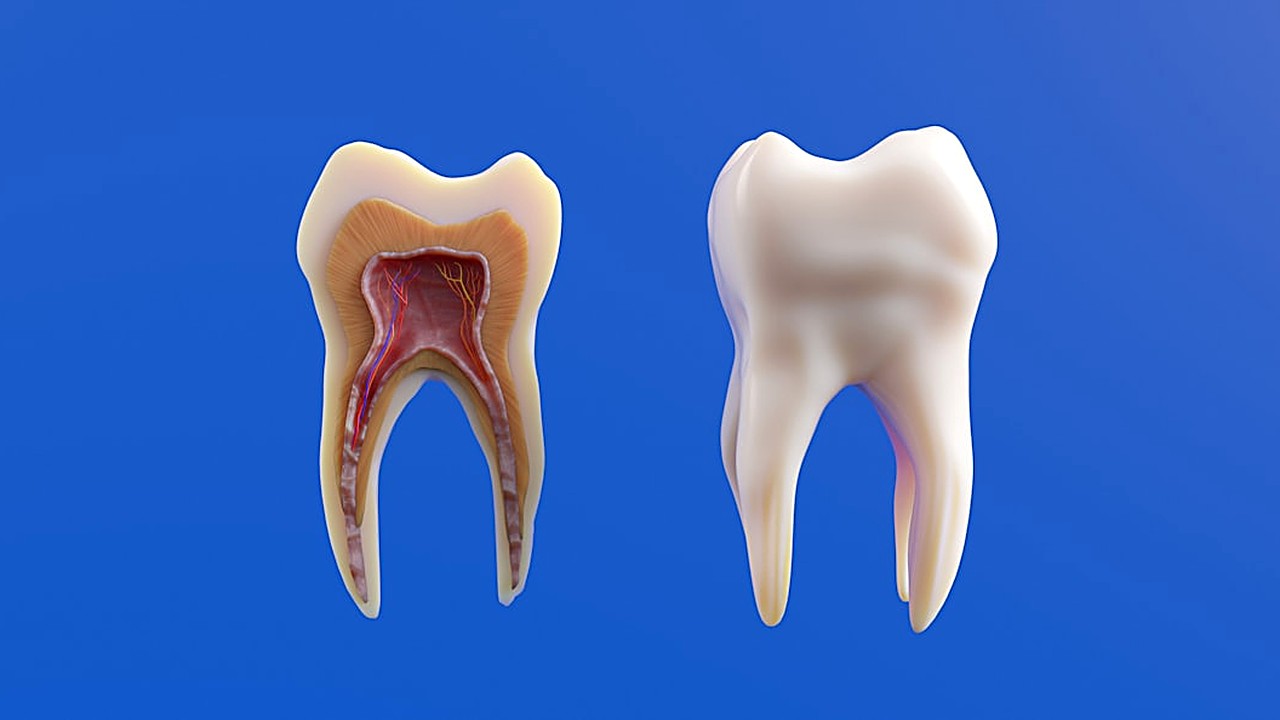 Natural Ways to Fix Gums Pulling Away from Teeth Safely →
 Best Foods for Healthy Gums and Teeth Daily →
 Simple Ways to Ease Gum Pain from Hot or Cold Foods →
Many people skip flossing because it feels like a chore. However, your toothbrush cannot reach the tight spaces between your teeth. This is where plaque hides and hardens into tartar. When you floss, you remove the bacteria that your brush misses. If you find traditional string floss difficult, try interdental brushes or water flossers.
Start by gently sliding the floss between your teeth. Curve it into a 'C' shape against the side of each tooth. Move it up and down, making sure to go slightly below the gum line. Do not snap the floss into your gums, as this can cause small cuts. If your gums bleed at first, keep going. Usually, the bleeding stops once the area becomes cleaner and healthier.
Lifestyle Habits That Protect Gums
Your mouth is part of your whole body. What you eat and how you live affects your oral health. Sugar feeds the bacteria that cause plaque, so reducing sugary snacks can lower your risk of inflammation. Drinking plenty of water helps wash away food particles and keeps your mouth hydrated.
Smoking is a major enemy of gum health. It restricts blood flow to the gums, making it harder for them to heal. If you smoke, quitting is the single best thing you can do for your mouth. Also, manage your stress levels. High stress can weaken your immune system, making it harder for your body to fight off the bacteria in your mouth.
When to Seek Professional Help
While home care is effective for early signs, it has limits. If you have persistent bad breath, loose teeth, or gums that pull away from your teeth, these are signs of advanced disease. Home remedies cannot fix deep pockets of infection or hardened tartar. Always listen to your body. If your symptoms do not improve after two weeks of better habits, schedule a visit with a dentist. This article is for general information only and is not medical or dental advice. Talk to a healthcare or dental professional about your situation.
Frequently asked questions
Can salt water rinses help my gums?
Yes, a warm salt water rinse can help soothe inflammation and kill some surface bacteria. Mix half a teaspoon of salt in a cup of warm water and swish gently for 30 seconds.
Why do my gums bleed when I floss?
Bleeding is usually a sign of inflammation caused by plaque buildup. If you are consistent with flossing, the bleeding typically stops within a week or two as the gums become healthier.
How long does it take to reverse early gingivitis?
With consistent and correct oral hygiene, many people notice a significant improvement in gum color and reduced bleeding within 10 to 14 days.
Is an electric toothbrush better for gingivitis?
Many studies suggest that electric toothbrushes are more effective at removing plaque than manual ones. They often have timers to ensure you brush for the full two minutes.
*This article is for general information only and is not medical or dental advice. Talk to a healthcare or dental professional about your situation.*
Simple health wins in your inbox. No hype.
Educational content, not medical advice. Talk to your doctor before making health decisions.