How to stop gums bleeding when you floss every day: gentle ways to fix it
Quick answer: Gums may bleed when you floss because they are inflamed or too sensitive. Use a soft brush, floss gently, and clean daily. If bleeding continues after a week, see your dentist to check for gum disease or other issues.↗ Share on X
Why your gums bleed when you floss — and it’s not normal
 Natural Ways to Strengthen Loose Teeth from Gum Disease →
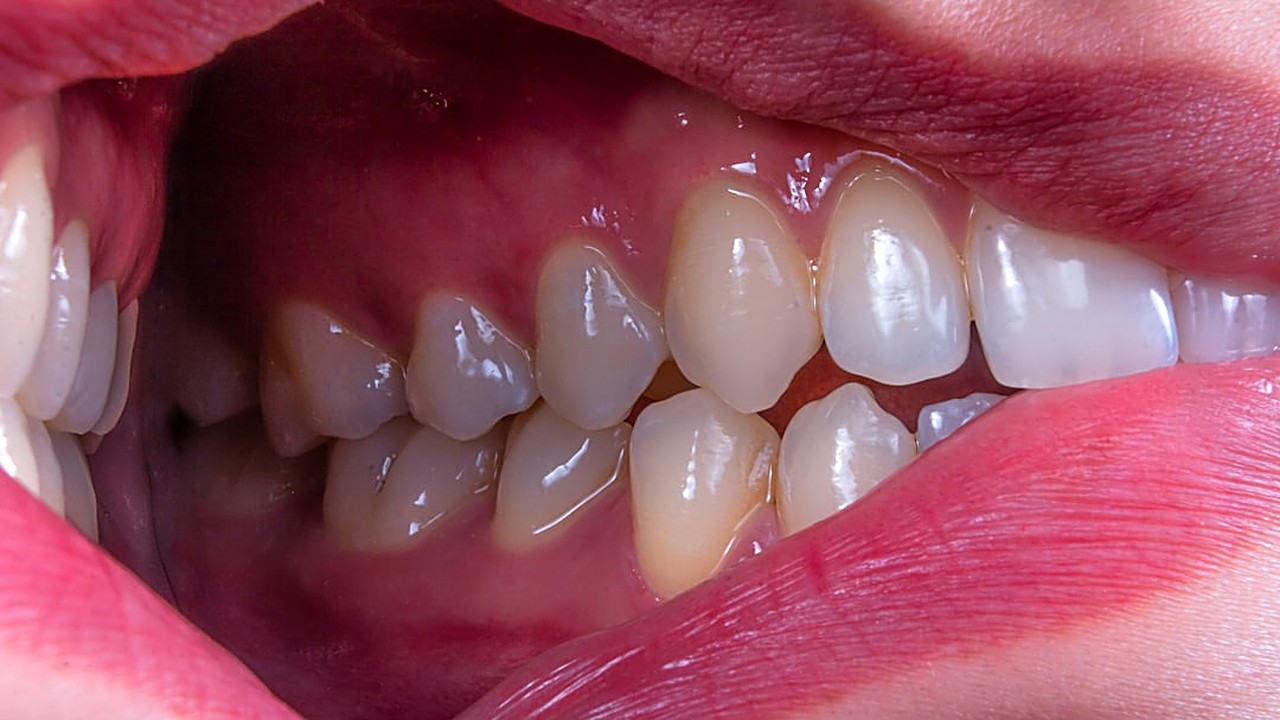 Why Gums Bleed When You Brush Too Hard and How to Stop It →
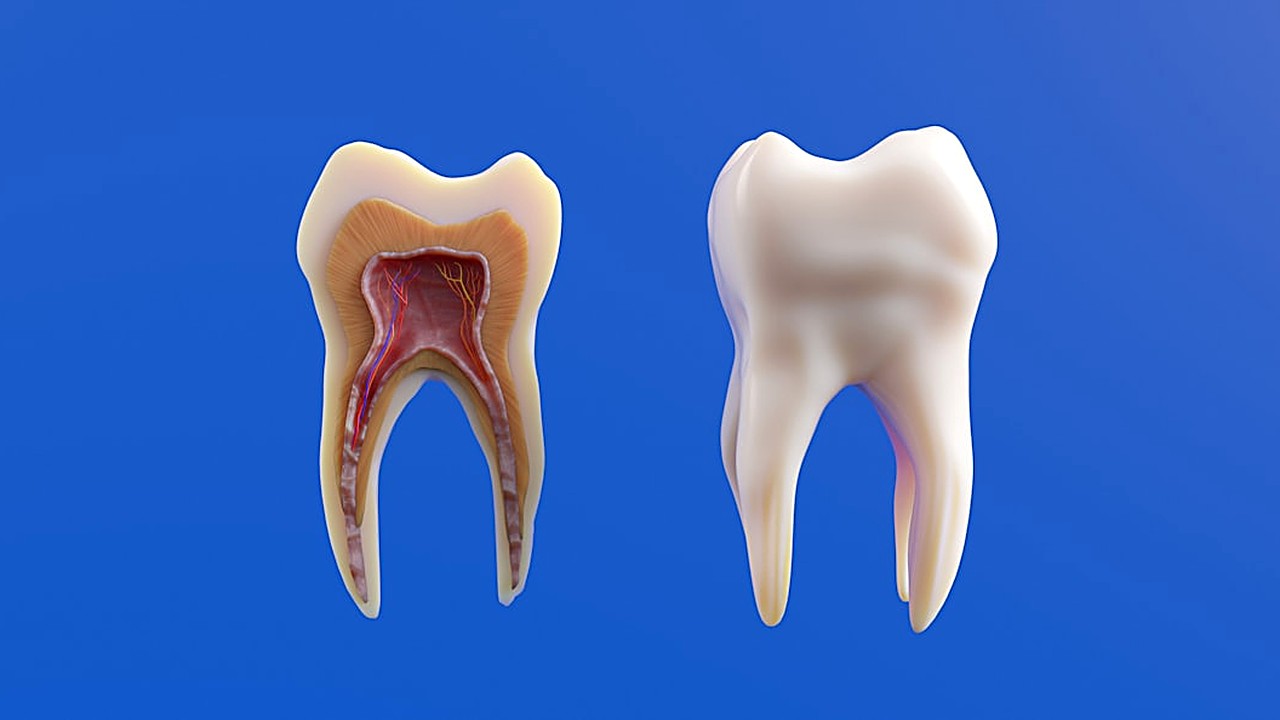 Natural Ways to Fix Gums Pulling Away from Teeth Safely →
You floss every day. Yet your gums still bleed. This is not a sign of strong cleaning. It usually means your gums are irritated or unhealthy.
Healthy gums do not bleed when you floss. If they do, it could be a small problem now — or a sign of something bigger later. The good news: you can often fix it at home with the right steps.
Common causes of bleeding gums during flossing
- Gingivitis: This is early gum disease. Plaque builds up along the gum line. It makes gums red, swollen, and easy to bleed.
- Brushing too hard: A stiff toothbrush or hard scrubbing can hurt gums. It makes them bleed when you floss.
- Not flossing correctly: Snapping floss between teeth can cut gums. Gentle sliding is safer.
- Vitamin shortages: Low vitamin C or K can weaken gums. They become more likely to bleed.
- Medications: Blood thinners like warfarin can increase bleeding. Check with your doctor if this applies to you.
- Hormonal changes: Pregnancy, menopause, or monthly cycles can make gums more sensitive.
I once met a woman who flossed every night but still saw blood. She used a medium brush and scrubbed hard. After switching to a soft brush and gentle flossing, her gums stopped bleeding in two weeks. Small changes made a big difference.
Simple health wins in your inbox. No hype.
How to floss without hurting your gums
Affiliate link. We may earn a commission on purchases, at no extra cost to you.
This content is informational and is not a substitute for medical advice. Supplements do not cure or treat diseases.
Flossing should feel gentle, not painful. If it hurts, you’re doing it wrong.
Step 1: Pick the right floss
- Use waxed floss or water flosser if your gums are sensitive.
- Avoid thick, unwaxed floss. It can cut gums like a knife.
- If you have braces or bridges, use floss threaders or super floss.
Step 2: Use the correct flossing motion
1. Take about 18 inches of floss. Wrap most around your middle fingers.
2. Hold it tight between thumbs and index fingers.
3. Slide gently between teeth. Do not snap.
4. Curve the floss into a C shape around each tooth.
5. Slide up and down gently, cleaning under the gum line.
6. Use a clean section of floss for each tooth.
Never force the floss. If it gets stuck, move it back and forth gently until it slides through.
Step 3: Rinse after flossing
Rinse your mouth with warm salt water or an alcohol-free mouthwash. This removes loose debris and soothes gums.
I remember a man who flossed hard to “get it clean.” His gums bled every time. After learning gentle flossing, he rinsed with salt water. In one week, the bleeding stopped completely.
Choose the right toothbrush to protect your gums
 Best Foods for Healthy Gums and Teeth Daily →
 Simple Ways to Ease Gum Pain from Hot or Cold Foods →
 Why Your Gums Bleed When You Floss and How to Fix It →
A hard toothbrush does not clean better. It hurts gums and makes them bleed.
Soft bristles are best
- Use a soft-bristled toothbrush. It cleans well without damaging gums.
- Replace your brush every 3 to 4 months. Worn bristles hurt more than help.
- Electric toothbrushes with soft heads can also work well. They clean gently with less effort.
Brush gently and correctly
- Hold your brush at a 45-degree angle to your gums.
- Use small circles or gentle back-and-forth strokes.
- Do not press hard. Let the brush do the work.
- Brush for two minutes, twice a day.
Many people brush too fast or too hard. They think more pressure means cleaner teeth. But gums are delicate. Treat them with care.
Add mouthwash and salt water rinses to calm gums
Mouthwash can help reduce inflammation. Salt water is a natural cleaner.
How to use salt water rinse
1. Mix ½ teaspoon of salt in a cup of warm water.
2. Swish gently for 30 seconds.
3. Spit out. Do not swallow.
4. Do this once or twice a day.
Salt water reduces swelling and kills some bacteria. It’s safe and cheap.
Choose the right mouthwash
- Use an alcohol-free mouthwash with fluoride or natural ingredients like aloe vera.
- Avoid strong, minty mouthwashes. They can burn sensitive gums.
- Look for rinses with cetylpyridinium chloride or chlorhexidine if recommended by your dentist.
Rinsing after flossing helps remove leftover plaque. It keeps gums calm and clean.
Fix your diet to strengthen gums from inside
What you eat affects your gums. Strong gums need the right nutrients.
Foods to eat more of
- Vitamin C: Oranges, strawberries, bell peppers, broccoli. Helps heal gums and fight infection.
- Vitamin K: Leafy greens like spinach, kale. Helps blood clot and heal wounds.
- Omega-3s: Fatty fish, walnuts, chia seeds. Reduce gum inflammation.
- Calcium: Dairy, almonds, fortified plant milks. Strengthens teeth and jawbone.
Foods to avoid or limit
- Sugary snacks and drinks feed harmful bacteria.
- Sticky candies cling to teeth and gums.
- Acidic foods like citrus or soda can irritate gums if eaten too often.
A balanced diet supports gum health. Small changes in food can make a big difference over time.
When to see a dentist — and what they will check
If your gums still bleed after two weeks of gentle care, see your dentist.
What your dentist may do
- Check for plaque and tartar buildup.
- Look for pockets between teeth and gums (sign of gum disease).
- Test for vitamin deficiencies or diabetes if bleeding is severe.
- Recommend a deep cleaning (scaling and root planing) if gingivitis is present.
I once flossed gently and ate more greens for a month. Bleeding stopped. But if bleeding continues, don’t wait. Early gum disease is easier to treat.
Simple daily routine to stop gum bleeding
Here’s a gentle routine you can follow every day:
1. Morning: Brush with a soft brush for two minutes. Rinse with water.
2. After lunch: Rinse mouth with water or alcohol-free mouthwash.
3. Evening: Floss gently using the C-shape method. Rinse with salt water.
4. Before bed: Brush again gently. Avoid eating after brushing.
Add a vitamin-rich snack in the afternoon. Drink water all day to keep gums hydrated.
This routine keeps plaque low. It gives gums time to heal and strengthen.
Common mistakes that make gums bleed more
Some habits seem helpful but actually hurt gums.
- Skipping flossing for days then overdoing it: This irritates gums. Floss daily, gently.
- Using toothpicks aggressively: They can cut gums and push bacteria deeper.
- Ignoring bad breath or taste: These can mean hidden plaque or infection.
- Smoking or vaping: They reduce blood flow to gums. Healing becomes harder.
Small habits add up. Changing them can reduce bleeding fast.
Natural remedies that may help calm gums
Some people find relief with natural options. Always check with your dentist first.
- Aloe vera gel: Apply a small amount to gums after brushing. It soothes and fights bacteria.
- Green tea: Drink unsweetened green tea. It has antioxidants that reduce inflammation.
- Clove oil: Dilute with coconut oil and apply to sore spots. It numbs pain and fights germs.
These remedies are not cures. They can help calm irritation while you improve your routine.
What to expect as your gums get healthier
When you start gentle flossing and better care, your gums may bleed less in a few days. They may feel tender at first. This is normal. Healthy gums should not bleed after two weeks of consistent gentle care.
If bleeding continues beyond that, see your dentist. It could mean deeper gum disease or another issue.
Remember: healing takes time. Be patient. Your gums will thank you.
This article is for general information only and is not medical or dental advice. Talk to a healthcare or dental professional about your situation.
Frequently asked questions
Why do my gums bleed even when I floss every day?
Bleeding gums during flossing usually mean your gums are inflamed or irritated. This can be from plaque buildup, brushing too hard, or not flossing correctly. Sometimes it’s due to vitamin shortages or medications. If bleeding continues after two weeks of gentle care, see your dentist to check for gum disease.
Is it okay to floss if my gums bleed?
Yes, but do it gently. Bleeding means your gums need care, not that you should stop. Use soft floss and the C-shape motion. If bleeding is heavy or lasts more than a week, talk to your dentist.
What kind of toothbrush should I use if my gums bleed?
Always use a soft-bristled toothbrush. Hard bristles can damage gums and make bleeding worse. Replace your brush every 3 to 4 months, or sooner if bristles fray.
Can diet changes really help stop gum bleeding?
Yes, in many cases. Foods rich in vitamin C, vitamin K, and omega-3s help heal and strengthen gums. Eating more leafy greens, citrus fruits, and fatty fish may reduce bleeding over time.
How long does it take for gums to stop bleeding after changing my routine?
With gentle flossing, soft brushing, and good rinsing, bleeding often decreases in 3 to 7 days. Healthy gums should not bleed after two weeks of consistent gentle care. If bleeding continues, see your dentist.
*This article is for general information only and is not medical or dental advice. Talk to a healthcare or dental professional about your situation.*
Simple health wins in your inbox. No hype.
Educational content, not medical advice. Talk to your doctor before making health decisions.