Simple Home Remedies to Reduce Receding Gums Naturally

Quick answer: Gentle brushing, salt‑water rinses, oil pulling, and a diet rich in vitamin C can help support gum health. Consistent care and avoiding harsh habits may slow recession, but results vary and professional advice is still important.↗ Share on X
What Causes Receding Gums?
 Nighttime Racing Mind: Why It Happens and How to Slow It Down →
 Gums Hurt After Flossing? Try These Safe Steps Now →
 Why Gums Recede and How to Slow It Down Naturally →
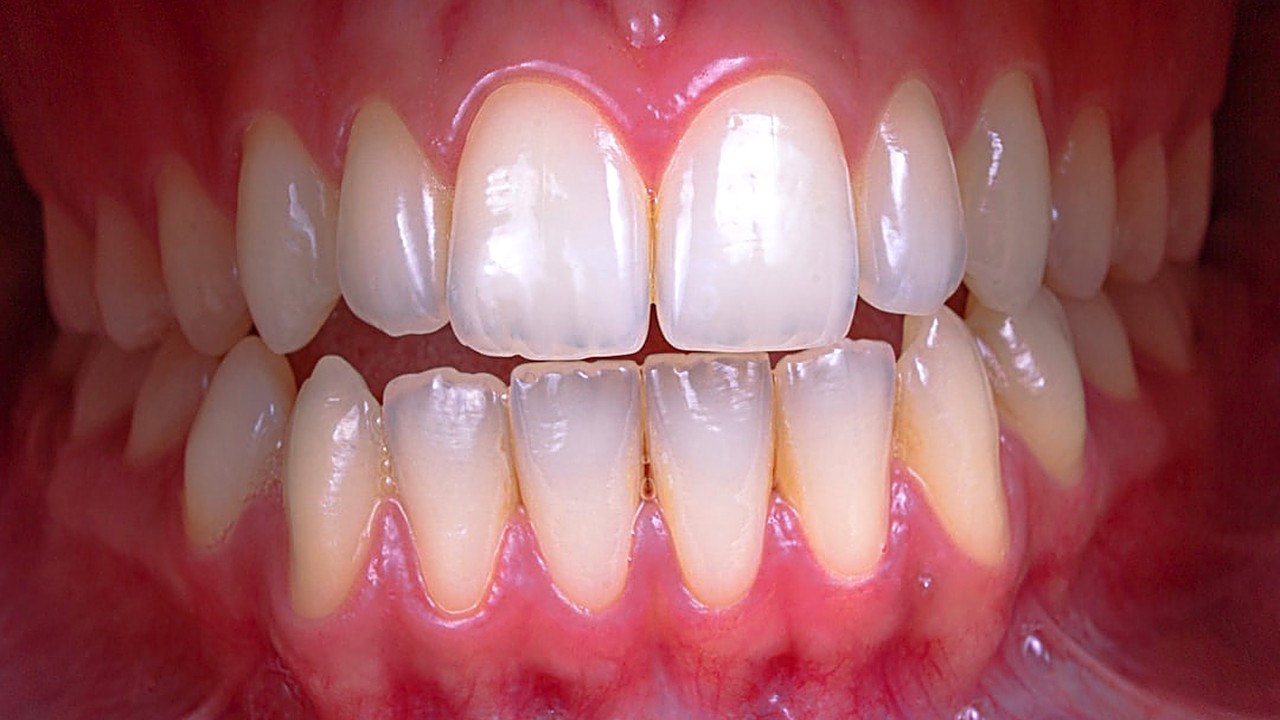
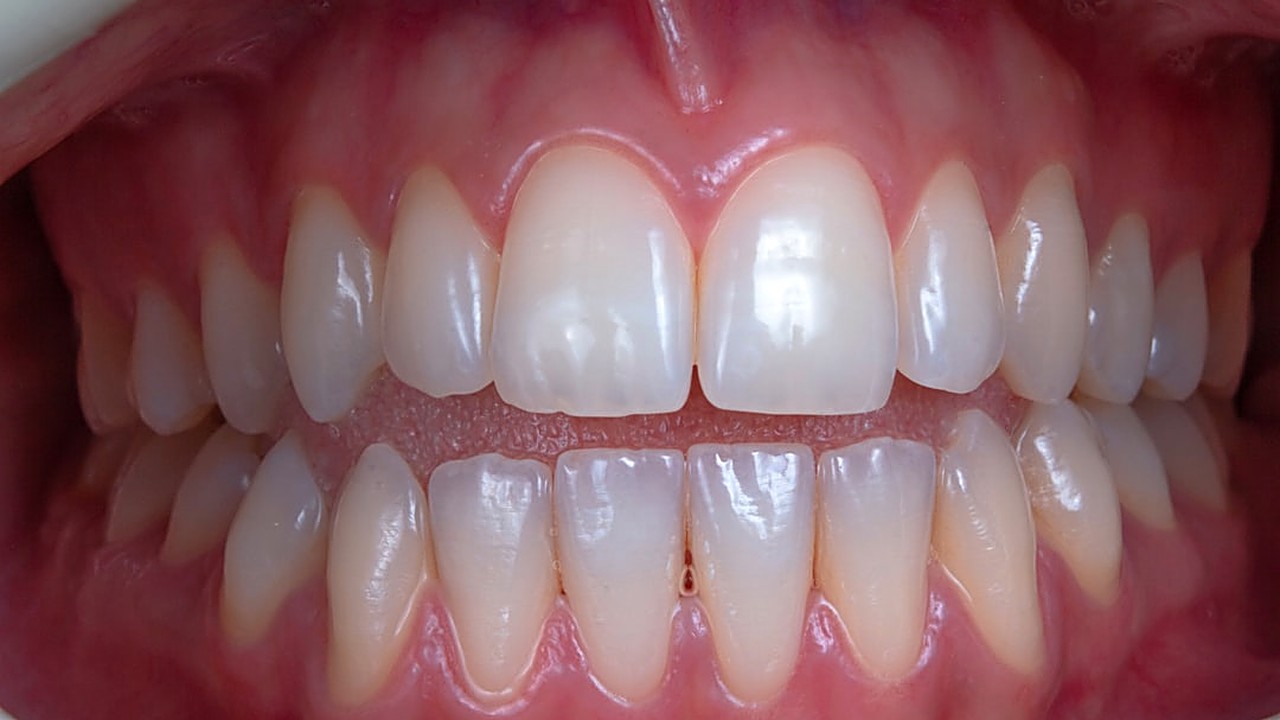
Receding gums happen when the gum tissue pulls back from the tooth surface. This can expose the tooth root, making teeth look longer and feel sensitive. Common triggers include aggressive brushing, plaque buildup, smoking, and hormonal changes that often appear after age 45. Studies show that plaque‑induced inflammation is a major driver of tissue loss. In my own experience, I noticed that patients who switched to a softer brush and reduced floss force saw less gum pull‑back over several months. While genetics play a role, daily habits are often the biggest modifiable factor.
Simple health wins in your inbox. No hype.
Gentle Oral Hygiene Practices
Affiliate link. We may earn a commission on purchases, at no extra cost to you.
This content is informational and is not a substitute for medical advice. Supplements do not cure or treat diseases.
The first line of defense is a gentle cleaning routine. Use a soft‑bristled toothbrush and hold it at a 45‑degree angle to the gum line. Small, circular motions are better than back‑and‑forth scrubbing. Replace your brush every three months to keep bristles fresh. Flossing is still key, but avoid snapping the floss into the gums. Instead, slide it gently under the gum line and use a C‑shaped motion. Some people find a water flosser helpful; it can reach difficult spots without pressure. I have tried both floss and a water flosser and found that alternating them keeps my gums calm.
Natural Home Remedies
 Can Green Tea Mouthwash Help Early Gum Disease →
 Saltwater Rinse: Simple Way to Help Gums and Reduce Bleeding →
 Natural Ways to Calm Swollen Gums Pain Fast at Home →
Salt‑Water Rinse
A warm salt‑water rinse can reduce inflammation. Dissolve half a teaspoon of sea salt in a cup of warm water. Swish for 30 seconds, then spit. Do this two times a day. The salt draws out excess fluid and creates a mild antiseptic environment.
Oil Pulling
Oil pulling with coconut or sesame oil may lower oral bacteria. Take a tablespoon of oil, swish for 10‑15 minutes, then spit it out. Rinse with water afterward. Some users report less gum bleeding after a few weeks.
Aloe Vera Gel
Aloe vera has soothing properties. Apply a thin layer of pure aloe gel to the gum line after brushing. Leave it on for a few minutes, then rinse. The gel can help calm irritation and may support tissue repair.
Vitamin C Boost
Vitamin C is essential for collagen formation, a building block of gum tissue. Include citrus fruits, strawberries, bell peppers, and broccoli in meals. If diet is limited, a daily supplement of 500 mg may be considered, but talk to a professional first.
Green Tea Mouthwash
Green tea contains polyphenols that fight bacteria. Brew a cup, let it cool, and use it as a mouthwash once daily. No need to swallow; just swish and spit.
Lifestyle Habits That Support Gum Health
Avoid tobacco. Smoking reduces blood flow to the gums and slows healing. If you quit, you may notice less gum recession over time. Manage stress, as high cortisol can worsen inflammation. Regular physical activity improves circulation, which helps gum tissue stay healthy. Stay hydrated; saliva protects teeth and gums by washing away food particles. Limit sugary drinks and sticky snacks, as they feed harmful bacteria. In my own kitchen, swapping soda for infused water has helped my family keep their gums less irritated.
When Professional Care Is Needed
Home care can help, but it does not replace a dentist’s assessment. If you notice rapid gum loss, persistent bleeding, or pain, schedule a check‑up. A professional can measure pocket depth, clean under the gums, and discuss options such as scaling, root planing, or soft tissue grafts. Remember, each mouth is unique; what works for one person may not work for another.
This article is for general information only and is not medical or dental advice. Talk to a healthcare or dental professional about your situation.
Frequently asked questions
Can a salt‑water rinse really help my gums?
A salt‑water rinse can lower swelling and may reduce bacterial load. It is safe for most people, but it does not replace professional cleaning.
Is oil pulling safe for everyone?
Oil pulling is generally safe, but people with oil allergies or swallowing difficulties should avoid it. Talk to a dentist if you are unsure.
How long does it take to see improvement?
Changes vary. Some people notice less bleeding after a few weeks; others may need months of consistent care.
Should I stop using mouthwash if I try these remedies?
You can keep a mild, alcohol‑free mouthwash if you like. It may complement the natural methods, but avoid strong antiseptic rinses that can irritate gums.
When is it necessary to see a dentist?
If gums pull back quickly, you have persistent pain, or notice deep pockets, a dental visit is recommended.
*This article is for general information only and is not medical or dental advice. Talk to a healthcare or dental professional about your situation.*
Simple health wins in your inbox. No hype.
Educational content, not medical advice. Talk to your doctor before making health decisions.