How to Gently Brush Gums Without Pain or Bleeding
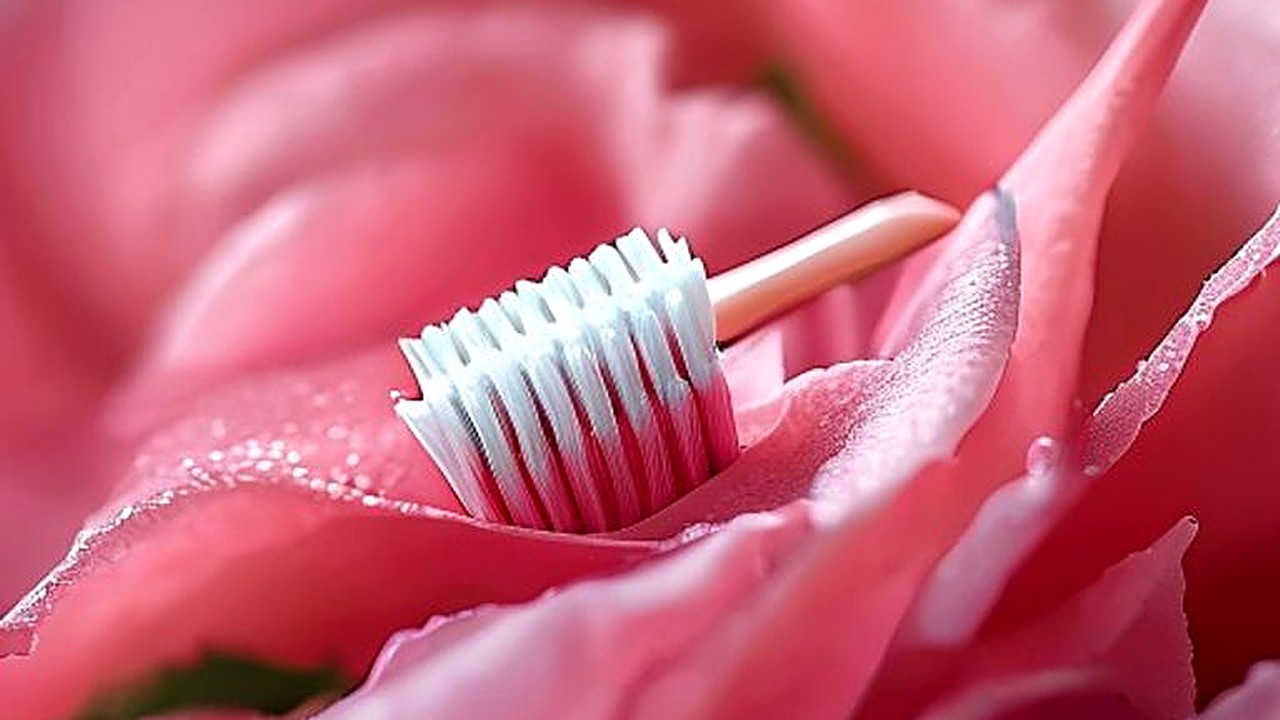
Quick answer: Use a soft‑bristled toothbrush, hold it at a 45° angle, and move with light, short strokes. Start with the outer gum line, then the inner side. Rinse gently, and finish with a soft floss or water pick if needed. Keep pressure low to avoid pain.↗ Share on X
Why Gentle Gum Brushing Matters
 Mouth breathing harms gums: signs and fixes to try now →
 Stop Gum Bleeding from Mouthwash with These Steps →
 When Should You See a Dentist for Bleeding Gums? →
Many people notice a small amount of blood when they brush, especially after a few weeks of new habits. This can be a sign that the gums are being irritated. Gentle brushing helps protect the delicate tissue that holds teeth in place. It also reduces the chance of gum recession, which can lead to sensitivity and longer‑term problems. When you brush softly, you keep the blood flow steady and allow the gums to heal naturally. I have watched several readers improve their comfort simply by slowing down and using a softer brush. The goal is not to scrub hard, but to clean the surface and remove plaque without causing trauma.
Simple health wins in your inbox. No hype.
Soft Toothbrush and Toothpaste
Affiliate link. We may earn a commission on purchases, at no extra cost to you.
This content is informational and is not a substitute for medical advice. Supplements do not cure or treat diseases.
The first tool in a gentle routine is the toothbrush itself. Look for a brush labeled "soft" or "extra soft" with rounded bristle tips. These brushes bend under light pressure, which protects the gum line. A head that is small enough to reach the back teeth makes it easier to angle the brush correctly. Toothpaste should be low‑abrasive; a fluoride paste without harsh whitening agents works well. Some people add a tiny amount of baking soda for extra cleaning, but this should be done sparingly to avoid extra grit. Replace the brush every three months, or sooner if the bristles become frayed. A fresh brush keeps the motion smooth and reduces the chance of catching on gum tissue.
How to Hold and Move the Brush
 Simple Lifestyle Changes to Help Stop Gum Bleeding Naturally →
 How Vitamin C Deficiency Affects Gum Health and Ways to Improve It →
 How Smoking Affects Gum Health and Whether Quitting Can Reverse Damage →
Hold the brush like a pencil, not a hammer. Position the bristles at a 45° angle toward the gum line. This angle allows the bristles to sweep along the gum edge rather than push straight into it. Use short, gentle strokes—think of a light tapping motion rather than a long sweep. Start on the outer side of the teeth, moving from back to front. Then turn the brush to clean the inner side, using the same short strokes. Finish with the chewing surfaces, using a gentle back‑and‑forth motion. Keep the pressure so light that the brush feels like a feather on the gums. If you feel any tugging, reduce the force immediately. In my own routine, I set a timer for two minutes and pause halfway to check my grip, which helps keep the pressure consistent.
When to Use Floss, Interdental Brushes, or Water Pick
Brushing alone does not reach every pocket between teeth. After you finish brushing, a soft floss or an interdental brush can clean the spaces without pulling on the gums. Choose a floss that slides easily and does not shred. If floss feels too harsh, a water pick set on low pressure can rinse away food particles gently. Use these tools once a day, preferably after brushing, to avoid over‑working the gums. The combination of gentle brushing and careful flossing creates a balanced cleaning routine that protects the gum tissue while removing plaque.
Mistakes to Avoid
Common errors include using a hard brush, pressing too hard, and brushing for too long. A hard brush can cut tiny fibers from the gum, leading to bleeding. Pressing hard often feels like you are doing a better job, but it actually pushes plaque deeper into the gum pocket. Brushing for more than three minutes can also irritate the tissue. Another mistake is skipping the angle; brushing straight on the gum line can cause a scraping sensation. To fix these habits, switch to a softer brush, count your strokes, and keep the angle steady. If you notice persistent bleeding, pause the routine and talk to a professional.
Creating a Consistent Habit
A gentle routine works best when it becomes a daily habit. Choose a time of day when you are not rushed—morning after breakfast or evening before bed are common choices. Keep your toothbrush in a visible spot to remind you. Some people use a small sticky note on the mirror that says "soft brush only." Over time, the brain learns to associate the act with a calm, gentle motion. Tracking your progress in a simple journal can also help; note any days when you felt discomfort and adjust the pressure accordingly. Remember, consistency beats intensity. A short, gentle brush twice a day is more effective than a long, aggressive session once a week.
This article is for general information only and is not medical or dental advice. Talk to a healthcare or dental professional about your situation.
Frequently asked questions
What type of toothbrush is best for sensitive gums?
A soft‑bristled or ultra‑soft brush with rounded tips is usually recommended. These brushes bend easily and cause less irritation when you brush gently.
How often should I brush my gums?
Most people brush twice a day, but the exact frequency can depend on personal comfort and any guidance from a dentist. Gentle brushing each time is key.
Can mouthwash help reduce gum bleeding?
Some mouthwashes contain soothing ingredients that may help calm gums, but they do not replace the need for a gentle brushing technique.
When should I see a dentist about bleeding gums?
If bleeding continues for more than a week, or if you notice swelling, pain, or loose teeth, it is wise to schedule a professional check‑up.
Is it okay to use a hard‑plastic brush if I am careful?
Hard brushes can damage gum tissue even with light pressure, so they are generally not advised for gentle care.
*This article is for general information only and is not medical or dental advice. Talk to a healthcare or dental professional about your situation.*
Simple health wins in your inbox. No hype.
Educational content, not medical advice. Talk to your doctor before making health decisions.