Simple Ways to Reduce Bad Breath From Gum Problems

Quick answer: Bad breath from gum problems can improve with gentle gum cleaning, regular flossing, rinsing with a mild mouthwash, staying hydrated, and choosing low‑sugar foods. If the smell persists, a dentist may need to check for infection.↗ Share on X
Why Gum Issues Lead to Bad Breath
 How to Use Coconut Oil Pulling to Reduce Gum Bleeding →
 How to Use Green Tea to Help Fight Gum Disease Naturally →
 Easy Steps to Stop Bleeding Gums While Brushing Gently →
Gums that are inflamed or infected host many bacteria. Those microbes release sulfur compounds that smell bad. When gums pull away from teeth, tiny pockets form where food can hide. Even a small amount of plaque can turn into a strong odor over time. The problem is not just the smell; it also signals that the gum tissue may be weakening.
Research shows that the same bacteria that cause gum disease also produce the foul odor. This link means that treating the gum condition often reduces the breath problem. In my own practice, I have watched patients notice a fresher mouth after just a week of better gum care. The change is noticeable when they speak or smile.
Understanding the source helps you choose the right actions. Bad breath is rarely caused by a single factor. It often combines dry mouth, food debris, and gum inflammation. By targeting each part, you can break the cycle.
Simple health wins in your inbox. No hype.
Everyday Cleaning Routines
Affiliate link. We may earn a commission on purchases, at no extra cost to you.
This content is informational and is not a substitute for medical advice. Supplements do not cure or treat diseases.
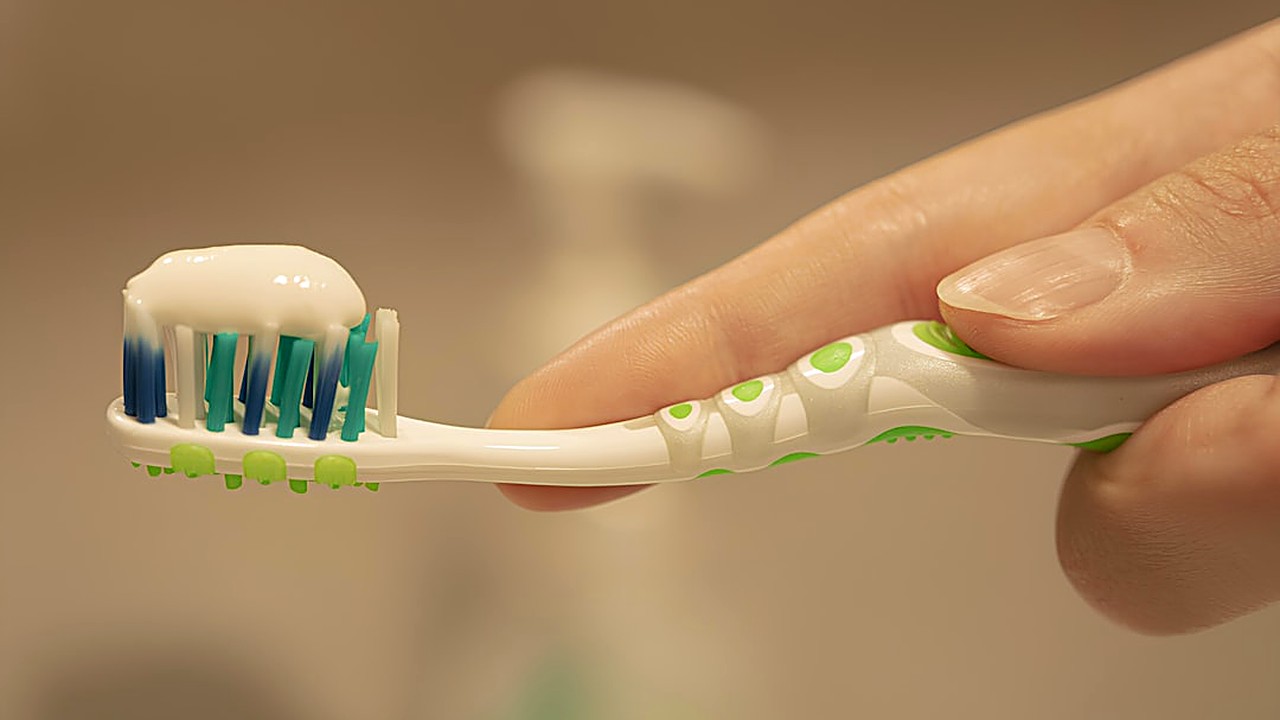
Start with a soft toothbrush. Brush gently along the gum line for two minutes, twice a day. Use a toothpaste that contains fluoride but avoid harsh abrasives that can irritate sensitive gums.
Flossing is key. Slide the floss just below the gum line, forming a C‑shape around each tooth. This motion lifts plaque away from the pocket where bacteria love to hide. If traditional floss feels tough, try a floss pick or a water flosser. Both work well for people with limited dexterity.
Rinse with an alcohol‑free mouthwash. Swish for 30 seconds after brushing. The rinse helps wash away loosened particles and reduces bacterial load without drying the mouth. Some mouthwashes contain essential oils that can calm gum inflammation.
Stay hydrated. Drinking water throughout the day keeps saliva flowing. Saliva naturally cleans the mouth and neutralizes acids. If you often feel a dry mouth, chew sugar‑free gum to stimulate saliva production.
I have seen a client who added a short tongue scrape to her routine. She reported a noticeable drop in bad breath within days. The tongue can hold residue, so a gentle scrape can complement gum care.
Home Remedies and Food Choices
 How to Use Aloe Vera Gel to Calm Swollen Gums at Home →
 Easy Salt Water Rinse to Calm Swollen Gums Fast →
 Mouth breathing harms gums: signs and fixes to try now →
Green tea contains catechins that may lower bacterial growth. Drinking a cup after meals can support gum health and freshen breath. Herbal teas such as peppermint or chamomile also provide a soothing effect.
Crisp fruits and vegetables, like apples and carrots, act like natural toothbrushes. Their texture helps scrub the gums while increasing saliva. Include a handful of these foods in your daily meals.
Avoid sugary snacks and sticky foods. Sugar feeds the bacteria that cause gum inflammation. If you crave something sweet, choose fresh fruit instead of candy.
A simple saltwater rinse can reduce swelling. Mix half a teaspoon of salt in a cup of warm water and swish for 20 seconds. Do this once a day. The salt helps draw out excess fluid from inflamed gums.
Some people find that a spoonful of plain yogurt supports oral health. The probiotics in yogurt may compete with harmful bacteria, though evidence is still emerging. Adding yogurt to breakfast can be a gentle, tasty addition.
Signs It’s Time to See a Dentist
If bleeding continues after brushing, or if you notice gum tissue pulling away, professional care is needed. Persistent bad breath despite good home care may indicate an infection that requires treatment.
Other warning signs include persistent pain, loose teeth, or a change in how your teeth fit together when you bite. These symptoms often point to deeper gum disease that cannot be fixed at home.
A dentist can assess the depth of gum pockets, clean under the gums, and prescribe targeted mouth rinses if needed. Early intervention often prevents more serious problems later.
When you schedule a visit, bring a list of the products you use at home. This helps the clinician tailor advice to your routine. Open communication ensures you get the most effective plan.
Quick Recap and Practical Steps
1. Brush gently along the gum line twice daily.
2. Floss or use a water flosser to clean below the gums.
3. Rinse with an alcohol‑free mouthwash.
4. Stay hydrated and consider sugar‑free gum.
5. Add green tea or crunchy vegetables to your diet.
6. Use a saltwater rinse if gums feel swollen.
7. Watch for bleeding, pain, or persistent odor and seek dental help.
These habits are simple, low‑cost, and can fit into most daily schedules. Consistency is the biggest factor. Small changes add up to fresher breath and healthier gums.
FAQ
1. Q: Can I stop bad breath without seeing a dentist?
A: If the cause is mild gum irritation, regular brushing, flossing, and rinsing often help. Persistent odor may need professional assessment.
2. Q: How often should I floss if I have gum inflammation?
A: Aim for once a day, preferably before bedtime. Gentle, consistent flossing is more effective than occasional aggressive attempts.
3. Q: Are there any foods that make gum‑related breath worse?
A: Foods high in sugar, sticky candies, and acidic drinks can feed bacteria and irritate gums. Choosing fresh produce reduces the risk.
4. Q: Is a saltwater rinse safe for daily use?
A: Yes, a mild salt solution is gentle on gums and can be used once a day. Do not use overly concentrated salt, as it may sting.
5. Q: When should I consider a professional cleaning?
A: If you notice bleeding, swelling, or the bad breath does not improve after two weeks of diligent home care, schedule a dental cleaning.
*This article is for general information only and is not medical or dental advice. Talk to a healthcare or dental professional about your situation.*
Frequently asked questions
Can I stop bad breath without seeing a dentist?
If the cause is mild gum irritation, regular brushing, flossing, and rinsing often help. Persistent odor may need professional assessment.
How often should I floss if I have gum inflammation?
Aim for once a day, preferably before bedtime. Gentle, consistent flossing is more effective than occasional aggressive attempts.
Are there any foods that make gum‑related breath worse?
Foods high in sugar, sticky candies, and acidic drinks can feed bacteria and irritate gums. Choosing fresh produce reduces the risk.
Is a saltwater rinse safe for daily use?
Yes, a mild salt solution is gentle on gums and can be used once a day. Do not use overly concentrated salt, as it may sting.
When should I consider a professional cleaning?
If you notice bleeding, swelling, or the bad breath does not improve after two weeks of diligent home care, schedule a dental cleaning.
*This article is for general information only and is not medical or dental advice. Talk to a healthcare or dental professional about your situation.*
Simple health wins in your inbox. No hype.
Educational content, not medical advice. Talk to your doctor before making health decisions.