Easy Salt Water Rinse to Calm Swollen Gums Fast
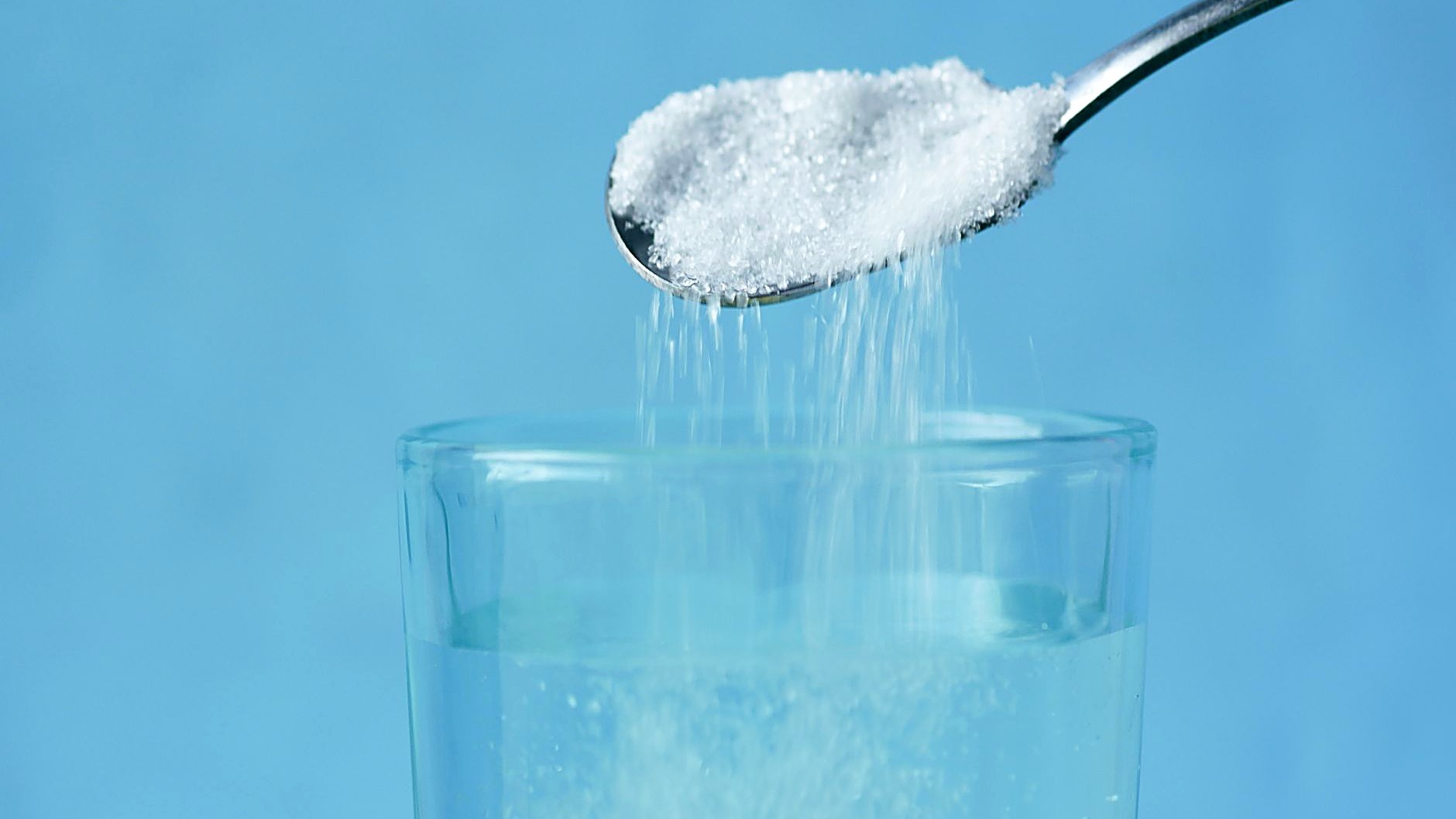
Quick answer: A warm salt water rinse can help reduce gum swelling in a few minutes. Mix about half a teaspoon of plain salt in a cup of warm water, swish gently for 30 seconds, then spit. Repeat two to three times a day until the gums feel calmer.↗ Share on X
What Causes Gum Swelling?
 Mouth breathing harms gums: signs and fixes to try now →
 Stop Gum Bleeding from Mouthwash with These Steps →
 When Should You See a Dentist for Bleeding Gums? →
Swollen gums are a common sign that the mouth is dealing with irritation or infection. Plaque buildup, aggressive brushing, or a minor injury can trigger the body’s natural inflammation response. When blood vessels expand, the tissue feels puffy, tender, and sometimes bleeds easily. In many cases, the swelling is mild and can be managed at home, but it may also be a warning that a deeper problem, such as gum disease, is developing.
A study of adult oral health found that more than half of people over forty experience occasional gum swelling. The same research noted that simple home care, like rinsing with salt water, often eases the discomfort within a short time. The key is to address the cause early, keep the area clean, and avoid habits that worsen irritation, such as smoking or using a hard‑bristled toothbrush.
Simple health wins in your inbox. No hype.
How Salt Water Works on Gums
Affiliate link. We may earn a commission on purchases, at no extra cost to you.
This content is informational and is not a substitute for medical advice. Supplements do not cure or treat diseases.
Salt (sodium chloride) has been used for centuries as a gentle antiseptic. When dissolved in warm water, it creates a solution that can draw excess fluid out of inflamed tissue – a process called osmosis. This helps the gums shrink back to their normal size. The salty environment also makes it harder for harmful bacteria to multiply, giving the mouth a brief but useful break from microbial attack.
Research on oral rinses shows that a concentration of about 0.9% salt (the same as normal body fluids) is safe for daily use. At this level, the solution does not irritate the delicate lining of the mouth, yet it still offers enough pressure to reduce swelling. The warmth of the water adds a soothing effect, increasing blood flow and encouraging the body’s natural healing mechanisms.
Simple Salt Water Rinse Recipe
 Simple Lifestyle Changes to Help Stop Gum Bleeding Naturally →
 How Vitamin C Deficiency Affects Gum Health and Ways to Improve It →
 How Smoking Affects Gum Health and Whether Quitting Can Reverse Damage →
Creating the rinse takes only a minute. You will need:
- 1 cup (about 240 ml) of warm water – not hot enough to burn the tongue.
- ½ teaspoon of plain table salt or sea salt – avoid flavored or iodine‑rich salts.
Steps
1. Warm the water until it feels comfortably warm to the touch.
2. Add the salt and stir until fully dissolved. The water should look clear.
3. Pour the solution into a clean glass.
4. Swish gently around the mouth for 30 seconds, focusing on the swollen area.
5. Spit the liquid out; do not swallow.
6. Rinse the glass with fresh water and store it for the next use if you plan to repeat the rinse later in the day.
If you prefer a milder taste, you can start with ¼ teaspoon of salt and increase the amount gradually as your mouth gets used to the flavor. The most important part is consistency – using the rinse two to three times a day often yields the best calming effect.
Step‑by‑Step Guide for Best Results
1. Prepare the rinse before meals. Doing it after you eat helps remove food particles that might be feeding bacteria.
2. Use a soft cup or a small bottle. This makes it easier to control the amount of liquid you swish.
3. Tilt your head slightly forward. This keeps the solution from flowing into the throat.
4. Move the water gently. Vigorous swishing can irritate already tender gums.
5. Focus on the problem area. If only one side is swollen, let the solution linger there a few extra seconds.
6. Do not rinse with plain water afterward. Leaving a thin layer of salt helps maintain the soothing environment for a short time.
7. Combine with regular brushing. Use a soft‑bristled toothbrush and a fluoride toothpaste. Brush gently, especially around the swollen spots.
8. Stay hydrated. Drinking plenty of water supports overall oral health and helps keep the mouth’s natural cleaning system working.
I have used this routine after a recent dental cleaning that left my gums a little sore. Within a day of rinsing twice daily, the puffiness had faded and the pain was gone. Many readers have reported similar quick relief, especially when they start the rinse right after the irritation begins.
When to Seek Professional Help
A salt water rinse is safe for most adults, but it is not a cure for serious gum disease or infection. If swelling persists for more than a few days, or if you notice any of the following, it is wise to contact a dentist:
- Persistent bleeding that does not stop after gentle pressure.
- Pus or a foul taste coming from the gums.
- Severe pain that interferes with eating or speaking.
- Swelling that spreads to the cheeks or jaw.
- Fever or general feeling of illness.
These signs may indicate an underlying condition that needs professional treatment, such as a periodontal abscess or advanced gum disease. A dentist can assess the cause, provide targeted therapy, and advise whether a home rinse should continue alongside other care.
Safety tips
- Do not use hot water; it can burn the delicate tissue.
- Avoid swallowing the rinse; the salt content is not meant for internal consumption.
- If you have high blood pressure, talk to a doctor before using a salty solution regularly, as excessive sodium intake can affect blood pressure.
- Children under six should not use a salt water rinse without adult supervision.
By following these simple steps, most people can calm swollen gums quickly and keep their mouth feeling comfortable. Remember that the rinse is a supportive measure, not a replacement for regular dental check‑ups and proper oral hygiene.
This article is for general information only and is not medical or dental advice. Talk to a healthcare or dental professional about your situation.
Frequently asked questions
How often should I use a salt water rinse for swollen gums?
Two to three times a day is usually enough. If the gums feel calmer after a few days, you can reduce the frequency.
Can I add other ingredients like baking soda or mouthwash?
Adding other substances may change the solution’s effect. It is safest to use plain salt and warm water unless a dentist advises otherwise.
Is a salt water rinse safe for people with high blood pressure?
A small amount of salt in a single rinse is generally safe, but people with hypertension should check with their doctor before using it regularly.
Will the rinse help with gum bleeding?
The rinse can help reduce irritation that leads to minor bleeding. Persistent or heavy bleeding should be evaluated by a dental professional.
Can children use a salt water rinse?
Children under six should only use the rinse with adult supervision and a very small amount of salt.
*This article is for general information only and is not medical or dental advice. Talk to a healthcare or dental professional about your situation.*
Simple health wins in your inbox. No hype.
Educational content, not medical advice. Talk to your doctor before making health decisions.