When Should You See a Dentist for Bleeding Gums?

Quick answer: If gums bleed during brushing or flossing and the bleeding lasts more than a few days, or if you notice swelling, pain, or loose teeth, schedule a dental appointment soon. Persistent bleeding, especially with other symptoms, should not be ignored.↗ Share on X
Understanding Bleeding Gums
 Simple Home Remedies to Reduce Receding Gums Naturally →
 How to Make a Turmeric Gum Paste to Stop Bleeding Gums Naturally →
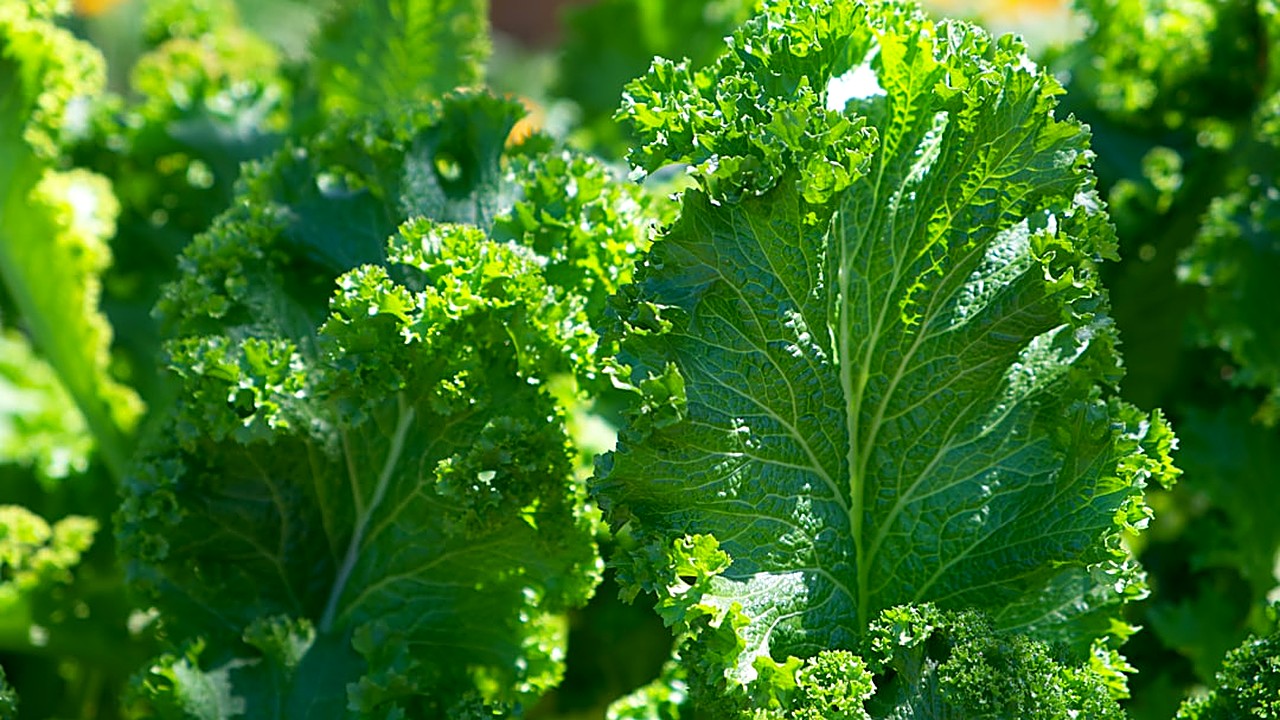 Foods That Naturally Strengthen Gums and Help Prevent Recession →
Bleeding gums are a common sign that something in the mouth needs attention. For many people, the first time they see blood is when they brush after a night of missed flossing. The gums may look pink, but a small amount of blood can appear on the toothbrush or floss. In most cases, the cause is mild irritation. However, repeated bleeding can be a warning that the supporting tissues are under stress.
The mouth is full of tiny blood vessels that supply the gums with nutrients. When plaque builds up along the gum line, it creates a thin film called bacterial biofilm. This film irritates the vessels, making them more likely to leak. Over time, the irritation can turn into inflammation, known as gingivitis. If gingivitis is left untreated, it can progress to periodontitis, a deeper infection that affects the bone that holds teeth in place.
For adults over 45, changes in hormone levels, medication side effects, and reduced saliva flow can make gums more sensitive. In my own experience as a wellness writer who has followed dental health tips for decades, I noticed that a simple switch to a softer toothbrush reduced my occasional bleeding within a week. That small change can be a useful first step, but it does not replace professional advice.
Simple health wins in your inbox. No hype.
Common Causes of Bleeding Gums
Affiliate link. We may earn a commission on purchases, at no extra cost to you.
This content is informational and is not a substitute for medical advice. Supplements do not cure or treat diseases.
Several everyday factors can cause gums to bleed:
- Plaque buildup – The most frequent cause. When plaque is not removed, it hardens into tartar, which a toothbrush cannot clean.
- Aggressive brushing – Brushing too hard or using a hard‑bristled brush can scrape the gum surface.
- Flossing technique – New flossers may snap the floss against the gum, causing tiny cuts.
- Medication – Blood thinners, certain anti‑inflammatories, and some antidepressants can increase bleeding risk.
- Nutrient deficiency – Low vitamin C or K levels can weaken blood vessels.
- Hormonal changes – Menopause and other hormonal shifts can affect gum health.
- Smoking – Reduces blood flow and masks early signs of gum disease.
A study of adults over 45 found that about 30 % reported occasional gum bleeding, and half of those linked it to irregular brushing. The same research showed that people who quit smoking saw a noticeable drop in bleeding within three months.
When to Watch and Wait
 How to Use Coconut Oil Pulling to Reduce Gum Bleeding →
 How to Use Green Tea to Help Fight Gum Disease Naturally →
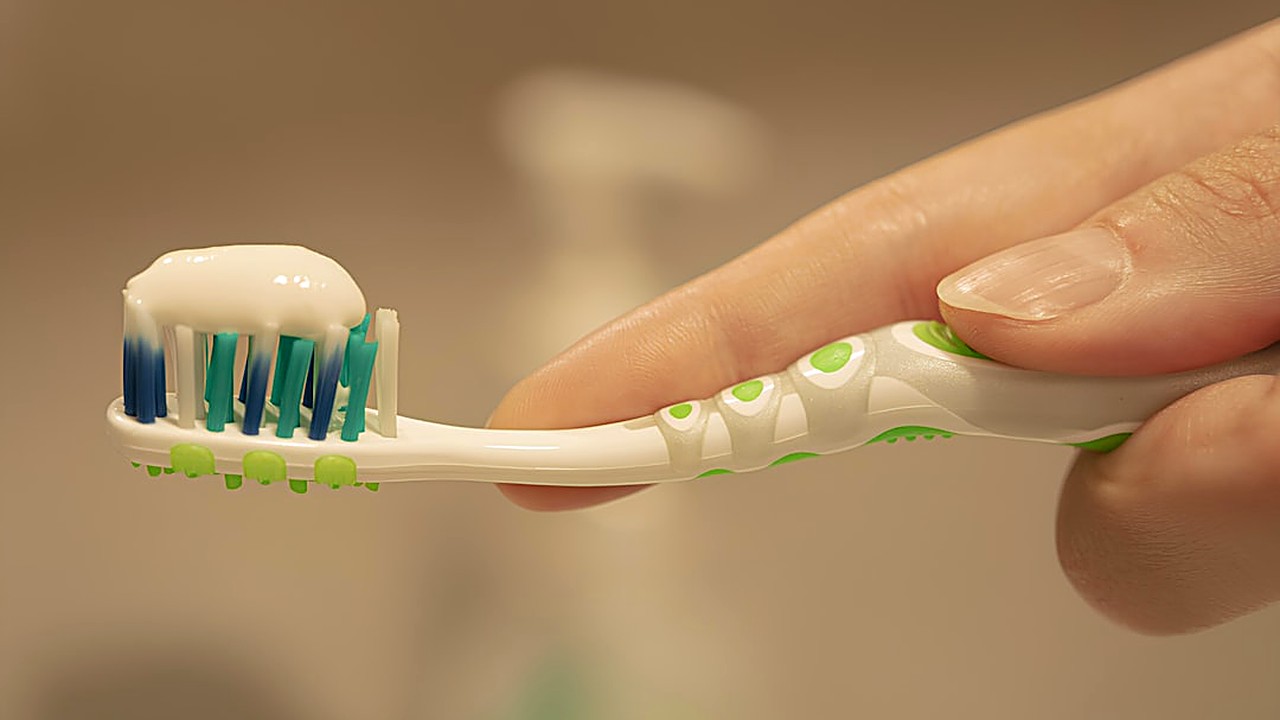 Easy Steps to Stop Bleeding Gums While Brushing Gently →
Not every episode of bleeding requires an immediate dental visit. You may choose to monitor the situation if:
1. Bleeding is brief – It stops within a minute after brushing.
2. No pain or swelling – The gums feel normal after cleaning.
3. You have improved oral hygiene – You have started brushing twice daily and flossing gently.
4. You have no other symptoms – No bad taste, loose teeth, or persistent bad breath.
In these cases, try the following for two weeks:
- Switch to a soft‑bristled toothbrush.
- Use a fluoride toothpaste.
- Floss slowly, using a gentle “C‑shaped” motion.
- Rinse with a warm salt water solution (½ teaspoon salt in 8 oz water).
If bleeding stops, you likely addressed the irritation. If it returns, move to the next section.
Signs You Need a Dentist Soon
You should book an appointment promptly if any of these signs appear:
- Bleeding lasts more than a few days despite better brushing.
- Swelling or redness around the gums.
- Pain while chewing or a throbbing sensation.
- Loose or shifting teeth – a sign of bone loss.
- Persistent bad taste or odor that does not improve with oral rinses.
- Bleeding after minor trauma (e.g., a bite to the cheek) that takes longer to stop.
- Medication changes – especially if you started a blood thinner.
These symptoms suggest that inflammation may have moved beyond the surface. A dentist can measure pocket depth, take X‑rays, and decide if a cleaning, scaling, or more intensive treatment is needed.
What to Expect at the Dental Visit
When you arrive, the dentist will first ask about your oral habits, medication list, and any recent changes in health. A visual exam follows, looking for plaque, tartar, and gum recession. The clinician may use a small probe to check how deep the space between tooth and gum is. Healthy pockets are usually 1‑3 mm deep; deeper pockets point to periodontitis.
If the dentist sees early gum disease, a professional cleaning (often called scaling and root planing) may be scheduled. This procedure removes tartar below the gum line and smooths the root surface, helping the gum re‑attach. In many cases, the dentist will also give personalized brushing tips and may suggest an antimicrobial mouthwash.
During my own dental visits, I learned that the most helpful part was the visual demonstration of proper flossing. Seeing the correct motion on a model made a big difference in my daily routine.
Simple Home Care While You Wait
While you arrange a dental appointment, keep the following habits:
- Brush twice daily for two minutes each time. Use gentle circular motions.
- Floss once a day. If traditional floss feels harsh, try a floss pick or a water flosser.
- Choose a toothpaste with fluoride and, if you have sensitive gums, look for a low‑abrasive formula.
- Stay hydrated. Dry mouth can increase plaque buildup.
- Eat a balanced diet rich in fruits, vegetables, and lean protein. Vitamin C sources like oranges and bell peppers support gum tissue.
- Avoid tobacco and limit alcohol, both of which can worsen gum health.
These steps can reduce irritation and may stop bleeding before your appointment.
Closing Thoughts
Bleeding gums are often an early warning sign that the mouth needs a little extra care. If the bleeding is brief and painless, simple changes at home may be enough. Persistent bleeding, pain, swelling, or loose teeth are signals to see a dentist soon. Regular check‑ups, good brushing habits, and a balanced diet keep gums healthy for years.
This article is for general information only and is not medical or dental advice. Talk to a healthcare or dental professional about your situation.
Frequently asked questions
How long should bleeding gums be ignored before seeing a dentist?
If bleeding continues for more than a few days despite gentle brushing and flossing, it is wise to schedule a dental check‑up.
Can a soft toothbrush stop gum bleeding?
A soft brush can reduce irritation, but if bleeding persists, a professional evaluation is needed.
Do blood thinners always cause gum bleeding?
Blood thinners can increase bleeding risk, but not everyone on these medicines will have gum bleeding. Talk to your doctor and dentist about any concerns.
Is mouthwash enough to treat bleeding gums?
Mouthwash can help control bacteria, but it does not replace a dental cleaning if gum disease is present.
What home remedy can I try while waiting for an appointment?
Rinsing with warm salt water twice a day can soothe irritated gums and reduce minor bleeding.
*This article is for general information only and is not medical or dental advice. Talk to a healthcare or dental professional about your situation.*
Simple health wins in your inbox. No hype.
Educational content, not medical advice. Talk to your doctor before making health decisions.