How Smoking Affects Gum Health and Whether Quitting Can Reverse Damage
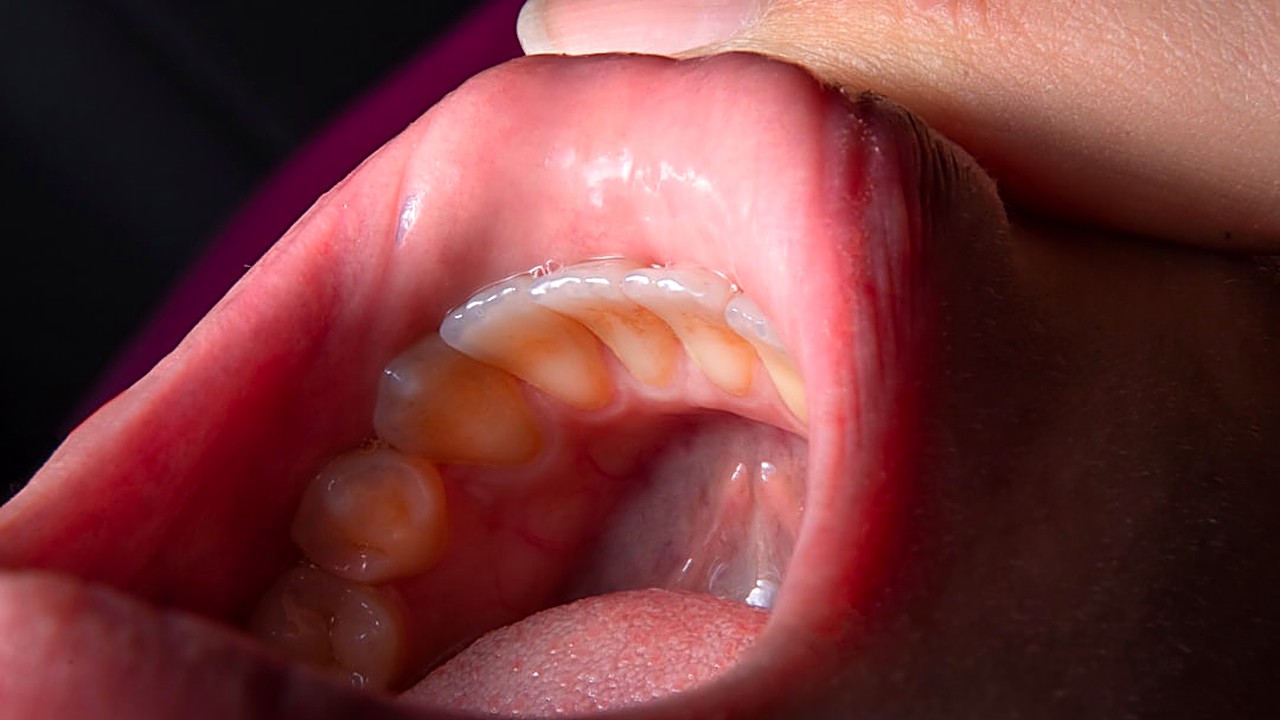
Quick answer: Smoking reduces blood flow, weakens gum tissue and encourages harmful bacteria. This raises the risk of gum disease and tooth loss. Quitting can improve circulation and lower infection risk, and many gum problems improve over months, though severe damage may need professional care.↗ Share on X
The Direct Impact of Smoke on Your Gums
 Simple Home Remedies to Reduce Receding Gums Naturally →
 How to Make a Turmeric Gum Paste to Stop Bleeding Gums Naturally →
 Foods That Naturally Strengthen Gums and Help Prevent Recession →
When you inhale tobacco, nicotine and many other chemicals travel straight to the mouth. They coat the teeth and gum line, creating a sticky environment where plaque thrives. Research shows smokers are two to three times more likely to develop periodontitis, the severe form of gum disease.
Nicotine narrows the tiny blood vessels that feed the gums. Less blood means less oxygen and fewer immune cells reach the tissue. The result is slower healing after a cut or a dental cleaning. In addition, smoke changes the composition of saliva, lowering its natural cleansing power. Bacteria that cause gum inflammation grow faster, and the gum tissue becomes inflamed, swollen, and more likely to pull away from the tooth.
Simple health wins in your inbox. No hype.
Warning Signs That Smoking Is Hurting Your Gums
Affiliate link. We may earn a commission on purchases, at no extra cost to you.
This content is informational and is not a substitute for medical advice. Supplements do not cure or treat diseases.
Most people notice a few clear signals when smoking harms their gums:
- Bleeding while brushing or flossing – Healthy gums rarely bleed. If you see blood, the tissue is irritated.
- Receding gums – The gum line appears lower, exposing more of the tooth’s root.
- Persistent bad breath – Smoke leaves a lingering odor that masks the smell of bacterial buildup.
- Loose teeth – Advanced gum disease can loosen the support that holds teeth in place.
- Pale or darkened gum tissue – Nicotine can cause the gums to look darker, while reduced blood flow makes them look pale.
I once worked with a client who smoked a pack a day for fifteen years. He noticed bleeding gums after just two weeks of quitting. Within three months, the bleeding had almost stopped, showing how quickly the body can begin to repair.
What Happens After You Quit?
 How to Use Coconut Oil Pulling to Reduce Gum Bleeding →
 How to Use Green Tea to Help Fight Gum Disease Naturally →
 Easy Steps to Stop Bleeding Gums While Brushing Gently →
Stopping smoking removes the constant flow of harmful chemicals. Blood vessels start to widen again, delivering more oxygen and immune cells to the gums. Studies indicate that within a few weeks, the risk of gum infection drops noticeably.
Timeline of possible improvements
- 1–2 weeks – Reduced inflammation, less swelling, and a fresher breath.
- 1–3 months – Blood flow improves, bleeding during brushing often lessens.
- 3–6 months – Gum attachment may strengthen, and receding may slow.
- 6+ months – The overall risk of new gum disease drops to near that of a non‑smoker, though any existing bone loss will not fully grow back.
It is important to remember that the degree of recovery depends on how long and how heavily a person smoked. Severe bone loss around teeth usually requires professional treatment, such as scaling, root planing, or even surgery.
Practical Steps to Support Gum Healing After Quitting
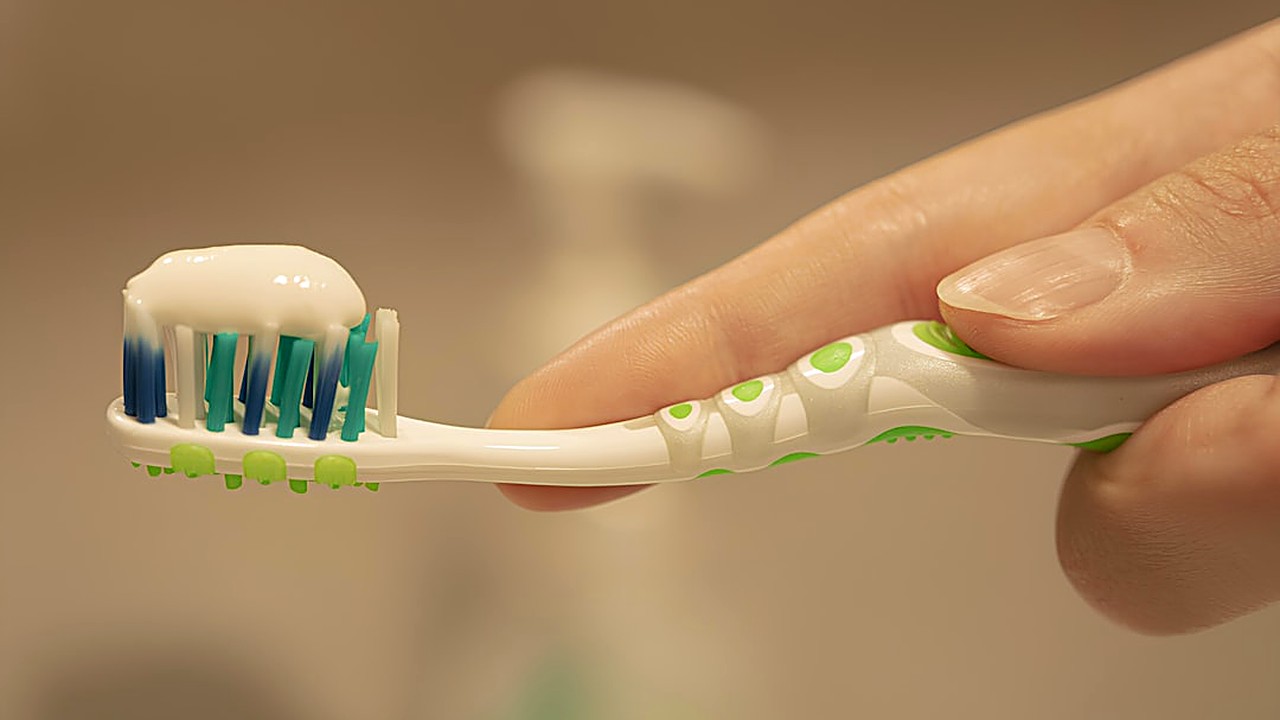
1. Maintain a gentle oral hygiene routine – Brush twice a day with a soft‑bristled toothbrush and fluoride toothpaste. Floss daily to remove plaque between teeth.
2. Use an antimicrobial mouthwash – Products containing chlorhexidine or essential oils can lower bacterial load while the gums heal.
3. Stay hydrated – Water helps wash away food particles and stimulates saliva, which protects the mouth.
4. Eat a balanced diet – Vitamin C, vitamin D, and calcium support tissue repair. Include citrus fruits, leafy greens, dairy or fortified alternatives, and nuts.
5. Schedule regular dental check‑ups – A dentist can clean away hardened plaque (tartar) that brushing misses and monitor gum health.
I have seen a former smoker who added a daily probiotic yogurt to his diet. After six months, his dentist reported healthier gum pockets and less bleeding, suggesting that nutrition can boost the healing process.
Lifestyle Habits to Keep Gums Strong
Even after quitting, other habits can affect gum health:
- Avoid sugary drinks – They feed harmful bacteria.
- Limit alcohol – Excessive drinking can dry out the mouth, reducing saliva protection.
- Manage stress – Stress hormones can impair immune response, making gums more vulnerable.
- Stay active – Regular exercise improves circulation, which benefits gum tissue.
By pairing a smoke‑free life with these daily actions, many people see a steady improvement in gum health. The mouth is a resilient part of the body, and with consistent care, it can recover a great deal.
This article is for general information only and is not medical or dental advice. Talk to a healthcare or dental professional about your situation.
Frequently asked questions
Can my gums heal completely after I stop smoking?
Gums can regain much of their health once smoking stops, especially if damage is mild. Severe bone loss may need professional treatment and may not fully reverse.
How soon will I notice less bleeding after quitting?
Many people see reduced bleeding within a few weeks, but the exact time varies with how long they smoked and how well they care for their teeth.
Do nicotine patches or gum affect gum health?
Nicotine replacement products still deliver nicotine, which can keep blood vessels narrowed. They may be less harmful than smoking, but the best gum health comes from being nicotine‑free.
Is professional cleaning necessary after quitting?
A dental cleaning helps remove tartar that brushing cannot reach. It also lets the dentist check gum pockets and give personalized advice.
Can diet help my gums recover faster?
A diet rich in vitamins C and D, calcium, and antioxidants supports tissue repair. Staying hydrated and limiting sugar also helps reduce bacterial growth.
*This article is for general information only and is not medical or dental advice. Talk to a healthcare or dental professional about your situation.*
Simple health wins in your inbox. No hype.
Educational content, not medical advice. Talk to your doctor before making health decisions.