Myths and Facts About Home Remedies for Receding Gums

Quick answer: Home remedies can soothe gums but cannot reverse gum recession. Good oral hygiene, gentle brushing, and a balanced diet support gum health. If you notice gum loss, see a dentist for proper evaluation and treatment.↗ Share on X
Common Beliefs About Home Care
 Nighttime Racing Mind: Why It Happens and How to Slow It Down →
 How to Stop Early Gingivitis at Home: Simple Steps for Healthier Gums →
 Natural Ways to Strengthen Loose Teeth from Gum Disease →
Many people believe that simple kitchen tricks can pull gums back into place. A popular claim is that oil pulling with sesame or coconut oil can push the gum line up. Others say that a paste made from baking soda and water can rebuild lost tissue. Some even suggest that rinsing with salt water will grow new gum. These ideas sound hopeful, especially for those who prefer natural solutions over dental visits.
I have tried a few of these methods myself when I first noticed my gums pulling away. The salt rinse felt soothing, but I did not see any change in the gum line after weeks of use. The experience taught me that comfort does not always mean cure.
The main reason these myths spread is that they are easy to do and cost little. They also appear in many health blogs without clear references. While a gentle rinse can reduce inflammation, it does not rebuild the connective tissue that holds teeth in place.
Simple health wins in your inbox. No hype.
What Research Actually Shows
Affiliate link. We may earn a commission on purchases, at no extra cost to you.
This content is informational and is not a substitute for medical advice. Supplements do not cure or treat diseases.
Scientific studies focus on the cause of gum recession: plaque buildup, aggressive brushing, periodontal disease, and genetic factors. When plaque is not removed, bacteria release toxins that damage the gum tissue. Over‑time, the tissue pulls away from the tooth surface.
A systematic review of home‑based interventions found that only a few practices have measurable benefits. Regular flossing, for example, can lower plaque scores by about 20 % when done correctly. Using a soft‑bristled toothbrush reduces mechanical trauma that can worsen recession.
No peer‑reviewed study has demonstrated that a home paste can regenerate lost gum. The body’s ability to grow new periodontal ligament is limited, and it usually requires surgical procedures such as grafts. Therefore, claims of “growing back gum” with kitchen ingredients are not supported by evidence.
Home Remedies That May Help, But With Limits
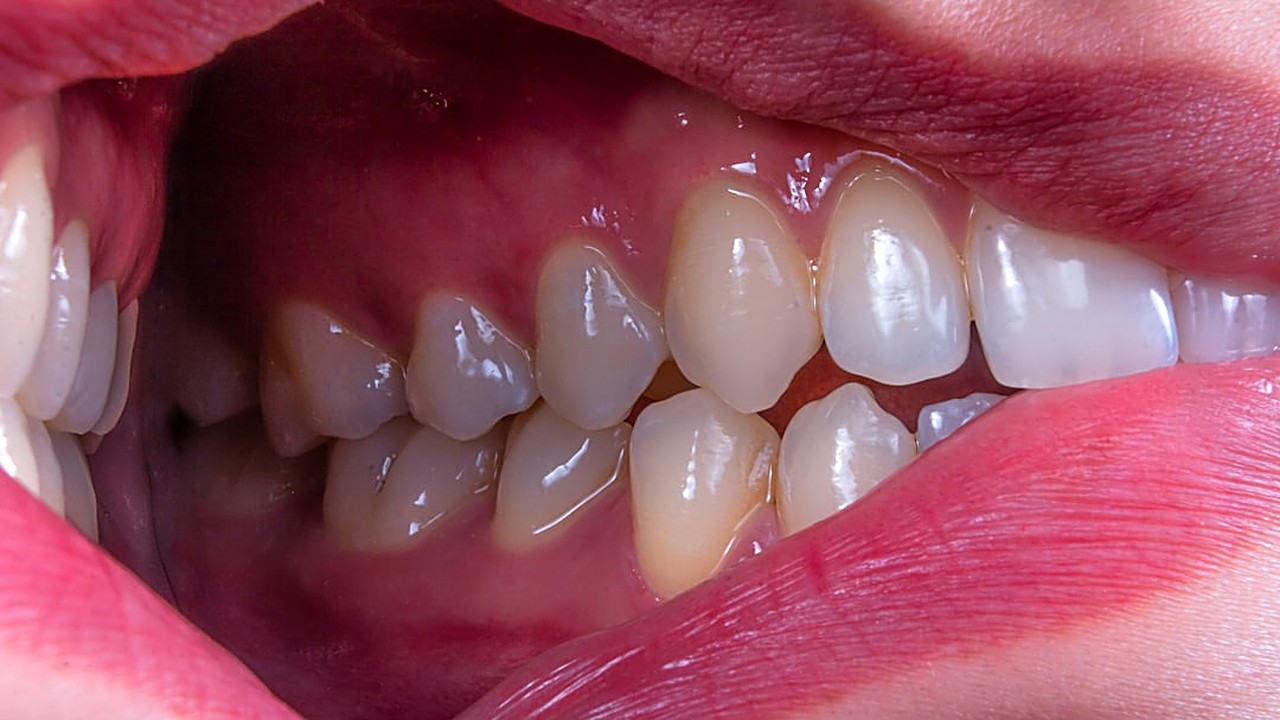 Why Gums Bleed When You Brush Too Hard and How to Stop It →
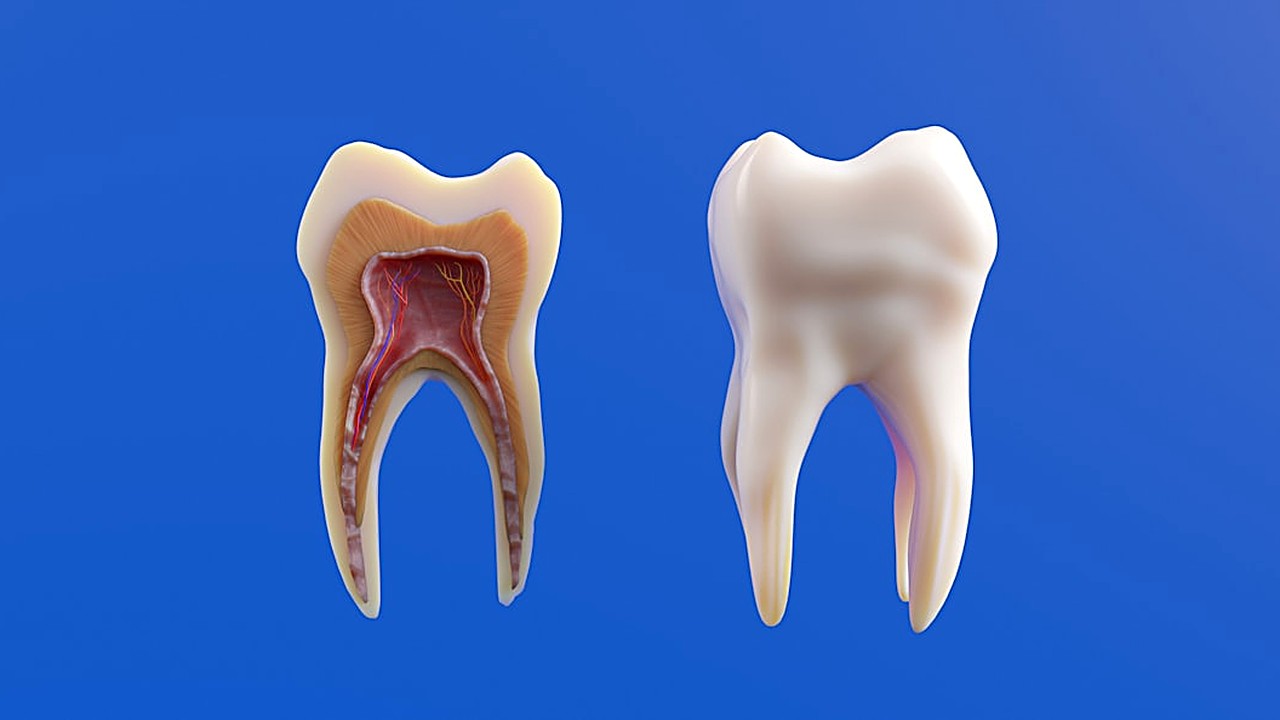 Natural Ways to Fix Gums Pulling Away from Teeth Safely →
 Best Foods for Healthy Gums and Teeth Daily →
Below are some widely used home methods, paired with what the evidence says they can realistically do.
1. Salt‑water rinse – A mixture of half a teaspoon of salt in warm water can lower bacterial load temporarily. It may calm mild swelling, but it does not rebuild tissue.
2. Green tea mouthwash – Green tea contains catechins that have anti‑inflammatory properties. Limited research suggests it can reduce gum bleeding when used twice daily.
3. Aloe vera gel – Aloe’s soothing compounds can ease irritation. Small trials report less discomfort after periodontal cleaning, yet no data show tissue regrowth.
4. Oil pulling – Swishing oil for 10‑15 minutes may reduce oral bacteria, but studies show only modest changes in plaque scores. It does not affect recession depth.
5. Baking soda paste – Baking soda is mildly abrasive and can help remove surface stains. Over‑use can damage enamel and irritate gums, so it should be used sparingly.
All of these methods are safe for most adults when done in moderation. They are best seen as supportive habits, not replacements for professional care.
Everyday Practices That Truly Protect Gums
The most reliable ways to keep gums healthy involve consistent, gentle care.
- Soft brushing – Choose a toothbrush with rounded, low‑density bristles. Hold the brush at a 45‑degree angle and use short, light strokes. Heavy pressure can push the gum further away.
- Floss or interdental cleaners – Clean between teeth daily. If floss feels difficult, a water flosser can reach the same spots with less strain.
- Balanced diet – Foods rich in vitamin C, omega‑3 fatty acids, and antioxidants support gum tissue. Citrus fruits, leafy greens, and fish are good choices.
- Quit smoking – Tobacco narrows blood vessels and impairs healing. Stopping smoking can improve gum health within weeks.
- Regular dental check‑ups – A dentist can spot early recession and recommend treatments such as scaling, root planing, or grafts when needed.
I keep a small notebook of my own oral‑care routine. Writing down the time I brush, the type of floss I use, and any gum sensitivity helps me stay accountable. The habit of recording has made my visits to the dentist smoother because I can share concrete details.
When Home Care Is Not Enough
If you notice any of the following signs, it is time to seek professional advice:
- Visible loss of gum tissue along the tooth edge.
- Persistent bleeding after brushing or flossing.
- Receding gums that expose the tooth root for more than a few weeks.
- Pain, swelling, or a foul taste that does not improve with rinses.
A dentist may recommend a scaling and root planing procedure to clean below the gum line, or a graft using tissue from another site. These treatments are designed to restore the protective seal around the tooth.
Bottom Line
Home remedies can calm irritation and may lower bacterial counts, but they cannot reverse gum recession. The best defense is gentle daily care, a nutritious diet, and regular professional exams. Use natural rinses as a complement, not a cure.
Disclaimer: This article is for general information only and is not medical or dental advice. Talk to a healthcare or dental professional about your situation.
Frequently asked questions
Can oil pulling replace brushing?
Oil pulling may lower bacteria, but it does not clean plaque as effectively as brushing and flossing. It should be added to, not replace, regular oral hygiene.
Is baking soda safe for my gums?
In small amounts it can be used as a gentle cleanser, but frequent or aggressive use may irritate the gum tissue and wear enamel.
Will a salt rinse heal receded gums?
A salt rinse can reduce swelling and kill some bacteria, yet it does not grow new gum tissue. It is a supportive measure only.
How often should I see a dentist for gum concerns?
Most adults benefit from a check‑up every six months. If you notice recession or bleeding, schedule an appointment sooner.
Can diet alone stop gum recession?
A healthy diet supports gum health, but it cannot reverse existing recession. Combine good nutrition with proper oral care and professional monitoring.
*This article is for general information only and is not medical or dental advice. Talk to a healthcare or dental professional about your situation.*
Simple health wins in your inbox. No hype.
Educational content, not medical advice. Talk to your doctor before making health decisions.