Easy Steps to Stop Bleeding Gums While Brushing Gently
Quick answer: Bleeding gums often mean the brushing method is too harsh or the gum tissue is inflamed. Try using a soft brush, gentle circular motions, a fluoride toothpaste without harsh abrasives, and add a short flossing routine. If bleeding continues, talk to a dental professional.↗ Share on X
Why Gums Bleed When You Brush
Bleeding gums can be a sign that the tissue is irritated. Common reasons include brushing too hard, using a hard‑bristled brush, or having plaque buildup near the gum line. When plaque is not removed, bacteria release toxins that inflame the gums. Inflamed gums are more likely to bleed, even with light pressure.
A study of adults over 45 showed that about one in three reported occasional gum bleeding. The same research noted that many people do not realize that the force they apply while brushing matters more than the speed. Over‑aggressive brushing can wear away gum tissue, making it thin and fragile.
I have seen friends who switched from a hard brush to a soft one and noticed less bleeding within a week. Their experience matches the pattern that gentle pressure helps the gums heal.
Simple health wins in your inbox. No hype.
Check Your Brushing Technique
The way you move the brush matters. Instead of scrubbing back and forth, use short, gentle circles. Aim the bristles at a 45‑degree angle toward the gum line. This angle lets the bristles clean the space between tooth and gum without pulling the tissue.
Limit each brushing session to two minutes. Divide the mouth into four quadrants and spend about 30 seconds on each. This pacing prevents rushing, which often leads to harder pressure.
If you feel a tugging sensation, you are probably pressing too hard. Try holding the brush like a pencil, not a hammer. Light pressure should feel like a gentle massage.
Choose the Right Toothbrush and Toothpaste
A soft‑bristled toothbrush is key. Look for bristles labeled “extra soft” or “ultra soft.” Replace the brush every three months, or sooner if the bristles look frayed. Worn bristles can become stiff and damage gums.
Select a toothpaste that contains fluoride but no harsh whitening agents. Some whitening formulas have abrasive particles that can irritate sensitive gums. A mild, low‑abrasion toothpaste is safer for daily use.
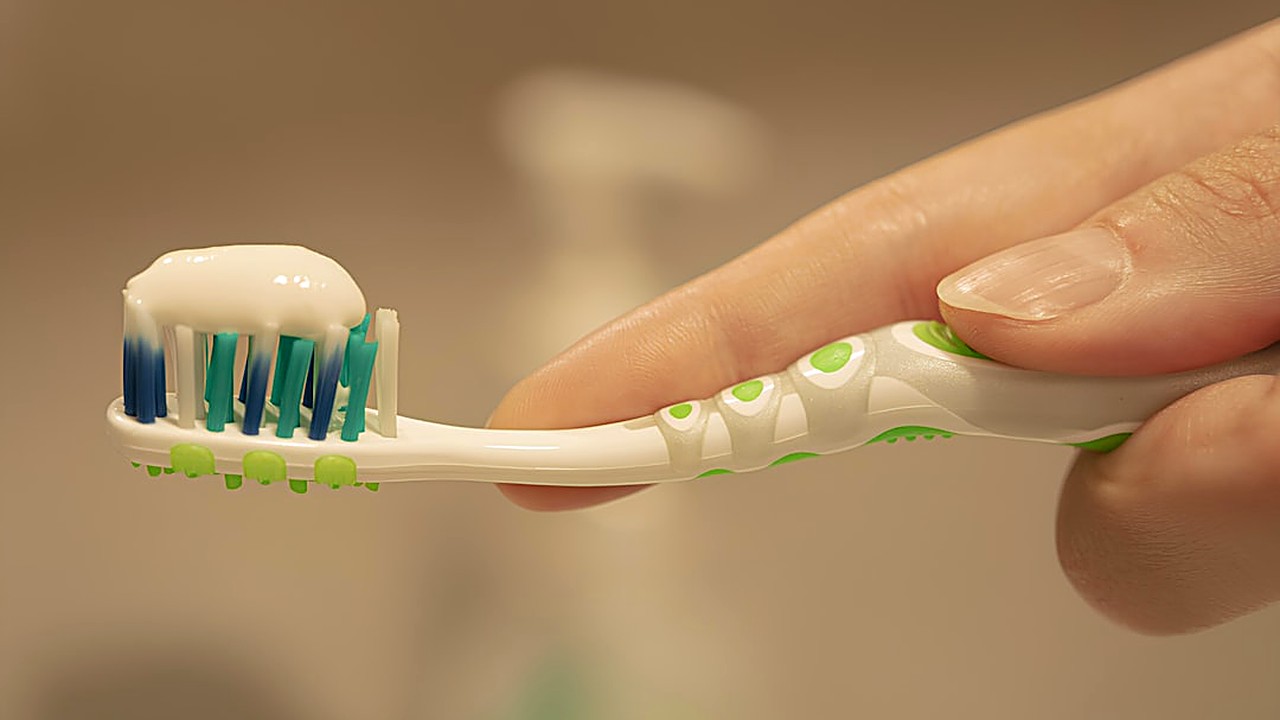
If you have a dry mouth, consider a toothpaste with added moisturizers. Dry tissue can be more prone to bleeding. A small amount of toothpaste—about the size of a pea—is enough for effective cleaning.
Add Gentle Care Steps to Your Routine
After brushing, rinse with a warm salt water solution (half a teaspoon of salt in a cup of warm water). This simple rinse can reduce inflammation and soothe the gums. Do it once a day, preferably after the evening brush.
Flossing once a day helps remove plaque from areas the brush cannot reach. Use a gentle, waxed floss and slide it along the side of each tooth without snapping. If floss feels uncomfortable, a water flosser set on low pressure can be a good alternative.
Massage the gums with a clean finger for a few seconds after brushing. This gentle motion improves blood flow and can promote healing. The massage should feel soft, not painful.
When to See a Professional
If bleeding continues for more than two weeks despite gentle brushing, it may indicate an underlying condition such as gum disease or a vitamin deficiency. In such cases, a dental professional can assess the situation and suggest appropriate treatment.
A dentist may recommend a deeper cleaning called scaling and root planing, or they might suggest a specific mouthwash to control bacteria. They can also check for signs of recession, which sometimes requires a different approach.
Remember, self‑care steps are helpful for mild irritation, but they do not replace professional evaluation when symptoms persist.
This article is for general information only and is not medical or dental advice. Talk to a healthcare or dental professional about your situation.
Frequently asked questions
Can using a hard toothbrush cause gum bleeding?
Yes, a hard brush can damage the delicate gum tissue and make it bleed, especially if you press firmly.
How often should I replace my toothbrush?
It is generally recommended to replace a toothbrush every three months, or sooner if the bristles look frayed.
Is flossing necessary if I brush gently?
Flossing helps remove plaque from between teeth, which brushing alone may miss. Gentle flossing can further reduce gum irritation.
Will a salt water rinse help my gums?
A warm salt water rinse can soothe inflamed gums and may lower bleeding when used once a day.
When should I see a dentist for bleeding gums?
If bleeding continues for more than two weeks despite gentle brushing and home care, it is wise to consult a dentist.
*This article is for general information only and is not medical or dental advice. Talk to a healthcare or dental professional about your situation.*
Simple health wins in your inbox. No hype.
Educational content, not medical advice. Talk to your doctor before making health decisions.