Salt Water for Swollen Gums: What It Fixes and What It Can't
Quick answer: A warm salt water rinse (half a teaspoon of salt in one cup of warm water, 2 to 3 times a day) can soothe swollen gums and support healing, but it does not cure gum disease or remove tartar. Pair it with gentle brushing and daily flossing, and see a dentist if swelling lasts more than two weeks or comes with pain, pus, or fever.↗ Share on X
A warm salt water rinse can help swollen gums feel better and may support healing, but it does not cure gum disease on its own. Salt water gently cleans the area, loosens food bits, and makes the mouth a less friendly place for some germs. It works best as a helper next to good brushing, flossing, and a dental visit. If your gums stay swollen for more than about two weeks, bleed a lot, or hurt badly, the rinse is not enough and you need a dentist.
What does salt water actually do to swollen gums?
 Nighttime Racing Mind: Why It Happens and How to Slow It Down →
 How to Use Baking Soda Safely to Reduce Gum Bleeding →
 Natural Ways to Calm Gum Swelling at Home Safely →
Swollen gums usually mean the gum tissue is irritated. The most common cause is plaque, the soft sticky film of germs that builds up along the gum line. When plaque sits there, the gums react by getting red, puffy, and tender. This early stage is called gingivitis, which simply means "inflamed gums."
A salt water rinse helps in a few simple ways:
- It flushes the area. Swishing moves out food pieces and loose plaque from between teeth and along the gum line.
- It pulls fluid out of puffy tissue a little. Salt water is saltier than the fluid in your gums, so it can draw some fluid out. This is why some people feel the gums tighten slightly after rinsing.
- It makes the mouth less comfortable for some germs. Salt raises the pH a little and many germs that cause trouble prefer a more acidic mouth.
- It is gentle. Unlike strong mouthwash with alcohol, warm salt water usually does not sting or dry out the mouth.
What salt water does not do: it does not remove hardened plaque (called tartar or calculus). Tartar sticks to the tooth like cement. Only a dental cleaning can take it off. If tartar is the reason your gums are swollen, rinsing will soothe them for a while, but the swelling will keep coming back.
Simple health wins in your inbox. No hype.
How do I make and use a salt water rinse the right way?
Affiliate link. We may earn a commission on purchases, at no extra cost to you.
This content is informational and is not a substitute for medical advice. Supplements do not cure or treat diseases.
Getting the mix right matters. Too much salt can irritate the gums you are trying to calm. Too little does almost nothing.
1. Warm the water. Use 1 cup (about 8 ounces or 240 ml) of warm water. It should feel comfortable on your wrist, like a warm drink, never hot.
2. Add salt. Stir in half a teaspoon of regular table salt or sea salt. Stir until the water looks clear and no grains sit at the bottom.
3. Take a sip, not a gulp. Fill your mouth about halfway.
4. Swish for 30 seconds. Move the water around your whole mouth. Push it between your teeth by puffing your cheeks. Pay extra attention to the swollen spot.
5. Spit it out. Do not swallow it. Swallowing salt water often is not good for you, especially if you watch your salt intake.
6. Repeat until the cup is empty. This usually takes three or four mouthfuls.
7. Do this 2 to 3 times a day. Good times are after breakfast, after dinner, and before bed.
A simple rule: make a fresh cup each time. Do not mix a big jar and keep it for days.
How fast will my gums feel better?
 Receding Gums Home Remedies: What Works and What Doesn't →
 13 Receding Gums Home Remedy Mistakes and What to Do Instead →
 Stress Making Your Gums Bleed? What to Do This Week →
There is no exact number of days, because it depends on why the gums are swollen. Here is a general picture of what many people notice when the cause is mild irritation and they also clean their teeth well:
| What you notice | When it often happens | What it means |
|---|---|---|
| Gums feel less sore | Within the first day or two | The area is cleaner and calmer |
| Less bleeding when brushing | Within about one week of good daily cleaning | Plaque is being removed regularly |
| Swelling goes down and color turns pink | Within about one to two weeks | Mild gingivitis is settling |
| No change, or it gets worse | After two weeks | Something else is going on. See a dentist |
Notice the key part: improvement comes from the whole routine, not the salt alone. If you rinse with salt water but skip flossing, the plaque between your teeth keeps feeding the swelling.
What should I do next to the rinse so my gums actually heal?
Think of salt water as the helper and daily cleaning as the main job. A simple daily plan looks like this:
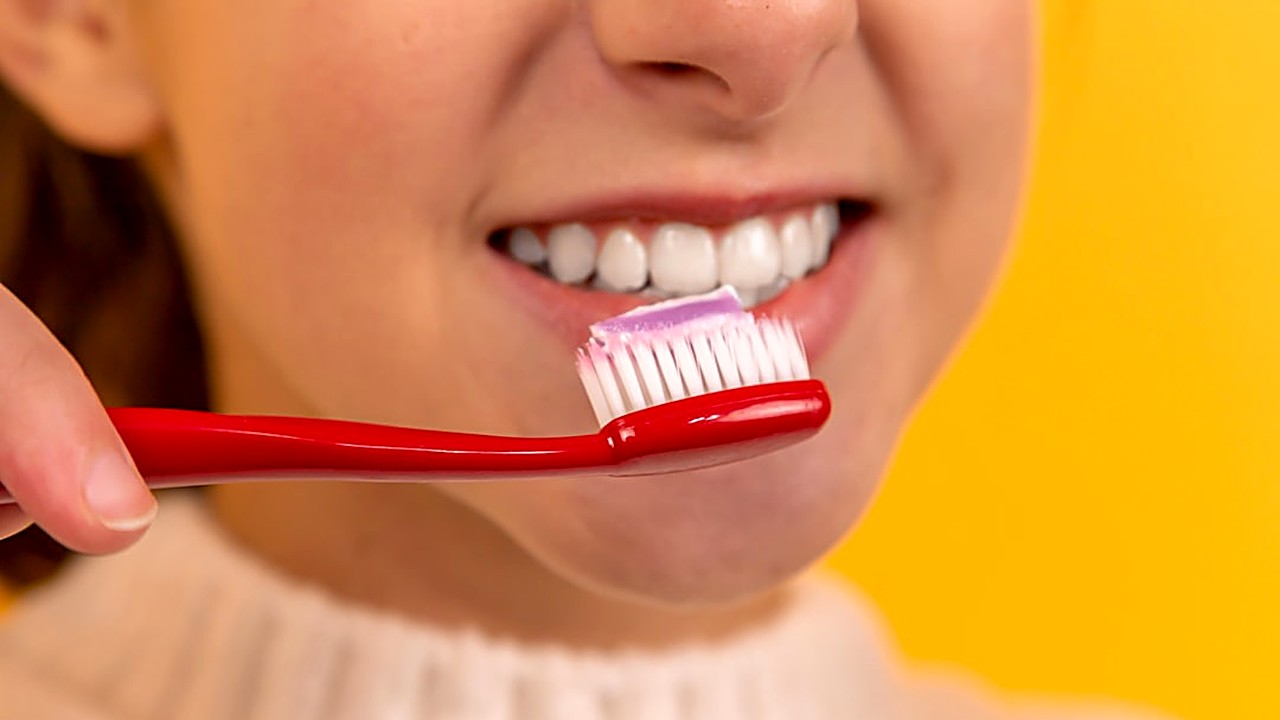
1. Brush twice a day for two full minutes. Use a soft-bristle brush. Hard bristles can scratch swollen gums and make them worse.
2. Angle the brush toward the gums. Tilt the bristles at about 45 degrees so they reach the line where tooth meets gum. Use small, gentle circles. Do not scrub hard back and forth.
3. Floss once a day. Slide the floss gently between teeth and curve it in a "C" shape around each tooth. Your gums may bleed at first. This is common with swollen gums and often gets better after several days of regular flossing. If flossing is hard, try floss picks or small brushes made for between teeth.
4. Use a fluoride toothpaste. Fluoride protects the teeth while you work on the gums.
5. Rinse with warm salt water after cleaning. This is the soothing step.
6. Drink water during the day. A dry mouth lets plaque build up faster.
7. Cut back on sugary drinks and snacks between meals. Sugar feeds the germs that make plaque.
8. If you smoke, this is a big one. Smoking makes gum disease more likely and slows healing. It can also hide bleeding, so problems look smaller than they are.
Can salt water make things worse?
For most people, a correct salt water rinse is safe. But there are some things to watch:
- Too strong a mix. Using several spoons of salt can burn or dry the gums. Stick to half a teaspoon per cup.
- Rinsing too often. Doing it many times an hour is not better. Two to three times a day is enough.
- Using it to avoid the dentist. This is the biggest risk. If the rinse makes your gums feel better, you might wait too long while a deeper problem gets worse quietly.
- High blood pressure or a low-salt diet. You spit the water out, so very little salt is swallowed. Still, if your doctor told you to strictly limit salt, ask them first and be careful not to swallow.
- Open wounds after surgery. After a tooth is pulled or after gum surgery, follow your dentist's exact timing. Many dentists say to wait at least 24 hours before rinsing and to rinse very gently, letting the water fall out of the mouth instead of spitting hard.
When are swollen gums a sign I need a dentist right away?
Salt water is fine for mild, short-term swelling. It is the wrong choice for the warning signs below. Please see a dentist, and do not wait, if you have:
- Swelling that lasts more than two weeks even with good cleaning
- A bump or pimple on the gum, sometimes with pus or a bad taste. This can be an abscess, which is an infection that needs treatment
- Strong or throbbing pain
- Swelling in your face, cheek, or jaw
- Fever along with the gum swelling
- Loose teeth or teeth that seem to be shifting
- Gums pulling back so the teeth look longer
- Bad breath that does not go away after brushing
- Bleeding that is heavy or happens without brushing
If you have face swelling with fever, or trouble swallowing or breathing, go to urgent care or an emergency room. Those signs can mean an infection is spreading.
Some health conditions also make gum problems more serious. Tell your dentist if you have diabetes, are pregnant, take blood thinners, or take medicine that causes a dry mouth. Pregnancy in particular can make gums puffy and bleed more easily, and a dentist can help you manage it safely.
Salt water, mouthwash, or baking soda: which should I use?
People often ask which home rinse is best. Here is a plain comparison:
| Rinse | Good for | Watch out for |
|---|---|---|
| Warm salt water | Soothing sore gums, gentle cleaning, after minor irritation | Does not kill plaque well on its own. Does not remove tartar |
| Store-bought mouthwash (alcohol-free) | Fresher breath, some products help fight plaque | Read the label. Some contain alcohol that can sting swollen gums |
| Baking soda and water | Neutralizing acid in the mouth | Do not scrub with it as a paste every day. It can be rough |
| Prescription rinse from a dentist | Treating gum disease when a dentist decides it is needed | Can stain teeth if used for a long time. Use only as directed |
For swollen gums, warm salt water is a sensible, low-cost first step. If your dentist gives you a special rinse, use that instead and ask whether you should still use salt water too.
Your next step today
Tonight, make one cup of warm water with half a teaspoon of salt. Brush gently for two minutes with a soft brush, floss every tooth, then rinse with the salt water and spit. Repeat this routine every day for two weeks and write down how your gums look and feel each few days. If the swelling, bleeding, or pain is not clearly better at the two-week mark, or if you notice any of the warning signs above, call a dentist and book a checkup and cleaning. Bring your notes. They will help the dentist understand what is going on.
FAQ
How much salt should I put in the water for swollen gums?
Use half a teaspoon of table salt or sea salt in one cup (about 240 ml) of warm water. More salt can irritate the gums instead of calming them.
How many times a day can I rinse with salt water?
Two to three times a day is enough, for example after breakfast, after dinner, and before bed. Rinsing many more times does not speed up healing.
Can salt water cure gum disease?
No. Salt water can soothe the gums and help keep the area clean, but it cannot remove hardened tartar or treat deeper gum disease. A dentist needs to check gums that stay swollen for more than two weeks.
Is it safe to swallow salt water after rinsing?
It is better to spit it out. Swallowing salt water often adds salt to your diet, which matters if you have high blood pressure or follow a low-salt diet.
Simple health wins in your inbox. No hype.
Educational content, not medical advice. Talk to your doctor before making health decisions.