Receding Gums Home Remedies: What Works and What Doesn't

Quick answer: Home remedies cannot regrow receded gum tissue. Gentle brushing with a soft brush, daily flossing and quitting tobacco can stop bleeding and keep recession from getting worse, and early gingivitis can often be reversed. Receding gums need a dentist to check the damage.↗ Share on X
Home remedies cannot make receded gums grow back. Once gum tissue pulls away from the tooth, it does not return on its own, no matter what oil, rinse or herb you use. What home care *can* do is stop the damage from getting worse, calm bleeding and swelling, and reverse the early stage of gum disease (gingivitis). If your gums are already receding, you need a dentist to check how deep the problem goes. The rest of this article separates the myths from the facts so you spend your time and money on what actually helps.
What is really happening when gums recede?
 Nighttime Racing Mind: Why It Happens and How to Slow It Down →
 How to Use Baking Soda Safely to Reduce Gum Bleeding →
 13 Receding Gums Home Remedy Mistakes and What to Do Instead →
Your gums are a seal around each tooth. When that seal pulls back, more of the tooth shows, and sometimes the root is exposed. Roots are not covered by hard enamel, so they get sensitive to cold, sweets and brushing.
The most common causes are:
1. Gum disease. Plaque (the sticky film of germs on your teeth) hardens into tartar. The germs irritate the gums, and over time the tissue and bone that hold the tooth break down.
2. Brushing too hard. A hard brush and a "scrubbing" motion can wear the gum line away.
3. Tobacco. Smoking and chewing tobacco damage gum tissue and hide the warning sign of bleeding.
4. Grinding or clenching your teeth. The extra force can stress the gum line.
5. Genetics and thin gums. Some people are born with thinner gum tissue that recedes more easily.
6. Crooked teeth or an old piercing in the lip or tongue that rubs the gum.
Knowing the cause matters, because the fix is different for each one.
Simple health wins in your inbox. No hype.
Myth 1: "Oil pulling will grow my gums back"
Affiliate link. We may earn a commission on purchases, at no extra cost to you.
This content is informational and is not a substitute for medical advice. Supplements do not cure or treat diseases.
Fact: Oil pulling means swishing a spoon of coconut or sesame oil in your mouth for several minutes, then spitting it out. Some people say it freshens breath and reduces plaque. The research on it is small and mixed. There is no good evidence that it rebuilds gum tissue.
If you like it, it is generally harmless as an *extra* step. But it does not replace brushing and flossing. Spit the oil in the trash, not the sink, because it can clog pipes.
Myth 2: "Salt water rinses cure gum disease"
 Stress Making Your Gums Bleed? What to Do This Week →
 Is Treating Gingivitis Worth It? A Plain Home Care Breakdown →
 Stop Gum Recession Naturally with Simple Daily Habits →
Fact: A warm salt water rinse (about half a teaspoon of salt in a cup of warm water) can soothe sore gums for a short time. It is a comfort measure. It does not remove hardened tartar, and tartar is what keeps feeding the infection. Only a dental cleaning removes tartar.
Do not rinse with salt water many times a day for weeks. Too much can irritate the tissue.
Myth 3: "If my gums don't hurt, they're fine"
Fact: Gum disease is often painless until it is advanced. The early signs are quiet:
- gums that bleed when you brush or floss
- red or puffy gums instead of pink and firm
- bad breath that does not go away
- teeth that look longer than before
- a notch you can feel with your fingernail near the gum line
Bleeding is not "normal." Healthy gums do not bleed from gentle brushing. Treat bleeding as a warning light.
Myth 4: "Brushing harder cleans better"
Fact: This one makes recession worse. Hard scrubbing wears the gum line down. Use a soft or extra-soft brush, hold it at a slight angle toward the gums, and use small, gentle circles. Brush two minutes, twice a day. If your brush bristles look flattened and splayed after a few weeks, you are pressing too hard.
An electric brush with a pressure warning light can help people who can't stop scrubbing.
Myth 5: "Aloe or green tea gel regrows gums"
Fact: These are popular in videos and on product labels. Some small studies suggest they may help calm inflammation as an add-on to normal care. None of them has been shown to regrow gum tissue. Be careful with products that promise to "reverse recession" — that claim is not supported.
If you want to try one, tell your dentist, and never use it instead of a cleaning.
Myth 6: "Gingivitis and recession are the same"
Fact: They are related but different, and this is the most useful fact in the whole article.
| Condition | What it is | Can home care reverse it? |
|---|---|---|
| Gingivitis | Early gum inflammation. Gums red, puffy, bleed easily. No bone loss yet. | Yes, usually, with good brushing, flossing and a dental cleaning |
| Periodontitis | Infection has damaged the bone and tissue holding the tooth | No. Needs dental treatment to control it |
| Gum recession | Gum line has moved down, root shows | No. Lost tissue does not grow back; a dentist can graft it if needed |
So if you only have bleeding and puffiness, you may be in the stage where you can still turn things around. That is why acting early matters so much.
What actually works at home to stop bleeding gums?
This is the routine dentists commonly recommend. It is simple and cheap.
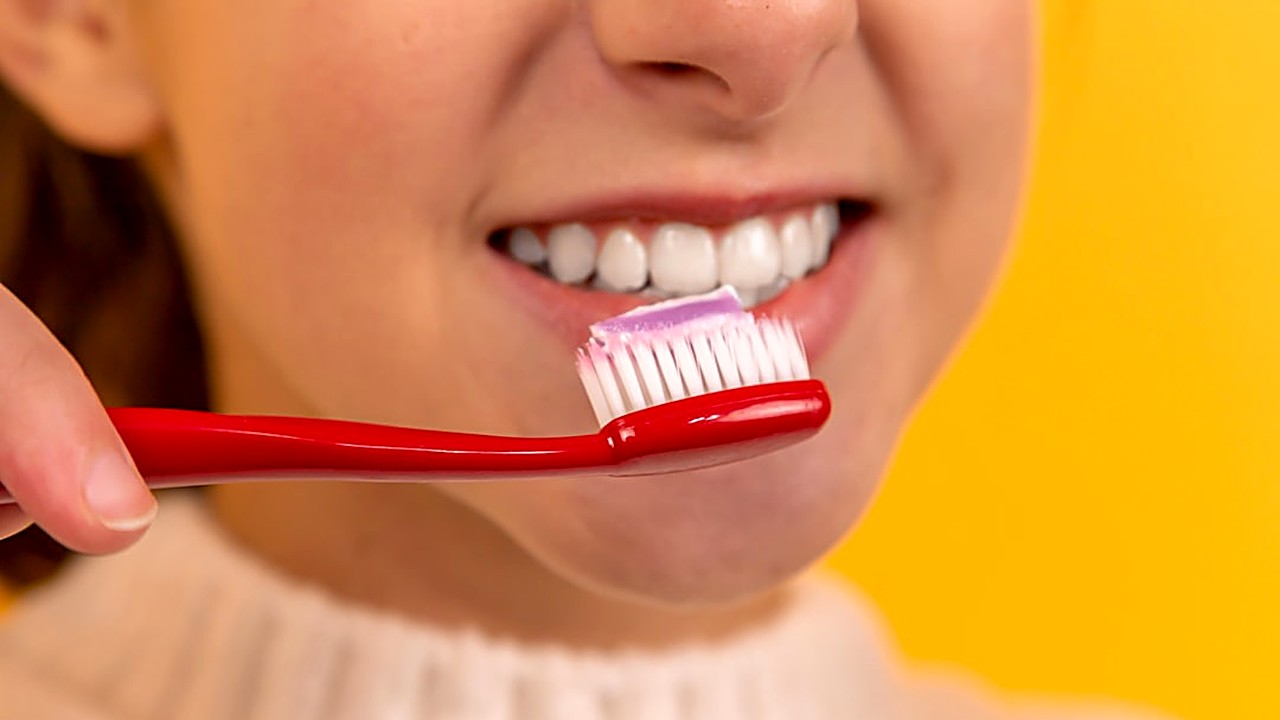
1. Brush twice a day for two minutes with a soft brush and fluoride toothpaste. Aim the bristles at the gum line.
2. Clean between your teeth once a day. Floss, small interdental brushes, or a water flosser. Between the teeth is where gum disease usually starts. Bleeding during the first days of flossing is common; it should drop within about one to two weeks as the gums calm down. If it does not, see a dentist.
3. Use a sensitivity toothpaste if exposed roots hurt. Rub a little on the sore spot at night and don't rinse it off.
4. Stop smoking or chewing tobacco. This is one of the biggest things you can do for your gums.
5. Wear a night guard if you grind your teeth. A dentist can make one; store-bought guards are a cheaper first step.
6. Eat fewer sugary snacks and drinks between meals. Germs feed on sugar.
7. Get a professional cleaning. Tartar cannot be brushed off at home.
Which home remedies are safe to try?
| Remedy | Safe as an extra? | Notes |
|---|---|---|
| Warm salt water rinse | Yes, short term | Soothes; does not remove tartar |
| Oil pulling | Usually | Not a replacement for brushing |
| Alcohol-free mouthwash | Yes | Pick one for gums; follow the label |
| Aloe vera gel | Usually | Check for allergies |
| Baking soda scrubbing | Use caution | Rough scrubbing can wear gums and enamel |
| Hydrogen peroxide straight from the bottle | Avoid | Can burn tissue if too strong; ask a dentist first |
| Lemon juice or vinegar on gums | Avoid | Acid damages enamel |
When do you need a dentist right away?
Home care is not enough in these cases. Book a visit soon if:
- your gums bleed every day for more than two weeks even with gentle, careful brushing
- a tooth feels loose or your bite has changed
- you see pus or have a bad taste that won't go away
- your gums are swollen and painful, or you have a fever
- a root is exposed and very sensitive
- you have diabetes, are pregnant, or take medicines that affect your gums, since these raise your risk
A dentist or a gum specialist (called a periodontist) can measure the pockets around your teeth, do a deep cleaning if needed, and, for serious recession, talk with you about a gum graft. A graft moves healthy tissue to cover the exposed root.
How much time before you see a difference?
With a good daily routine, many people notice less bleeding within a couple of weeks. Gingivitis often calms down after a professional cleaning plus steady home care. Recession itself will not reverse, but you can keep it from spreading to more teeth. Results vary from person to person, and nobody can promise a specific outcome without examining your mouth.
Your next step today
Tonight, swap to a soft toothbrush and floss or use an interdental brush between every tooth, gently. Write down which spots bleed. Keep this up for 14 days. If the bleeding has not clearly improved by then, or if you already see roots showing, call a dentist and bring your notes. The earlier the visit, the more gum you keep.
FAQ
Can receding gums grow back naturally?
No. Once gum tissue has pulled back it does not grow back on its own. Good home care can stop it from getting worse, and a dentist can cover exposed roots with a gum graft if needed.
How do I stop my gums from bleeding?
Brush twice a day with a soft brush aimed at the gum line, clean between your teeth once a day, and get a professional cleaning. If bleeding lasts more than two weeks, see a dentist.
Is oil pulling good for gums?
It is generally harmless as an extra step, but there is no good evidence it rebuilds gum tissue. It does not replace brushing, flossing or dental cleanings.
Simple health wins in your inbox. No hype.
Educational content, not medical advice. Talk to your doctor before making health decisions.