Gums Hurt After Eating? What to Check in the First Hour

Quick answer: Sore gums after eating usually mean food is packed under the gum, hard or hot food scratched or burned the tissue, or the gums were already inflamed and chewing pressure woke them up. Rinse with warm salt water and gently clean that one space between the teeth. If the pain comes back after every meal, or brings swelling, pus, fever or a loose tooth, see a dentist.↗ Share on X
Sore gums right after a meal almost always come from one of four things: food packed down between two teeth, a hard or sharp piece of food that scratched the gum, something too hot or too acidic that burned the tissue, or gum inflammation that was already there and that chewing pressure woke up. Rinse with warm salt water, clean that one spot between the teeth, and watch the clock. Pain that fades within an hour or two is usually mechanical. Pain that returns after every single meal, or comes with swelling, a bad taste, or a tooth that feels loose, is a reason to see a dentist.
Why do my gums hurt right after I eat?
 Nighttime Racing Mind: Why It Happens and How to Slow It Down →
 How to Stop Gums Bleeding at Night: Simple Safe Tips for Better Sleep →
 Is Receding Gums Treatment at Home Worth It? A Simple Breakdown →
Think of the gum as a collar of soft tissue wrapped tight around each tooth. Every time you chew, that collar takes pressure. When it is healthy, you feel nothing. When it is irritated, or when something is stuck under it, chewing turns into a bruise you feel for hours.
Food trapped under the gum. Popcorn skin, meat fibers, seeds, chip shards and apple peel are the usual ones. They slide into the tiny space between tooth and gum and act like a splinter. The gum swells around them. This is the most common cause of a sharp pain in one exact spot.
A scratch or a burn. Toast crusts, tortilla chips, fish bones and hard bread edges cut the tissue. Coffee, soup and melted cheese burn it. The pain is broad and raw, not pinpoint, and it usually calms down within a day.
Gum inflammation that was already starting. If your gums bleed a little when you brush, the tissue is already swollen. Chewing then hurts because the gum was inflamed before the meal even began. This is the kind of pain that comes back day after day.
Pressure from a dental problem under the surface. A cracked filling, a rough crown edge, a wisdom tooth pushing through, or a tooth that is dying can all feel like gum pain. Only a dentist with an x-ray can tell these apart.
Simple health wins in your inbox. No hype.
What should I do in the first hour?
Affiliate link. We may earn a commission on purchases, at no extra cost to you.
This content is informational and is not a substitute for medical advice. Supplements do not cure or treat diseases.
Work through these in order. Stop when the pain lets go.
1. Rinse with warm salt water. Half a teaspoon of table salt in a cup of warm water, about 240 ml. Swish for 30 seconds, aim the flow at the sore side, spit. Do it twice.
2. Clean the one sore space between the teeth. Use floss or a small interdental brush. Slide down slowly along the side of the tooth, never snap it in.
3. Look at what came out. A fiber of meat, a seed hull or a piece of skin tells you the cause was mechanical and the pain should drop fast.
4. Rinse again to flush whatever loosened.
5. Press a cold compress on the cheek over the sore spot for 10 minutes if the gum looks puffy. Cold calms swelling better than heat here.
6. Eat soft and lukewarm for the rest of the day. Give the tissue quiet time.
Do not poke the gum with a toothpick, a pin, a fingernail or a folded card. Those push debris deeper and tear the collar of tissue you are trying to protect.
What does each kind of pain usually mean?
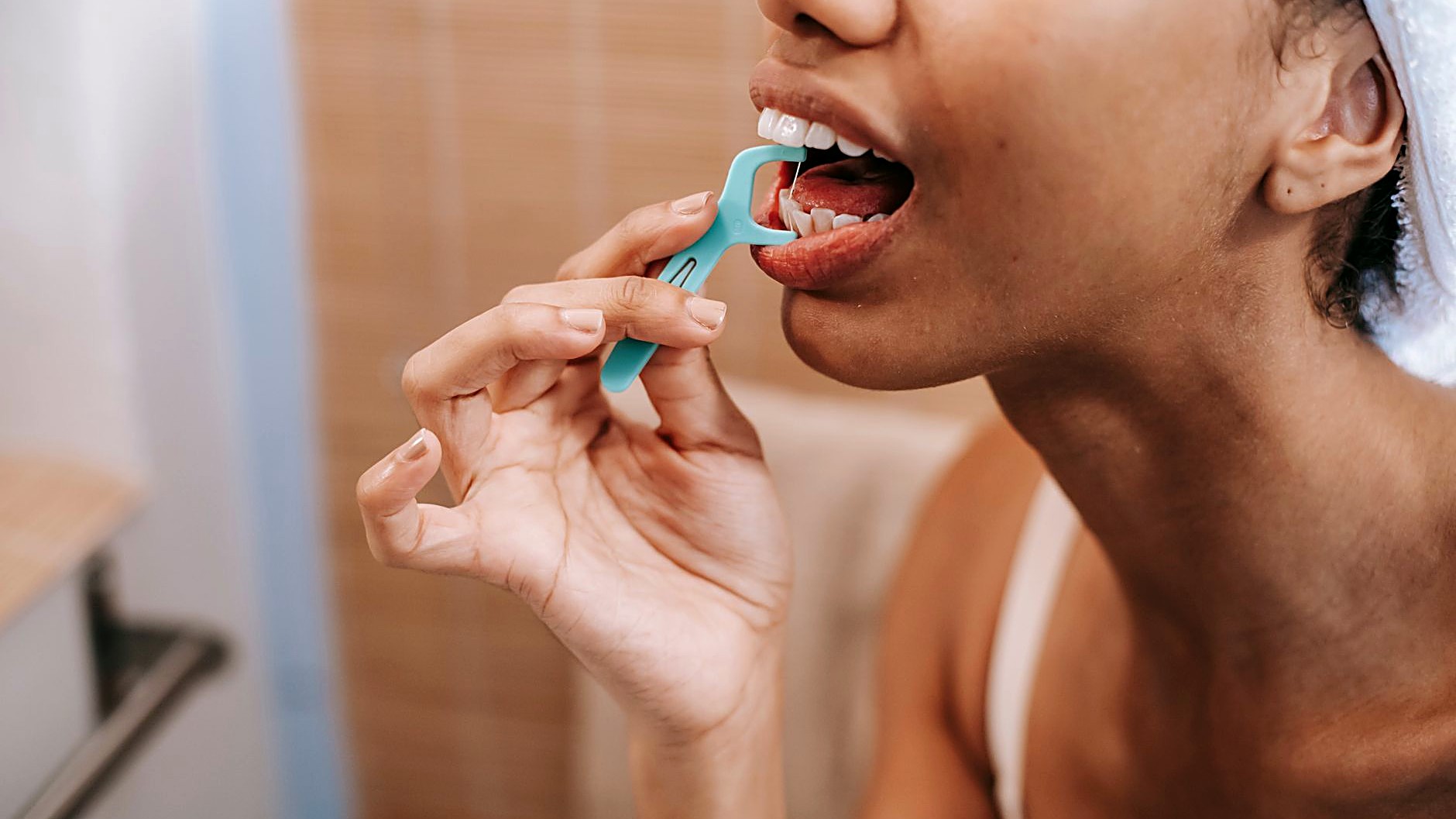 How to Stop Gums Bleeding After Flossing in 3 Easy Steps →
 Clove Oil for Bleeding Gums: A Natural Soothing Guide →
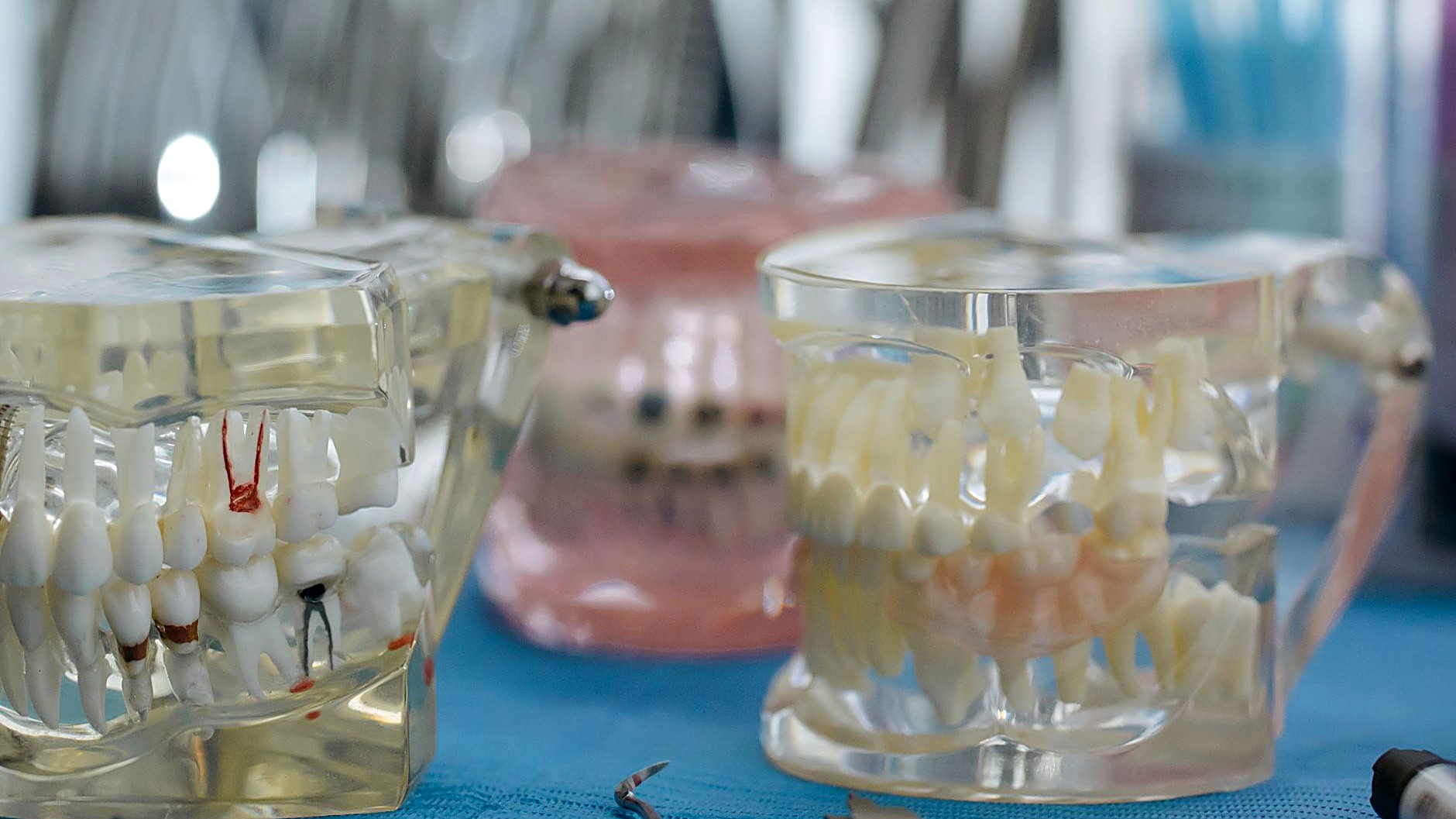 Heal Gum Infection and Reduce Swelling Naturally →
| What you feel | Most likely cause | First thing to do |
|---|---|---|
| Sharp stab in one spot between two teeth | Food packed under the gum | Floss that space slowly, then rinse |
| Raw, burning patch you can see | Scratch from hard food, or a hot drink burn | Salt rinse, soft cool foods, leave it alone |
| Dull ache across several teeth | Inflamed gums reacting to chewing pressure | Gentle brushing twice a day, clean between teeth daily |
| Throbbing that wakes you at night | Possible infection, or trouble inside the tooth | Call a dentist, do not wait it out |
| Pain plus a gum that bleeds on light touch | Early gum disease | Book a cleaning and a checkup |
| Pain around a back tooth half covered by gum | Wisdom tooth coming through | Dentist visit, and keep the area rinsed meanwhile |
Which foods make sore gums worse?
While the gum is tender, these are the repeat offenders:
- Popcorn — the hull is thin, sharp and almost invisible once it is under the gum.
- Nuts and seeds — small hard fragments wedge in easily.
- Chips and crackers — they shatter into edges that cut.
- Tough meat — fibers slide between teeth and stay there.
- Citrus, vinegar and tomato sauce — acid stings raw tissue.
- Very hot coffee, tea or soup — heat keeps a burn from closing.
- Sticky sweets — sugar sits against an already irritated gum line.
Easier choices for a few days: eggs, oatmeal, yogurt, bananas, well-cooked vegetables, soft rice, soup that has cooled to warm, and plenty of plain water.
How do I clean between my teeth without more pain?
Most people who stop cleaning a sore area make the soreness last longer. The debris stays, so the inflammation stays. The trick is technique, not force.
With floss:
1. Pull out a length about as long as your forearm and wind the ends around your middle fingers.
2. Guide it between two teeth with a slow sawing motion. Never drop it straight down.
3. Curve it into a C shape against one tooth and slide it just under the gum line.
4. Move it up and down two or three times, then repeat against the other tooth of the same gap.
5. Use a clean section of floss for the next gap.
With an interdental brush: pick the smallest size that goes in without being forced. Push it straight through, do not twist. If it will not go in without pressure, go one size smaller.
With a water flosser: start on the lowest setting, aim at the gum line at a right angle, and keep your lips closed over the sink. It helps flush loose debris, but it does not replace rubbing the tooth surface with floss or a brush.
A little bleeding the first few times you clean an inflamed area is common, and it usually settles as the inflammation goes down. Bleeding that gets heavier instead of lighter is a reason to be seen.
When should I stop treating this at home?
Call a dental office the same day if any of these are true:
- The gum is swollen enough to change the shape of your cheek or jaw.
- There is pus, a bad taste that keeps coming back, or a small bump on the gum.
- A tooth feels loose, or suddenly sits differently when you bite.
- You have a fever along with the mouth pain.
- The pain is throbbing and keeps you from sleeping.
- It hurts to swallow, or to open your mouth all the way.
- The same spot has hurt after every meal for more than a week.
Swelling that spreads toward the eye or the neck, or any trouble breathing or swallowing, is an emergency room situation, not a wait-and-see one. This article is general information, not a diagnosis of your mouth. A dentist or doctor who can actually look at the tissue is the only one who can tell you what is happening in your case.
What helps over the next couple of weeks?
If the cause was inflamed gums rather than one trapped piece of food, the fix is a routine, not a single rinse. Keep it simple enough that you will actually do it.
| When | What to do | How long |
|---|---|---|
| Morning | Soft-bristled brush, small circles at the gum line | 2 minutes |
| After the biggest meal | Rinse with water, or clean any space where food always packs | 1 minute |
| Night | Clean between every tooth first, then brush | 4 minutes total |
| Twice a week | Check your gums in the mirror in good light | 30 seconds |
What you are looking for in the mirror: gums that are pink and firm, that hug the tooth, and that do not bleed when you run a clean finger along them. Gums that are puffy, dark red, shiny, or that pull away from the tooth, are telling you the routine is not reaching that area.
Two more things make a real difference. Replace your toothbrush as soon as the bristles start to splay out, because a flattened brush slides over the gum line instead of cleaning it. And if you use tobacco, know that it both slows gum healing and hides bleeding, so damage progresses more quietly.
Your next step tonight
Do the salt rinse, clean the one sore space with floss or an interdental brush, and write down on your phone which tooth it was and what you had eaten. If the same spot hurts after tomorrow's meals, you have a specific thing to tell the dentist instead of "my gums hurt", and that one detail usually turns a long appointment into a short one. Book the visit while you still remember which tooth it was.
FAQ
Why does only one spot in my mouth hurt after I eat?
A pinpoint pain in one space almost always means something is trapped under the gum there, or that the gum in that spot is inflamed. Clean that single space slowly with floss or a small interdental brush and rinse with warm salt water. If the same spot hurts after every meal for more than a week, have a dentist look at it, because a cracked filling or a rough edge on a tooth can trap food over and over.
Is it safe to keep flossing when my gums are sore and bleed a little?
Gentle cleaning is usually part of the fix, not the problem. Stopping leaves the debris in place and keeps the gum irritated. Slide the floss in slowly instead of snapping it down, curve it against the side of the tooth, and use a soft touch. Bleeding that gets heavier day after day, instead of lighter, is a reason to be checked by a dentist.
How long should sore gums take to feel normal again?
Pain from trapped food or a small scratch usually fades within a day or two once the area is clean. Soreness from inflamed gums takes longer and only improves with daily cleaning between the teeth. Pain that throbs, that wakes you at night, or that comes with swelling or a bad taste should be seen by a dentist rather than waited out.
Simple health wins in your inbox. No hype.
Educational content, not medical advice. Talk to your doctor before making health decisions.