Is Receding Gums Treatment at Home Worth It? A Simple Breakdown

Quick answer: Home care can slow gum recession and reduce pain, but it cannot regrow lost tissue. For mild cases, good hygiene helps. For advanced cases, professional care is needed. Always check with a dentist to know your specific level of risk.↗ Share on X
The Short Truth: What Home Care Can and Cannot Do
 How to Stop Gums Bleeding After Flossing in 3 Easy Steps →
 Clove Oil for Bleeding Gums: A Natural Soothing Guide →
 Heal Gum Infection and Reduce Swelling Naturally →
Many people worry when they see more of their tooth root. The gums look shorter. The teeth feel sensitive. You might see a video online that promises a miracle cure. It feels hopeful. But is it true?
Here is the direct answer. You cannot regrow gum tissue at home. Once the gum line moves down, it does not come back up on its own. No oil, no powder, and no exercise will bring it back. This is a hard fact. However, home treatment is still worth it. It stops the problem from getting worse. It reduces pain. It keeps the rest of your gums healthy. For many people, this is enough to manage the condition for years.
I remember when I first noticed my gums pulling back. I was brushing too hard. I used a stiff brush. I thought I was cleaning well. I was actually hurting my gums. When I switched to a soft brush and changed my technique, the bleeding stopped. The sensitivity went down. It did not fix the recession, but it stopped the damage. That is the goal of home care. Stop the bleeding. Keep it stable.
Simple health wins in your inbox. No hype.
Why Gums Recede: Understanding the Cause
Affiliate link. We may earn a commission on purchases, at no extra cost to you.
This content is informational and is not a substitute for medical advice. Supplements do not cure or treat diseases.
To treat the problem, you must know why it happens. There are three main reasons. Knowing which one applies to you helps you choose the right home care.
1. Aggressive Brushing
This is the most common cause in people over 45. We have brushed our teeth for decades. We often use the same technique. If you scrub back and forth with a hard brush, you wear down the gums. The tissue is soft. It does not like friction. Over time, it thins out. Then it pulls back. This is mechanical damage. It is not a disease. It is a habit issue.
2. Gum Disease (Periodontitis)
Plaque builds up on the teeth. If you do not remove it, it hardens into tartar. Tartar irritates the gums. Bacteria in the plaque attack the bone and tissue. This is an infection. It is serious. Home care can help control the bacteria, but it cannot remove deep tartar. You need a professional for that. If your gums bleed easily, this might be the cause.
3. Genetics and Age
Some people have thin gum tissue. As we age, the tissue naturally gets thinner. This is normal. It is not a disease. You cannot change your genetics. But you can protect what you have. Gentle care is key here.
The Home Routine That Actually Helps
 How to Stop Bleeding Gums Safely on Blood Thinners →
 Preventing Gum Disease with a Weak Immune System Naturally →
 Protecting Gums During Pregnancy: Simple Home Care Tips →
If you want to try home care, you need a specific routine. Random tips do not work. Consistency does. Here is a simple plan that many dental hygienists suggest for maintenance.
Step 1: Switch to a Soft Brush
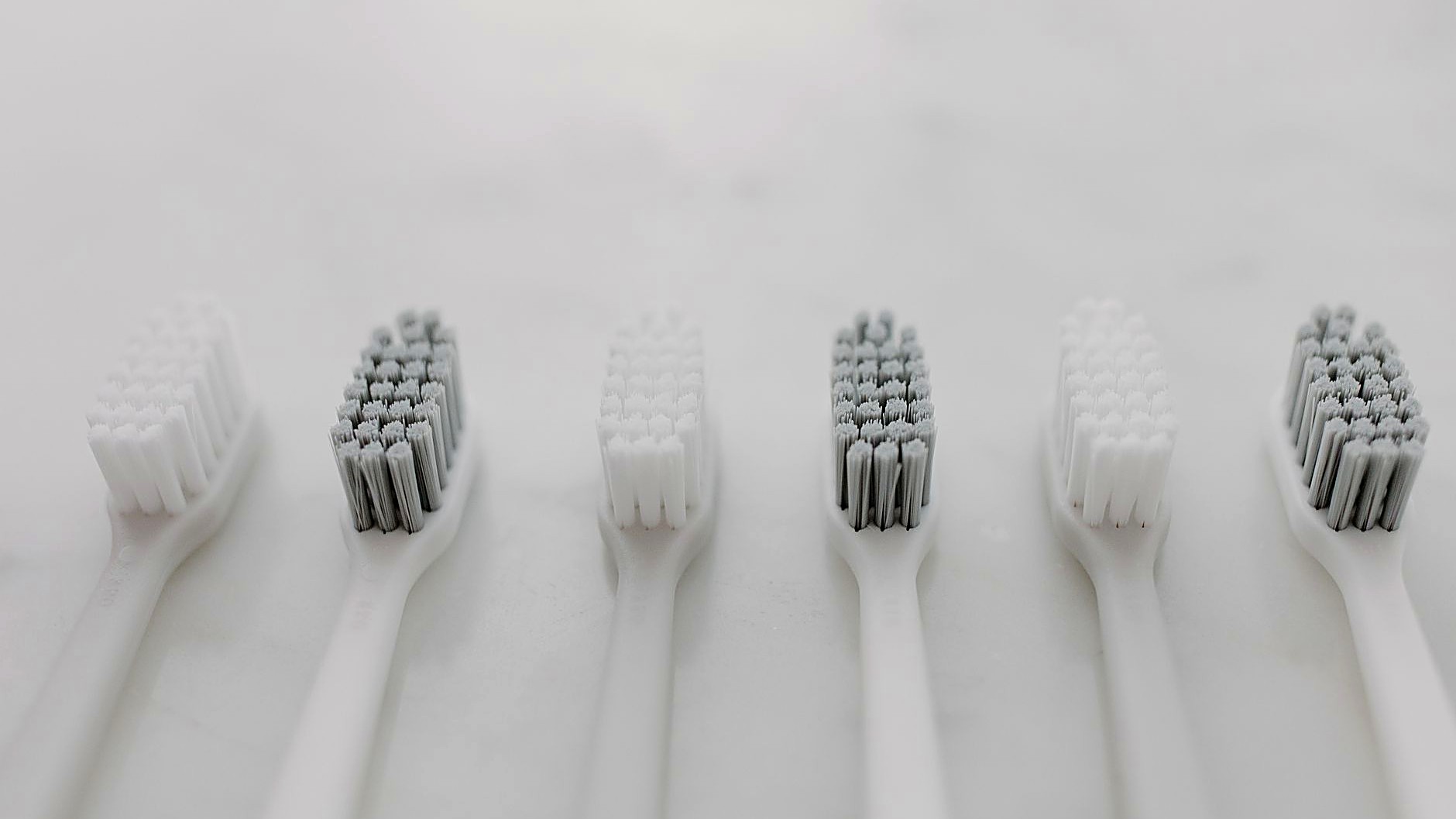
Throw away your medium or hard brush. Buy a soft one. The bristles should bend easily. When you brush, use small circles. Do not scrub. Think of it as polishing, not scrubbing. Hold the brush at a 45-degree angle to the gum line. This cleans the pocket without hurting the tissue. Brush for two minutes. Twice a day. No more. More is not better. It is worse.
Step 2: Floss Gently
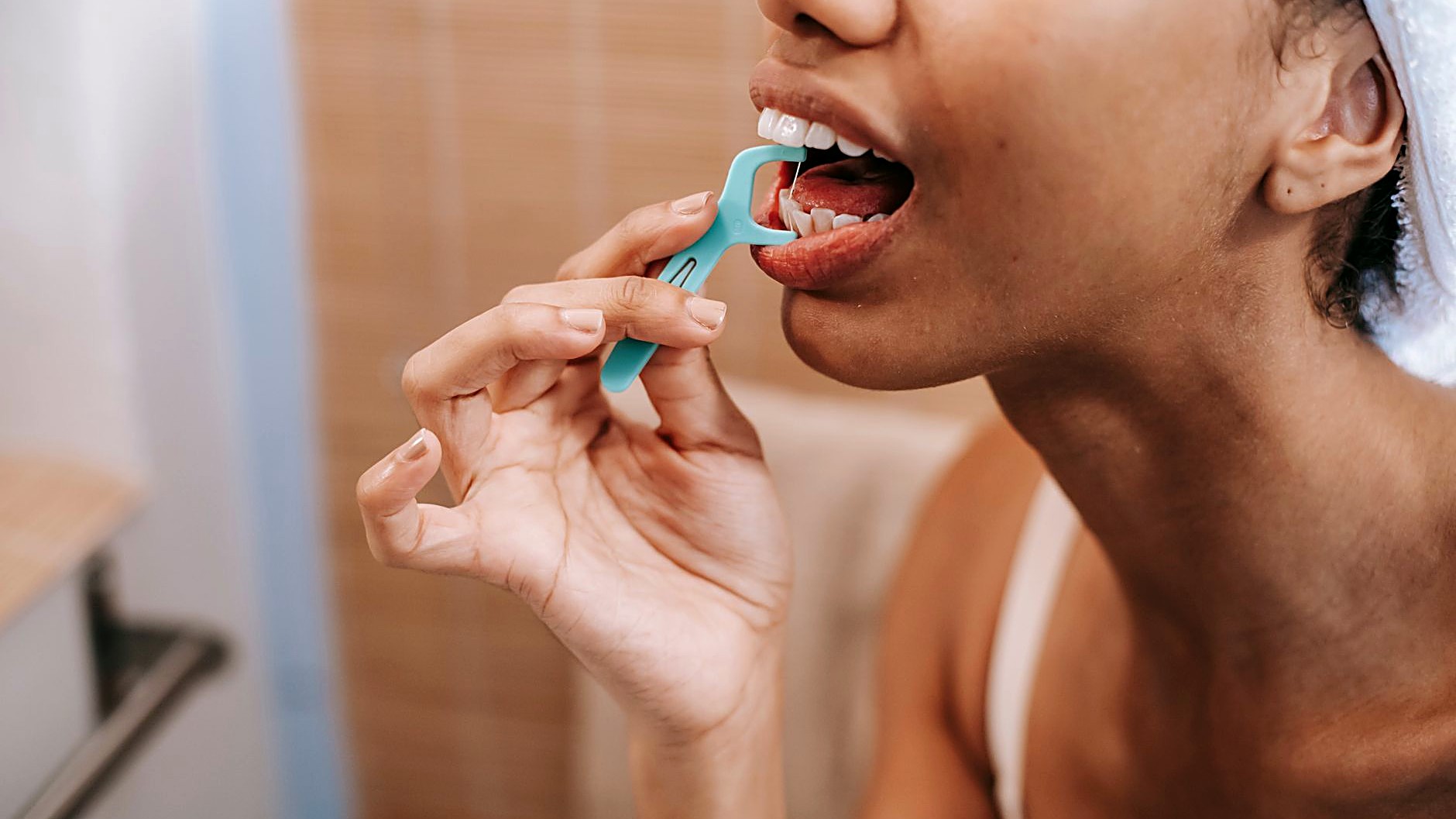
Flossing is hard on receding gums. If you snap the floss, you cut the tissue. Use a gentle sawing motion. Slide the floss up and down the side of the tooth. Do not force it. If it hurts, stop. Try a water flosser. These devices use water pressure to clean between teeth. They are less aggressive than string floss. For many people with sensitive gums, a water flosser is a game-changer. It removes plaque without touching the gum tissue directly.
Step 3: Use the Right Toothpaste
Look for toothpaste with desensitizing ingredients. Potassium nitrate is a common one. It blocks the pain signals from the nerve. It does not fix the gum, but it stops the pain. This makes daily life easier. You can eat hot food. You can drink cold coffee. It improves your quality of life. Use it twice a day. Give it two weeks to work. It is not instant.
Step 4: Salt Water Rinses
Salt water is a simple antiseptic. It helps reduce swelling. It kills some bacteria. Mix one teaspoon of salt in a cup of warm water. Swish it for 30 seconds. Spit it out. Do this once or twice a day. It is cheap. It is safe. It is effective for mild inflammation. I use this when my gums feel tender after a long day. It feels soothing. It is a small habit with a big impact.
When Home Care Is Not Enough
You must know the limits. Home care is for maintenance. It is not for repair. There are signs that you need a dentist. Do not ignore them.
Sign 1: Deep Pockets
If you can see a gap between the tooth and the gum, it may be a pocket. If the pocket is deep, bacteria hide there. You cannot clean it with a brush. A dentist can clean it with special tools. This is called scaling and root planing. It is a deep cleaning. It removes the tartar below the gum line. It allows the gums to heal. Without this, the bone loss continues.
Sign 2: Loose Teeth
If a tooth feels loose, the bone is gone. This is advanced gum disease. Home care will not save the tooth. You need professional treatment. This might include surgery. It might include antibiotics. Do not wait. Loose teeth can fall out. This is painful and expensive to fix later.
Sign 3: Bleeding That Does Not Stop
Mild bleeding when you start flossing is normal. It goes away after a few days. If your gums bleed every time you brush, it is a sign of inflammation. If the bleeding is heavy, see a doctor. It could be a sign of a blood disorder or severe gum disease. Do not guess. Get checked.
The Cost-Benefit Analysis
Is it worth it? Let’s look at the numbers. A professional deep cleaning costs money. It can be expensive. Home care costs almost nothing. A soft brush is cheap. Salt is cheap. Toothpaste is affordable. If you catch the problem early, home care saves you money. It prevents the need for surgery. Surgery is very expensive. It takes time to heal. It is uncomfortable. By doing the simple things at home, you avoid the big problems. You keep your teeth. You save your money. You keep your smile. That is worth it.
However, if you have advanced disease, home care is not enough. It will not stop the bone loss. You will lose teeth. That is not worth it. You must balance the cost of prevention with the cost of cure. Prevention is always cheaper. But it only works if you start early. If you are already in advanced stages, professional care is the only option. Do not waste time on home remedies that do not work. Go to the dentist. Get the treatment you need. Then use home care to maintain the results.
Final Thoughts
Receding gums are a common problem. They are not the end of the world. You can manage them. You can live with them. You can keep your teeth for a long time. The key is knowledge. Know your cause. Use the right tools. Be gentle. Be consistent. And know when to call for help. Do not be afraid of the dentist. They are there to help. They have seen this before. They have the tools to fix what you cannot fix at home. Combine home care with professional care. That is the best path. It is simple. It is effective. It is worth it.
This article is for general information only and is not medical or dental advice. Talk to a healthcare or dental professional about your situation.
Frequently asked questions
Can I regrow my gums at home?
No. Gum tissue does not grow back once it is lost. Home care can stop further recession and reduce pain, but it cannot restore the original gum line. Only professional surgery can add tissue back.
Is it safe to use salt water for gum recession?
Yes. Salt water is safe for most people. It helps reduce swelling and kills bacteria. It is a gentle rinse that supports healing. Use warm water and dissolve the salt fully before swishing.
How often should I see a dentist if I have receding gums?
You should see a dentist at least twice a year for cleanings. If you have active gum disease, you may need to go more often. Your dentist will tell you the best schedule for your specific case.
Does brushing harder clean my teeth better?
No. Brushing harder damages your gums and enamel. It does not clean better. It causes more harm. Use a soft brush and gentle pressure. The bristles do the work, not your arm strength.
Are electric toothbrushes better for receding gums?
They can be. Electric brushes often have a pressure sensor. This stops you from brushing too hard. They also move in small circles, which is good for gums. Choose a model with a sensitive mode.
*This article is for general information only and is not medical or dental advice. Talk to a healthcare or dental professional about your situation.*
Simple health wins in your inbox. No hype.
Educational content, not medical advice. Talk to your doctor before making health decisions.