Protecting Gums During Pregnancy: Simple Home Care Tips
Quick answer: During pregnancy, hormonal changes can make your gums more sensitive and prone to inflammation, known as 'pregnancy gingivitis.' Gentle daily brushing, consistent flossing, and natural rinses like warm salt water can help prevent gum disease. Focus on good nutrition and regular, gentle oral hygiene to keep your gums healthy.↗ Share on X
Pregnancy brings many wonderful changes, but some can be unexpected. One common change many women notice is how their gums behave. Suddenly, brushing might lead to a little bleeding, or your gums might feel more tender than usual. This is often called 'pregnancy gingivitis,' and it's very common. But don't worry, you can take simple, natural steps at home to keep your gums healthy and comfortable throughout your pregnancy.
Understanding Pregnancy Gingivitis: Why Gums Get Sensitive
Pregnancy gingivitis is a mild form of gum disease that affects many expectant mothers. It happens because of the big hormonal shifts in your body. Increased levels of progesterone and estrogen can make your gums more sensitive to the bacteria in plaque. This means your gums might react more strongly to even a small amount of plaque, leading to inflammation, swelling, redness, and sometimes bleeding. It's your body's way of responding to the changes. While common, it's important to address it. Untreated gum inflammation can sometimes lead to more serious gum disease, which is always best to avoid, especially during pregnancy. Knowing why it happens is the first step to taking good care of your mouth.
Daily Oral Hygiene: The Foundation of Gum Health
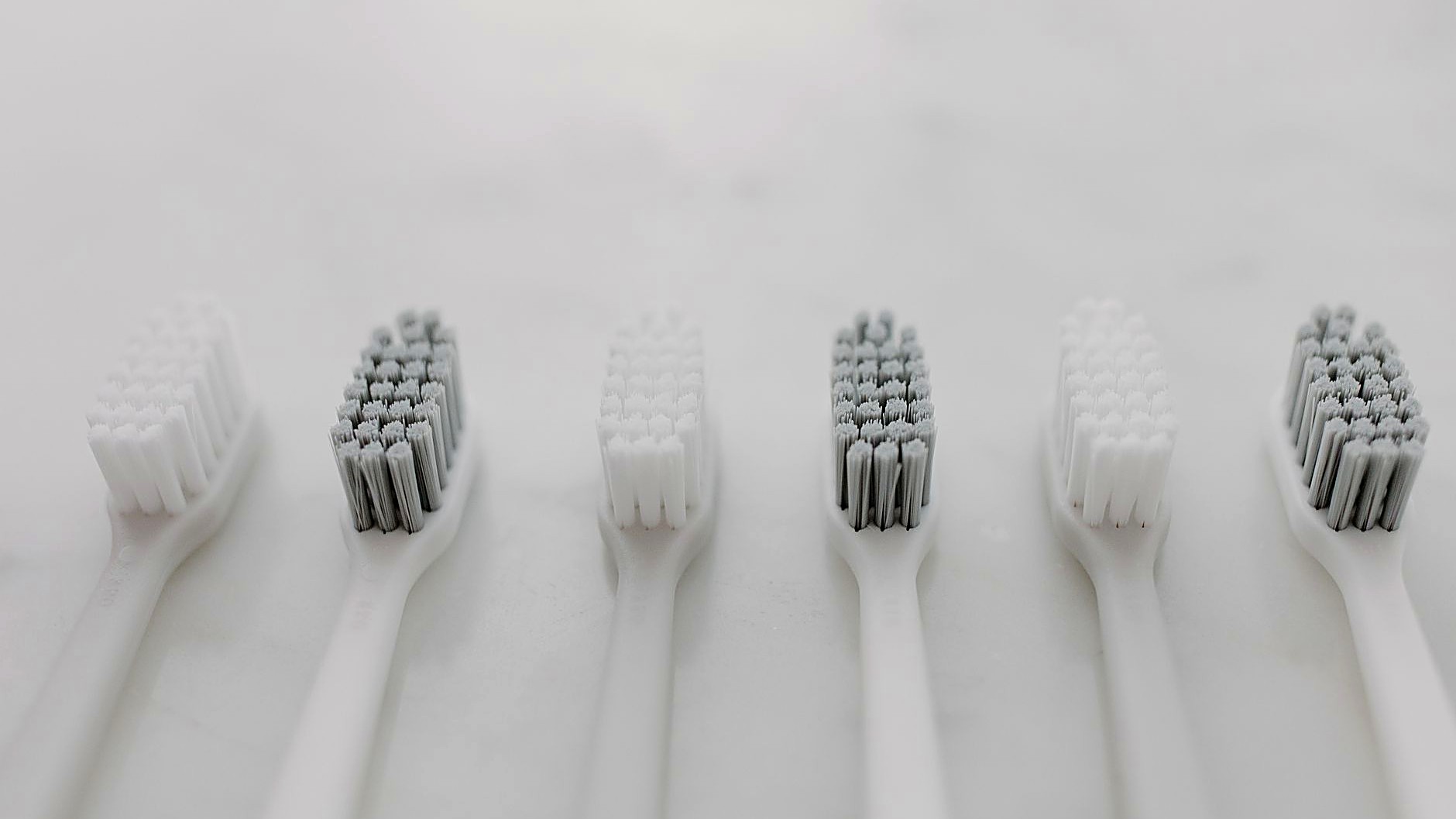
The most powerful tool you have for preventing gum disease is your daily oral hygiene routine. It's simple, but consistency is key. Start with brushing twice a day for two minutes each time. Use a soft-bristled toothbrush. Hard bristles can irritate already sensitive gums. Brush gently in small circles, paying attention to the gum line where plaque tends to gather. Don't scrub too hard; think of it as a gentle massage for your gums. I remember during my own pregnancy, my gums felt so tender, I switched to an extra-soft brush and focused on very light, circular motions. It made a big difference in comfort.
Flossing once a day is just as important as brushing. Flossing removes food particles and plaque from between your teeth and under the gum line, areas your toothbrush can't reach. If you're new to flossing, it might feel a little awkward at first, or your gums might bleed slightly. This is often a sign that you need to floss more regularly, not less. Be gentle, use about 18 inches of floss, and curve it around each tooth, sliding it gently under the gum line. Rinse your mouth with water after brushing and flossing to wash away any loosened particles.
Natural Rinses and Remedies for Soothing Gums
Beyond brushing and flossing, several natural remedies can help soothe inflamed gums and reduce bacteria. One of the simplest and most effective is a warm salt water rinse. Salt is a natural disinfectant and can help reduce inflammation. Mix half a teaspoon of salt into a glass of warm water and swish it around your mouth for 30 seconds, then spit it out. You can do this two or three times a day, especially after meals. It's a gentle way to clean and calm your gums.
Another popular natural remedy is coconut oil pulling. Swish a tablespoon of organic virgin coconut oil in your mouth for 10-15 minutes, then spit it into the trash (not the sink, as it can clog pipes). Coconut oil has antimicrobial properties that may help reduce harmful bacteria in your mouth. Some people find it helps with gum inflammation and even brightens their smile. While research is ongoing, many find it a pleasant addition to their routine. Remember, oil pulling should never replace brushing and flossing, but it can be a helpful extra step. Some also find diluted aloe vera juice, used as a rinse, to be soothing for irritated gums due to its anti-inflammatory properties.
Diet and Nutrition for Strong, Healthy Gums
What you eat plays a big role in your overall health, including your gum health. A balanced diet supports a healthy immune system, which in turn helps your body fight off infections, including gum disease. Focus on foods rich in Vitamin C, which is vital for healthy gum tissue and can help reduce inflammation. Think citrus fruits, berries, bell peppers, and leafy greens. Calcium and Vitamin D are also important for strong teeth and bones, so include dairy products, fortified plant milks, and safe sun exposure in your routine.
Limit sugary foods and drinks. Sugar feeds the bacteria in your mouth that produce acids, leading to plaque buildup and gum irritation. If you do have a sweet treat, try to have it with a meal rather than snacking on it throughout the day, and brush your teeth afterward. Staying well-hydrated by drinking plenty of water also helps. Water washes away food particles and keeps your mouth moist, which can help prevent bacterial growth.
Lifestyle Habits for Optimal Oral Wellness
Beyond diet and direct oral care, certain lifestyle habits can support your gum health during pregnancy. Managing stress is important. High stress levels can impact your immune system, making you more vulnerable to inflammation. Find healthy ways to relax, whether it's gentle walks, meditation, or simply taking a few moments for yourself each day. Getting enough rest also gives your body time to repair and rejuvenate.
Avoid smoking entirely. Smoking is a major risk factor for gum disease and can make pregnancy gingivitis much worse. It reduces blood flow to the gums, making it harder for them to heal. If you smoke, pregnancy is an excellent time to seek support to quit. Also, be mindful of any morning sickness. If you experience vomiting, rinse your mouth with water or a fluoride mouthwash afterward to neutralize stomach acids that can harm your teeth and gums. Don't brush immediately, as the acid can soften enamel, making it more vulnerable to abrasion.
When to Seek Professional Dental Care
While home remedies and good hygiene are powerful, they are not a substitute for professional dental care. It's very important to continue your regular dental check-ups during pregnancy. Let your dentist know you are pregnant. They can offer professional cleanings to remove stubborn plaque and tartar that home brushing can't tackle. They can also monitor your gum health and offer personalized advice.
If your gum bleeding or tenderness is severe, or if you notice any signs of infection like pus, persistent bad breath, or loose teeth, contact your dentist right away. These could be signs of a more serious issue that needs professional attention. Your dental team can work with you to ensure your oral health supports a healthy pregnancy. Remember, taking care of your gums is a key part of your overall well-being during this special time.
This article is for general information only and is not medical or dental advice. Talk to a healthcare or dental professional about your situation.
Frequently asked questions
Is it normal for gums to bleed during pregnancy?
Yes, it is quite common for gums to bleed or feel more sensitive during pregnancy. This is often due to hormonal changes that increase blood flow to your gums, making them more reactive to plaque. This condition is known as pregnancy gingivitis. Gentle, consistent oral hygiene can help manage it.
Can gum disease during pregnancy affect my baby?
While mild pregnancy gingivitis is common, more severe gum disease (periodontitis) has been linked in some studies to potential risks like preterm birth or low birth weight. It's important to maintain good oral hygiene and see your dentist regularly to prevent serious gum issues during pregnancy.
Are natural mouth rinses like salt water safe during pregnancy?
Yes, warm salt water rinses are generally considered safe and beneficial during pregnancy. Salt is a natural antiseptic and can help reduce inflammation and soothe irritated gums. Always use plain salt and warm water, and avoid swallowing the rinse.
How often should I brush and floss my teeth when pregnant?
You should continue to brush your teeth twice a day for two minutes each time with a soft-bristled brush and floss once a day. Consistency is key to removing plaque and preventing gum inflammation. If you experience morning sickness, rinse your mouth with water after vomiting before brushing.
When should I see a dentist during pregnancy?
It's important to continue your regular dental check-ups during pregnancy. Inform your dentist that you are pregnant. They can provide professional cleanings and address any concerns about your gum health. If you notice severe bleeding, pain, or signs of infection, contact your dentist right away.
*This article is for general information only and is not medical or dental advice. Talk to a healthcare or dental professional about your situation.*
Simple health wins in your inbox. No hype.
Educational content, not medical advice. Talk to your doctor before making health decisions.