How to Stop Bleeding Gums Safely on Blood Thinners
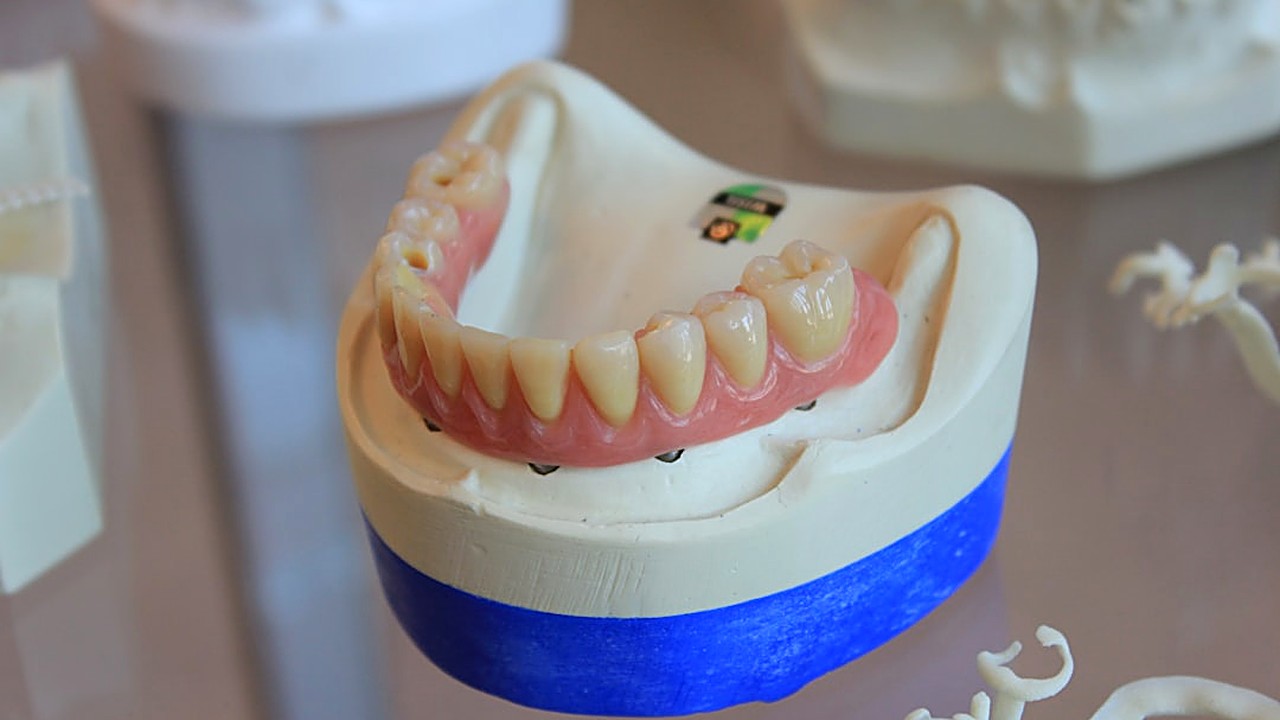
Quick answer: Bleeding gums on blood thinners can be managed with soft brushing, salt water rinses, and gentle flossing. Avoid hard foods and sharp tools. If bleeding lasts more than a few days or is heavy, see your dentist right away.↗ Share on X
Why Blood Thinners Make Gums Bleed More
 Nighttime Racing Mind: Why It Happens and How to Slow It Down →
 Swollen Gums at Home: What Helps and What Wastes Time →
 Can You Reverse Gum Disease at Home? The Honest Answer →
Blood thinners like warfarin, apixaban, or aspirin slow clotting. This means small cuts in your gums bleed longer than usual. Healthy gums rarely bleed. If they do, it often shows plaque buildup or weak spots. With blood thinners, even gentle brushing can cause bleeding.
I once saw a patient who took warfarin. She avoided brushing for days because her gums bled every time. Plaque built up fast. After we adjusted her technique, her gums stayed cleaner and bled less. The key is gentle care, not skipping brushing.
Signs to watch:
- Pink in the sink after brushing
- Swollen or red gums
- Blood after flossing
These signs do not always mean danger. But they do mean you need a gentler routine.
Simple health wins in your inbox. No hype.
Gentle Brushing: The First Step
Affiliate link. We may earn a commission on purchases, at no extra cost to you.
This content is informational and is not a substitute for medical advice. Supplements do not cure or treat diseases.
Use a soft-bristle toothbrush. Hard bristles scratch gums and make bleeding worse. Angle the brush at 45 degrees. Brush in small circles. Do not scrub back and forth like you are polishing shoes.
Electric toothbrushes can help. They clean well with less pressure. Many have pressure sensors that beep if you push too hard. I recommend one with a timer. Two minutes is enough. Three minutes is fine if you take it slow.
Extra tip: Rinse your mouth with cool water after brushing. Warm water opens blood vessels. Cool water helps close them gently.
Salt Water Rinses: A Simple Healer
 Bleeding Gums: What Heals at Home, What Needs a Dentist →
 How to Stop Gums Bleeding at Night: Simple Safe Tips for Better Sleep →
 Is Receding Gums Treatment at Home Worth It? A Simple Breakdown →
Salt water reduces swelling and fights germs. Mix half a teaspoon of salt in a cup of warm water. Swish for 30 seconds. Do this two or three times a day. It is safe and helps gums heal faster.
A patient once told me salt water rinses calmed her gums within two days. She used them after meals and before bed. The bleeding stopped, and her gums felt firmer.
Do not use:
- Mouthwash with alcohol (it stings and dries gums)
- Hydrogen peroxide (too strong for daily use)
Flossing Without the Bleeding
Flossing removes plaque between teeth. Plaque causes gum disease, which makes bleeding worse. But flossing with blood thinners needs care.
Use waxed floss. It slides easier and causes less friction. Slide the floss gently up and down. Do not snap it between teeth. If flossing causes heavy bleeding, try a water flosser. It uses a gentle stream of water to clean. Many people find it gentler on gums.
Alternative tools:
- Interdental brushes (small brushes for gaps)
- Soft picks (plastic picks for tight spaces)
Start with flossing once a day. Increase slowly if your gums tolerate it.
Foods to Eat and Avoid
Some foods help gums heal. Others make bleeding worse. Eat soft foods like yogurt, mashed bananas, or steamed veggies. They require less chewing, so gums get less pressure.
Avoid hard, crunchy, or sticky foods. Think chips, nuts, or caramel. These can cut gums or pull at them. Also avoid very hot or spicy foods. They irritate gums and increase blood flow.
Healing foods:
- Leafy greens (spinach, kale) – high in vitamin K, which helps clotting
- Citrus fruits (oranges, kiwi) – vitamin C strengthens gums
- Lean proteins (chicken, fish) – help tissue repair
When to See a Dentist
Bleeding gums can signal gum disease or other issues. If bleeding lasts more than a week, see your dentist. Heavy bleeding, like blood pooling in your mouth, needs quick attention.
Your dentist may adjust your cleaning routine. They might recommend special mouth rinses or check your medication dose. Never stop blood thinners without talking to your doctor first.
Red flags:
- Blood in saliva after a week of gentle care
- Gums that pull away from teeth
- Pain or bad taste in your mouth
Safe Pain Relief for Sore Gums
If gums hurt, you can take pain relief. Choose acetaminophen (Tylenol) first. It does not thin blood. Avoid ibuprofen (Advil) or naproxen (Aleve) unless your doctor says it is okay. These can increase bleeding risk.
For swelling, use a cold compress. Wrap ice in a cloth and hold it to your cheek for 10 minutes. Do this a few times a day. It numbs the area and reduces swelling.
Do not use:
- Aspirin for pain (it is a blood thinner)
- Topical gels with benzocaine (can irritate gums)
Daily Routine for Healthy Gums on Blood Thinners
A simple routine keeps gums strong. Start with brushing in the morning and before bed. Use salt water rinses after meals. Floss once a day, gently. Check your gums every few days for changes.
I saw a patient who followed this routine. His gums stopped bleeding within two weeks. He said the salt water rinses made the biggest difference. Consistency is key.
Sample routine:
- Morning: Brush with soft brush + salt water rinse
- After lunch: Salt water rinse
- Evening: Brush + floss + salt water rinse
- Before bed: Salt water rinse
Common Mistakes to Avoid
Many people make small mistakes that worsen bleeding. Do not skip brushing because gums bleed. Plaque builds up fast and causes more problems. Do not use mouthwash with alcohol. It dries gums and makes them more fragile.
Another mistake is using a hard toothbrush. It feels like it cleans better, but it damages gums. Also, do not poke gums with sharp tools like toothpicks. Use interdental brushes instead.
What to do instead:
- Use a soft brush or electric toothbrush
- Rinse with salt water, not alcohol mouthwash
- Clean between teeth with gentle tools
Talking to Your Doctor or Dentist
Always tell your doctor or dentist you take blood thinners. They may adjust your cleaning schedule. Some procedures, like deep cleaning, need special care when you take blood thinners.
Your dentist might ask about your medication dose. They may suggest a blood test to check clotting time. This helps them plan safe care.
Questions to ask:
- Is my blood thinner dose right for me?
- Should I change my oral care routine?
- Are there safer pain relief options?
Natural Remedies That May Help
Some people find relief with natural remedies. Aloe vera gel can soothe gums. Apply a small amount with a clean finger. Do not swallow it. Green tea rinses may also help. Brew green tea, cool it, and swish for 30 seconds.
Caution:
- Natural does not always mean safe. Test a small amount first.
- Stop if you feel irritation or more bleeding.
Keeping Track of Gum Health
Write down when gums bleed. Note what you ate or did that day. This helps you spot patterns. If bleeding happens after flossing, you may need to change your technique. If it happens after eating hard food, avoid that food.
Use a mirror to check gums weekly. Look for redness, swelling, or changes in color. Early changes are easier to fix.
What to track:
- Days with bleeding
- Foods eaten before bleeding
- Brushing or flossing changes
- Any pain or swelling
Final Thoughts: Be Patient and Kind to Your Gums
Bleeding gums on blood thinners can feel scary. But with gentle care, they often improve. Start with small changes. Use soft tools. Rinse with salt water. Eat healing foods. See your dentist if bleeding lasts too long.
Remember, your gums are part of your body’s defense system. Treat them with care. Over time, they will get stronger.
This article is for general information only and is not medical or dental advice. Talk to a healthcare or dental professional about your situation.
Frequently asked questions
Can I stop taking blood thinners if my gums bleed a lot?
No. Never stop blood thinners without talking to your doctor first. Sudden changes can cause serious health problems like blood clots. Instead, focus on gentle oral care and tell your dentist about your medication.
Is it okay to use mouthwash if my gums bleed?
Avoid mouthwash with alcohol. It can dry and irritate gums, making bleeding worse. Instead, use salt water rinses. They are gentle and help heal gums without harsh chemicals.
How long should I wait before seeing a dentist about bleeding gums?
See your dentist if bleeding lasts more than a week or is heavy. Also go if you have swelling, pain, or bad taste in your mouth. These signs may mean gum disease or another issue that needs care.
Can I use an electric toothbrush if my gums bleed?
Yes, an electric toothbrush can be gentler than a manual one. Choose one with soft bristles and a pressure sensor. Brush in small circles for two minutes. It may reduce bleeding over time.
Are there foods that make bleeding gums worse?
Yes. Hard, crunchy, or sticky foods can cut or pull at gums. Avoid chips, nuts, caramel, and tough meats. Also skip very hot or spicy foods. They increase blood flow and irritation in gums.
*This article is for general information only and is not medical or dental advice. Talk to a healthcare or dental professional about your situation.*
Simple health wins in your inbox. No hype.
Educational content, not medical advice. Talk to your doctor before making health decisions.