Gums Bleed When You Brush? 5 Checks to Do at Home Tonight
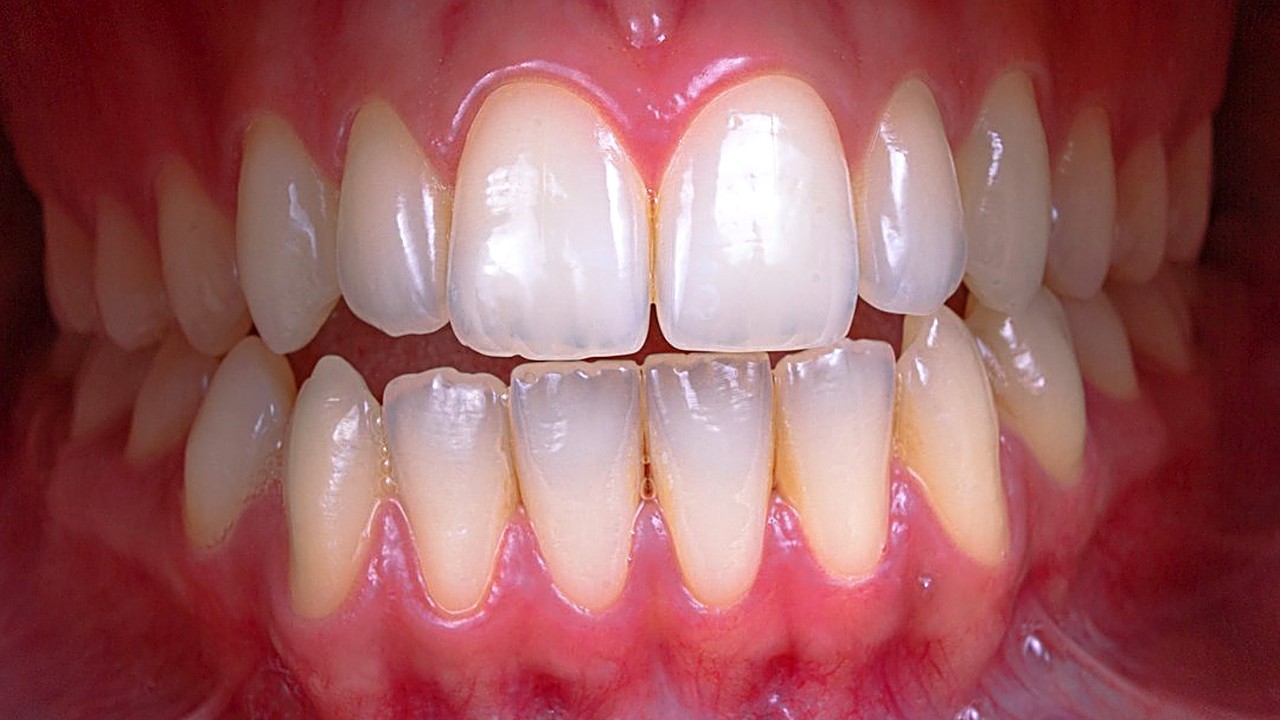
Quick answer: Gums that bleed when you brush are most often caused by gingivitis, an early and reversible gum inflammation from plaque. Gentle brushing with a soft brush twice a day plus daily flossing often helps within about two weeks. If bleeding continues past two weeks, or you see pus, loose teeth or receding gums, see a dentist.↗ Share on X
If your gums bleed when you brush, the most common reason is gingivitis: plaque sitting at the gumline has made the gums swollen and tender. In many people, this early stage gets better within about two weeks of gentle, thorough cleaning twice a day plus daily flossing. If the bleeding has not improved after two weeks of good care, or if you see pus, loose teeth, or gums pulling away from teeth, book a dentist visit. Those signs can point to gum disease that home care alone cannot fix.
Below are five simple checks you can do at home tonight. They help you figure out what is going on, what you can fix yourself, and when it is time to call a professional.
What does bleeding gums actually mean?
 Nighttime Racing Mind: Why It Happens and How to Slow It Down →
 How to Use Baking Soda Safely to Reduce Gum Bleeding →
 Is Treating Gingivitis Worth It? A Plain Home Care Breakdown →
Healthy gums are firm, pale pink, and do not bleed during normal brushing. When plaque (a sticky film of germs) stays along the gumline for a few days, the gums react. They get red, puffy, and bleed easily. That reaction is called gingivitis.
Gingivitis is the early, reversible stage. If it goes on for months, it can turn into periodontitis. That is the deeper stage where the bone and tissue holding the teeth start to break down. Periodontitis cannot be reversed at home. A dentist can control it, but lost bone does not grow back on its own.
So the real question is not just "why do my gums bleed?" It is "which stage am I in, and is my cleaning routine reaching the problem?"
Simple health wins in your inbox. No hype.
Check 1: Is the bleeding in one spot or everywhere?
Affiliate link. We may earn a commission on purchases, at no extra cost to you.
This content is informational and is not a substitute for medical advice. Supplements do not cure or treat diseases.
Look in the mirror right after brushing. Spit into the sink and notice where the pink comes from.
- One or two spots only: Often a spot you keep missing, food stuck between two teeth, a rough filling edge, or a crown that traps plaque.
- All along the gumline: More likely general gingivitis from plaque build-up across the mouth.
- Mostly the back teeth: These are the hardest to reach. Many people brush the front teeth well and rush the back.
What to do: For one spot, floss there gently every day for a week. If a piece of food is always stuck in the same gap, a dentist should check that gap. For bleeding everywhere, move on to the next checks. Your routine is the likely issue.
Check 2: Are you brushing too hard or with the wrong brush?
 Stop Gum Recession Naturally with Simple Daily Habits →
 Gums Hurt After Eating? What to Check in the First Hour →
 Does Oil Pulling Stop Bleeding Gums? What It Really Does →
A lot of people scrub harder when they see blood, thinking they need to "clean it off." That usually makes it worse.
Signs you brush too hard:
1. The bristles on your brush are splayed out after a few weeks.
2. Your gums look scraped or have small cuts.
3. You can see the gum line creeping down and the tooth looking longer.
What to do:
- Switch to a soft-bristle brush. Medium and hard brushes are not needed for most people.
- Hold the brush like a pen, not like a hammer.
- Angle the bristles about 45 degrees toward the gumline and use small, gentle circles.
- Brush for two full minutes. Use a phone timer if needed.
- Replace your brush or brush head about every three months, or sooner if the bristles bend.
Check 3: Are you cleaning between your teeth?
A toothbrush cannot reach the tight spaces between teeth. That is exactly where gingivitis often starts. If you only brush, a big part of each tooth never gets cleaned.
What to do:
1. Floss once a day. Slide the floss gently between the teeth.
2. Curve it into a "C" shape around one tooth.
3. Move it up and down a few times, going just under the gumline.
4. Repeat on the tooth next to it, then move on.
Expect some bleeding in the first days. That is normal when gums are inflamed. If you floss every day, the bleeding usually drops within one to two weeks. If floss is hard for you, try floss picks, small between-teeth brushes, or a water flosser. The best tool is the one you will actually use every day.
Check 4: Is something else making your gums more sensitive?
Sometimes good cleaning is not the whole story. Other factors can make gums bleed more easily:
| Factor | Why it matters | What to do |
|---|---|---|
| Smoking or vaping | Can hide bleeding and raise the risk of gum disease | Tell your dentist; ask about help to quit |
| Pregnancy | Hormone changes make gums more reactive | Keep up cleaning; tell your dentist you are pregnant |
| Blood thinners or aspirin | Make any bleeding last longer | Do not stop the medicine; ask your doctor or dentist |
| Diabetes | Linked to more gum problems | Keep regular dental checkups; mention it at every visit |
| New braces or dental work | Plaque traps in new places | Ask for cleaning tools made for braces |
| Very low vitamin C intake | Can affect gum health | Eat fruits and vegetables; ask a doctor before supplements |
Important: Never stop a prescribed medicine on your own because of bleeding gums. Talk to the person who prescribed it.
Check 5: Do you have any warning signs that need a dentist?
Home care can help gingivitis. It cannot treat deeper disease. See a dentist soon if you notice any of these:
- Bleeding that has not improved after two weeks of gentle brushing twice a day and daily flossing
- Pus between your teeth and gums
- Teeth that feel loose or are shifting
- Gums that have pulled back, making teeth look longer
- Bad breath or a bad taste that does not go away
- Pain when chewing
- Swelling in your face or jaw, or fever (seek care the same day)
Also see a doctor if you bleed easily in other places too, such as frequent nosebleeds or easy bruising. That can point to a problem that is not about your teeth at all.
Can you reverse gum disease naturally at home?
This is one of the most searched questions, so here is the honest answer.
Gingivitis: Yes, in most cases. Gentle, regular cleaning removes the plaque that causes it. When the plaque is gone, the gums calm down.
Periodontitis: No, not at home. Once hard tartar forms below the gumline and bone starts to wear away, it takes a professional cleaning (sometimes called "deep cleaning" or scaling and root planing) to remove it. Home care then helps keep it from getting worse.
Receding gums: Gum tissue that has pulled back does not grow back on its own. You can slow it down by brushing gently and treating any gum disease. A dentist or gum specialist (periodontist) can talk about options if it is severe.
Be careful with "miracle" home remedies online. Salt water rinses can feel soothing, and some mouthwashes can help reduce plaque, but none of them replace brushing, flossing, and professional cleaning. Do not put harsh things like baking soda paste, lemon juice, or undiluted oils on your gums. They can irritate the tissue or wear down enamel.
A simple 14-day plan to stop bleeding gums
Use this plan to test whether your bleeding is the easy-to-fix kind.
| Days | What to do | What to expect |
|---|---|---|
| 1–3 | Soft brush, 2 minutes, twice a day. Floss once a day. | Bleeding may look the same or slightly worse at first |
| 4–7 | Keep going. Focus on the back teeth and the gumline. | Gums may feel less tender |
| 8–14 | Same routine. Check in the mirror every few days. | Bleeding often drops a lot if it was gingivitis |
| Day 15 | Still bleeding? Book a dentist visit. | A professional cleaning may be needed |
Tips to make it stick:
- Keep floss next to your toothbrush so you see it every time.
- Brush right after breakfast and right before bed.
- If you skip a day, just start again. Do not quit the plan.
How often should you see a dentist?
Many people do well with a checkup and cleaning about twice a year. People with a history of gum disease, diabetes, or who smoke may need visits more often. Your dentist will tell you what fits your mouth. A cleaning removes tartar (hardened plaque) that no toothbrush can take off.
If cost is a worry, ask local dental schools or community health centers. Many offer lower-cost cleanings.
Your next step tonight
Tonight, swap to a soft-bristle brush if you have one, brush gently for two full minutes, and floss every tooth. Write today's date on your calendar. If your gums are still bleeding in two weeks, or if you notice pus, loose teeth, or swelling at any point, call a dentist and say: "My gums bleed when I brush, and it has not improved with home care." That one sentence gets you the right appointment.
*This article is for general information and is not a substitute for advice from a dentist or doctor.*
FAQ
Is it normal for gums to bleed when I start flossing?
Some bleeding in the first days of flossing is common when gums are inflamed. If you floss gently every day, it usually drops within one to two weeks. If it does not, see a dentist.
Can bleeding gums heal on their own?
Early gum inflammation (gingivitis) often improves with better brushing and daily flossing. It does not heal if plaque keeps building up. Deeper gum disease needs professional treatment.
When are bleeding gums an emergency?
Seek care the same day if you have facial or jaw swelling, fever, or bleeding that will not stop. Also see a doctor if you bruise or bleed easily in other parts of the body.
Simple health wins in your inbox. No hype.
Educational content, not medical advice. Talk to your doctor before making health decisions.