Can a New Toothpaste Stop Bleeding Gums? What Really Helps
Quick answer: A stannous fluoride toothpaste can help reduce the plaque that makes gums bleed, but it only works alongside gentle brushing and daily flossing. If bleeding continues after about two weeks of good care, see a dentist.↗ Share on X
Changing your toothpaste can help bleeding gums, but only a little, and only if you pick the right kind and fix how you brush. Most bleeding gums come from plaque (a sticky film of germs) sitting at the gumline. A toothpaste with stannous fluoride or an antibacterial ingredient can help cut down that plaque. But no toothpaste will fix bleeding on its own if brushing and flossing are rushed, too hard, or skipped. And if your gums still bleed after about two weeks of good daily care, it is time to see a dentist.
Below is how to choose a toothpaste that actually targets gum problems, what to stop doing, and a simple two-week plan to see if things improve.
Why do gums bleed in the first place?
 Nighttime Racing Mind: Why It Happens and How to Slow It Down →
 How to Use Baking Soda Safely to Reduce Gum Bleeding →
 Why Gums Hurt When Chewing: 5 Fixes That Actually Work →
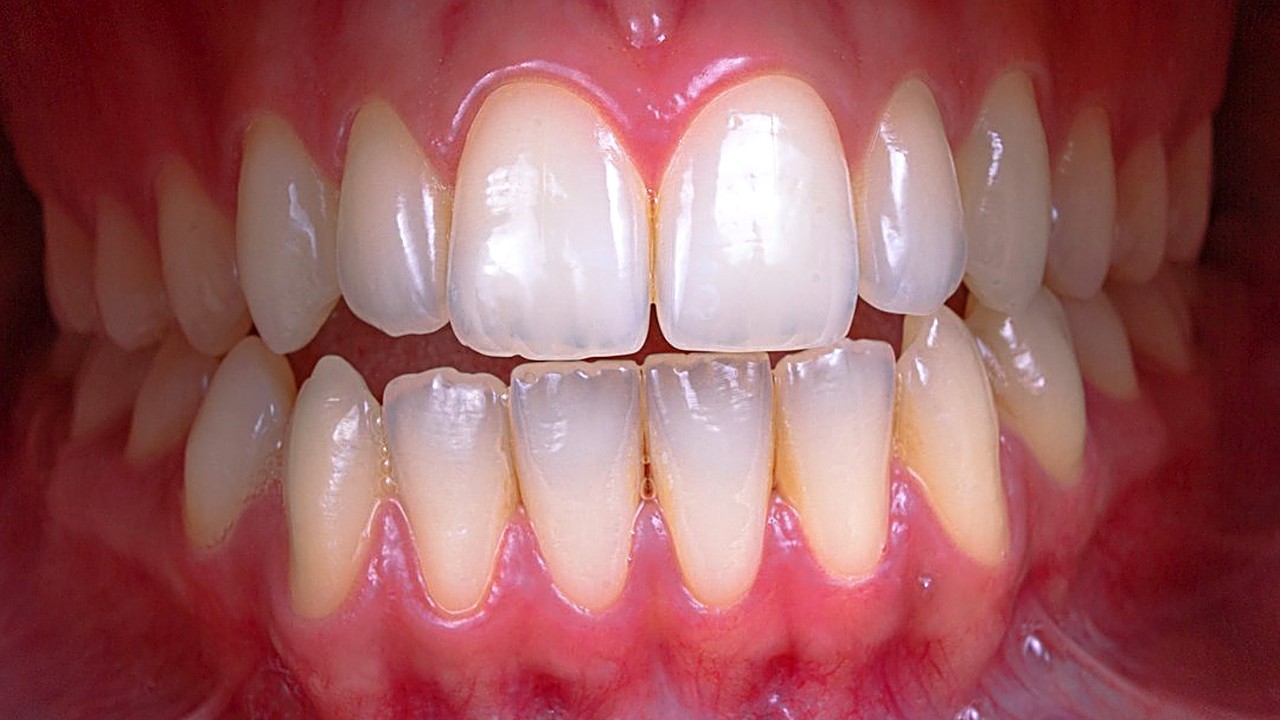
When plaque stays along the gumline, your gums get red, puffy and tender. This early stage is called gingivitis. Inflamed gums bleed easily when you brush or floss. That bleeding is a warning sign, not a reason to brush less.
Other common causes include:
- brushing too hard or with a hard-bristle brush;
- starting to floss after a long break (this usually settles within a week or two);
- hormone changes, such as pregnancy;
- some medicines, including blood thinners;
- smoking, which can actually *hide* bleeding while gum damage gets worse;
- in rare cases, a health problem such as a vitamin shortage or a blood disorder.
If bleeding is heavy, happens without brushing, or comes with easy bruising elsewhere on your body, call your doctor as well as your dentist.
Simple health wins in your inbox. No hype.
Which toothpaste ingredients actually help bleeding gums?
Affiliate link. We may earn a commission on purchases, at no extra cost to you.
This content is informational and is not a substitute for medical advice. Supplements do not cure or treat diseases.
Look at the "active ingredients" box on the back of the tube. That is where the useful information is. Here is what to look for:
| Ingredient | What it does | Notes |
|---|---|---|
| Stannous fluoride | Fights cavities and has antibacterial action against plaque | Often sold as "gum care" or "gum health." Can cause light surface stains for some people |
| Sodium fluoride | Fights cavities | Good for teeth, but has less effect on gum germs |
| Zinc compounds | Help slow plaque buildup | Often combined with other ingredients |
| Potassium nitrate | Reduces tooth sensitivity | Helps sensitive teeth, not gum inflammation |
| Baking soda | Mild cleaning, fresher feel | Some people like it; not a gum treatment on its own |
If your current toothpaste only lists sodium fluoride, switching to a stannous fluoride toothpaste is the change most likely to make a difference for your gums.
Which toothpaste ingredients can make gums worse?
 Gums Bleed When You Brush? 5 Checks to Do at Home Tonight →
 Receding Gums Home Remedies: What Works and What Doesn't →
 13 Receding Gums Home Remedy Mistakes and What to Do Instead →
Some people's gums react badly to certain ingredients. Watch for these:
- Sodium lauryl sulfate (SLS): the foaming agent. In some people it irritates the inside of the mouth. If your gums feel raw or you get mouth sores, try an SLS-free paste.
- Strong whitening formulas: some contain more abrasive particles or peroxide. These can make sore gums feel worse.
- Heavy cinnamon or mint flavoring: a small number of people get irritation from strong flavor oils.
A simple test: if your gums feel *more* sore or look more irritated a few days after switching, go back to your old paste and tell your dentist.
How should you brush so the new toothpaste can work?
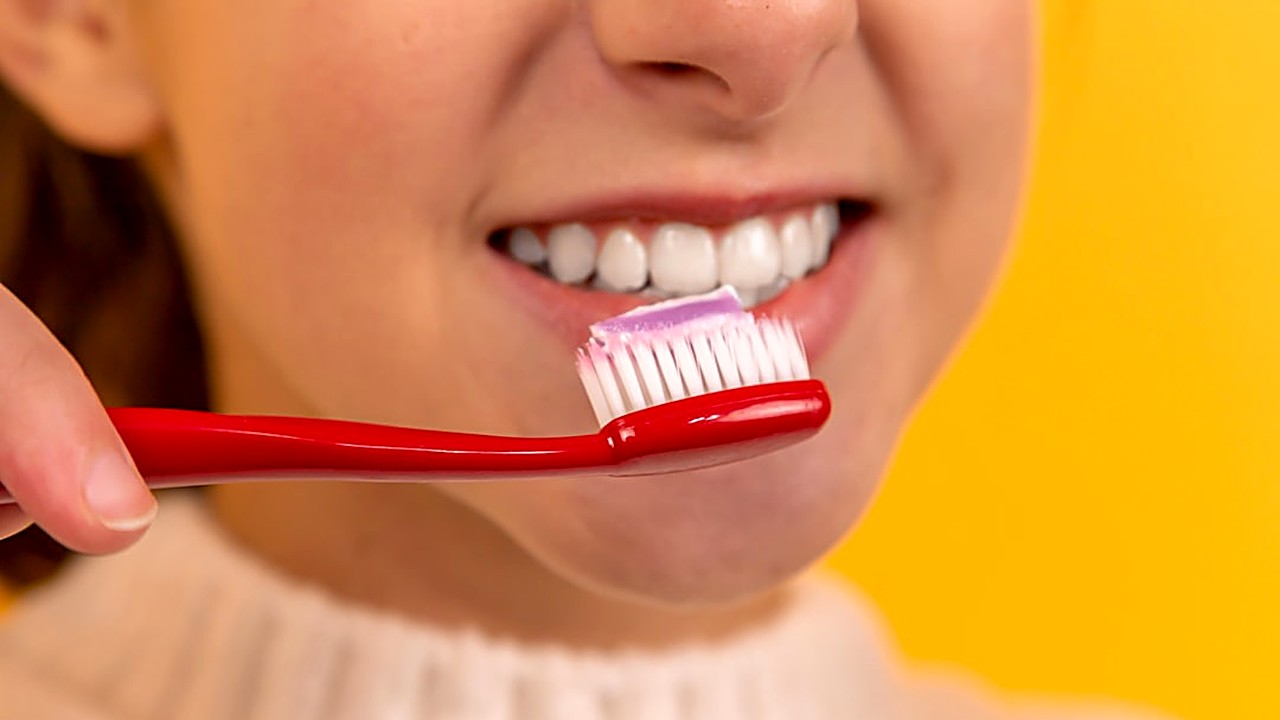
Toothpaste is only a helper. The brushing does most of the work. Follow these steps twice a day:
1. Use a soft-bristle brush. Medium and hard brushes can hurt gums. Electric brushes with a pressure sensor help if you tend to press hard.
2. Use a pea-sized amount of toothpaste. More foam does not mean better cleaning.
3. Angle the brush toward the gums, about halfway between flat and straight up. You want the bristles to reach just under the gum edge, where plaque hides.
4. Make small, gentle circles. Do not scrub back and forth like you are cleaning a pan.
5. Brush for a full two minutes. Use a phone timer. Most people stop far too early.
6. Spit, but don't rinse with water right away. Leaving a thin layer of toothpaste on your teeth lets the fluoride keep working.
Do you still need to floss if you switch toothpaste?
Yes. Toothpaste does not reach well between teeth, and that is exactly where gum bleeding often starts. Clean between your teeth once a day with one of these:
- Regular floss: curve it in a "C" shape around each tooth and slide it gently under the gumline.
- Floss picks: easier for many people, especially for back teeth.
- Small interdental brushes: great for wider gaps. Choose a size that fits without forcing.
- Water flosser: a good option if you have braces, bridges or trouble using your hands.
Expect some bleeding during the first days. If you floss gently every day, bleeding from simple gingivitis often goes down within about one to two weeks.
What about mouthwash for bleeding gums?
An antibacterial mouthwash can be a useful extra step. Look for one that says it fights plaque or gingivitis. Some people prefer alcohol-free versions because alcohol can sting sore gums.
A few things to know:
- Mouthwash adds to brushing and flossing. It does not replace them.
- Use it at a different time from brushing if you want the toothpaste fluoride to stay on longer, such as after lunch.
- Strong prescription rinses, such as chlorhexidine, can stain teeth and are meant for short use under a dentist's guidance.
Do home remedies like salt water help?
A warm salt-water rinse (about half a teaspoon of salt in a cup of warm water) can make sore gums feel better for a short time. It is gentle and cheap. But it does not remove plaque, so it will not fix the cause.
Be careful with remedies you see online:
- Do not rub baking soda or lemon directly on your gums. Lemon is acidic and can wear down tooth enamel.
- Oil pulling has not been shown to replace brushing and flossing.
- "Reversing receding gums at home": gum tissue that has pulled back does not grow back by itself. A dentist can talk about options. Home care can help stop it from getting worse.
A simple two-week plan to test your new routine
Use this plan to find out if your new toothpaste and habits are helping:
| Days | What to do | What to watch |
|---|---|---|
| 1–3 | Switch to a stannous fluoride, SLS-free toothpaste. Start soft-brush technique and daily flossing | Bleeding is normal at first. Note which areas bleed |
| 4–7 | Keep the same routine every day. Add an antibacterial mouthwash if you want | Bleeding should start to shrink in some spots |
| 8–14 | Do not change products again. Stay consistent | Gums should look less red and puffy, with less bleeding |
| Day 14 | Check your notes | Still bleeding in the same places? Book a dentist visit |
Write down each day whether your gums bled, and where. A quick note on your phone is enough. This helps you and your dentist see what is really happening.
When should you see a dentist instead of changing products?
Make an appointment if you notice any of these:
- bleeding that continues after two weeks of good daily care;
- gums pulling away from teeth, or teeth looking longer;
- loose teeth or a change in how your teeth fit together;
- bad breath or a bad taste that does not go away;
- pus, swelling, or pain when chewing.
These can be signs of periodontitis, a deeper gum infection that affects the bone holding your teeth. It needs a professional cleaning below the gumline. A toothpaste cannot reach that area, no matter what the tube says. The earlier a dentist checks it, the more options you usually have.
Your next step today
Tonight, take three actions:
1. Read the active ingredients on your current toothpaste. If it does not include stannous fluoride, put one on your shopping list.
2. Check your brush. If it is not labeled "soft," or the bristles are bent, replace it.
3. Set a two-minute timer and floss gently before you brush.
Then start the two-week plan above and keep your notes. If your gums are still bleeding at the end, bring those notes to a dentist and ask for a gum check.
*This article is for general information and is not a substitute for advice from a dentist or doctor.*
FAQ
Which toothpaste is best for bleeding gums?
Look for stannous fluoride in the active ingredients. Some people with sensitive mouths also do better with an SLS-free formula.
Is it normal for gums to bleed when I start flossing?
Some bleeding in the first days is common. With gentle daily flossing it often goes down within one to two weeks. If it does not, see a dentist.
Can receding gums grow back at home?
No. Gum tissue that has pulled back does not regrow on its own. Good home care can help stop it getting worse, and a dentist can explain treatment options.
Simple health wins in your inbox. No hype.
Educational content, not medical advice. Talk to your doctor before making health decisions.