Why Gums Hurt When Chewing: 5 Fixes That Actually Work

Quick answer: Gums usually hurt when chewing because of inflammation from plaque buildup, food impaction, or early gum disease. This condition is often reversible if you address the cause immediately. You can stop the pain by gently massaging the area, using warm salt water rinses, and switching to a soft-bristled toothbrush to reduce irritation.↗ Share on X
Your gums hurt when you chew because they are likely inflamed or infected. This pain is a direct signal that bacteria have built up along the gumline, causing swelling and tenderness. When you bite down on food, the pressure hits these sensitive, swollen tissues, creating sharp or throbbing pain. In many cases, this is early gingivitis, which is reversible. If you ignore it, it can turn into periodontitis, a serious infection that damages the bone holding your teeth in place. You do not need to wait for a dentist appointment to start feeling better. You can take specific steps today to reduce the inflammation and stop the bleeding. This guide gives you the exact actions to take, the products to use, and the habits to change so you can chew without pain again.
What Is Actually Causing the Pain?
 Nighttime Racing Mind: Why It Happens and How to Slow It Down →
 How to Use Baking Soda Safely to Reduce Gum Bleeding →
 Gums Bleed When You Brush? 5 Checks to Do at Home Tonight →
Before you can fix the problem, you need to know what is wrong. There are three main reasons your gums hurt when you eat. Understanding which one applies to you helps you choose the right remedy.
1. Plaque and Tartar Buildup
Plaque is a sticky film of bacteria that forms on your teeth. If you do not remove it, it hardens into tartar. Tartar is rough and sits right at the gumline. It irritates the gum tissue, causing it to swell and bleed. When you chew, the food presses against this swollen tissue, causing pain. This is the most common cause of gum pain.
2. Food Impaction
Sometimes, a piece of food gets stuck between your teeth or under the gumline. This can happen with sticky foods like caramel, nuts, or fibrous vegetables. The trapped food acts like a splinter. It pushes the gum away from the tooth and creates a small pocket where bacteria thrive. This causes localized pain and swelling right where the food is stuck.
3. Gum Recession
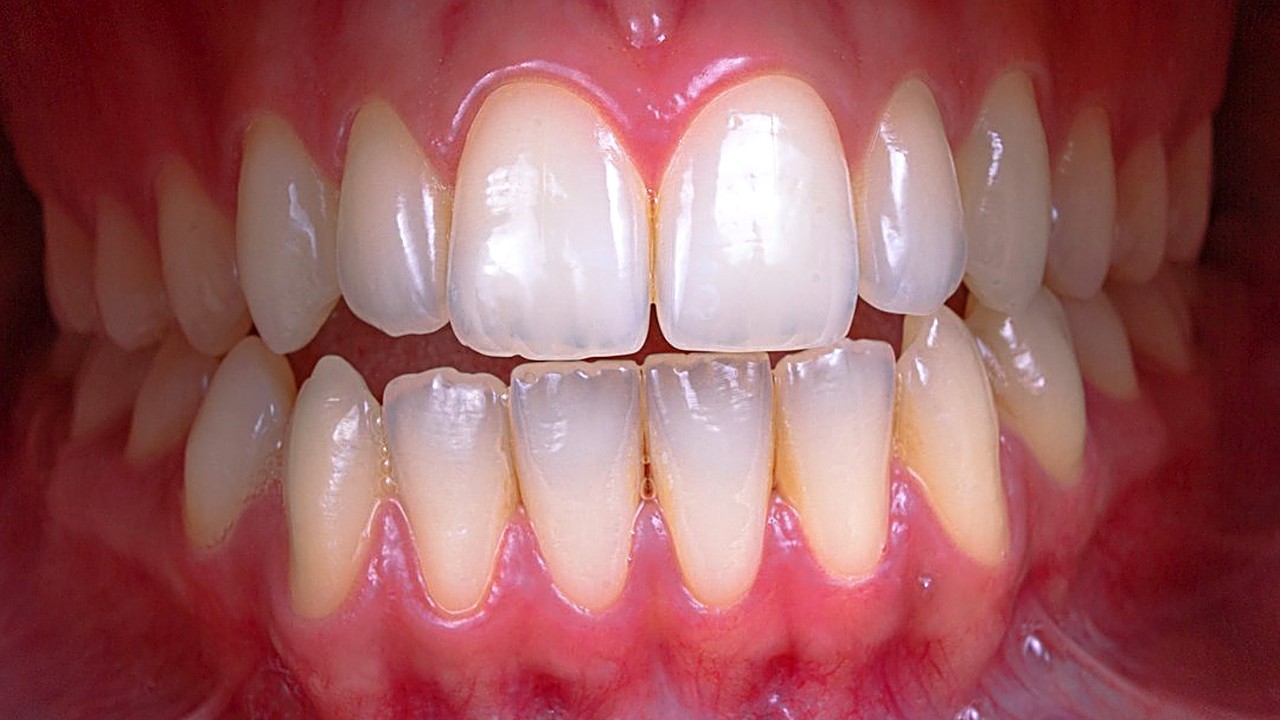
If your gums have pulled back, the root of your tooth is exposed. The root is softer and more sensitive than the enamel on the crown of the tooth. When you chew, especially on hard or acidic foods, the exposed root can become painful. This is often caused by brushing too hard or using a toothbrush that is too stiff.
Simple health wins in your inbox. No hype.
How to Stop Bleeding Gums Immediately
Affiliate link. We may earn a commission on purchases, at no extra cost to you.
This content is informational and is not a substitute for medical advice. Supplements do not cure or treat diseases.
If your gums are bleeding when you brush or chew, you need to reduce the inflammation fast. Here are four steps you can take right now. These are safe, effective, and do not require a prescription.
Step 1: Switch to a Soft-Bristled Toothbrush
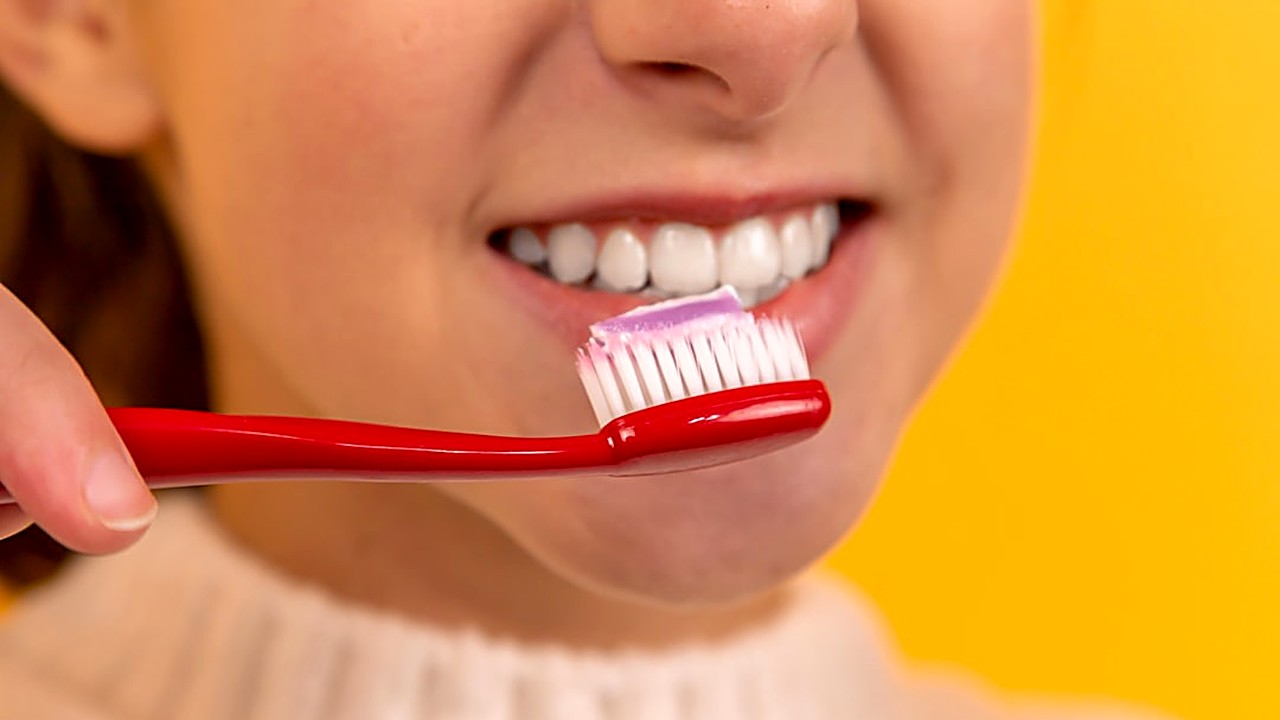
If you are using a medium or hard toothbrush, stop using it today. Hard bristles scrape the gum tissue and make inflammation worse. Buy a toothbrush labeled "soft" or "ultra-soft." These bristles are flexible enough to clean your teeth without hurting your gums. You can find these at any pharmacy or grocery store. They cost a few dollars and are the single most important tool for healing your gums.
Step 2: Use Warm Salt Water Rinses
Salt water is a natural disinfectant. It helps draw out fluid from swollen tissues and kills bacteria. Mix half a teaspoon of salt into one cup of warm water. Swish this solution around your mouth for 30 seconds, focusing on the painful area. Spit it out. Do not swallow. Repeat this three times a day, especially after meals. This simple rinse can reduce swelling and pain within 24 to 48 hours.
Step 3: Apply a Cold Compress
If the pain is sharp or throbbing, apply a cold compress to the outside of your cheek near the painful area. Wrap an ice pack or a bag of frozen peas in a thin towel. Hold it against your cheek for 10 to 15 minutes. This constricts blood vessels and reduces swelling. Do not put ice directly on your skin to avoid frostbite. You can repeat this as needed until the pain subsides.
Step 4: Check for Trapped Food
Use a dental floss or a water flosser to gently clean between your teeth. If you find a piece of food stuck under the gumline, carefully remove it. Do not use your fingernail, as this can tear the gum tissue. If you cannot remove it, or if it is deep, skip this step and see a dentist. Forcing it out can cause more damage.
How to Reverse Gum Disease Naturally
 Receding Gums Home Remedies: What Works and What Doesn't →
 13 Receding Gums Home Remedy Mistakes and What to Do Instead →
 Stress Making Your Gums Bleed? What to Do This Week →
Many people think gum disease is permanent. This is not true. If the disease is in its early stages, you can reverse it with consistent care. This process takes time, but it is possible. Here is a plan to help your gums heal over the next four weeks.
Week 1: Reduce Irritation
Stop using hard toothbrushes. Switch to a soft one. Start using warm salt water rinses twice a day. Avoid very hot or very cold foods if they trigger pain. Eat soft foods like yogurt, soup, and mashed potatoes to give your gums a rest. Do not smoke or use tobacco products, as these block blood flow to your gums and slow healing.
Week 2: Deep Clean
Start flossing every night. Use a gentle sawing motion. Do not snap the floss into your gums. If bleeding occurs, keep flossing. The bleeding will stop as the gums heal. You can also use an antibacterial mouthwash that does not contain alcohol. Alcohol can dry out your mouth and irritate your gums. Look for products labeled "alcohol-free" and "gentle."
Week 3: Check Your Brushing Technique
Many people brush too hard. This is called "horizontal brushing." It wears down your gums. Instead, use small, circular motions. Hold the toothbrush at a 45-degree angle to the gumline. Gently vibrate the brush back and forth. This cleans the space between the tooth and gum without scrubbing. Watch yourself in a mirror to make sure you are not pressing too hard. You should not need to push. The bristles should be flexible.
Week 4: Evaluate Progress
By the end of week four, your gums should feel less tender. Bleeding should be minimal or gone. If you still have pain or bleeding, you need to see a dentist. This could mean you have tartar buildup that needs professional cleaning, or a more advanced stage of gum disease. Do not delay. Early treatment is cheaper and less painful than later treatment.
Home Remedies for Receding Gums
Receding gums are when the gum tissue pulls away from the tooth. This exposes the root and makes your teeth sensitive. You cannot regrow gum tissue at home, but you can stop it from getting worse and reduce sensitivity. Here are three things you can do.
1. Use a Desensitizing Toothpaste
Look for a toothpaste that contains potassium nitrate or stannous fluoride. These ingredients block the tiny tubes in your tooth roots that send pain signals to your nerve. Use this toothpaste twice a day. You may need to use it for two to four weeks to see full results. Do not rinse your mouth with water after brushing. Spit out the excess and leave a thin layer on your teeth. This keeps the protective ingredients working longer.
2. Massage Your Gums
Gentle massage can improve blood flow to your gums. Use your clean finger or a soft-bristled toothbrush. Gently rub your gums in a circular motion for one minute after brushing. This helps keep the gum tissue healthy and attached. Do not press hard. It should feel like a light rub, not a scrub.
3. Avoid Acidic Foods
Acidic foods and drinks can erode your tooth enamel and irritate exposed roots. Limit your intake of citrus fruits, soda, and sports drinks. If you do eat or drink these, rinse your mouth with water afterward. Do not brush your teeth immediately after eating acidic foods. Wait at least 30 minutes. This allows your saliva to neutralize the acid and protects your enamel.
When to See a Doctor
You should see a dentist or doctor if you have any of the following signs. These are not things you can fix at home.
- Persistent Bleeding: If your gums bleed every time you brush or chew, and this lasts more than two weeks despite good hygiene, see a dentist. This could be a sign of periodontitis.
- Loose Teeth: If a tooth feels loose or moves when you bite, this is an emergency. It means the bone supporting the tooth is being destroyed. You need professional care immediately to save the tooth.
- Pus or Bad Taste: If you see pus around your gums or have a constant bad taste in your mouth, you have an infection. This requires antibiotics and professional cleaning.
- Severe Pain: If the pain is so bad that you cannot eat or sleep, see a doctor. This could be an abscess, which is a pocket of pus caused by a bacterial infection. It needs to be drained.
Do not try to treat these conditions with home remedies only. They will not work and can make the problem worse. A dentist can provide a thorough cleaning, prescribe medication if needed, and create a treatment plan to save your teeth.
How to Get Rid of Gingivitis Fast
Gingivitis is the earliest stage of gum disease. It is characterized by red, swollen gums that bleed easily. The good news is that gingivitis is reversible. You can get rid of it by removing the cause, which is plaque. Here is a step-by-step plan to clear it up in two weeks.
1. Brush Twice a Day: Use a soft-bristled toothbrush. Brush for two minutes each time. Make sure to brush all surfaces of your teeth, including the back and the chewing surfaces.
2. Floss Once a Day: Flossing removes plaque from between your teeth where your brush cannot reach. Do this every night before bed. If your gums bleed when you floss, do not stop. Keep going. The bleeding will stop as the gums heal.
3. Use an Antibacterial Mouthwash: This helps kill bacteria that your brush and floss might miss. Use it once a day, preferably after brushing. Do not eat or drink for 30 minutes after using it.
4. Schedule a Cleaning: Even with good home care, you need a professional cleaning once or twice a year. A dental hygienist can remove tartar that you cannot remove at home. This is essential for preventing gingivitis from turning into periodontitis.
If you follow these steps consistently, your gums should return to a healthy pink color and stop bleeding within two weeks. If they do not, see a dentist. There may be an underlying issue that needs professional attention.
Specific Foods to Avoid and Eat
What you eat affects your gum health. Some foods make inflammation worse. Others help your gums heal. Here is a simple guide.
Foods to Avoid:
- Sugary Snacks: Sugar feeds the bacteria in your mouth. These bacteria produce acid that attacks your teeth and gums. Avoid candy, cookies, and pastries.
- Sticky Foods: Caramel, taffy, and dried fruit can get stuck in your teeth. This creates a breeding ground for bacteria. If you eat these, brush or floss immediately after.
- Hard Foods: Nuts, ice, and hard candies can chip your teeth or irritate your gums. If you have receding gums, avoid these.
Foods to Eat:
- Crunchy Vegetables: Carrots, celery, and apples are good for your gums. They act like a natural toothbrush, helping to clean your teeth as you chew. They also stimulate saliva production, which helps wash away bacteria.
- Dairy Products: Cheese and yogurt contain calcium and phosphorus. These minerals help strengthen your teeth and bones. Cheese also reduces the acidity in your mouth.
- Leafy Greens: Spinach, kale, and broccoli are rich in vitamin C and antioxidants. Vitamin C is essential for gum health. It helps your body repair tissues and fight infection.
Final Steps for Your Gum Health
You now know why your gums hurt when you chew and how to stop it. The key is to act fast and be consistent. Start by switching to a soft toothbrush and using warm salt water rinses. Check for trapped food and avoid acidic or sticky foods. Give your gums two weeks to heal. If the pain does not go away, or if you notice loose teeth or pus, see a dentist immediately. Do not wait. Gum disease gets worse over time, but it is much easier to treat in the early stages. Your gums are the foundation of your oral health. By taking care of them now, you can prevent serious problems in the future. Take the first step today. Buy a soft toothbrush. Make a salt water rinse. And commit to cleaning your teeth twice a day. Your future self will thank you for it.
FAQ
Can I reverse gum disease at home?
Yes, if it is in the early stages (gingivitis), you can reverse it by improving your oral hygiene. This includes brushing twice a day with a soft toothbrush, flossing daily, and using an antibacterial mouthwash. However, if you have advanced gum disease (periodontitis), you need professional treatment from a dentist. Home care alone will not fix bone loss or deep infections.
What is the fastest way to stop bleeding gums?
The fastest way is to reduce inflammation. Use a warm salt water rinse twice a day and switch to a soft-bristled toothbrush. Avoid brushing hard. If the bleeding persists for more than two weeks, see a dentist to check for tartar buildup or infection.
Why do my gums hurt when I eat hard food?
This usually happens if you have receding gums or exposed tooth roots. The root is more sensitive than the enamel. When you chew hard food, the pressure on the exposed root causes pain. Using a desensitizing toothpaste and avoiding very hard foods can help. If the pain continues, see a dentist.
Simple health wins in your inbox. No hype.
Educational content, not medical advice. Talk to your doctor before making health decisions.