Foods That Naturally Help Regulate Blood Sugar After Meals
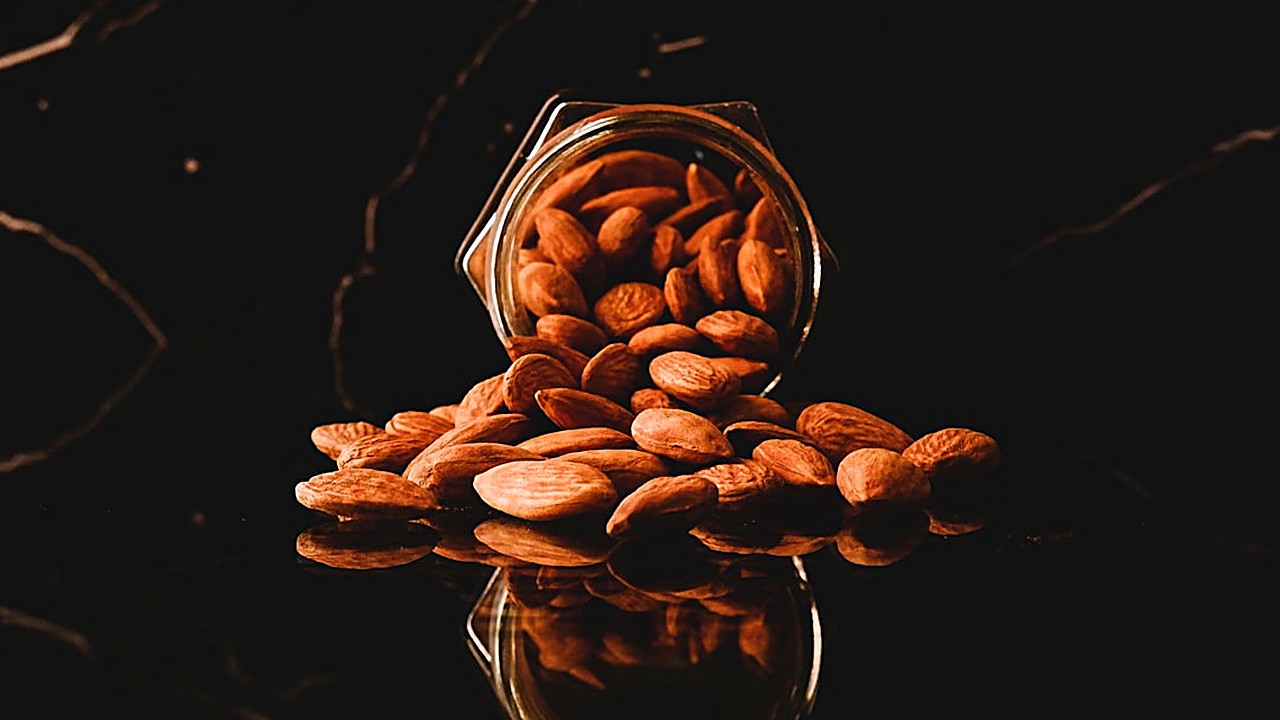
Quick answer: Foods high in fiber, protein, healthy fats, and low‑glycemic carbs can smooth blood sugar spikes after meals. Options include whole grains, legumes, nuts, seeds, leafy greens, berries, and spices like cinnamon. Pairing these foods with each other often works best.↗ Share on X
Why Blood Sugar Spikes Matter
 Nighttime Racing Mind: Why It Happens and How to Slow It Down →
 How to Use Baking Soda Safely to Reduce Gum Bleeding →
 Can a bedtime journal help you fall asleep faster →
When you eat a meal high in refined carbs, blood sugar can rise quickly. The body then releases insulin to bring the level down. Repeated spikes may wear out the pancreas and raise the risk of type 2 diabetes, especially after age 45. Small changes in what you eat can make a big difference over time. Research shows that meals rich in fiber and protein cause a slower, steadier rise in glucose. This helps you feel full longer and avoids the crash that follows a rapid spike.
Simple health wins in your inbox. No hype.
Fiber‑Rich Choices
Affiliate link. We may earn a commission on purchases, at no extra cost to you.
This content is informational and is not a substitute for medical advice. Supplements do not cure or treat diseases.
Fiber is the star of the show for blood sugar control. Soluble fiber forms a gel in the gut, slowing carbohydrate absorption. Good sources include oats, barley, quinoa, beans, lentils, and most fruits with skin. A half‑cup of cooked lentils provides about 8 grams of fiber and only 20 grams of carbs, making it a low‑glycemic option. In my own kitchen, I swap white rice for quinoa at least twice a week. The change adds texture, a nutty flavor, and more fiber without extra effort.
Protein and Healthy Fats
 Can Vitamin B12 Deficiency Cause Tinnitus? How to Test and What to Do →
 Warm Shower Before Bed Can Help You Sleep Deeper →
 How Smoking Affects Gum Health and Whether Quitting Can Reverse Damage →
Protein and fats do not raise blood sugar directly, but they influence how quickly carbs are digested. Adding a serving of lean meat, fish, tofu, or a handful of nuts to a meal can blunt the glucose rise. For example, a salad topped with grilled chicken and a tablespoon of olive oil keeps the glycemic load low. Studies have shown that meals with a 30‑gram protein portion see a 15‑20% smaller glucose peak. I often sprinkle pumpkin seeds on my afternoon soup; the seeds give a crunchy bite and steady energy.
Spices and Low‑Glycemic Fruits
Certain spices may help the body use glucose more efficiently. Cinnamon, in particular, has been linked to modest improvements in insulin sensitivity. Adding a dash to oatmeal or a smoothie is easy and flavorful. Low‑glycemic fruits such as berries, cherries, and apples (with skin) provide natural sweetness without a sharp spike. A cup of mixed berries contains about 15 grams of carbs and 8 grams of fiber, making it a smart dessert choice.
Practical Tips for Everyday Meals
1. Start with a fiber base – Choose whole grains, legumes, or vegetables as the foundation of each plate.
2. Add protein – Include a protein source that you enjoy, whether it is fish, beans, eggs, or nuts.
3. Use healthy fats – Drizzle olive oil, add avocado slices, or toss in a few nuts.
4. Season wisely – Sprinkle cinnamon, ginger, or turmeric for flavor and possible glucose benefits.
5. Watch portion size – Even low‑glycemic foods can raise blood sugar if eaten in large amounts.
A simple lunch could be a bowl of quinoa, black beans, chopped bell pepper, a squeeze of lime, and a sprinkle of pumpkin seeds. The mix offers fiber, protein, and healthy fat in one bite. For a snack, try an apple with a tablespoon of almond butter. The pairing balances carbs with fat and protein, helping to keep glucose steady.
Remember that individual responses vary. Some people may notice a bigger effect from cinnamon, while others find that a small change in grain type works best. Listening to your body and tracking how you feel after meals can guide you toward the most helpful foods.
Disclaimer: This article is for general information only and is not medical advice. Talk to a healthcare professional before making changes to your diet, supplements, or medication.
Frequently asked questions
Can I replace all refined carbs with whole grains?
Switching to whole grains can lower the speed of glucose absorption, but it is still important to watch portion sizes and balance them with protein and fat.
Is cinnamon safe for everyone?
Cinnamon is generally safe in small amounts, but people who take blood‑thinning medication or have liver issues should check with a doctor before using large doses.
Do fruits raise blood sugar quickly?
Fruits with low glycemic index, such as berries and apples with skin, tend to raise blood sugar more slowly than high‑sugar fruits like grapes or pineapple.
How often should I include nuts in my meals?
A handful of nuts (about 30 g) a few times a week can add healthy fats and protein, helping to smooth glucose spikes after meals.
Will these foods work the same for everyone?
Individual reactions can differ based on age, activity level, and health conditions. It is best to monitor your own response and discuss any concerns with a healthcare professional.
*This article is for general information only and is not medical advice. Talk to a healthcare professional before making changes to your diet, supplements, or medication.*
Simple health wins in your inbox. No hype.
Educational content, not medical advice. Talk to your doctor before making health decisions.