Warm Shower Before Bed Can Help You Sleep Deeper
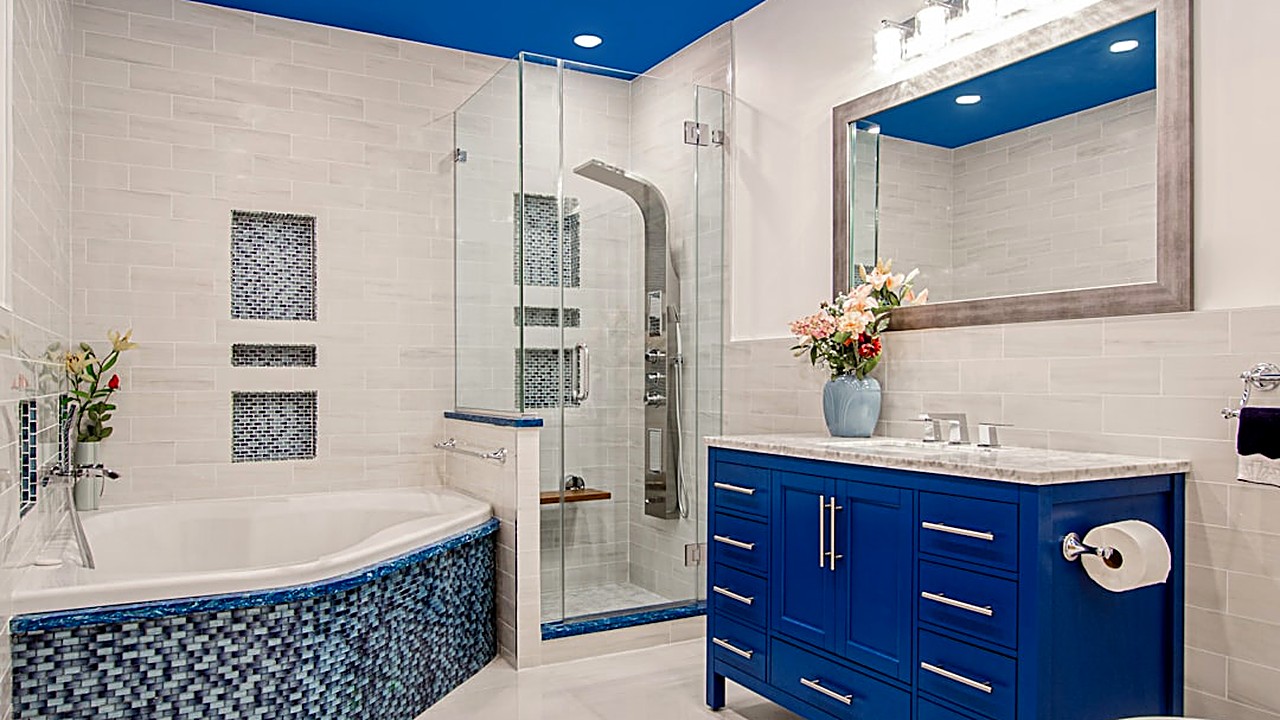
Quick answer: A warm shower about 1 to 2 hours before bed can help you sleep deeper. It cools your body afterward, which signals sleep time to your brain. Try water around 104°F (40°C) for 10 minutes. Results vary, so test what works for you.↗ Share on X
Why a Warm Shower May Help You Sleep
 Wake Up at 3am? Try These Gentle Sleep Fixes →
 Progressive Muscle Relaxation to Sleep Better Tonight →
 Easy Steps to a Calm Bedtime Routine for Sleep →
Many people notice that a warm shower at night feels relaxing. That’s not just a feeling. Science shows it can help your body prepare for sleep. Your core body temperature naturally drops in the evening. This drop signals your brain it’s time to rest. A warm shower raises your temperature temporarily. When you step out, your body cools down quickly. This cooling effect can trigger sleepiness.
A small study in the *Journal of Physiological Anthropology* found that people who took a warm bath 90 minutes before bed fell asleep faster. They also slept more deeply. The key is timing. Showers too close to bedtime may keep you awake. Too early may not help. Try 1 to 2 hours before sleep.
I remember a friend who struggled with waking up at 3 a.m. every night. She started a warm shower routine at 9 p.m. After two weeks, her wake-ups became rare. She said the shower helped her body wind down faster. Her sleep still isn’t perfect, but the shower is now part of her routine.
Simple health wins in your inbox. No hype.
How Water Temperature Affects Your Body
Affiliate link. We may earn a commission on purchases, at no extra cost to you.
This content is informational and is not a substitute for medical advice. Supplements do not cure or treat diseases.
Not all warm showers are the same. Water temperature matters. Very hot water (over 106°F or 41°C) can raise your heart rate. This may make it harder to relax. Cooler warm water (around 104°F or 40°C) is better. It relaxes muscles without overheating you.
Your skin has tiny sensors that feel heat. When warm water touches your skin, blood vessels widen. This is called vasodilation. More blood flows to your skin. Your body releases heat faster when you leave the shower. This rapid cooling helps your brain release melatonin, the sleep hormone.
A study from *Sleep Medicine Reviews* showed that warm showers between 104°F and 109°F (40°C to 43°C) improved sleep quality. But temperatures above 109°F (43°C) had no extra benefit. In fact, they sometimes caused discomfort. So, keep the water comfortably warm, not scalding.
The Best Time to Shower for Sleep
 How to Quiet Your Mind and Sleep When Worries Keep You Awake →
 Why Do I Wake Up at 3 AM and How to Sleep Through →
 Foods That May Lower Blood Sugar After a High‑Carb Meal →
Timing is everything. A shower too close to bedtime may leave you alert. Your body needs time to cool down after the shower. Aim for 1 to 2 hours before sleep. This gives your body enough time to lower its temperature naturally.
Think of it like a campfire. The fire feels nice when you’re close. But when you step back, the warmth lingers. Your body works the same way. The shower warms you up. Then, as you cool down, sleepiness follows.
Some people find that showering right after dinner works best. Others prefer it before reading or winding down. Test different times for a week. Notice when you feel most ready for bed. Your ideal time might surprise you.
Simple Steps to Try Tonight
You don’t need a fancy routine. Start with these easy steps:
1. Set the water to 104°F (40°C). Use a thermometer if you’re unsure. Many showers don’t show the exact temperature.
2. Soak for 10 minutes. Focus on your neck, shoulders, and back. These areas hold a lot of tension.
3. Step out and dry off quickly. The faster you cool down, the better.
4. Go to bed within 1 to 2 hours. Avoid screens or bright lights after the shower.
You can add small things to make it cozier. Use lavender soap or play soft music. These extras may help your mind relax faster. But the shower itself is the most important part.
I once tried this after a long day of travel. My back ached, and my mind raced. A 10-minute shower at 104°F changed everything. I felt lighter, both physically and mentally. The next morning, I woke up without that groggy feeling.
What If a Shower Doesn’t Work for You?
Not everyone benefits from a warm shower before bed. Some people feel more awake after one. Others have skin that’s sensitive to temperature changes. If you notice no difference after a week, try other methods.
- Cool your room. Keep your bedroom between 60°F and 67°F (15°C to 19°C). This helps your body cool down faster.
- Try deep breathing. Inhale for 4 seconds, hold for 4, exhale for 6. Repeat for 5 minutes.
- Limit caffeine after noon. Even small amounts can disrupt sleep.
- Keep a consistent bedtime. Your body loves routines.
If sleep problems last more than a few weeks, talk to a doctor. They can check for issues like sleep apnea or stress. A warm shower is a simple tool, not a cure-all.
Common Mistakes to Avoid
Small errors can ruin the benefits of a nightly shower. Watch out for these:
- Showering too late. If you hop into bed right after, your body may still be too warm. Give it time to cool.
- Using very hot water. Hot showers can raise your heart rate. Stick to warm, not boiling.
- Skipping the routine. Consistency matters. Do it every night for best results.
- Ignoring the environment. A bright bathroom or loud noises can cancel out the shower’s effects. Make the space calm.
One person I know loved showers but took them at midnight. She wondered why she still woke up tired. After shifting to 9:30 p.m., her sleep improved. The lesson? Timing is everything.
Other Warm Water Tricks for Sleep
If a shower isn’t your thing, try these alternatives:
- Foot soak. Fill a basin with warm water (104°F or 40°C). Soak your feet for 10 minutes. The same cooling effect happens.
- Warm towel. Wet a towel with warm water, wring it out, and place it on your neck or shoulders for 5 minutes.
- Hand soak. Soak your hands in warm water for 10 minutes. This can also lower your core temperature.
These methods work because they focus on parts of your body with lots of blood vessels. When those areas warm up, your whole body cools down faster afterward.
Listen to Your Body
A warm shower before bed is a gentle nudge for sleep. It’s not magic, but it’s science-backed. Your body responds to temperature changes. A slight rise followed by a cool-down can help your brain know it’s time to rest.
Still, sleep is personal. What works for one person may not work for another. Pay attention to how you feel. If the shower helps, keep doing it. If not, try something else. The goal is rest, not perfection.
I’ve learned that small habits often make the biggest difference. A warm shower, a quiet room, and a consistent bedtime can transform sleep. It’s not about doing everything perfectly. It’s about finding what helps *you*.
Final Thoughts
A warm shower before bed can be a simple way to improve sleep. It works by raising your body temperature and then letting it cool down. This process signals your brain that it’s time to rest. The best results come from water around 104°F (40°C), for about 10 minutes, 1 to 2 hours before bed.
Try it for a week. Notice if you fall asleep faster or wake up less often. If it helps, make it part of your routine. If not, explore other options. Sleep is a journey, not a destination.
Remember, this article is for general information only. It’s not medical advice. If sleep problems last, talk to a healthcare professional about your situation.
Frequently asked questions
How long should I shower before bed to sleep better?
Aim for 10 minutes in water around 104°F (40°C). Do it 1 to 2 hours before bedtime. This gives your body time to cool down afterward.
Can a hot shower at night keep me awake?
Yes. Water over 106°F (41°C) can raise your heart rate and make it harder to relax. Stick to warm, not hot, showers.
What if I shower right before bed and still can’t sleep?
Try moving your shower earlier. If that doesn’t help, combine it with other habits like dim lighting and no screens before bed.
Are foot soaks as effective as showers for sleep?
They can help. Soaking your feet in warm water also triggers the cooling effect that signals sleep. Try both to see what works for you.
How soon will I notice a difference in my sleep?
Some people feel the benefits after one night. For others, it takes a week or two of consistency. Give it time to see if it helps you.
*This article is for general information only and is not medical or dental advice. Talk to a healthcare or dental professional about your situation.*
Simple health wins in your inbox. No hype.
Educational content, not medical advice. Talk to your doctor before making health decisions.