How long home remedies take to heal receding gums

Quick answer: Home remedies may show small improvements in 2 to 4 weeks. Full healing depends on the cause and how early you start. They work best for mild cases. Severe gum loss needs professional care. Always watch for changes and see a dentist if gums worsen.↗ Share on X
What counts as "healing" for receding gums
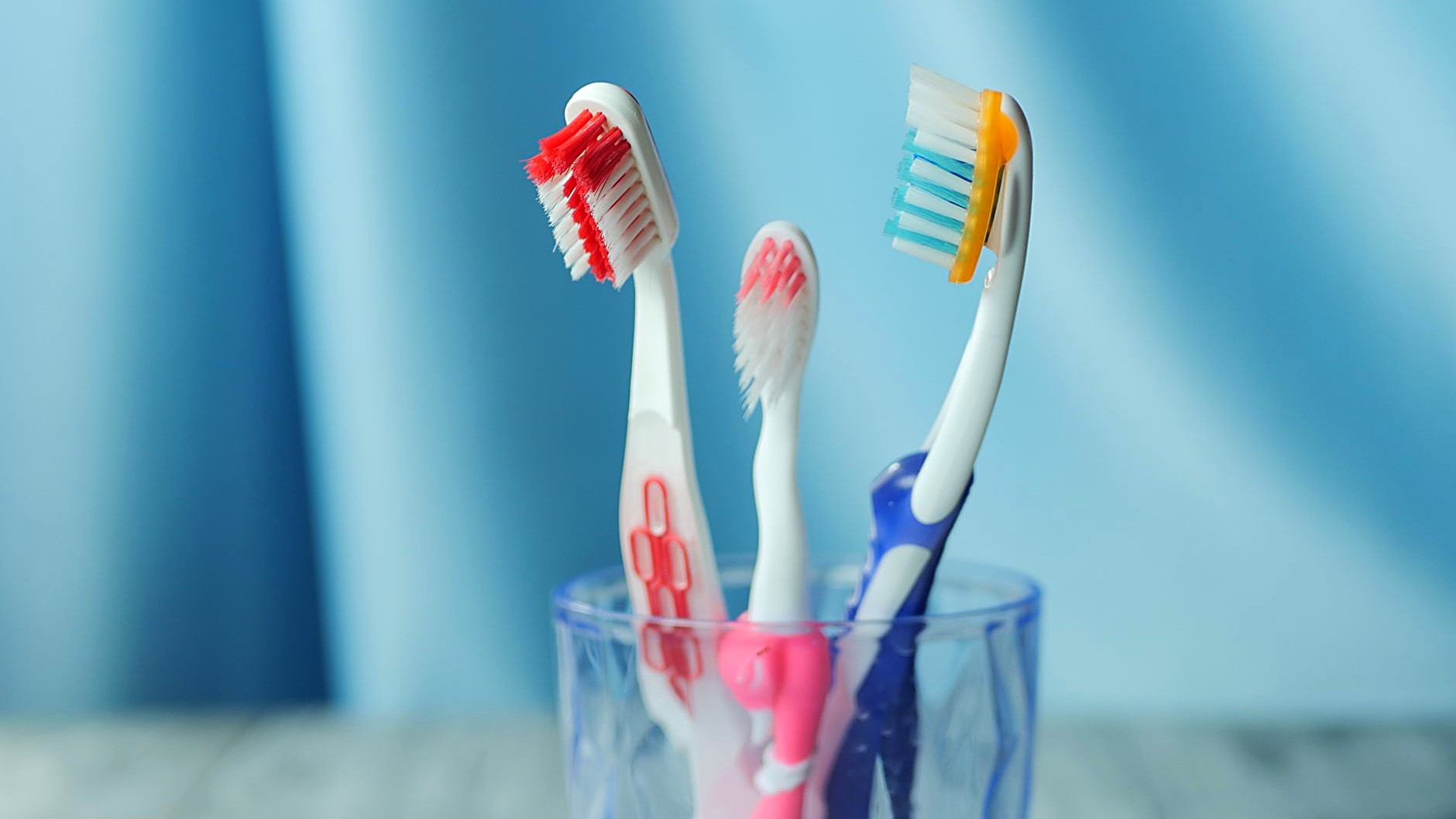 How to Pick the Right Toothbrush for Bleeding Gums →
 Hydration's Simple Power: Protecting Your Gums from Bleeding →
 Preventing Gum Recession After Orthodontic Treatment →
Receding gums happen when gum tissue pulls back from teeth. This exposes more of the tooth root. It often causes sensitivity, yellow spots near the gum line, or teeth that look longer. Many people first notice it when brushing feels uncomfortable or when they see small gaps between teeth and gums.
Healing here means the gums stop pulling further back. It does not always mean the gum grows back to cover the root fully. Home remedies can help slow the process and reduce irritation. They may also make gums firmer over time. But they rarely restore lost gum tissue completely.
I once saw a friend notice receding gums after years of brushing too hard. She started using a saltwater rinse daily and switched to a soft toothbrush. After three months, her gums felt less sensitive. The color looked healthier. Still, her dentist said the gum line had not moved back much. The key was stopping further damage.
Simple health wins in your inbox. No hype.
Why time varies so much
Affiliate link. We may earn a commission on purchases, at no extra cost to you.
This content is informational and is not a substitute for medical advice. Supplements do not cure or treat diseases.
How long home remedies take depends on several things. The main factor is how much gum has already pulled back. If the recession is mild and recent, changes may appear faster. If it has been going on for years, healing will take longer.
Another big factor is the cause. Brushing too hard, misaligned teeth, or gum disease all play a role. For example, someone with mild gum disease might see small improvements in 3 to 6 weeks. Someone with deep pockets from long-term disease may need professional cleaning first. Home remedies alone may not be enough.
Daily habits also matter. People who rinse after meals, floss gently, and avoid smoking often see faster results. Those who skip oral care or grind their teeth at night may take months to notice any change.
Common home remedies and their effects
 Clove Oil for Bleeding Gums: A Natural Soothing Guide →
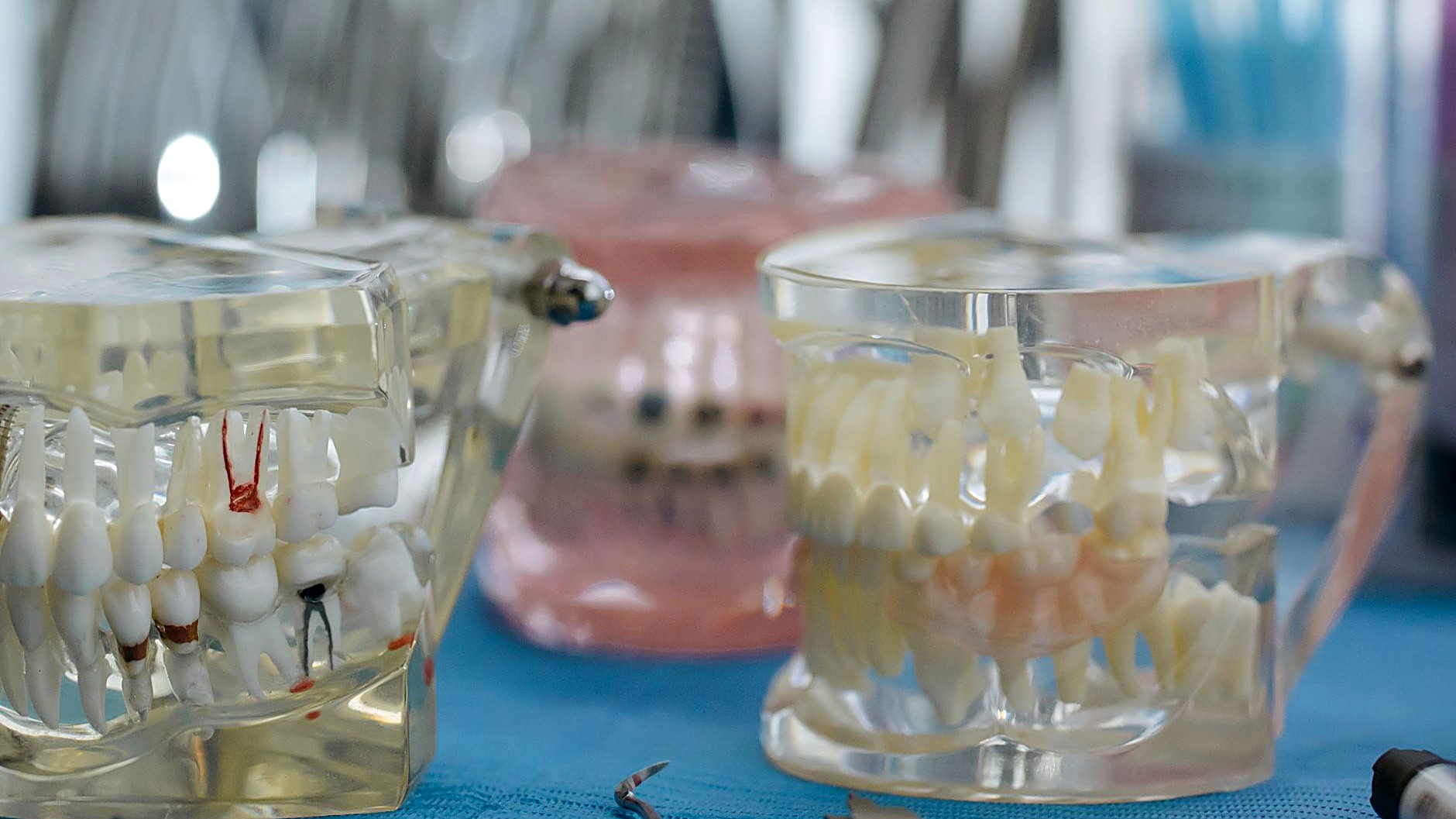 Heal Gum Infection and Reduce Swelling Naturally →
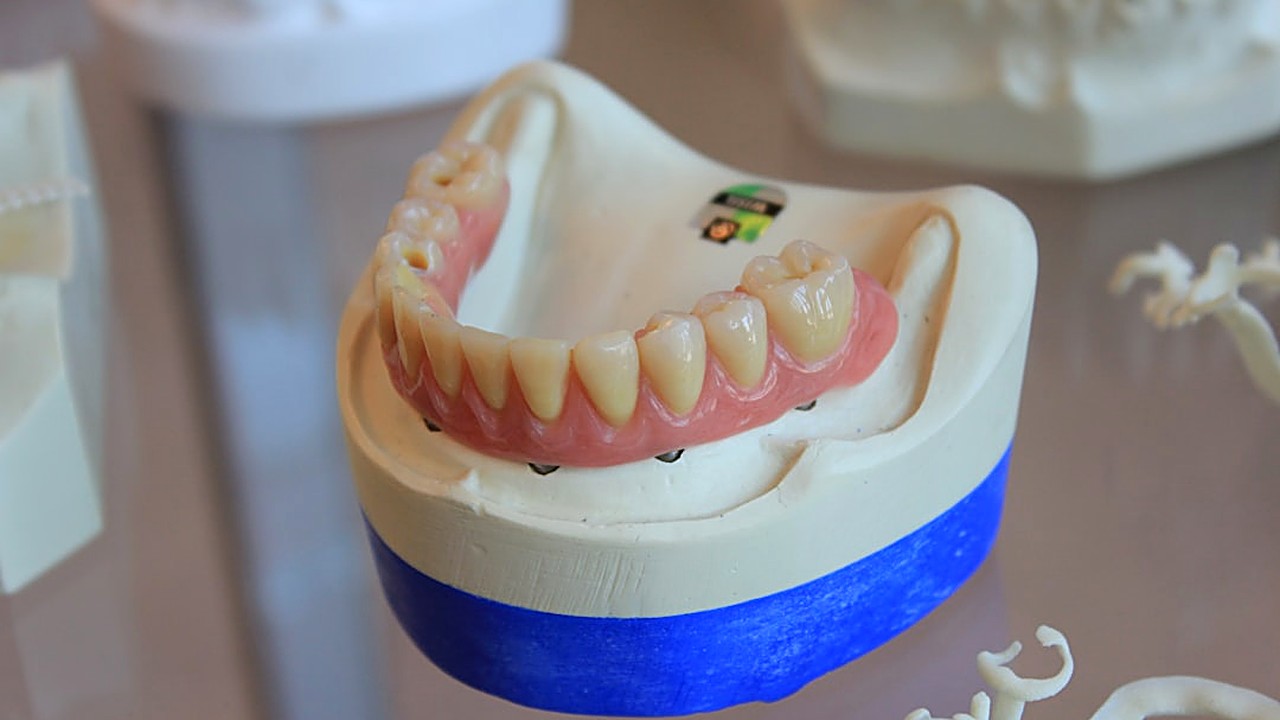 How to Stop Bleeding Gums Safely on Blood Thinners →
Saltwater rinse
A saltwater rinse is simple and widely recommended. Mix half a teaspoon of salt in warm water. Swish for 30 seconds, then spit. Do this once or twice a day. Salt helps reduce swelling and fights bacteria that irritate gums.
Many people feel less pain within a week. After two weeks, gums often look pinker. Still, this does not rebuild lost tissue. It mainly prevents further irritation.
Green tea rinse
Green tea has antioxidants that may help gums heal. Brew a cup, let it cool, and rinse for 30 seconds. Do this once a day. Some studies show it can reduce gum inflammation after 4 to 6 weeks of regular use.
Aloe vera gel
Pure aloe vera gel applied to gums twice daily may soothe irritation. Some users report less redness after two weeks. It does not regrow tissue but can calm sensitive areas.
Coconut oil pulling
Swishing coconut oil in the mouth for 10 to 15 minutes daily is an old practice. It may reduce bacteria that cause gum irritation. Results vary widely. Some notice fresher breath in a week. Others see no change even after a month.
Hydrogen peroxide rinse
A 3% hydrogen peroxide solution mixed with water can kill bacteria. Use it once or twice a week, not daily. Some people feel less swelling after two weeks. Overuse can harm gum tissue, so caution is key.
When to expect the first signs of change
Most people notice small changes between 2 and 4 weeks. Gums may feel less tender. Sensitivity to hot or cold drinks often decreases. The color may look less red or purple. These are signs the irritation is going down.
After 6 to 8 weeks, some notice their gums feel firmer when touched. The gum line may look slightly more even. Still, this does not mean the recession has reversed. It means the damage is no longer getting worse in many cases.
I recall a neighbor who tried coconut oil pulling for a month. She said her gums felt smoother and less sore. But when she saw her dentist, the gum line had not moved back. The main benefit was less daily discomfort.
Limits of home remedies for gum recession
Home remedies work best for mild cases caused by irritation. They are not strong enough to regrow lost gum tissue. If the recession is deep or caused by gum disease, professional care is needed.
Some people hope aloe vera or green tea will make gums grow back. That rarely happens. The goal with home care is to stop further damage and reduce symptoms. For actual tissue regrowth, dentists use treatments like gum grafts or scaling and root planing.
Another common mistake is relying only on rinses. Brushing technique matters just as much. Use a soft toothbrush and gentle circles. Avoid sawing motions. This prevents more gum loss while home remedies do their work.
How to track progress safely
Keep a simple log of how your gums feel and look. Note any changes in sensitivity, color, or gum line position. Take a photo once a week under the same light. Compare them month to month.
If gums keep pulling back or bleeding increases, stop home remedies and see a dentist. These signs mean the cause is not just irritation. It could be gum disease or another issue needing treatment.
Also watch for new sensitivity or loose teeth. These can signal deeper problems. Early action prevents more damage and costlier treatments later.
When professional care becomes necessary
Home remedies are a good start for mild cases. But if recession is moderate to severe, professional help is usually needed. Dentists can clean deep pockets, treat gum disease, or perform gum grafts to cover exposed roots.
Signs that it’s time to see a dentist include:
- Gums that bleed often
- Teeth that feel loose
- Bad breath that won’t go away
- Gum line that keeps pulling back
- Pain or swelling in gums
A dentist can find the exact cause. They can also suggest the best treatment plan. Waiting too long can lead to tooth loss or more complex procedures.
Daily habits that support healing
Small daily habits make a big difference. Start with a soft toothbrush. Use gentle circles, not scrubbing. Floss once a day, sliding the floss up and down gently along each tooth.
Rinse after meals to remove food bits. Avoid tobacco and limit sugary drinks. Both irritate gums and slow healing. If you grind your teeth at night, ask your dentist about a night guard. This protects gums from extra pressure.
Eat foods rich in vitamin C and antioxidants. Citrus fruits, bell peppers, and berries help tissue repair. Crunchy vegetables like carrots also clean teeth naturally while you chew. These foods support gum health from the inside.
I once advised a patient to add kiwi to her breakfast. Within weeks, she said her gums felt less puffy. While not a cure, better nutrition helped her body respond better to other care.
What to avoid while using home remedies
Do not use baking soda or lemon juice as a rinse. They are too harsh and can wear away enamel. Avoid alcohol-based mouthwashes daily. They dry out gums and make irritation worse.
Do not press hard when brushing or flossing. This can push gums back further. Also avoid very hot or very cold foods if gums are sensitive. Gradually introduce temperature changes as healing happens.
Some people try toothpastes labeled for sensitive teeth. These can help if used correctly. But if they cause more irritation, switch back to a basic fluoride toothpaste.
Realistic expectations for home care
Home remedies can improve comfort and slow recession. They rarely reverse deep recession. Set small goals: less pain, firmer gums, no bleeding. If these happen, the remedies are working.
For many, the best result is stable gums that do not get worse. That alone is a big win. It means less risk of tooth decay or sensitivity in the future.
Remember, healing is not just about time. It’s about consistency. Missing days or using harsh methods can set progress back. Treat home care as a daily practice, not a quick fix.
When to give up on home remedies
If gums keep bleeding, swell often, or pull back more, home remedies are not enough. If teeth start to feel loose, act fast. These signs mean the problem is beyond gentle care.
Also, if you feel pain that does not go away, see a dentist. Pain is a signal that something is wrong. Ignoring it can lead to bigger problems.
Trust your eyes and your fingers. If gums look redder or feel softer than before, it’s time for professional help. Don’t wait for a miracle. Early care saves time and money.
Final tips for safer healing
Start with one remedy at a time. This way, you can see what works best for you. Keep using it daily for at least a month before adding another.
Check your toothbrush every three months. Replace it sooner if bristles look worn. A fresh brush keeps gums safer while you heal.
Talk to your dentist before trying strong remedies like hydrogen peroxide. They can guide you on safe use and timing.
Lastly, be patient. Gum healing is slow. It takes months to see real changes. But every small step helps your mouth stay healthier for years.
Frequently asked questions
Can home remedies completely heal receding gums?
Home remedies can reduce irritation and slow further recession. They rarely regrow lost gum tissue. For deep recession, professional treatments like gum grafts are usually needed.
How soon will I feel less sensitivity after using home remedies?
Many people feel less sensitivity within 2 to 4 weeks. If sensitivity does not improve after a month, see a dentist to check for other causes.
Is it safe to use hydrogen peroxide rinse every day?
No. Use hydrogen peroxide only once or twice a week. Daily use can harm gum tissue. Always dilute it with water and rinse well after use.
What should I do if my gums keep bleeding after trying home remedies?
Stop home remedies and see a dentist. Bleeding gums often mean gum disease or another issue that needs professional care.
Can changing my toothbrush really help receding gums?
Yes. Switching to a soft toothbrush and using gentle circles can prevent more gum loss. Hard brushing is a common cause of recession.
This article is for general information only and is not medical or dental advice. Talk to a healthcare or dental professional about your situation.
*This article is for general information only and is not medical or dental advice. Talk to a healthcare or dental professional about your situation.*
Simple health wins in your inbox. No hype.
Educational content, not medical advice. Talk to your doctor before making health decisions.