Why Gums Bleed After Brushing and How to Stop It

Quick answer: Bleeding gums after brushing often signal irritation, plaque buildup, or early gum disease. Gentle brushing, a soft brush, proper flossing, and a balanced diet can help. If bleeding continues, see a dental professional for a thorough check‑up.↗ Share on X
What Causes Gums to Bleed?
 Nighttime Racing Mind: Why It Happens and How to Slow It Down →
 How to Use Baking Soda Safely to Reduce Gum Bleeding →
 Can Changing Sleep Position Reduce Nighttime Ear Ringing →
Bleeding gums are a common sign that something in the mouth needs attention. The most frequent cause is gingivitis, an inflammation of the gum tissue that results from plaque that has not been removed. Plaque is a thin film of bacteria that forms on teeth after meals. When it stays on the surface, it releases toxins that irritate the gums, making them red, swollen, and prone to bleeding.
Other reasons include brushing too hard, using a hard‑bristled toothbrush, or brushing at a sharp angle. Even a gentle brush can cause bleeding if the gums are already inflamed. Certain medications, such as blood thinners, can increase bleeding tendency. Vitamin deficiencies—especially vitamin C and K—may also weaken gum tissue. In my own experience, I noticed small spots of blood after a week of using a new electric brush; switching to a softer head reduced the problem quickly.
Simple health wins in your inbox. No hype.
How Brushing Technique Affects Your Gums
Affiliate link. We may earn a commission on purchases, at no extra cost to you.
This content is informational and is not a substitute for medical advice. Supplements do not cure or treat diseases.
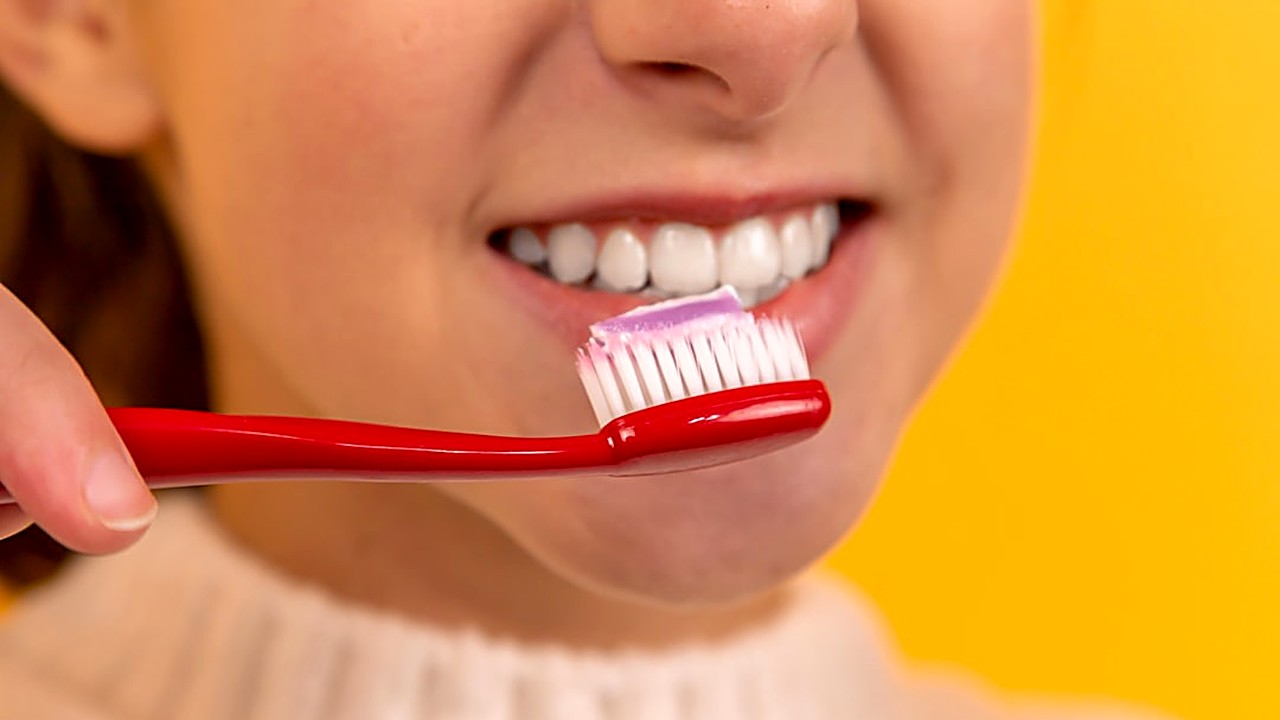
The way you hold the brush matters. A grip that is too tight transfers extra pressure to the gum line. The American Dental Association recommends a light, circular motion, rather than a scrubbing back‑and‑forth motion. Aim to keep the brush head at a 45‑degree angle to the gum line. This angle allows the bristles to clean the tooth surface while gently massaging the gum.
A soft‑bristled brush can make a big difference. Hard bristles can cut tiny fibers in the gum, especially if you press hard. Many people think a firmer brush cleans better, but research shows a soft brush removes plaque just as well when used correctly. I once tried a medium brush for a month; the next dental check‑up showed more bleeding spots than before. Switching back to a soft brush and reducing pressure stopped the bleeding within two weeks.
The Role of Floss and Other Cleaning Tools
 How to Lower A1C Naturally with Simple Daily Habits →
 Simple Ways to Lower Blood Sugar After Dinner Without Medication →
 Early Signs of Low Blood Sugar in Adults and How to Spot Them →
Floss reaches places a brush cannot. If plaque builds between teeth, it can pull the gum away from the tooth, creating a pocket that bleeds when brushed. Flossing once a day can prevent these pockets from forming. Start with a gentle slide, curving the floss around each tooth in a C‑shape. If the floss snaps or feels harsh, consider using a floss pick or a water flosser.
Interdental brushes are another option for larger gaps. They work like tiny brushes that fit between teeth, removing food particles without pulling on the gum. Some people find that a combination of floss and interdental brushes reduces bleeding faster than floss alone. Remember, consistency matters more than intensity; a short, daily routine beats a long, occasional one.
Lifestyle, Health, and Nutrition Factors
Smoking reduces blood flow to the gums, making them more vulnerable to infection and bleeding. Quitting can improve gum health within weeks. A diet rich in fresh fruits and vegetables supplies antioxidants and vitamins that support gum tissue. Vitamin C helps collagen formation, while vitamin K assists blood clotting. If you suspect a deficiency, talk with a health professional about testing and possible supplements.
Certain systemic conditions, such as diabetes, can affect gum healing. High blood sugar levels feed bacteria and slow the immune response, leading to more frequent bleeding. Stress can also raise cortisol levels, which may weaken the immune system and increase gum inflammation. Managing these factors—through regular exercise, balanced meals, and stress‑relief practices—can indirectly protect the gums.
Practical Steps to Reduce Bleeding
1. Choose the right brush – Soft bristles, small head, and replace every three months.
2. Use gentle pressure – Imagine you are cleaning a delicate glass; the brush should glide, not dig.
3. Adopt the correct angle – Hold the brush at about 45 degrees to the gum line and move in small circles.
4. Floss daily – Start with a short segment of floss, and work your way through each tooth.
5. Rinse with an antimicrobial mouthwash – This can lower bacterial load, giving the gums a chance to heal.
6. Check your diet – Add citrus fruits, leafy greens, and nuts that provide vitamins C and K.
7. Schedule a dental visit – If bleeding lasts more than a week of careful care, a professional cleaning and assessment are advisable.
By following these habits, many people see a noticeable drop in bleeding within a few weeks. The key is consistency and listening to your body. If you notice persistent pain, swelling, or a change in gum color, it may indicate a deeper issue that needs professional attention.
Disclaimer: This article is for general information only and is not medical or dental advice. Talk to a healthcare or dental professional about your situation.
Frequently asked questions
Can a hard toothbrush cause gum bleeding?
Yes, a hard brush can irritate the gum line, especially if you press firmly. Switching to a soft brush and using lighter pressure often reduces bleeding.
Is it normal for gums to bleed after the first few days of a new brush?
It can happen if the new brush is harder than your previous one or if you are still adjusting your technique. If bleeding continues beyond a week, consider checking your brushing method or seeing a dentist.
Do vitamins help stop gum bleeding?
Vitamins C and K support gum tissue and clotting. A balanced diet that includes these nutrients may help, but they are not a substitute for proper oral care.
How often should I replace my toothbrush?
Most experts suggest replacing a toothbrush every three months, or sooner if the bristles look frayed. Worn bristles are less effective and can damage gums.
When should I see a dental professional about bleeding gums?
If bleeding persists for more than a week despite gentle brushing and flossing, or if you notice swelling, pain, or changes in gum color, it is wise to schedule a dental appointment.
*This article is for general information only and is not medical or dental advice. Talk to a healthcare or dental professional about your situation.*
Simple health wins in your inbox. No hype.
Educational content, not medical advice. Talk to your doctor before making health decisions.