How to Use a Warm Bath to Fall Asleep Faster Tonight
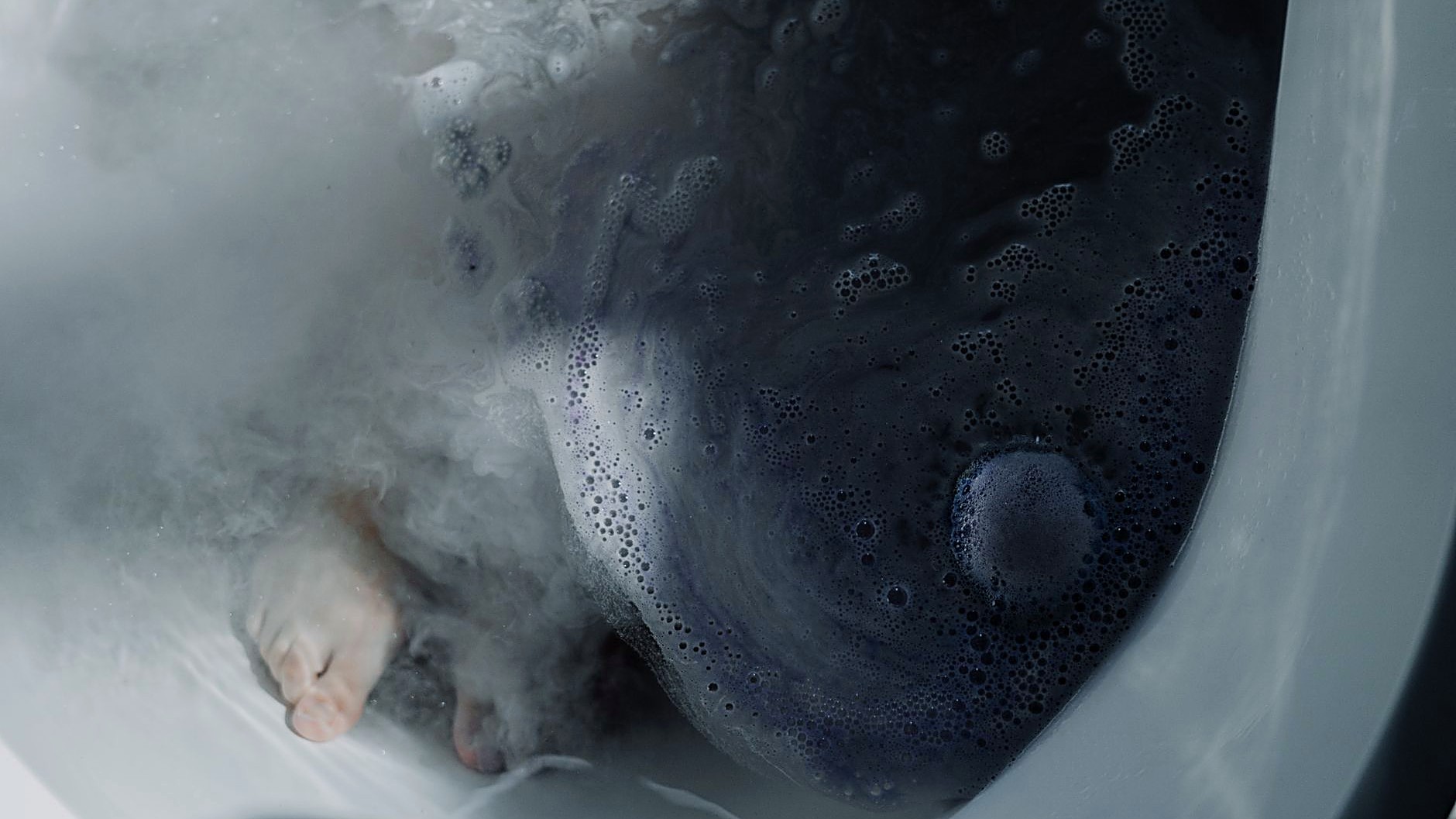
Quick answer: A warm bath can lower body temperature and relax muscles, signaling the brain that it is time to sleep. Aim for a 10‑15 minute soak about 60‑90 minutes before bed, keep the water around 100‑104°F, and add gentle scents or calming music for best results.↗ Share on X
Why Warm Baths Help Sleep
 Nighttime Racing Mind: Why It Happens and How to Slow It Down →
 Understanding Glycemic Index: Choose Foods That Keep Blood Sugar Stable →
 Can caffeine trigger tinnitus and how to limit its impact? →
When you sit in warm water, your skin temperature rises quickly. After you get out, the body cools down faster than it would otherwise. This cooling triggers the release of melatonin, the hormone that tells the brain it is night. A cooler core temperature also reduces the activity of the nervous system, making you feel sleepy.
Research shows that a drop of about 1‑2°F in core temperature can improve sleep onset. The drop happens naturally after a warm bath because blood moves from the skin to the deeper parts of the body. This shift is similar to the natural temperature dip that occurs each evening.
For people over 45, the body’s ability to regulate temperature can become slower. A warm bath gives a gentle push to start the nightly cooling process. It also eases muscle tension that often builds after a day of work or chores. Less tension means fewer chances of tossing and turning.
I have used this method for many years. After a long day of gardening, a short soak helped my neck relax and my mind quiet down. The next night I fell asleep within 20 minutes, a change I noticed after a few weeks of consistent use.
Simple health wins in your inbox. No hype.
Preparing the Perfect Bath
Affiliate link. We may earn a commission on purchases, at no extra cost to you.
This content is informational and is not a substitute for medical advice. Supplements do not cure or treat diseases.
Start by setting the water temperature. Aim for 100‑104°F (38‑40°C). This range feels warm but not hot enough to cause discomfort. Use a thermometer if you have one, or test the water with your wrist; it should feel comfortably warm.
Fill the tub to a depth of about 12‑14 inches. This level allows your whole body to be immersed without splashing out. If you have a small tub, a half‑bath works as well; the key is that most of your skin is in contact with the water.
Keep the bathroom dim. Bright lights can signal the brain that it is still daytime. Turn off overhead lights and use a night‑light or a small lamp with a warm glow. This creates a calm atmosphere that matches the goal of sleep.
Limit the soak to 10‑15 minutes. Longer baths can raise body temperature too much, making the subsequent cooling phase take longer. Set a timer if you tend to lose track of time. A short, focused soak is enough to start the relaxation cascade.
Adding Simple Extras for Relaxation
 How to Find Your Ideal Blood Sugar Range by Age →
 Main Differences Between Tinnitus and Normal Ear Ringing →
 How to calm ear ringing at night without pills →
A few gentle additions can enhance the calming effect without overwhelming the senses. Here are three safe options:
1. Lavender or Chamomile Essential Oil – Add 3‑5 drops to the water. Both scents have been linked to lower heart rate and reduced anxiety. If you are sensitive to fragrance, use a very small amount.
2. Soft Music or Nature Sounds – Play a low‑volume playlist of gentle piano or rain sounds. The rhythm can help slow breathing and guide the mind toward rest.
3. Epsom Salt (Magnesium Sulfate) – Dissolve 1‑2 cups in the tub. Magnesium may help relax muscles and ease minor aches. Use this only if you have no kidney issues and follow the package instructions.
Avoid strong stimulants such as peppermint oil or bright colored lights. These can keep the brain alert rather than calm. The goal is to create a soothing environment that signals the body it is time to wind down.
Bath Routine and Timing
Timing is a key part of the process. Plan to finish your bath at least 60 minutes before you intend to turn off the lights. This window gives the body enough time to cool down and for melatonin levels to rise.
After the bath, gently pat yourself dry with a soft towel. Do not rub vigorously; a light pat helps keep the skin temperature from rising again. Slip into comfortable sleepwear that is breathable, such as cotton or bamboo fabrics.
Consider a short relaxation practice after the bath. Simple breathing exercises, such as inhaling for four counts and exhaling for six, can deepen the sense of calm. Even a brief 5‑minute meditation can help transition the mind from activity to rest.
If you find that you are still awake after 20‑30 minutes, avoid checking the phone or turning on bright screens. Light exposure can reset the internal clock and make it harder to fall asleep. Instead, keep the room dark and focus on the feeling of relaxation that the bath created.
After the Bath: Transition to Bed
When you step out of the tub, the body’s core temperature begins to fall. This natural cooling is strongest in the first 30 minutes after the bath. Use this time wisely:
- Keep the room cool – Aim for a bedroom temperature of about 65‑68°F (18‑20°C). A cooler room supports the body’s temperature drop.
- Limit fluids – Drink a small glass of water if you are thirsty, but avoid large amounts that could cause nighttime trips to the bathroom.
- Use a light snack if needed – A tiny snack with protein, such as a few almonds, can prevent hunger without raising blood sugar too much.
By following these steps, many people notice that they drift off to sleep more quickly and enjoy deeper sleep throughout the night. Remember that each person’s response can vary. Consistency over several weeks often yields the best results.
Disclaimer: This article is for general information only and is not medical or dental advice. Talk to a healthcare or dental professional about your situation.
Frequently asked questions
Can a warm bath be used if I have high blood pressure?
It may be safe for many people, but the warm water can raise heart rate temporarily. If you have concerns, talk to a doctor before trying this routine.
What temperature is too hot for a bedtime bath?
Water above 110°F (43°C) can be uncomfortable and may cause the body to stay warm longer, making it harder to fall asleep.
Should I add bubbles or bath bombs for better sleep?
Some bath bombs contain strong fragrances or colors that can be stimulating. If you choose to use them, pick a mild, unscented option and keep the amount small.
How often should I take a bedtime bath?
Using a warm bath a few times a week can be helpful. Daily use is fine for most people, but listen to your body and adjust as needed.
Can a warm bath replace other sleep habits?
A bath can be a useful part of a bedtime routine, but it works best when combined with other healthy sleep practices such as keeping a regular schedule and limiting caffeine.
*This article is for general information only and is not medical or dental advice. Talk to a healthcare or dental professional about your situation.*
Simple health wins in your inbox. No hype.
Educational content, not medical advice. Talk to your doctor before making health decisions.