Understanding Glycemic Index: Choose Foods That Keep Blood Sugar Stable
Quick answer: The glycemic index (GI) rates carbs from 0 to 100 based on how fast they raise blood sugar. Low‑GI foods (55 or less) cause a slower, smaller rise, while high‑GI foods (70 or more) spike glucose quickly. Picking more low‑GI options can help keep blood sugar steadier throughout the day.↗ Share on X
What Is the Glycemic Index?
 Nighttime Racing Mind: Why It Happens and How to Slow It Down →
 How to Use Baking Soda Safely to Reduce Gum Bleeding →
 Natural Ways to Calm Gum Swelling at Home Safely →
The glycemic index is a number that tells how quickly a carbohydrate turns into glucose after you eat it. The scale runs from 0 to 100. A food that scores 0 has almost no effect on blood sugar. A food that scores 100 raises blood sugar as fast as pure glucose.
Scientists create the number by feeding a group of volunteers a set amount of the test food, then measuring blood sugar every 15 minutes for two hours. The result is compared with the response to pure glucose.
Low‑GI foods (55 or below) are digested and absorbed slowly. This slower process gives the body time to use the sugar for energy instead of storing it as fat. High‑GI foods (70 or above) break down fast, sending a quick surge of glucose into the bloodstream.
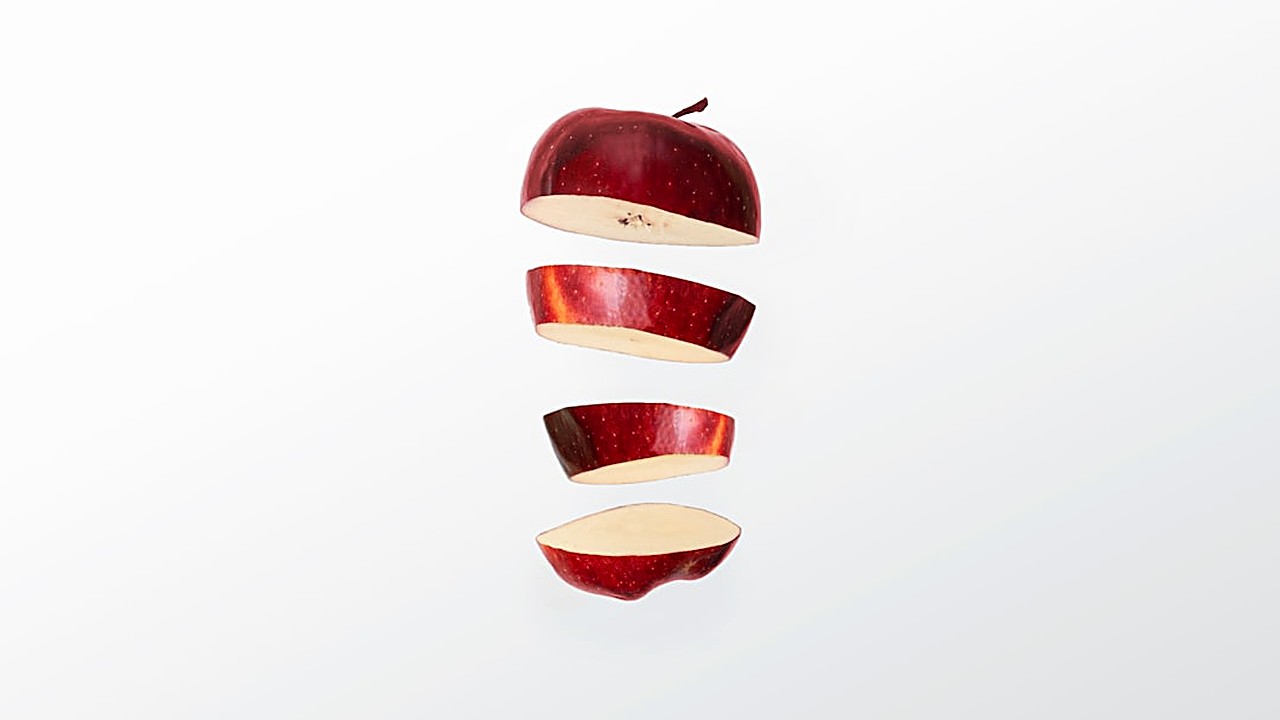
Common examples: an apple (GI 38), lentils (GI 30), and oatmeal (GI 55) are low‑GI. White bread (GI 75) and instant rice (GI 80) are high‑GI. Knowing the GI helps you see which carbs are likely to cause a rapid rise and which keep you feeling balanced.
Simple health wins in your inbox. No hype.
How GI Affects Blood Sugar Levels
Affiliate link. We may earn a commission on purchases, at no extra cost to you.
This content is informational and is not a substitute for medical advice. Supplements do not cure or treat diseases.
When blood sugar spikes, the pancreas releases insulin to move glucose into cells. A sudden surge can overload the system, especially for people whose insulin response is slower. Repeated spikes may lead to higher fasting glucose over time.
Low‑GI meals produce a gentler rise. Insulin can keep up, and the sugar is used for fuel rather than stored. This pattern often leads to fewer cravings and steadier energy.
Research shows that people who regularly eat low‑GI foods tend to have lower HbA1c levels, a measure of average blood sugar over several months. The effect is not a guarantee, but the trend is consistent across many studies.
For many adults, especially those over 45, the body’s ability to handle quick sugar changes can start to decline. Choosing foods that move glucose slowly can reduce the workload on the pancreas and may support better long‑term control.
Choosing Low‑GI Foods
 Can High Stress Make Your Ear Ringing Worse →
 How to Use Vitamin C to Strengthen Gums Naturally →
 How High Blood Pressure Can Worsen Tinnitus and Simple Relief Steps →
Start by looking at the carbohydrate source. Whole grains, legumes, fruits, and non‑starchy vegetables usually have lower GI scores than refined grains or sugary snacks.
Whole grains: Choose steel‑cut oats, quinoa, or barley instead of quick‑cook oats or white rice.
Legumes: Beans, lentils, and chickpeas are excellent low‑GI options. A half‑cup of cooked lentils stays below 35 on the GI scale.
Fruits: Most fresh fruits fall in the low‑to‑moderate range. Apples, pears, berries, and oranges are good picks.
Vegetables: Most non‑starchy vegetables (broccoli, spinach, peppers) have a GI of less than 15.
When you need a higher‑GI food, pair it with protein, fat, or fiber. This combo slows digestion and lowers the overall impact on blood sugar. For example, adding a handful of nuts to a banana or spreading avocado on toast can make the meal more balanced.
Practical Tips for Everyday Meals
I have found that a simple swap in my own kitchen makes a big difference. I replace a breakfast of sugary cereal with a bowl of steel‑cut oats topped with sliced apple and a sprinkle of cinnamon. The oats take about 15 minutes to cook, but the steady rise in energy keeps me from reaching for a mid‑morning snack.
1. Plan ahead. Keep a stash of low‑GI staples like canned beans, brown rice, and frozen berries.
2. Read labels. Look for “whole grain” or “high fiber” claims. Fiber often lowers the GI of a product.
3. Mix textures. Combine a high‑GI food with a low‑GI partner. A small piece of whole‑grain toast with peanut butter spreads the glucose load over a longer period.
4. Watch portion size. Even low‑GI foods can raise blood sugar if you eat large amounts. A serving of cooked quinoa is about one cup.
5. Stay hydrated. Water helps the digestive system work efficiently, which can affect how quickly carbs break down.
Putting It All Together
The glycemic index is a tool, not a rule. It helps you see which carbs are likely to cause quick spikes and which keep you feeling steady. By filling your plate with low‑GI foods, adding protein or healthy fat, and watching portions, you can create meals that support more stable glucose levels.
Remember that individual responses vary. Some people may find a particular fruit raises their sugar more than the GI chart suggests. Testing your own reaction with a home glucose monitor can give personal insight.
If you enjoy cooking, experiment with swapping one refined grain for a whole‑grain alternative each week. Over time, these small changes add up and may make a noticeable difference in how you feel throughout the day.
*This article is for general information only and is not medical advice. Talk to a healthcare professional before making changes to your diet, supplements, or medication.*
Frequently asked questions
Can the glycemic index predict how a food will affect my blood sugar?
The GI gives a good estimate of how fast carbs turn into glucose, but individual reactions can differ. Factors like ripeness, cooking method, and personal metabolism also play a role.
Is a low‑GI diet enough to manage diabetes?
A low‑GI diet can be a helpful part of diabetes management, but it should be combined with overall healthy eating, regular activity, and medical guidance.
Do fruits have a high glycemic index?
Most fresh fruits have a moderate to low GI because they contain fiber and water. Dried fruits or fruit juices often have higher scores.
How can I lower the GI of a meal that includes high‑GI foods?
Add protein, healthy fat, or fiber to the meal. For example, pair white rice with beans, or spread nut butter on a slice of toast.
Should I count the glycemic index of every food I eat?
You don’t need to track every item. Focus on choosing more low‑GI staples and balancing meals, which can naturally keep blood sugar steadier.
*This article is for general information only and is not medical advice. Talk to a healthcare professional before making changes to your diet, supplements, or medication.*
Simple health wins in your inbox. No hype.
Educational content, not medical advice. Talk to your doctor before making health decisions.