Herbal Teas: Natural Support for Healthy Blood Sugar Levels
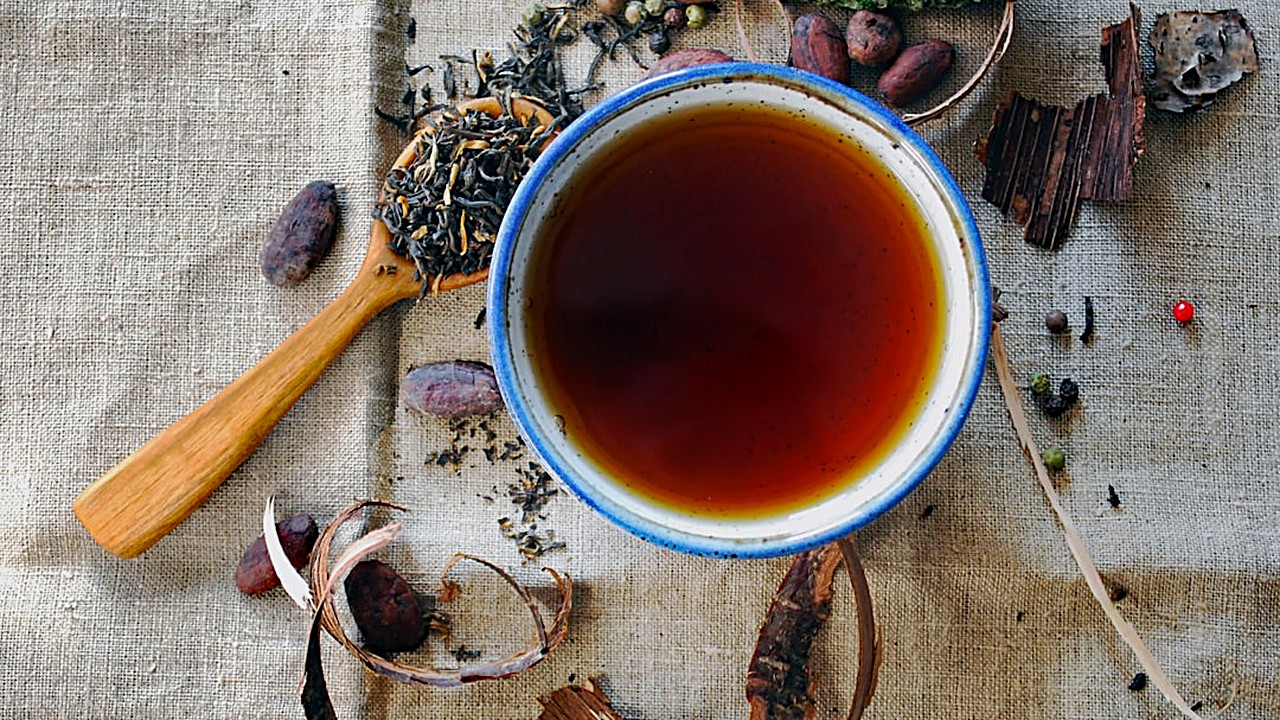
Quick answer: Certain herbal teas, such as cinnamon, fenugreek, and green tea, contain compounds that may help support healthy blood sugar levels by improving insulin sensitivity, slowing sugar absorption, or reducing inflammation. These teas can be a helpful addition to a balanced diet and active lifestyle, but they are not a substitute for medical treatment or professional advice.↗ Share on X
Keeping our blood sugar levels in a healthy range is a cornerstone of overall well-being, especially as we get older. It’s not just about managing a condition; it’s about feeling good, having steady energy, and supporting our long-term health. Many of us are looking for natural ways to complement our healthy eating and exercise routines. While no single food or drink is a magic bullet, some herbal teas have a long history of traditional use and are now being explored for their potential role in blood sugar management.
At VitalNest, we often hear from readers curious about simple, everyday practices that can make a difference. The idea of sipping a warm, comforting tea that might also offer health benefits is certainly appealing. Let's explore some of these teas and what the research suggests about their potential to help regulate blood sugar levels naturally.
Understanding Blood Sugar and Natural Support
 Nighttime Racing Mind: Why It Happens and How to Slow It Down →
 How to Use Baking Soda Safely to Reduce Gum Bleeding →
 Natural Ways to Calm Gum Swelling at Home Safely →
Our bodies need glucose (sugar) for energy. When we eat, carbohydrates break down into glucose, which then enters our bloodstream. Insulin, a hormone made by the pancreas, helps move this glucose from the blood into our cells. If this system isn't working efficiently, blood sugar levels can rise, which can have various health implications over time. Lifestyle choices, including diet and physical activity, play a huge role in keeping this system balanced.
Herbal teas, derived from various plants, often contain a wealth of beneficial compounds like antioxidants, polyphenols, and specific plant chemicals. These compounds can interact with our bodies in different ways, potentially influencing processes related to glucose metabolism. It's important to remember that while these teas offer potential support, they are best viewed as part of a comprehensive approach to health, not as standalone treatments. Always consult with your healthcare provider before making significant changes to your diet or health regimen, especially if you are managing a health condition or taking medication.
Simple health wins in your inbox. No hype.
Cinnamon Tea: A Sweet Spice with Potential Benefits
Affiliate link. We may earn a commission on purchases, at no extra cost to you.
This content is informational and is not a substitute for medical advice. Supplements do not cure or treat diseases.
Cinnamon is more than just a fragrant spice for your morning oatmeal; it's also a popular herbal tea ingredient with a long history in traditional medicine. The active compounds in cinnamon, particularly cinnamaldehyde, are thought to be responsible for many of its health benefits. Research suggests that cinnamon may help improve insulin sensitivity, meaning your body's cells respond better to insulin and take up glucose more efficiently. It might also slow down the breakdown of carbohydrates in the digestive tract, which can reduce the amount of glucose entering the bloodstream after a meal.
Making cinnamon tea is simple: steep a cinnamon stick or a teaspoon of ground cinnamon in hot water for 5-10 minutes. Some people find a cup of cinnamon tea after a meal to be a pleasant and potentially helpful ritual. In my own kitchen, I've found a warm cup of cinnamon tea to be a comforting way to end a meal, and it's a simple addition to my routine. While studies have shown promising results, the amount of cinnamon needed for an effect can vary, and more research is always ongoing to understand the optimal dosage and long-term effects.
Fenugreek Tea: A Fiber-Rich Ally
 Normal Blood Sugar by Age: The Numbers That Really Matter →
 Walking After Dinner: How It Affects Your Blood Sugar →
 Does Drinking Water Actually Lower Blood Sugar Fast? →
Fenugreek seeds are another herb that has garnered attention for its potential blood sugar-lowering properties. These small, yellowish seeds are rich in soluble fiber, which can slow down the absorption of carbohydrates and sugars in the digestive tract. This slower absorption can lead to a more gradual rise in blood sugar levels after eating. Fenugreek also contains compounds called saponins, which may play a role in improving insulin function.
To make fenugreek tea, you can soak a teaspoon of fenugreek seeds in water overnight, then boil the water with the seeds in the morning and strain. Alternatively, you can lightly roast the seeds, grind them, and steep the powder in hot water. The taste can be quite strong and slightly bitter, so some people prefer to mix it with other herbs or a touch of natural sweetener. When I first started looking into natural ways to support my well-being, I was surprised by how many common kitchen herbs, like fenugreek, had traditional uses for blood sugar management, prompting me to explore them further.
Green Tea and Its Catechin Power
Green tea, along with its cousins oolong and black tea, comes from the *Camellia sinensis* plant. What sets green tea apart is its minimal processing, which helps preserve a high concentration of beneficial plant compounds called catechins, especially epigallocatechin gallate (EGCG). EGCG is a powerful antioxidant that has been studied for its potential to improve insulin sensitivity and reduce inflammation, both of which are important for healthy blood sugar regulation. Some research suggests that regular consumption of green tea may be associated with a lower risk of developing certain metabolic issues.
Brewing green tea correctly is key to enjoying its flavor and maximizing its benefits. Use water that is hot but not boiling (around 175°F or 80°C) and steep for 2-3 minutes to avoid bitterness. Enjoying a few cups of green tea throughout the day can be a refreshing way to incorporate these beneficial compounds into your diet. While green tea contains caffeine, which can affect some individuals, decaffeinated versions are also available if you are sensitive to caffeine.
Chamomile and Ginger Teas: Soothing Support
Beyond the more direct blood sugar effects, other herbal teas offer supportive benefits that can indirectly help. Chamomile tea, known for its calming properties, may also have anti-inflammatory and antioxidant effects. Chronic inflammation can contribute to insulin resistance, so reducing inflammation could indirectly support better blood sugar control. A warm cup of chamomile tea before bed might not only help you relax but also offer these gentle benefits.
Ginger tea, made from the root of the ginger plant, is another powerhouse. It contains compounds like gingerols and shogaols, which have strong anti-inflammatory and antioxidant properties. Some studies suggest that ginger may help improve fasting blood sugar levels and insulin sensitivity. It can also aid digestion, which is beneficial for overall metabolic health. To make ginger tea, simply steep slices of fresh ginger root in hot water for 10-15 minutes. You can add a squeeze of lemon or a touch of honey for flavor.
Incorporating Teas into Your Routine Safely
Adding herbal teas to your daily routine can be a simple and enjoyable way to support your health. However, it's crucial to approach this with awareness and caution. Remember these points:
- Start Slowly: Introduce one new tea at a time to see how your body responds.
- Quality Matters: Choose high-quality, organic teas to avoid pesticides and contaminants.
- No Sugar Added: To truly support blood sugar, avoid adding sugar or artificial sweeteners to your tea. A slice of lemon or a tiny bit of stevia leaf might be options if you need a touch of sweetness.
- Listen to Your Body: Pay attention to any changes or discomfort. If you experience adverse effects, stop consumption and consult a healthcare professional.
- Interaction with Medications: Some herbs can interact with medications, especially those for blood sugar, blood pressure, or blood thinning. For example, fenugreek can lower blood sugar, potentially enhancing the effect of diabetes medications. Always discuss any herbal supplements or teas with your doctor, especially if you are on prescription drugs.
While herbal teas offer a natural and often pleasant way to support healthy blood sugar levels, they are not a replacement for medical treatment, prescribed medications, or fundamental lifestyle changes like a balanced diet and regular exercise. They are a complementary tool, a gentle nudge in the right direction, part of a holistic approach to wellness. Enjoy your tea, but always keep your healthcare provider in the loop.
This article is for general information only and is not medical advice. Talk to a healthcare professional before making changes to your diet, supplements, or medication.
Frequently asked questions
Can herbal teas replace my blood sugar medication?
No, herbal teas are not a substitute for prescribed blood sugar medications or medical treatment. They may offer complementary support as part of a healthy lifestyle, but you should always consult your healthcare professional before making any changes to your medication or treatment plan.
How much herbal tea should I drink to see benefits?
There isn't a universally recommended dosage for herbal teas to regulate blood sugar, as effects can vary greatly depending on the tea type, preparation, and individual body response. Generally, 1-3 cups per day of a specific tea is a common practice, but it's best to start slowly and observe how your body reacts. Always discuss with your doctor, especially if you are taking other medications.
Are there any side effects or interactions with herbal teas?
Yes, some herbal teas can have side effects or interact with medications. For example, fenugreek and cinnamon can lower blood sugar, potentially enhancing the effects of diabetes medications. Green tea contains caffeine, which might affect some individuals. Always inform your doctor about any herbal teas or supplements you are consuming, especially if you have existing health conditions or are on medication.
Which herbal tea is best for blood sugar control?
There isn't one 'best' tea, as different teas offer various potential benefits. Cinnamon, fenugreek, and green tea are among the most studied for their direct effects on blood sugar and insulin sensitivity. Chamomile and ginger teas offer supportive benefits like reducing inflammation. The best approach might be to explore different options and see what works well for you as part of a balanced diet and healthy lifestyle, always with medical guidance.
Can I add sweeteners to my herbal tea for blood sugar benefits?
To maximize the potential blood sugar benefits, it's best to avoid adding sugar, honey, or artificial sweeteners to your herbal teas. These can counteract the very benefits you're seeking. If you prefer a sweeter taste, a squeeze of lemon, a few berries, or a tiny amount of a natural, non-caloric sweetener like stevia leaf might be considered, but plain tea is always the best option for blood sugar management.
*This article is for general information only and is not medical advice. Talk to a healthcare professional before making changes to your diet, supplements, or medication.*
Simple health wins in your inbox. No hype.
Educational content, not medical advice. Talk to your doctor before making health decisions.