Why Does Your Blood Sugar Rise After Eating Certain Healthy Vegetables: Practical Tips

Quick answer: Even healthy vegetables contain carbohydrates that break down into glucose. Starchy options like potatoes, corn, and beets have a higher glycemic impact than leafy greens. Factors like cooking methods, portion sizes, and your unique metabolism also play a role. Balancing these foods with fiber, protein, and healthy fats helps stabilize your levels.↗ Share on X
The Hidden Carbohydrates in Vegetables
 Can a magnesium-rich diet reduce ear ringing naturally →
 Can loud concerts really damage your hearing? What to know →
 Can a Quiet Room Help Reduce Nighttime Ear Ringing Fast →
Many people are surprised when they see a spike on their glucose monitor after eating a bowl of roasted carrots or beets. We are often told that vegetables are always 'safe' for blood sugar control. However, not all vegetables are created equal. While they are packed with vitamins and minerals, they also contain carbohydrates.
When you eat vegetables, your digestive system breaks down those carbohydrates into glucose. This glucose enters your bloodstream. For some people, especially those managing insulin resistance, even 'healthy' starches can cause a noticeable rise. It is not about avoiding these foods, but rather understanding how they fit into your daily routine.
Simple health wins in your inbox. No hype.
Starchy Versus Non-Starchy Vegetables
Affiliate link. We may earn a commission on purchases, at no extra cost to you.
This content is informational and is not a substitute for medical advice. Supplements do not cure or treat diseases.
To manage your glucose, it helps to categorize your vegetables. Non-starchy vegetables like spinach, kale, broccoli, and zucchini have very little impact on blood sugar. You can usually eat these in large portions without seeing a major spike. They are mostly water and fiber.
On the other hand, starchy vegetables are more concentrated sources of energy. Potatoes, sweet potatoes, corn, peas, and winter squash contain more starch. When you eat these, your body processes them similarly to grains. If you have a sensitive metabolism, a large serving of mashed sweet potatoes might cause the same reaction as a small serving of brown rice. I have noticed in my own kitchen that weighing my portions of starchy vegetables helps me keep my post-meal numbers within a comfortable range.
How Cooking Changes Your Glucose Response
 Can High Stress Make Your Ear Ringing Worse →
 How to Use Vitamin C to Strengthen Gums Naturally →
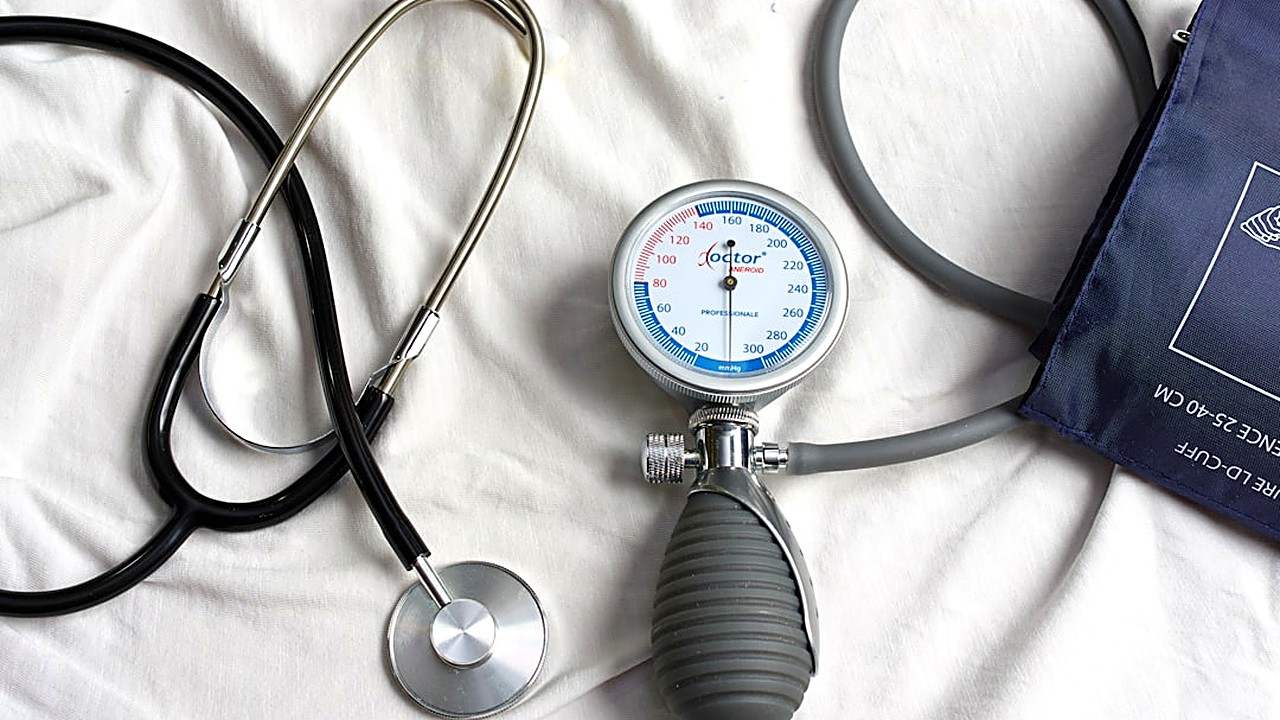 How High Blood Pressure Can Worsen Tinnitus and Simple Relief Steps →
How you prepare your vegetables matters just as much as which ones you choose. Cooking breaks down the cell walls of plants. This makes the starch easier for your body to digest and absorb quickly. A raw carrot has a lower glycemic impact than a cooked, soft carrot.
Blending or pureeing vegetables also speeds up digestion. When you turn vegetables into a smooth soup or a juice, you remove the physical work your stomach has to do. This leads to a faster rise in blood sugar. If you want to keep your glucose steady, try eating your vegetables in their whole, crunchy form rather than cooking them until they are very soft or blending them.
The Power of Food Pairing
You do not have to eat vegetables in isolation. Pairing is one of the most effective tools for glucose management. If you are having a starchy vegetable, eat it alongside protein, healthy fats, or extra fiber.
For example, if you are having roasted beets, add a handful of walnuts or some feta cheese. The fat and protein slow down the rate at which your stomach empties. This means the glucose from the beets enters your bloodstream more slowly. I often add a tablespoon of olive oil or a few seeds to my vegetable dishes. It makes a significant difference in how I feel after the meal.
Listen to Your Own Body
Everyone reacts differently to food. Your blood sugar response depends on your activity level, your stress, and your sleep quality. A walk after dinner can help your muscles use up the glucose from your meal. This is a simple habit that often blunts the spike from starchy vegetables.
Observe how you feel after eating. If you feel tired or foggy after a meal, it might be a sign that your glucose rose too quickly. Keep a simple log of what you eat and how you feel. This helps you identify which vegetables work best for your unique body. Remember, the goal is to enjoy a wide variety of plants while keeping your energy stable throughout the day.
This article is for general information only and is not medical advice. Talk to a healthcare professional before making changes to your diet, supplements, or medication.
Frequently asked questions
Are starchy vegetables bad for me?
No, they are not bad. They provide essential vitamins, minerals, and fiber. The key is to manage portion sizes and pair them with protein or healthy fats.
Why does my blood sugar spike even after eating vegetables?
Vegetables contain carbohydrates that convert to glucose. If you eat a large portion of starchy vegetables, or if you cook them until they are very soft, your body absorbs the glucose more quickly.
Should I stop eating carrots and beets?
You do not need to stop eating them. These vegetables are very nutritious. Try eating smaller portions and always pair them with a source of protein or fat to slow down digestion.
Does raw vegetable consumption affect blood sugar differently?
Yes. Raw vegetables are harder for your body to break down, which usually results in a slower, smaller rise in blood sugar compared to cooked or pureed vegetables.
*This article is for general information only and is not medical advice. Talk to a healthcare professional before making changes to your diet, supplements, or medication.*
Simple health wins in your inbox. No hype.
Educational content, not medical advice. Talk to your doctor before making health decisions.