How to Test Blood Sugar at Home Safely and Accurately
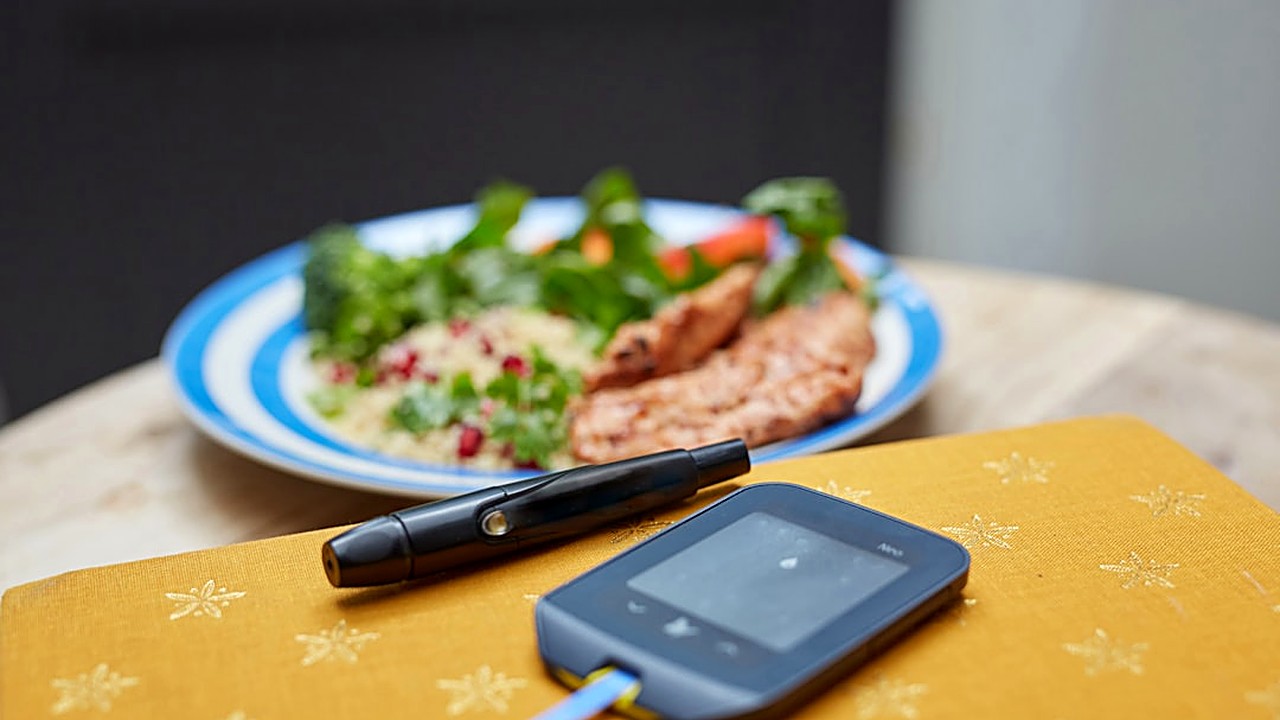
Quick answer: Testing blood sugar at home involves washing hands, pricking the fingertip, placing a drop of blood on a test strip, and reading the result. Use a clean lancet and meter, check strips for expiration, and record results. Wash hands before testing to avoid food residue affecting readings.↗ Share on X
Why Test Blood Sugar at Home?
 Nighttime Racing Mind: Why It Happens and How to Slow It Down →
 Main Differences Between Tinnitus and Normal Ear Ringing →
 How to calm ear ringing at night without pills →
Many people wonder if home testing is really necessary. The answer depends on your health and your doctor’s advice. If you have diabetes or prediabetes, regular testing helps you understand how food, activity, and stress affect your blood sugar. Even if you don’t have diabetes, your doctor might suggest testing if you have symptoms like frequent thirst, fatigue, or unexplained weight changes.
I remember a neighbor who started testing after feeling dizzy every afternoon. She thought it was just stress. After two weeks of tracking, she noticed her blood sugar spiked after eating sweets. Small changes in her diet made a big difference in how she felt. Testing gave her clear evidence, not guesswork.
Home testing isn’t for everyone. Some people feel anxious about seeing high numbers. Others find it hard to remember to test. If testing causes stress, talk to your doctor about a plan that works for you. The goal is useful information, not fear.
Simple health wins in your inbox. No hype.
What You Need Before You Start
Affiliate link. We may earn a commission on purchases, at no extra cost to you.
This content is informational and is not a substitute for medical advice. Supplements do not cure or treat diseases.
You don’t need a lot of tools, but you do need the right ones. Start with a blood glucose meter. These come in different brands, so choose one your insurance covers or your doctor recommends. Test strips are just as important. They must match your meter exactly. Using the wrong strip gives wrong results.
Lancets are tiny needles that prick your finger. They come in different sizes. If your finger feels sore after testing, try a smaller lancet or a different finger. Some people prefer the side of the fingertip instead of the pad. It hurts less and heals faster.
Alcohol wipes clean your skin before testing. They’re not always necessary, but they help prevent infections. A logbook or app saves your results. Writing them down or typing them helps you spot patterns over time.
Step 1: Prepare Your Hands and Tools
 Why Gums Bleed After Brushing and How to Stop It →
 Why Does Your Blood Sugar Rise After Eating Certain Healthy Vegetables: Practical Tips →
 Can a magnesium-rich diet reduce ear ringing naturally →
Wash your hands with warm water and soap. Dry them completely. Water or food on your hands can change your blood sugar reading. Avoid hand sanitizer right before testing. It can leave residue that affects the strip.
Check your test strips. They expire. Using old strips gives wrong numbers. Keep strips in their original container. Don’t leave them in the car or bathroom where heat and moisture can damage them.
Turn on your meter. Some meters turn on automatically when you insert a strip. Others need a button press. Read the manual once. It takes ten minutes but saves mistakes later.
Step 2: Choose the Right Finger and Prick It Gently
The side of your fingertip works best. Avoid the very tip or center. Those spots have more nerve endings and hurt more. Rotate fingers to give each one a rest. Testing the same spot every time can cause calluses and sore spots.
Hold your hand down and let blood flow to your fingertip. Shake your hand gently if blood doesn’t appear. Squeezing too hard pushes tissue fluid into the blood. That fluid can lower your reading.
Use a new lancet every time. Reusing lancets dulls the tip and hurts more. Most lancets come in packs of 25 or 50. They’re cheap and easy to replace.
Step 3: Place the Blood Drop on the Strip
Insert a fresh test strip into the meter. The meter will beep or show a ready symbol. Hold your hand still. Let a large drop of blood form. Touch the edge of the strip to the blood drop. Don’t smear the blood. The strip absorbs what it needs.
If the blood doesn’t soak in, don’t add more. Wipe it off and try again with a new strip. Too much blood can clog the strip and give an error.
Wait for the meter to beep or show your result. This takes about 5 to 10 seconds. Don’t move your hand or talk during this time. Small movements can affect the reading.
Step 4: Read and Record Your Result
Your meter shows a number in milligrams per deciliter (mg/dL). Write it down immediately. If you use an app, enter it right away. Don’t rely on memory. Numbers look different in the morning than at night.
Compare your result to your target range. Your doctor sets this range based on your health. For most people with diabetes, the target is 80 to 130 mg/dL before meals and less than 180 mg/dL two hours after eating.
If your number is too high or too low, follow your doctor’s plan. High numbers might mean you need more insulin or less food. Low numbers might mean you need a snack. Never change your medication without talking to your doctor first.
Common Mistakes That Change Your Results
Testing on cold or dirty fingers gives wrong numbers. Always wash and dry your hands. Using a strip that’s been left open in the air can also change results. Keep strips sealed until you’re ready to use them.
Some meters require coding. This means matching the strip bottle to the meter. If you skip this step, results can be off by 20 points or more. Check your manual to see if your meter needs coding.
Testing too soon after eating, exercising, or taking medication can give confusing numbers. Wait at least two hours after a meal before testing unless your doctor says otherwise. After exercise, wait 30 minutes to let your body settle.
When to Test and How Often
Your testing schedule depends on your health and your doctor’s advice. Many people test before breakfast and before dinner. Others test two hours after meals to see how food affects them. Some test before bed to check for overnight highs or lows.
If you’re new to testing, start with once a day. Pick a time that’s easy to remember, like after brushing your teeth in the morning. After a week, you’ll see if you need to test more often.
Keep a log of your results. Look for patterns. Do numbers go high after certain foods? Do they drop after a walk? Patterns help you and your doctor make better decisions about your health.
What to Do If Your Numbers Are Too High or Too Low
High numbers mean your blood sugar is above your target range. First, check if you ate more than usual or skipped medication. Drink water to help flush out extra sugar. Walk for ten minutes to lower your number naturally.
If your number stays high for two tests in a row, call your doctor. You might need a medication change or a review of your diet plan. Never ignore high numbers for days. They can lead to serious problems over time.
Low numbers feel shaky, sweaty, or confused. Eat or drink 15 grams of fast sugar right away. Good options are four glucose tablets, half a cup of juice, or one tablespoon of honey. Wait fifteen minutes and test again. If it’s still low, repeat the sugar and call someone for help.
Keeping Your Supplies Clean and Ready
Store your meter and strips in a cool, dry place. Avoid the bathroom or kitchen where humidity can ruin them. Keep extra strips and lancets in a sealed container. Check expiration dates every month.
Clean your meter with a damp cloth. Don’t use alcohol or harsh cleaners. They can damage the screen or sensors. Replace the battery when the meter beeps or shows a low battery symbol.
If your meter gets dropped or wet, stop using it. Get a new one and test with a fresh strip to make sure it still works. Safety first.
Troubleshooting Meter Errors
Meters show error messages sometimes. Common ones include “E-1” for not enough blood or “E-5” for strip problems. Read your manual to understand what each error means. Most errors mean you need to try again with a new strip.
If your meter keeps giving the same error, call the customer service number on the back. They can help you fix it or send a replacement. Don’t keep using a meter that gives wrong numbers.
Talking to Your Doctor About Your Results
Bring your logbook or app to every appointment. Show your doctor your numbers and any patterns you’ve noticed. Ask if your target range needs adjusting. Bring a list of questions about your diet, medication, or lifestyle.
Doctors love seeing organized data. It helps them give better advice. If your numbers are all over the place, your doctor might suggest a continuous glucose monitor. These devices test sugar every few minutes and send alerts if it gets too high or low.
Simple Habits for Better Blood Sugar Control
Small changes add up. Eat balanced meals with protein, fiber, and healthy fats. These foods help sugar enter cells slowly. Avoid sugary drinks and snacks that cause spikes.
Move your body every day. Even a ten-minute walk after meals lowers blood sugar. Stress raises sugar too. Try deep breathing, short walks, or talking to a friend when you feel tense.
Sleep matters. Poor sleep makes your body less sensitive to insulin. Aim for seven to nine hours a night. Keep a regular bedtime and wake-up time.
Final Reminders for Safe Testing
Always use a new lancet and strip for each test. Never share your meter or supplies with others. Wash your hands before and after testing to avoid infections.
Keep your meter calibrated if it needs it. Some meters require calibration with a special solution every few months. Check your manual for instructions.
If testing feels overwhelming, ask your doctor about reducing how often you test. Quality matters more than quantity. One accurate test a day is better than five messy ones.
This article is for general information only and is not medical advice. Talk to a healthcare professional before making changes to your diet, supplements, or medication.
Frequently asked questions
Can I reuse lancets to save money?
Reusing lancets is not recommended. Each prick dulls the tip, making the next prick more painful and less accurate. Lancets are cheap and designed for single use. Reusing them can also increase the risk of infection.
What should I do if my blood sugar reading seems wrong?
First, check if you followed all steps correctly. Wash your hands, use a new strip, and try again. If the number is still off, your meter might need cleaning or calibration. Call the customer service number on your meter for help.
Is it better to test before or after meals?
It depends on your health goals. Testing before meals shows your fasting level. Testing after meals (about two hours later) shows how food affects your blood sugar. Many people test both times to get a full picture.
Can hand sanitizer affect my blood sugar test?
Yes. Hand sanitizer leaves residue that can contaminate your finger and the test strip. Always wash your hands with soap and water before testing. Wait until your hands are completely dry before pricking your finger.
How do I store test strips to keep them accurate?
Keep test strips in their original sealed container. Store them in a cool, dry place away from heat and humidity. Avoid the bathroom or kitchen. Check the expiration date every month and throw away old strips.
*This article is for general information only and is not medical advice. Talk to a healthcare professional before making changes to your diet, supplements, or medication.*
Simple health wins in your inbox. No hype.
Educational content, not medical advice. Talk to your doctor before making health decisions.