How to Lower Blood Sugar Fast with Short‑Term Fasting
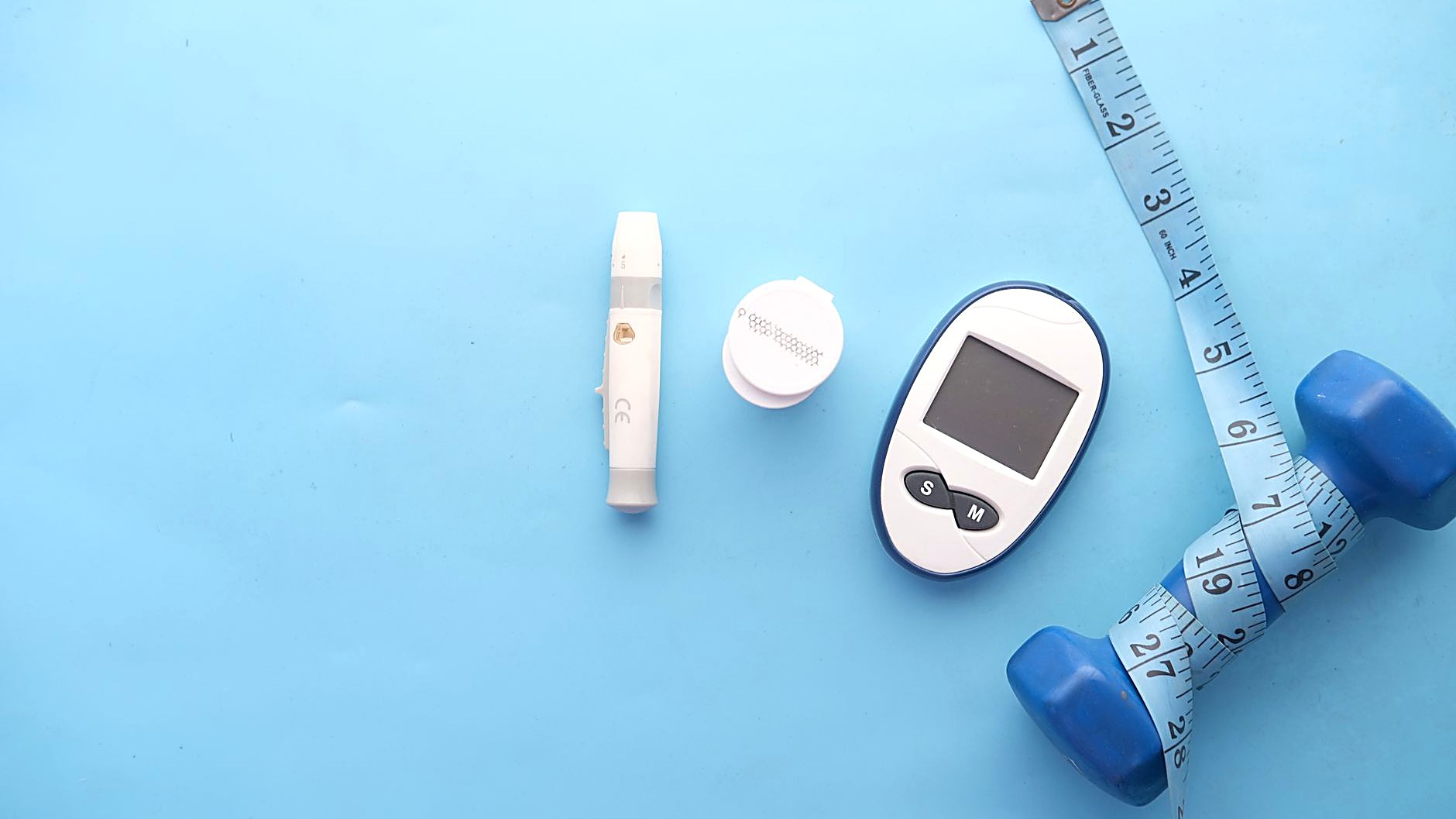
Quick answer: Short‑term fasting—skipping meals for 12‑16 hours—can lower blood sugar by reducing the amount of glucose entering the bloodstream. Start with a 12‑hour fast, stay hydrated, and break the fast with low‑carb foods. Effects vary by individual and health status.↗ Share on X
What Is Short‑Term Fasting?
Short‑term fasting means not eating for a set period, usually between 12 and 16 hours. The body uses stored energy instead of fresh glucose from food. When the gut is empty, insulin levels drop, and the liver releases less sugar. This creates a natural environment for lower blood sugar.
I have tried a 14‑hour fast for a week and noticed that my morning glucose readings were a few points lower than usual. The change was small but steady, and it felt easy to keep up with my daily routine.
Research shows that fasting periods as short as 12 hours can reduce post‑meal spikes. The effect is strongest when the fast follows a high‑carb dinner and ends with a light, low‑carb breakfast.
Simple health wins in your inbox. No hype.
How to Begin a Safe Fast
1. Pick a start time – Many people begin after dinner, around 7 p.m., and finish at breakfast. This gives a 12‑hour window without extra planning.
2. Stay hydrated – Water, herbal tea, or black coffee are fine. Avoid sugary drinks; they break the fast.
3. Set a simple goal – Aim for three fasts per week at first. Consistency matters more than length.
4. Track your numbers – Use a glucometer in the morning and after meals. Note any trends.
A friend of mine started with a 12‑hour fast on weekends only. Within two weeks, her fasting glucose dropped from 110 mg/dL to about 100 mg/dL. She kept the same diet otherwise, showing that the fast itself can shift numbers.
What to Eat Before and After the Fast
Before the fast – Choose a balanced dinner with protein, healthy fats, and non‑starchy vegetables. A plate of grilled salmon, roasted broccoli, and a drizzle of olive oil works well. Keep carbs moderate; a half‑cup of quinoa is enough.
Breaking the fast – Begin with a small portion of protein and fiber. A bowl of Greek yogurt topped with berries and a sprinkle of nuts supplies protein without a big sugar surge. Avoid sugary cereals or pastries at this stage.
If you feel hungry during the fast, sip water or unsweetened tea. A pinch of salt can help if you notice low energy, but keep it light.
Safety Tips and When to Pause
- Medical conditions – People with diabetes, kidney disease, or who take certain medications should talk to a doctor before starting. Fasting can change how medicines work.
- Symptoms to watch – Dizziness, rapid heartbeat, or extreme fatigue may signal low blood sugar. If these appear, end the fast and eat a small snack.
- Pregnancy and breastfeeding – These states need extra calories; short‑term fasting is usually not advised.
- Medication timing – Some drugs are meant to be taken with food. Adjusting the schedule without professional guidance can be risky.
The goal is to create a gentle, repeatable pattern, not a drastic restriction. If a fast feels too hard, shorten it to 10 hours and build up.
Making Fasting Part of Everyday Life
Pick a day that matches your schedule. Many find it easiest to fast on days without heavy physical work. Pair the fast with a short walk after dinner; movement helps the body use glucose more efficiently.
Plan meals ahead. Having a low‑carb breakfast ready removes the temptation to reach for toast or sugary cereal. A simple recipe—scrambled eggs with spinach and a slice of avocado—takes five minutes and keeps carbs low.
Track progress in a journal. Write the date, fast length, and morning glucose reading. Over weeks, you can see patterns and adjust the plan.
Remember that fasting is just one tool. Regular exercise, adequate sleep, and stress management all support healthy blood sugar.
Summary
Short‑term fasting can be a practical way to lower blood sugar quickly, especially when combined with low‑carb meals and steady hydration. Start with a 12‑hour window, stay aware of how your body feels, and keep a record of your readings. Always check with a health professional before changing your eating pattern.
This article is for general information only and is not medical advice. Talk to a healthcare professional before making changes to your diet, supplements, or medication.
Frequently asked questions
Can short‑term fasting lower blood sugar for everyone?
It may help many people, but results depend on age, health status, and medication. Those with certain conditions should get medical guidance first.
How long should a fast be to see a change?
A 12‑hour fast is often enough to notice a small drop in morning glucose. Longer fasts can produce bigger changes but are harder to keep up.
Is it safe to fast while taking diabetes medication?
Only a doctor can decide if it is safe. Some medicines need food, and fasting can alter how they work.
What drinks are allowed during a fast?
Water, unsweetened tea, and black coffee are fine. Avoid any drink with sugar, honey, or fruit juice.
What should I eat after breaking a fast?
Start with protein and fiber, such as Greek yogurt with berries or eggs with vegetables. This helps keep blood sugar steady.
*This article is for general information only and is not medical advice. Talk to a healthcare professional before making changes to your diet, supplements, or medication.*
Simple health wins in your inbox. No hype.
Educational content, not medical advice. Talk to your doctor before making health decisions.