Why Does One Ear Ring While the Other Stays Silent?
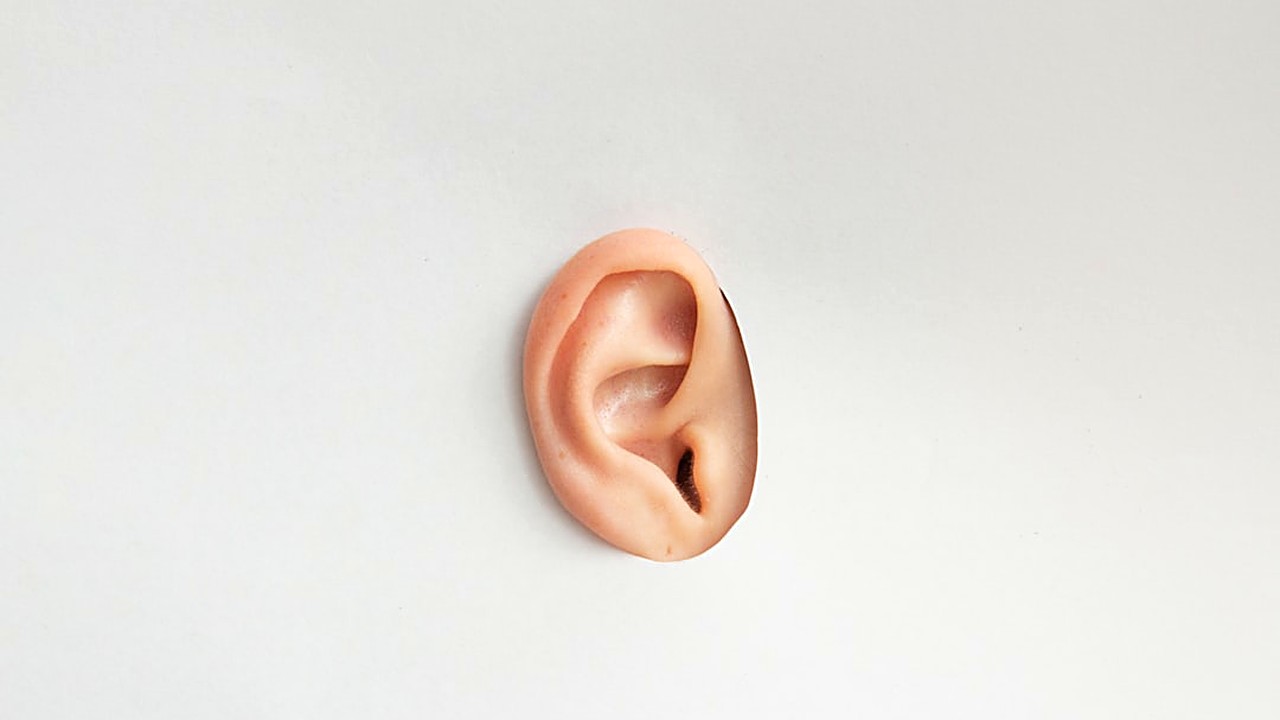
Quick answer: One‑sided ringing, called unilateral tinnitus, often comes from a problem in the ear itself, the hearing nerve, or the brain area that processes sound. It can be triggered by ear infection, earwax blockage, noise exposure, or vascular changes. A doctor can help find the exact cause.↗ Share on X
What Causes One‑Sided Ringing?
 Natural Ways to Strengthen Loose Teeth from Gum Disease →
 How Mindfulness Meditation May Quiet Ringing in Your Ears →
 Understanding Pulsatile Tinnitus and Simple Ways to Ease It →
Unilateral tinnitus feels like a high‑pitched buzz, hissing, or ringing that is louder in one ear. The most common reasons start in the ear canal or middle ear. A buildup of earwax can press on the eardrum, creating a false signal that the brain reads as sound. Infections such as otitis media can inflame the middle ear and change pressure, leading to ringing on the side that is infected.
Another frequent cause is damage to the tiny hair cells inside the inner ear. When these cells are exposed to loud music or industrial noise, they may stop working properly. The damaged cells send irregular electrical messages that the brain interprets as ringing. Because the inner ear is separate for each side, damage can be limited to one ear only.
Less common, but still important, are vascular issues. A sudden change in blood flow near the ear can create a pulsating sound that mimics tinnitus. This type is often described as a “whooshing” that matches the heartbeat. If the sound is rhythmic, it may be linked to blood vessels rather than the ear itself.
I have seen many clients who first notice ringing after a concert or a noisy workday. Their symptoms often fade after a few days, but some people keep hearing the noise for weeks. When the ringing does not improve, it is wise to schedule a check‑up.
Simple health wins in your inbox. No hype.
How the Brain Processes Sound Signals
Affiliate link. We may earn a commission on purchases, at no extra cost to you.
This content is informational and is not a substitute for medical advice. Supplements do not cure or treat diseases.
The ear does not work alone. Sound waves travel through the outer ear, vibrate the eardrum, and move tiny bones in the middle ear. These vibrations reach the cochlea, a fluid‑filled spiral that houses hair cells. The hair cells turn the vibrations into electrical signals that travel along the auditory nerve to the brainstem.
From the brainstem, the signals travel to the auditory cortex, the part of the brain that lets us recognize speech, music, and environmental sounds. If one ear sends a weak or distorted signal, the brain may fill in the missing information with its own noise, which we feel as ringing.
Because each ear has its own nerve pathway, a problem on one side does not automatically affect the other. This separation explains why many people hear a ring in only one ear while the opposite ear feels normal.
Research shows that stress and anxiety can amplify the brain’s response to these false signals. When the mind is worried, the auditory system becomes more sensitive, and the ringing may seem louder. This is why some people notice that their tinnitus worsens during stressful weeks.
Common Triggers and When to Seek Help
 Safe Ways to Remove Earwax and Ease Tinnitus Symptoms →
 How to Use Sound Therapy to Calm Nighttime Ringing →
 The Best Bedtime Snack to Lower Blood Sugar and Sleep Better →
Everyday triggers can start or worsen unilateral tinnitus. A few examples include:
- Earwax blockage – Hard wax can trap sound and create a ringing sensation.
- Sudden loud noise – Concerts, fireworks, or power tools can damage hair cells quickly.
- Medication side effects – Some antibiotics, chemotherapy drugs, and high doses of aspirin are known to cause ringing.
- Neck or jaw tension – Tight muscles around the ear can alter blood flow or pressure, leading to a phantom sound.
- Changes in blood pressure – High or low blood pressure can make a pulsating tinnitus more noticeable.
If the ringing is accompanied by dizziness, hearing loss, or a feeling of fullness, it may signal an underlying condition that needs medical attention. Sudden, severe ringing that appears after a head injury should also be evaluated promptly.
Because we are not doctors, we cannot diagnose, but we recommend that anyone who experiences persistent or worsening symptoms schedule an appointment with an ear, nose, and throat specialist or an audiologist. Early evaluation helps rule out serious causes and guides appropriate treatment.
Practical Steps to Manage Unilateral Tinnitus
While professional help is essential for a proper diagnosis, there are safe steps you can try at home to reduce the impact of one‑sided ringing:
1. Clean the ear gently – Use a soft cloth or over‑the‑counter ear drops to soften wax. Avoid inserting cotton swabs deep into the canal, as this can push wax further in.
2. Limit exposure to loud sounds – Wear earplugs at concerts or when using power tools. Reducing noise gives damaged hair cells a chance to rest.
3. Manage stress – Simple breathing exercises, short walks, or mindfulness apps can lower the brain’s sensitivity to phantom sounds.
4. Stay hydrated – Proper fluid balance supports healthy blood flow around the ear and may lessen pulsating tinnitus.
5. Check medication lists – Talk to a pharmacist about any drugs that list ringing as a possible side effect. Never stop a prescribed medication without professional advice.
In my own practice, I have guided clients to keep a short daily journal of their tinnitus. Noting the time of day, activities, and stress levels often reveals patterns that can be adjusted. For example, a client who noticed louder ringing after evening coffee reduced caffeine and reported a calmer night.
If the ringing does not improve after a few weeks, consider a sound‑masking device or a low‑level background noise such as a fan or soft music. These sounds can distract the brain from the ringing without harming hearing.
Disclaimer: This article is for general information only and is not medical advice. If symptoms persist or worsen, talk to a healthcare professional.
Frequently asked questions
Can earwax removal stop one‑sided ringing?
Yes, if wax is the main cause, gentle cleaning can reduce or eliminate the sound. Professional removal is safest.
Is unilateral tinnitus always a sign of hearing loss?
Not always. Some people hear a ring without any measurable loss, while others have both ringing and reduced hearing.
Do over‑the‑counter supplements help?
There is no strong evidence that vitamins or herbal products cure tinnitus. They may support overall ear health, but you should discuss any supplement with a professional.
Can stress make the ringing louder?
Stress can increase the brain’s perception of tinnitus, making it feel louder. Managing stress often helps lower the intensity.
When should I see a doctor for one‑sided ringing?
Seek medical help if the ringing appears suddenly, is accompanied by dizziness or hearing loss, or does not improve after a few weeks of home care.
*This article is for general information only and is not medical advice. If symptoms persist or worsen, talk to a healthcare professional.*
Simple health wins in your inbox. No hype.
Educational content, not medical advice. Talk to your doctor before making health decisions.