How Mindfulness Meditation May Quiet Ringing in Your Ears

Quick answer: Mindfulness meditation can help some people notice the ringing in their ears less often or feel less upset by it. By training attention, reducing stress, and changing the brain's response to sound, regular practice may lower the perceived loudness of tinnitus for many individuals.↗ Share on X
What Is Tinnitus and Why Does It Feel So Persistent?
 Natural Ways to Strengthen Loose Teeth from Gum Disease →
 How to Use a White Noise Machine for Tinnitus Relief at Night →
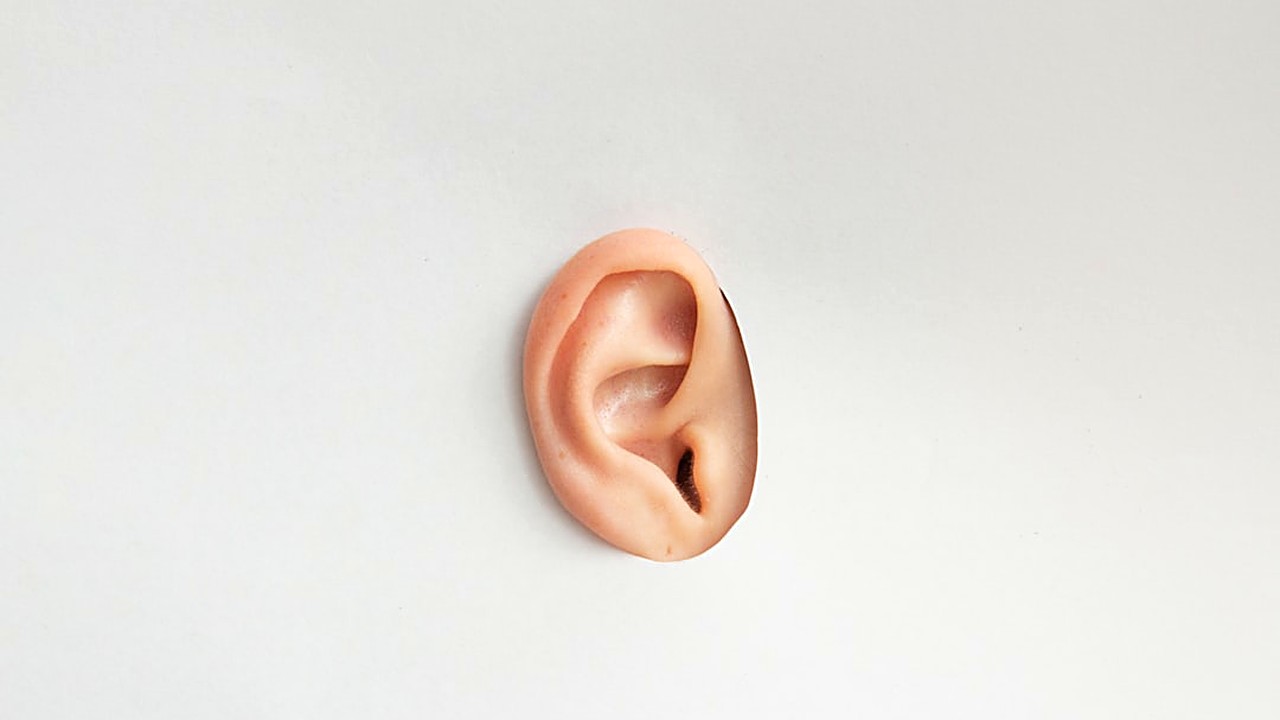 Why Does One Ear Ring While the Other Stays Silent? →
Tinnitus is the perception of sound—often a high‑pitched ringing, buzzing, or hissing—when no external source is present. It can appear after exposure to loud music, a cold, or simply with age‑related hearing changes. The brain keeps trying to make sense of the missing auditory input, and that effort can turn into a constant internal noise.
Research shows that stress and anxiety amplify the brain’s focus on the phantom sound. When the nervous system is on high alert, the auditory pathways become more sensitive, and the ringing can seem louder. In contrast, a relaxed brain often filters out background noise more efficiently. This link between stress and tinnitus is why many people notice that their ringing worsens during a busy work week or after a heated argument.
Understanding this cycle is the first step toward breaking it. If you can calm the nervous system, you may also calm the ringing.
Simple health wins in your inbox. No hype.
Mindfulness Meditation: A Simple, Non‑Drug Approach
Affiliate link. We may earn a commission on purchases, at no extra cost to you.
This content is informational and is not a substitute for medical advice. Supplements do not cure or treat diseases.
Mindfulness meditation is a practice that trains the mind to stay present, observing thoughts, feelings, and sensations without judgment. A typical session lasts from five to thirty minutes and involves focusing on the breath, a body scan, or a simple mantra.
The practice does not require special equipment or a quiet room—though a calm space can help. You can sit in a chair, lie down, or even stand while you bring gentle attention to the rise and fall of each breath.
Scientific work on mindfulness shows that regular practice can lower cortisol, the hormone linked to stress, and increase activity in brain regions that regulate attention and emotion. Those changes are measurable after just a few weeks of daily sessions.
How Mindfulness May Influence Tinnitus Perception
 Understanding Pulsatile Tinnitus and Simple Ways to Ease It →
 Safe Ways to Remove Earwax and Ease Tinnitus Symptoms →
 How to Use Sound Therapy to Calm Nighttime Ringing →
When you meditate, you are training the brain to notice sensations without reacting. Over time, this skill can change how the auditory system treats the phantom sound.
One study reported that participants who practiced mindfulness for eight weeks experienced an average 30% drop in loudness scores on a standard tinnitus questionnaire. The same group also showed reduced anxiety and better sleep quality. While the exact mechanism is still being explored, two ideas are common:
1. Reduced Stress Response – Lower cortisol and a calmer autonomic nervous system mean the brain is less likely to amplify the ringing.
2. Re‑wired Attention – Mindfulness teaches the brain to shift focus away from the tinnitus, so the sound becomes less dominant in conscious awareness.
It is important to note that results can vary. Some people notice a quick shift, while others need weeks of consistent practice before they feel any change.
A Simple Mindfulness Routine to Try at Home
Below is a beginner‑friendly routine that I have used in my own practice for several years. I start each morning with it, and I have found that the ringing feels less intrusive on busy days.
1. Find a Comfortable Seat – Sit on a chair with feet flat on the floor. Keep the back straight but relaxed.
2. Set a Timer for 10 Minutes – Knowing the end time lets you stay focused.
3. Focus on the Breath – Notice the air entering the nostrils, filling the lungs, and leaving again. If thoughts drift, gently label them “thinking” and bring attention back.
4. Body Scan (Optional) – After five minutes, shift attention slowly from the top of the head down to the toes, observing any sensations without trying to change them.
5. End with a Soft Sound – Play a low‑volume nature sound (like rain) for a minute, and notice how the ringing blends or fades.
Do this once or twice a day. Consistency matters more than length. Even a short five‑minute session can be helpful if you keep it regular.
Lifestyle Tips That Support Mindfulness and Tinnitus Relief
Meditation works best when other habits also reduce stress on the auditory system.
- Limit Loud Noise – Use ear protection at concerts or when using power tools.
- Stay Hydrated – Dehydration can make the inner ear more irritable.
- Exercise Lightly – Walking, yoga, or gentle stretching improves blood flow to the ears and lowers stress hormones.
- Limit Caffeine and Alcohol – Both can increase the perception of ringing for some people.
- Keep a Tinnitus Diary – Write down when the ringing feels louder and what you were doing. Over time you may spot patterns that you can adjust.
Combining these habits with a daily mindfulness practice creates a supportive environment for the brain to re‑balance its response to the phantom sound.
What to Expect and When to Seek Professional Help
Mindfulness is a safe, low‑cost tool that many people find helpful. However, it is not a cure, and it may not work for everyone. If you notice that the ringing suddenly gets much louder, is accompanied by dizziness, or if you feel increasing anxiety despite meditation, it is wise to consult an audiologist or a healthcare professional.
Remember that mindfulness is a skill. Progress can be slow, and patience is part of the process. Celebrate small wins—like a night of better sleep or a day when the ringing feels less intrusive.
Disclaimer: This article is for general information only and is not medical advice. If symptoms persist or worsen, talk to a healthcare professional.
Frequently asked questions
Can mindfulness completely stop tinnitus?
It may reduce how much you notice the sound, but most studies show it does not eliminate the ringing entirely.
How long should I practice each day to see benefits?
Many people report changes after 8‑10 minutes of daily practice for several weeks. Consistency is more important than session length.
Do I need a teacher or app to start?
A guided audio can help beginners, but simple breath awareness works well on its own. Choose a method that feels comfortable.
Is mindfulness safe for people with hearing loss?
Yes, the practice does not involve any sound that could damage the ear. It focuses on internal attention, not external noise.
What if I feel frustrated during meditation because of the ringing?
Acknowledge the frustration without judgment, then gently return to the breath. Over time, this non‑reactive stance can lessen the emotional impact of tinnitus.
*This article is for general information only and is not medical advice. If symptoms persist or worsen, talk to a healthcare professional.*
Simple health wins in your inbox. No hype.
Educational content, not medical advice. Talk to your doctor before making health decisions.