How to Use a White Noise Machine for Tinnitus Relief at Night
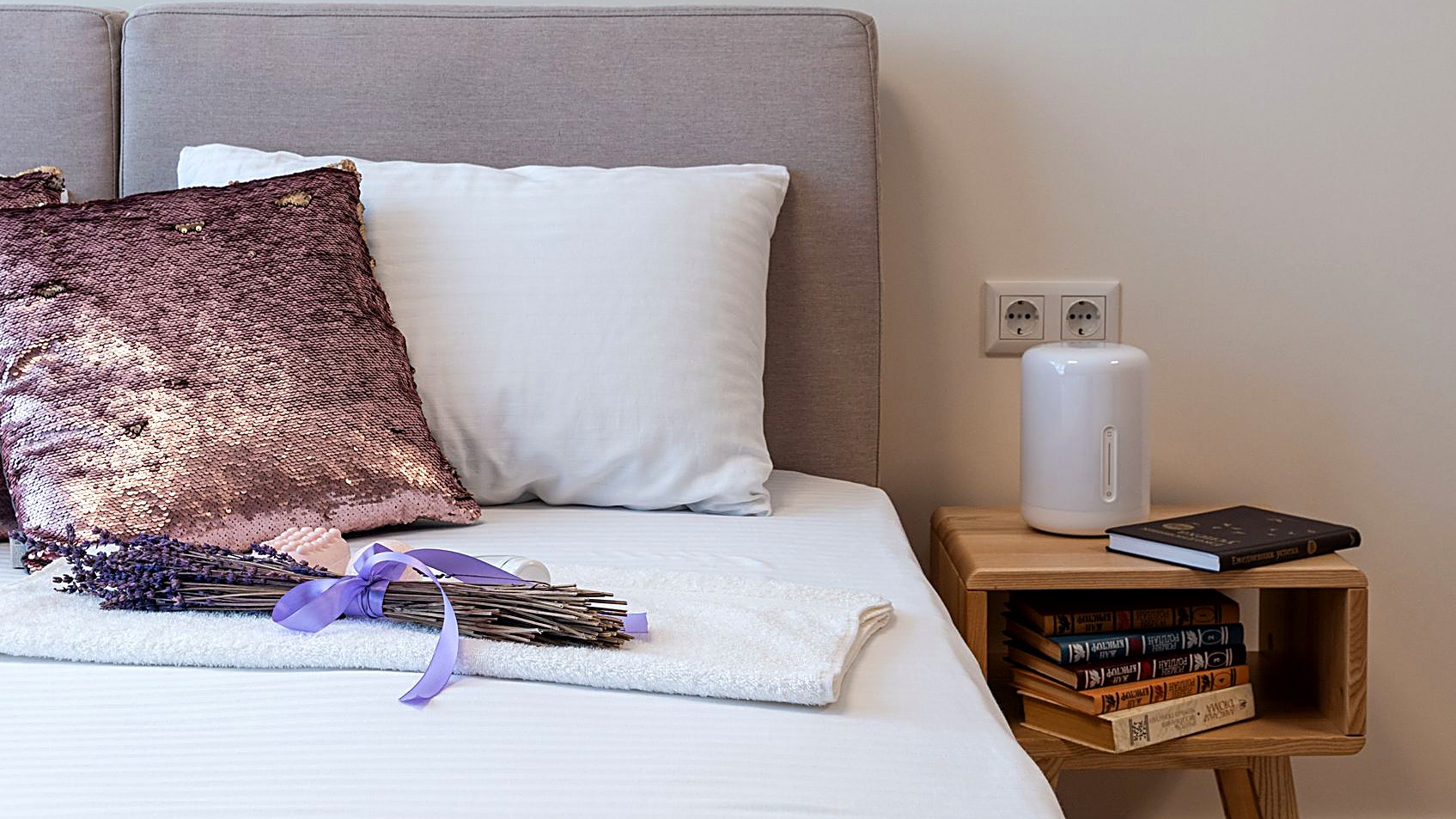
Quick answer: A white noise machine can mask the ringing in your ears by providing a steady, gentle sound. Choose a device with volume control, place it near your bed, and set it to a comfortable level. Use it nightly and adjust as needed for best comfort.↗ Share on X
Understanding Tinnitus at Night
 Nighttime Racing Mind: Why It Happens and How to Slow It Down →
 Safe Ways to Remove Earwax and Ease Tinnitus Symptoms →
 How to Use Sound Therapy to Calm Nighttime Ringing →
Tinnitus is the perception of sound when no external source exists. Many people hear a high‑pitched ringing, buzzing, or hissing. The condition often feels louder in quiet rooms, especially at bedtime. When the world is still, the brain may focus on the internal noise, making it harder to fall asleep.
Research shows that sound enrichment can help the brain ignore the phantom noise. By adding a neutral background sound, the brain has less chance to lock onto the tinnitus signal. This does not cure the ringing, but it can make the experience less intrusive during sleep.
I have tried several approaches for my own tinnitus, and the most consistent help came from a simple, steady sound that did not demand attention. The key is to find a sound that feels natural and does not compete with the ringing.
Simple health wins in your inbox. No hype.
What Is White Noise and How It Works
Affiliate link. We may earn a commission on purchases, at no extra cost to you.
This content is informational and is not a substitute for medical advice. Supplements do not cure or treat diseases.
White noise is a blend of many frequencies played together at the same intensity. Think of it as the sound of a distant waterfall or a gentle fan. Because it contains all audible frequencies, it can cover a wide range of tinnitus tones.
When you turn on a white noise machine, the device creates a constant sound that the ears hear. The brain then receives a steady stream of information, which can reduce the contrast between the tinnitus and the surrounding silence. This effect is known as sound masking.
Not all white noise sounds are the same. Some machines offer pink noise, brown noise, or nature sounds like rain. Pink noise has slightly more low‑frequency energy, which some people find softer. The choice depends on personal preference and how the sound feels against the ringing.
Choosing the Right White Noise Machine
 The Best Bedtime Snack to Lower Blood Sugar and Sleep Better →
 Can Earplugs Reduce Nighttime Ringing and Improve Sleep for People with Tinnitus? →
 Best Relaxation Techniques to Ease Tinnitus and Ear Ringing →
When selecting a device, look for these features:
- Volume control – You need to set the sound low enough to be soothing but loud enough to mask the tinnitus.
- Timer function – A timer can turn the machine off after you fall asleep, saving energy and reducing prolonged exposure.
- Portability – A small, battery‑operated unit can travel with you, ensuring consistent use.
- Sound options – Machines that offer multiple sound types let you experiment and find the most comfortable one.
Read user reviews and check the warranty. A reliable brand often provides a clear manual and responsive customer service.
In my own experience, a compact machine with a built‑in timer and three sound choices worked best. I could start with a louder setting and lower it after an hour without waking up.
Setting Up the Device for Sleep
1. Place the machine on a nightstand about 12‑18 inches from your head. This distance lets the sound fill the room without being too close to the ears.
2. Start with a low volume. Turn the knob until you can hear the sound but it does not distract you.
3. Select a sound you find calming. Many people prefer rain or ocean waves for bedtime.
4. Use the timer if the device has one. Set it for 60‑90 minutes; the sound will fade as you drift into deeper sleep.
5. Test the setup for a few nights. Adjust the volume or position if you notice the ringing becoming louder.
If you share a bed, discuss the sound level with your partner. Some couples find a low‑volume white noise pleasant, while others may need headphones or a separate device.
Tips for Long‑Term Use and Safety
- Keep the volume moderate. Very loud sound can damage hearing over time. Aim for a level that feels like a gentle hum.
- Clean the device regularly. Dust can affect speaker performance and may cause unpleasant noises.
- Rotate sounds. Changing between white, pink, or nature sounds can prevent your brain from adapting and losing the masking effect.
- Combine with other sleep habits. A regular bedtime, dim lighting, and a cool room support better rest.
- Listen to your body. If you notice increased irritation or new ear symptoms, pause use and talk to a professional.
I have kept my white noise machine on my nightstand for over a year. The routine of turning it on each evening has become a cue for my brain that it is time to relax.
This article is for general information only and is not medical advice. If symptoms persist or worsen, talk to a healthcare professional.
Frequently asked questions
Can a white noise machine cure tinnitus?
A white noise machine does not cure tinnitus. It can help mask the sound and make it less noticeable at night, which may improve sleep quality.
How loud should the white noise be for tinnitus relief?
The volume should be low enough to be soothing but loud enough to cover the ringing. A moderate setting, similar to a soft fan, is often recommended.
Is it safe to use a white noise machine every night?
Using a white noise machine nightly is generally safe if the volume stays moderate and the device is kept clean. If you notice any new ear discomfort, stop use and seek advice.
Should I use headphones instead of a speaker for white noise?
Headphones can work, but they may be uncomfortable while lying down. A small speaker placed near the bed is usually more comfortable for most people.
What type of sound is best for masking tinnitus?
White noise, pink noise, and gentle nature sounds like rain are common choices. The best sound is the one you find most relaxing and least distracting.
*This article is for general information only and is not medical advice. If symptoms persist or worsen, talk to a healthcare professional.*
Simple health wins in your inbox. No hype.
Educational content, not medical advice. Talk to your doctor before making health decisions.