Why Your Bedroom Temperature Affects Insomnia and How to Adjust It
Quick answer: A cooler bedroom helps the body lower its core temperature, a key step for falling asleep. Most people sleep best when the room is between 60‑68°F (15‑20°C). Small changes like using a fan, opening a window, or adjusting bedding can make a big difference.↗ Share on X
How Temperature Connects to Sleep
 Use 4-7-8 Breathing to Sleep Faster Tonight →
 Foods to Avoid at Night for Better Sleep and Less Insomnia →
 Unlock Better Sleep: Your Guide to Aromatherapy Oils →
When you lie down, your body starts to cool down. This drop signals the brain that it is time to rest. If the room stays warm, the body must work harder to lose heat, and the sleep signal weakens. Studies show that a warm environment can delay the start of deep sleep by up to an hour. In simple terms, a hot room keeps you alert; a cool room invites sleep.
The link is not just about comfort. Your core temperature follows a daily rhythm that peaks in the late afternoon and falls at night. A bedroom that stays too warm can flatten this rhythm, making it harder to feel sleepy. On the other hand, a room that is too cold can cause shivering, which also interrupts sleep. The sweet spot is where the room supports the natural temperature dip without causing discomfort.
Simple health wins in your inbox. No hype.
The Ideal Bedroom Temperature Range
Affiliate link. We may earn a commission on purchases, at no extra cost to you.
This content is informational and is not a substitute for medical advice. Supplements do not cure or treat diseases.
Most sleep experts suggest keeping the bedroom between 60 and 68°F (15‑20°C). Within this range, the body can lower its core temperature without triggering a cold‑shiver response. If you live in a hot climate, aim for the lower end of the range. If you tend to feel chilly, stay near the higher end.
Temperature preferences differ by age. People over 45 often feel colder at night because metabolism slows down. A slightly warmer room may feel more comfortable, but it should still stay below the 70°F mark to avoid disrupting the sleep cycle. A good rule of thumb: set the thermostat to the coolest temperature you can tolerate for at least two hours before bedtime.
Practical Ways to Adjust Your Bedroom Temperature
 Natural Foods That Help You Sleep Faster Tonight →
 How Anxiety Causes Insomnia and Natural Help →
 Simple Breathing Exercises to Help You Fall Asleep Quickly →
1. Use a fan or portable AC unit – A small fan can move air and create a gentle cooling effect. Place it near the head of the bed for best results.
2. Open a window – Even a crack can let warm air escape and bring in cooler night air. Be sure to secure screens if insects are a concern.
3. Switch bedding – Light cotton sheets breathe better than heavy flannel. In colder months, add a thin blanket instead of a thick comforter.
4. Control heat sources – Turn off lights, electronics, and chargers at least an hour before sleep. These devices emit small amounts of heat that add up.
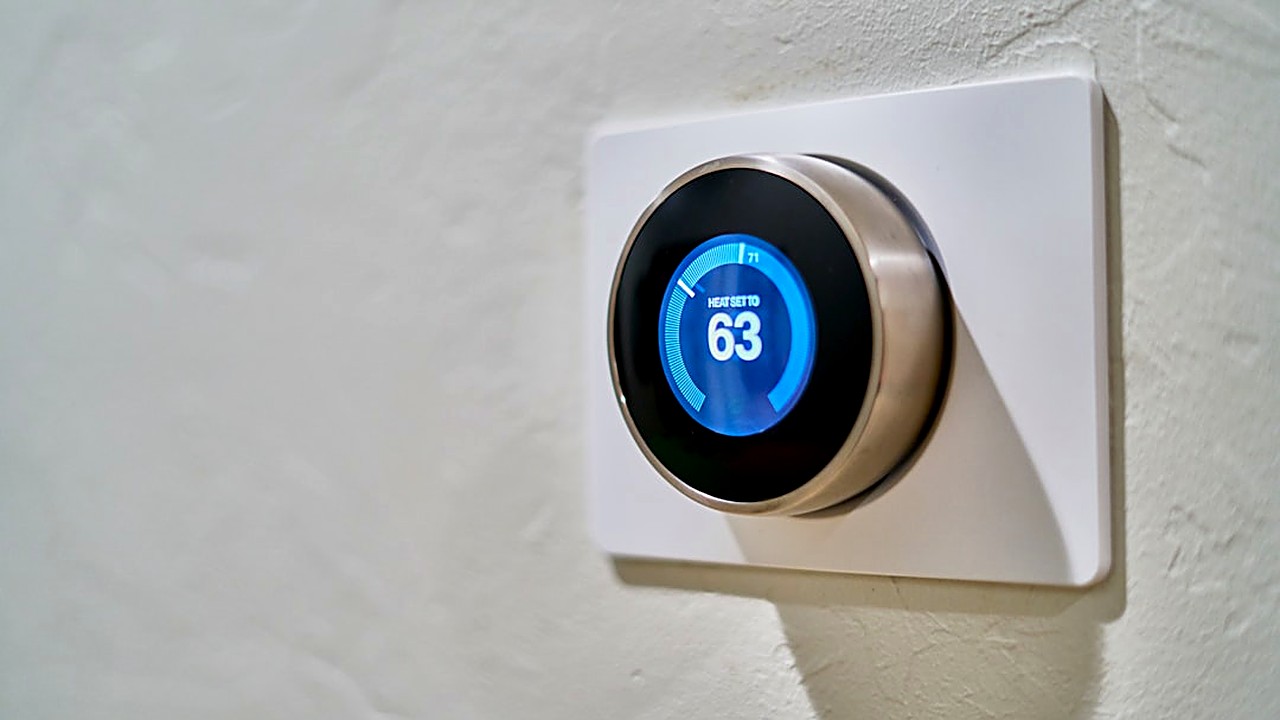
5. Adjust the thermostat – If you have a programmable thermostat, set it to start cooling an hour before you go to bed. This helps the room reach the target temperature without a sudden drop.
6. Use a dehumidifier – In humid climates, removing excess moisture makes the air feel cooler, even if the temperature stays the same.
Each of these steps can be combined. For example, a fan plus a slightly open window often creates a comfortable breeze without the need for expensive equipment.
Real‑World Experience from a Sleep Writer
I once struggled with nightly tossing and turning during a summer heat wave. My bedroom stayed at about 75°F (24°C) despite using a ceiling fan. I tried a simple change: I placed a small desk fan on the floor, pointing upward toward the ceiling. The rising warm air mixed with the cooler air near the floor, and the room settled around 68°F. Within a few nights, I fell asleep faster and woke up feeling more rested.
Another reader, a retired teacher, told me that switching from a heavy quilt to a breathable cotton blanket made a noticeable difference. She kept her room at 66°F (19°C) and reported fewer middle‑of‑night awakenings. Both stories show that small, affordable tweaks can help the body follow its natural cooling pattern.
Summary and Next Steps
Your bedroom temperature is a hidden lever that can either support or sabotage sleep. By aiming for a range of 60‑68°F (15‑20°C) and using simple tools like fans, windows, and lighter bedding, you give your body the chance to cool down naturally. Remember that each person’s comfort level varies, so experiment with small adjustments until you find what feels right.
If you notice persistent insomnia despite temperature changes, it may be time to explore other factors such as stress, caffeine, or underlying health conditions. A calm, cool room is a strong foundation, but it is only one piece of the sleep puzzle.
This article is for general information only and is not medical or dental advice. Talk to a healthcare or dental professional about your situation.
Frequently asked questions
What temperature is best for falling asleep?
Most people find a room between 60‑68°F (15‑20°C) helps the body cool down and start sleep faster.
Can a fan improve my sleep quality?
A fan can create a gentle breeze that lowers perceived temperature, which may help the body reach its natural cooling point.
Should I use heavier blankets in winter?
A lighter, breathable blanket is usually better. If you feel cold, add a thin layer rather than a thick, heat‑trapping quilt.
Will opening a window at night make my room too cold?
Opening a window a little can bring in cooler air without dropping the temperature too far, especially if you keep a light blanket nearby.
Is it safe to rely only on temperature changes for insomnia?
Temperature is an important factor, but other habits like limiting caffeine, reducing screen time, and managing stress also affect sleep.
*This article is for general information only and is not medical or dental advice. Talk to a healthcare or dental professional about your situation.*
Simple health wins in your inbox. No hype.
Educational content, not medical advice. Talk to your doctor before making health decisions.