Use 4-7-8 Breathing to Sleep Faster Tonight

Quick answer: The 4-7-8 breathing technique slows your heart rate and relaxes your nervous system. Breathe in for 4 seconds, hold for 7, exhale for 8. Repeat 3–4 times. This calms your mind and prepares your body for sleep naturally.↗ Share on X
Why Breathing Holds the Key to Falling Asleep
 Best Natural Teas to Help You Sleep Through the Night →
 Does eating a banana before bed improve sleep quality →
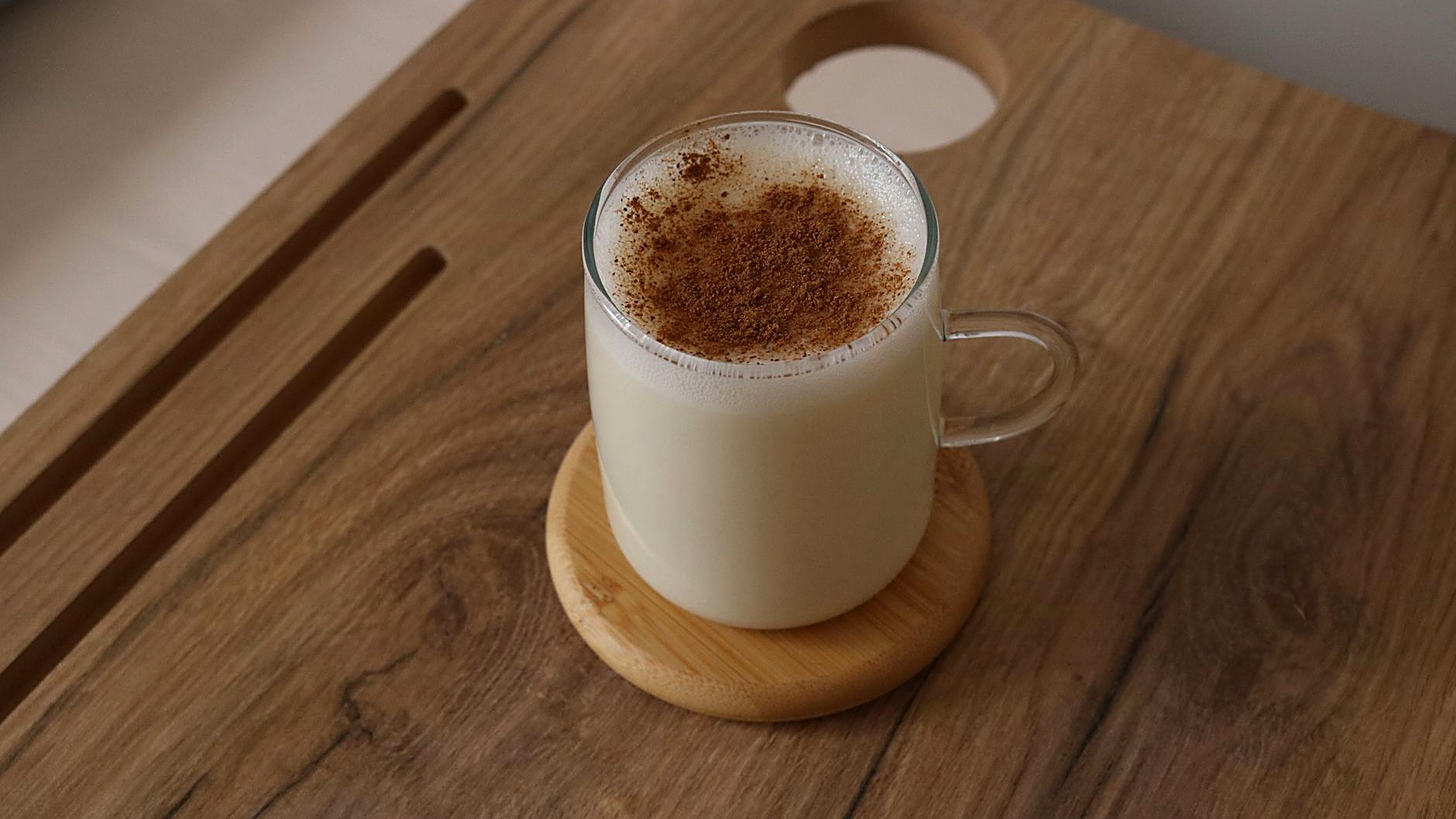 Best Natural Bedtime Drinks to Help You Fall Asleep Quickly →
Sleep does not always come when you want it. Many people lie awake, counting minutes, feeling frustrated. The 4-7-8 breathing method works because it changes how your body reacts to stress. When you are tense, your breathing becomes shallow and fast. This sends signals to your brain that danger is near. The 4-7-8 technique reverses this process.
Dr. Andrew Weil, a well-known health expert, popularized this method. He learned it from ancient yogic practices. The idea is simple: control your breath to control your mind. You do not need special tools or expensive classes. Just your lungs and a quiet space.
I first tried this technique after a long flight. Jet lag kept me awake until 3 AM. I followed the steps slowly. By the third cycle, my body felt heavier. My mind stopped racing. I fell asleep within minutes. It was not magic. It was science working with my body’s natural rhythm.
Simple health wins in your inbox. No hype.
How the 4-7-8 Method Works Inside Your Body
Affiliate link. We may earn a commission on purchases, at no extra cost to you.
This content is informational and is not a substitute for medical advice. Supplements do not cure or treat diseases.
Your autonomic nervous system controls automatic functions like breathing and heartbeat. It has two main parts: the sympathetic (fight-or-flight) and parasympathetic (rest-and-digest). When you feel stressed, the sympathetic system takes over. Your heart beats faster. Your muscles tighten. Sleep becomes impossible.
The 4-7-8 method activates the parasympathetic system. The long exhale tells your body to slow down. Studies show that slow breathing lowers blood pressure and reduces cortisol, the stress hormone. One study found that six weeks of slow breathing practice improved sleep quality in adults over 45.
The key is the ratio. Four seconds to inhale fills your lungs just enough. Seven seconds to hold keeps oxygen flowing gently. Eight seconds to exhale releases tension completely. This rhythm is not random. It mimics the natural breathing pattern of deep sleep.
Step-by-Step Guide to the 4-7-8 Breathing Method
 Simple Breathing Exercises to Sleep Through the Night →
 How to Sleep Later Tonight Without Pills or Tricks →
 Natural Foods That Can Help You Fall Asleep Without Caffeine →
1. Find a comfortable position. Lie on your back or sit with your back straight. Place the tip of your tongue behind your upper front teeth. Keep it there throughout the exercise. This small detail helps control airflow.
2. Empty your lungs completely. Breathe out through your mouth with a gentle whoosh sound. This clears stale air and makes room for fresh oxygen.
3. Breathe in quietly through your nose for 4 seconds. Feel your belly rise as your lungs fill. Imagine drawing calm energy into your body.
4. Hold your breath for 7 seconds. Do not force it. Let the pause feel natural. If 7 seconds feels too long at first, start with 4 seconds and build up.
5. Exhale slowly through your mouth for 8 seconds. Make the exhale longer than the inhale. This is where the magic happens. The slow release tells your brain to relax.
6. Repeat the cycle 3 to 4 times. After the first round, you may feel lighter. After the second, your muscles may start to unwind. By the fourth cycle, sleep often follows naturally.
If you wake up in the middle of the night, repeat the steps. Do not check the clock. Focus only on your breath. This trains your brain to return to sleep when it wakes.
Common Mistakes That Slow Down Your Progress
Many people try the 4-7-8 method but give up too soon. The most frequent mistake? Holding the breath too tightly. The goal is not to force the lungs. It is to guide the breath with gentle control. If you feel dizzy, stop and breathe normally. Dizziness means you are holding too long or breathing too deeply.
Another mistake is skipping the exhale. Some people rush through the 8-second exhale or breathe out too quickly. The long exhale is what signals safety to your nervous system. Make it smooth and steady.
Timing can also trip people up. Do not rush the count. Use the second hand on a watch or count slowly in your head. Saying "one thousand one, one thousand two" helps keep the rhythm steady.
I once tried this method after a stressful day at work. I counted too fast, thinking about tomorrow’s tasks. My mind stayed alert. Only when I slowed down and focused only on the breath did the relaxation kick in. Patience is part of the process.
How to Make the 4-7-8 Method Part of Your Evening Routine
Consistency matters more than perfection. Use the technique every night for at least two weeks. Over time, your body learns to recognize the pattern as a sleep signal. Pair it with other calming habits to strengthen the effect.
Start your routine 30 minutes before bed. Dim the lights. Put away screens. Write down worries in a journal. Then, practice the 4-7-8 breathing. The journal clears your mind. The breathing calms your body. Together, they create a strong foundation for sleep.
Try using a sleep meditation app that guides you through the steps. Some apps offer soothing voices and soft music. This can help if you struggle to focus alone. Choose one with a timer so you do not have to watch the clock.
Another helpful trick is to place a hand on your belly. Feel it rise and fall with each breath. This physical feedback keeps you anchored in the present moment. It prevents your mind from wandering to tomorrow’s to-do list.
What to Expect in the First Few Nights
The first night, you may feel skeptical. The mind often resists new routines. You might complete two cycles and think, "This isn’t working." Give it at least a week. The body needs time to adjust.
Some nights, you will fall asleep faster than usual. Other nights, you may still feel awake after four cycles. That is normal. The technique does not guarantee instant sleep every time. It trains your body to relax more deeply over time.
After a week, you may notice small changes. You wake up less during the night. You feel more refreshed in the morning. These are signs that the method is helping your nervous system shift into rest mode.
I remember the first time I used this method regularly. I still woke up once or twice, but I fell back asleep faster. My sleep felt deeper, even if I did not realize it at the time. Small improvements add up.
Who Should Be Careful with the 4-7-8 Method
This technique is safe for most adults. Still, some people should use it with caution. If you have respiratory conditions like asthma or COPD, check with your doctor first. Breathing exercises can sometimes trigger shortness of breath.
People with low blood pressure or a history of fainting should also be careful. The long exhale can lower blood pressure further. If you feel lightheaded, stop and breathe normally.
Pregnant women can try the method, but they should avoid holding their breath for long periods. Start with shorter holds and see how your body responds.
If you have panic attacks or severe anxiety, practice during the day first. Get comfortable with the rhythm before using it at night. You can sit in a chair and do three cycles in the morning. This builds confidence.
Combining 4-7-8 Breathing with Other Sleep Habits
Breathing alone may not solve all sleep problems. Pair it with other habits for better results.
- Limit caffeine after noon. Caffeine stays in your system for hours. It blocks the chemicals your brain needs to wind down.
- Keep your bedroom cool and dark. Your body sleeps best in a space that mimics nighttime naturally.
- Go to bed and wake up at the same time daily. Even on weekends, try to stay within one hour of your usual schedule.
- Avoid heavy meals two hours before bed. Digestion can keep you awake. Choose a light snack if you are hungry.
- Try gentle stretching or yoga before bed. Stretching releases muscle tension that can interfere with sleep.
One woman I know combined the 4-7-8 method with a warm shower before bed. The shower relaxed her muscles. The breathing calmed her mind. Together, they created a powerful sleep routine. She said she slept through the night for the first time in years.
What Research Says About Breathing and Sleep
Scientists have studied slow breathing and sleep for decades. A 2019 review found that breathing exercises reduced insomnia symptoms in older adults. Participants who practiced slow breathing fell asleep faster and stayed asleep longer.
Another study looked at heart rate variability (HRV). HRV measures how well your body handles stress. People who practiced the 4-7-8 method showed improved HRV after just four weeks. This suggests their bodies were better at shifting into rest mode.
Research also shows that breathing exercises lower anxiety. Anxiety often keeps people awake at night. By reducing anxiety, the 4-7-8 method indirectly improves sleep quality.
These studies do not prove the method works for everyone. But they show that breathing can be a powerful tool. It is free, safe, and easy to try.
Real-Life Stories: How People Changed Their Sleep
Maria, 58, used to wake up at 3 AM every night. She tried pills, but they left her groggy. She started the 4-7-8 method after reading about it online. At first, she only did two cycles. Gradually, she increased to four. Now, she falls asleep within 20 minutes and rarely wakes up.
Tom, 62, struggled with stress-related insomnia. His mind raced with work problems. He combined breathing with a gratitude journal. Each night, he wrote three things he was grateful for. Then, he did the breathing. He said the journal cleared his mind. The breathing relaxed his body. Together, they worked better than either alone.
Sarah, 47, tried the method after a family crisis. She felt exhausted but could not sleep. The breathing gave her something to focus on besides worry. She said it felt like a small anchor in a storm. Slowly, her sleep improved.
These stories show that the method helps in different ways. Some people use it for physical relaxation. Others use it to quiet a busy mind. The key is to try it consistently and see what works for you.
Troubleshooting When Sleep Still Feels Out of Reach
Even with the 4-7-8 method, some nights are tough. If you lie awake for more than 20 minutes, get up. Do something boring in dim light. Read a book or listen to soft music. Avoid screens. When you feel sleepy again, return to bed and try the breathing.
If your mind races, try the "5-4-3-2-1" grounding technique. Name five things you see, four you feel, three you hear, two you smell, and one you taste. This shifts focus away from worries.
Some people find that background noise helps. A fan, white noise machine, or rain sounds can mask distractions. Others prefer silence. Experiment to find what soothes you.
Remember, progress is not linear. Some nights will be better than others. The goal is not perfection. It is to give your body the tools to relax when it can.
Final Thoughts: Give Your Body Time to Learn
The 4-7-8 breathing method is not a quick fix. It is a practice. Like learning to play an instrument, it takes patience. The first few nights may feel awkward. Your body needs time to remember how to relax deeply.
Start small. Use the method only when you need it. Over time, it becomes easier. Your nervous system learns the pattern. Sleep becomes more natural.
I still use this technique today. Not every night, but when stress or excitement keeps me awake. It reminds me that I have control over my body’s response. I do not have to be a victim of sleepless nights.
Try it tonight. Lie down. Close your eyes. Follow the steps. Let your breath be your guide. You may be surprised how quickly sleep finds you.
Frequently asked questions
How long does it take to see results with the 4-7-8 breathing method?
Results vary. Some people feel calmer after the first night. Others notice changes after a week of regular practice. Consistency matters more than speed. If you do not see results after two weeks, try combining it with other sleep habits like limiting caffeine or keeping a bedtime routine.
Can I use the 4-7-8 method during the day for stress relief?
Yes. The method works well for daytime stress too. Practice it when you feel anxious, before a meeting, or after a long day. It can help reset your nervous system quickly. Just find a quiet spot and follow the steps.
What if I feel dizzy or lightheaded while doing the breathing?
Stop and breathe normally. Dizziness can happen if you hold your breath too long or breathe too deeply. Next time, shorten the hold or exhale more gently. If dizziness continues, talk to a healthcare professional.
Is the 4-7-8 method safe for people with heart conditions?
Most people with heart conditions can try it safely. However, if you have a serious heart problem, check with your doctor first. The long exhale can affect blood pressure and heart rate. A medical professional can guide you on the best approach for your situation.
Can I combine the 4-7-8 method with sleep medications?
You can try, but be cautious. Breathing exercises and medications work differently. If you take sleep aids, do not stop them suddenly. Talk to your doctor about how to integrate breathing into your routine safely.
*This article is for general information only and is not medical or dental advice. Talk to a healthcare or dental professional about your situation.*
Simple health wins in your inbox. No hype.
Educational content, not medical advice. Talk to your doctor before making health decisions.