Best Natural Teas to Help You Sleep Through the Night
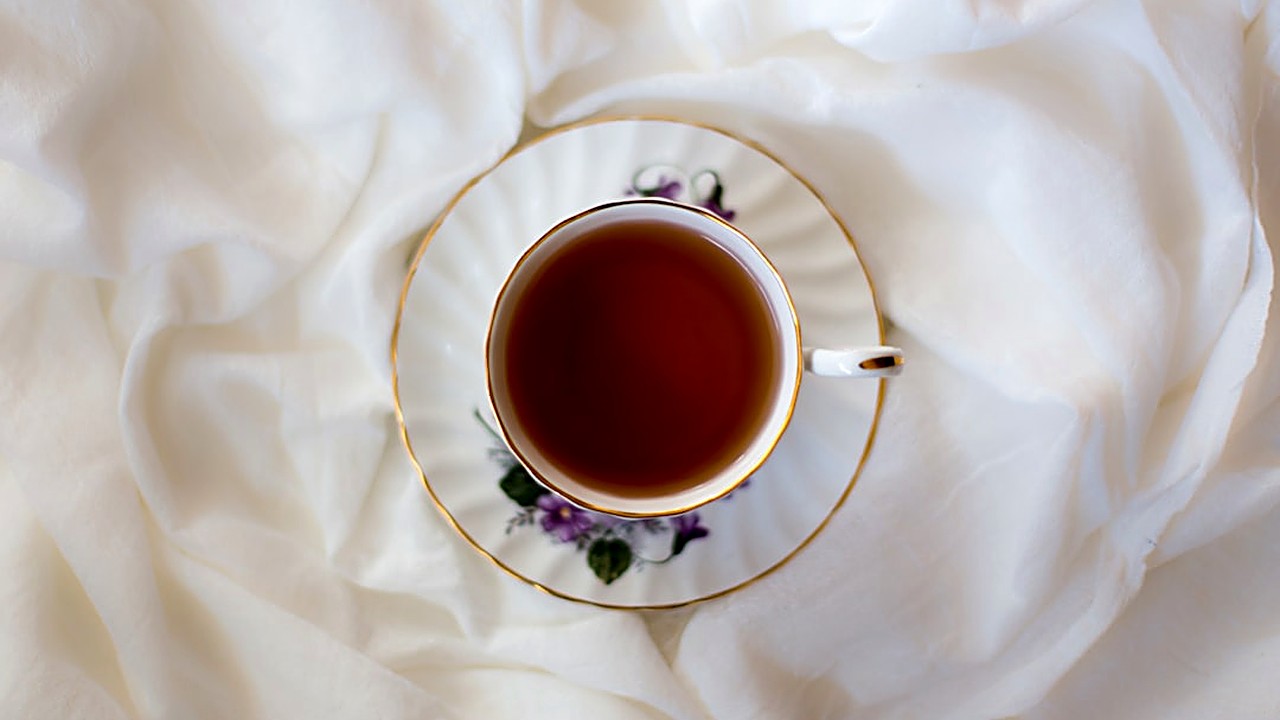
Quick answer: Chamomile, valerian root, and lavender teas are top choices to help you sleep. They relax the mind and body naturally. Try one cup 30-60 minutes before bed. Results vary—some people feel calmer right away, others need a few nights to notice changes.↗ Share on X
Why Tea Can Help You Sleep Better
 Does eating a banana before bed improve sleep quality →
 Best Natural Bedtime Drinks to Help You Fall Asleep Quickly →
 Simple Breathing Exercises to Sleep Through the Night →
Sleep problems often start in the mind. Stress, daily worries, or an overactive brain can keep you awake. Tea made from certain herbs may ease this tension. These plants contain natural compounds that calm nerves and prepare the body for rest.
I remember a friend who struggled with late-night thoughts. She tried chamomile tea for a week. After a few nights, she said her mind felt quieter. She still woke up once, but the tea helped her fall back asleep faster. This shows teas can be a gentle first step, not a magic fix.
Teas work best when paired with good sleep habits. Keep your bedroom dark and cool. Avoid screens one hour before bed. These small changes make tea more effective.
Simple health wins in your inbox. No hype.
Top 5 Teas That May Improve Your Sleep
Affiliate link. We may earn a commission on purchases, at no extra cost to you.
This content is informational and is not a substitute for medical advice. Supplements do not cure or treat diseases.
1\. Chamomile Tea: The Gentle Calmer
Chamomile is one of the most studied sleep teas. Its flowers contain apigenin, a compound that binds to brain receptors. This may reduce anxiety and encourage drowsiness. Studies suggest chamomile can improve sleep quality, especially in people with mild insomnia.
A small cup (about 200 ml) 30 minutes before bed is a good start. Some people add a teaspoon of honey to make it sweeter. Others mix it with a pinch of cinnamon for warmth. Avoid adding sugar, as it can disrupt blood sugar overnight.
I once visited a small tea shop in the countryside. The owner brewed chamomile with orange peel. She said the citrus scent helped her relax. Many customers told her it worked better than plain chamomile. Trying different blends can make drinking tea a pleasant ritual.
2\. Valerian Root Tea: The Deep Relaxer
Valerian root has a strong earthy smell. Many people dislike it at first, but it’s powerful for sleep. Research shows valerian may increase GABA levels in the brain. GABA is a chemical that slows down nerve activity, helping you feel calm.
Some studies found valerian tea improved sleep quality by about 30% in people with insomnia. Others saw no effect. This means it works for some, but not everyone. Start with half a cup (100 ml) to test your tolerance. Drink it 45-60 minutes before bed.
A friend once drank valerian tea every night for two weeks. She said her sleep felt deeper, but she had strange dreams. This is normal. Valerian can change dream patterns. If dreams feel too vivid, try drinking it only three nights a week.
3\. Lavender Tea: The Scented Soother
Lavender is famous for its relaxing smell. Brewing lavender tea releases this scent, which may lower heart rate and blood pressure. A small study found lavender tea helped people fall asleep faster and feel more rested in the morning.
To make lavender tea, use dried flowers. Steep one teaspoon in hot water for 5-7 minutes. Strain well to avoid bitterness. Some people mix it with chamomile for a double effect.
I once stayed in a guesthouse where lavender grew in the garden. The host served lavender tea at bedtime. Guests often said they slept like logs. The smell alone may have played a big role.
4\. Passionflower Tea: The Quiet Mind Tea
Passionflower is a climbing plant with beautiful flowers. Its tea is used to calm racing thoughts. Some research suggests it may work as well as mild sleep medications for certain people.
Passionflower contains harmala alkaloids. These compounds may increase serotonin and melatonin, hormones that regulate sleep. A cup of passionflower tea before bed could help if your mind won’t stop thinking.
One evening, I tried passionflower tea after a stressful day. My thoughts slowed down within 20 minutes. I felt drowsy but not groggy. This tea seems to quiet the mind without heavy sedation.
5\. Magnolia Bark Tea: The Ancient Remedy
Magnolia bark has been used in traditional medicine for centuries. It contains honokiol and magnolol, compounds that may reduce stress and improve sleep. Some studies show it helps people fall asleep faster and wake up less during the night.
Magnolia tea has a slightly bitter taste. Many people mix it with a bit of honey or lemon to balance the flavor. Drink it 30-45 minutes before bed for the best effect.
A colleague in Japan told me about magnolia bark tea. He said it was common in his family for generations. He drinks it when work stress keeps him awake. He finds it helps him wake up refreshed.
How to Brew Tea for the Best Sleep Results
 How to Sleep Later Tonight Without Pills or Tricks →
 Natural Foods That Can Help You Fall Asleep Without Caffeine →
 Cut Caffeine at Night to Sleep Through the Whole Night →
Brewing tea correctly makes a big difference. Water temperature and steeping time affect the taste and benefits. Here’s how to do it right:
- Chamomile: Use boiling water. Steep for 5-7 minutes. Strain well to avoid bitterness.
- Valerian root: Use boiling water. Steep for 10-15 minutes. The longer it steeps, the stronger it gets.
- Lavender: Use hot, not boiling, water. Steep for 5 minutes. Too long makes it bitter.
- Passionflower: Use boiling water. Steep for 7-10 minutes. The flavor deepens with time.
- Magnolia bark: Use boiling water. Steep for 10 minutes. Strain well to remove small particles.
Avoid adding milk or cream. Dairy can interfere with the herbs’ effects. Instead, try a slice of lemon or a teaspoon of honey for flavor.
Safety Tips: What to Watch For
Teas are natural, but they’re not risk-free. Some herbs can interact with medications or cause side effects. Always check with a doctor before trying new teas, especially if you:
- Take blood pressure or anxiety medications
- Are pregnant or breastfeeding
- Have liver or kidney issues
Valerian root, for example, can make some people feel dizzy the next day. Magnolia bark may lower blood pressure. If you feel unusually tired or lightheaded, stop drinking the tea and talk to a professional.
Start with one tea at a time. This way, you can see how your body reacts. If you feel fine, try another tea the next week. Keep a sleep diary to track changes in your rest.
Other Natural Sleep Helpers to Pair with Tea
Tea works best when combined with good sleep habits. Small changes can make a big difference:
- Keep a regular sleep schedule: Go to bed and wake up at the same time every day. Even on weekends.
- Limit caffeine after noon: Coffee, black tea, and soda can stay in your system for hours.
- Dim the lights one hour before bed: Bright lights tell your brain it’s time to stay awake.
- Try deep breathing: Inhale for 4 seconds, hold for 4, exhale for 6. Repeat for 5 minutes.
- Keep your bedroom cool: Around 18°C (65°F) is ideal for most people.
I once helped a neighbor who woke up every night at 3 AM. She started drinking chamomile tea and kept her bedroom cool. Within two weeks, she slept through the night most of the time. She said the tea relaxed her, and the cool room made waking up less tempting.
What to Avoid When Using Sleep Teas
Not all teas are safe for sleep. Some can make insomnia worse or cause side effects:
- Green tea late at night: It contains caffeine, which can keep you awake.
- Black tea in the evening: Also high in caffeine.
- Very hot tea before bed: Can raise body temperature and disrupt sleep.
- Teas with added sugar: Sugar can cause energy crashes overnight.
- Alcohol-based sleep tonics: They may help you fall asleep but reduce sleep quality.
Stick to herbal teas made from sleep-friendly plants. Read labels carefully. Avoid teas with artificial flavors or high amounts of sugar.
Real Stories: How People Found Relief
People often share their experiences with sleep teas. Here are a few examples:
- Mark, 52: Tried valerian tea for a month. Said his sleep felt deeper, but he had vivid dreams. He now drinks it only three nights a week.
- Lisa, 60: Mixed chamomile and lavender tea every night. She said her mind felt quieter, and she woke up less often.
- David, 47: Used passionflower tea after a stressful period at work. He said it helped him fall asleep faster and feel more rested.
- Sara, 55: Tried magnolia bark tea on a friend’s recommendation. She said it took two weeks to notice a difference, but now she sleeps through the night most of the time.
These stories show that teas can help, but results vary. Some people feel changes right away. Others need patience and consistency.
Final Tips for Better Sleep with Tea
If you want to try sleep teas, here’s a simple plan to start:
1. Pick one tea from the list above. Start with chamomile or lavender—they’re gentle.
2. Brew it 30-60 minutes before bed. Drink it slowly, without distractions.
3. Pair it with a calming routine: dim lights, soft music, or deep breathing.
4. Keep a sleep diary for two weeks. Note how you feel when you wake up.
5. If the tea helps, keep using it. If not, try another one next week.
Remember, tea is just one tool. Good sleep comes from habits, not just remedies. Be patient with yourself. Changes take time.
When to See a Professional
Teas can be helpful, but they’re not a cure-all. Talk to a healthcare provider if you:
- Still struggle with sleep after trying teas for a month
- Feel exhausted during the day
- Wake up gasping for air (this could be sleep apnea)
- Have pain that keeps you awake
- Feel depressed or anxious most of the time
These signs may point to deeper issues. A professional can help you find the right solution.
This article is for general information only and is not medical or dental advice. Talk to a healthcare or dental professional about your situation.
Frequently asked questions
How long does it take for sleep teas to work?
Some people feel calmer the first night. Others need a week or two to notice changes. Start with one tea for at least 10 nights before deciding if it helps.
Can I mix different sleep teas together?
Yes, but start with small amounts. Mixing chamomile and lavender is common. Avoid mixing valerian with other strong teas, as it can make the taste too bitter.
Is it safe to drink sleep tea every night?
For most people, yes. But some teas, like valerian, may cause side effects if used daily for a long time. Take breaks after a few weeks to see how your body reacts.
What if I don’t like the taste of herbal teas?
Try adding honey, lemon, or a cinnamon stick. Some people prefer tea blends with fruit flavors. Others drink it as a warm ritual, even if the taste isn’t perfect.
Can children or pregnant women drink these teas?
Not without checking with a doctor first. Some herbs may not be safe during pregnancy or for young children. Always ask a healthcare provider before giving herbal teas to kids or pregnant people.
*This article is for general information only and is not medical or dental advice. Talk to a healthcare or dental professional about your situation.*
Simple health wins in your inbox. No hype.
Educational content, not medical advice. Talk to your doctor before making health decisions.