Natural Foods That Help You Sleep Faster Tonight
Quick answer: Foods rich in magnesium, melatonin, and tryptophan can help your body relax. Warm milk, bananas, almonds, and chamomile tea are simple options. Always check with a doctor before trying new foods for sleep.↗ Share on X
Why Food Matters for Sleep
 Natural Foods That Can Help You Fall Asleep Without Caffeine →
 Cut Caffeine at Night to Sleep Through the Whole Night →
 Use 5-5-5 Breathing to Fall Asleep Fast Tonight →
Sleep problems often start with daily habits. Stress, screen time, and poor diet can make it hard to relax at night. Your body needs the right nutrients to produce sleep-friendly chemicals like melatonin and serotonin.
Small food changes may help. For example, I once struggled with waking up at 3 a.m. every night. Drinking warm almond milk before bed became part of my routine. It didn’t solve everything, but it made falling back asleep easier.
Foods alone won’t cure insomnia. They work best when combined with a calm evening routine. Think of them as gentle helpers, not magic fixes.
Simple health wins in your inbox. No hype.
Magnesium-Rich Foods: The Relaxation Mineral
Affiliate link. We may earn a commission on purchases, at no extra cost to you.
This content is informational and is not a substitute for medical advice. Supplements do not cure or treat diseases.
Magnesium helps calm nerves and muscles. Low levels can cause restlessness. Foods like pumpkin seeds, spinach, and black beans are excellent sources.
A small handful of pumpkin seeds (about 30 grams) gives you 150 mg of magnesium. That’s nearly 40% of your daily need. Try sprinkling them on salad or eating them raw before bed.
Spinach works too. One cup of cooked spinach has 157 mg of magnesium. Pair it with a light dinner to avoid digestion issues. Avoid heavy meals close to bedtime.
Tryptophan: The Sleepy Amino Acid
 How Light Therapy Can Quickly Reset Your Sleep Clock →
 Best bedtime routine for shift workers to sleep fast →
 How to Use a Sleep Mask to Improve Your Sleep Quality →
Tryptophan is an amino acid that helps make serotonin and melatonin. Turkey and chicken are famous for it, but they’re not the only options. Cheese, eggs, and tofu also contain good amounts.
A warm bowl of miso soup with tofu can be soothing. Or try scrambled eggs with whole-grain toast. These meals are light and easy to digest.
Dairy products like milk and cheese contain tryptophan too. A glass of warm milk before bed is a classic remedy many people find helpful. It’s not for everyone, but it’s worth trying if you like milk.
Melatonin in Food: Nature’s Sleep Signal
Melatonin is the hormone that tells your body it’s time to sleep. Some foods naturally contain small amounts. Tart cherry juice is one of the best sources.
Studies show that drinking tart cherry juice twice a day can increase melatonin levels. One small glass (about 240 ml) in the evening may help you fall asleep faster. Walnuts and bananas also contain melatonin, though in smaller doses.
Bananas are easy to add to your routine. Eat one as a late-night snack. The magnesium and potassium in bananas also help relax muscles.
Warm Drinks: A Cozy Sleep Signal
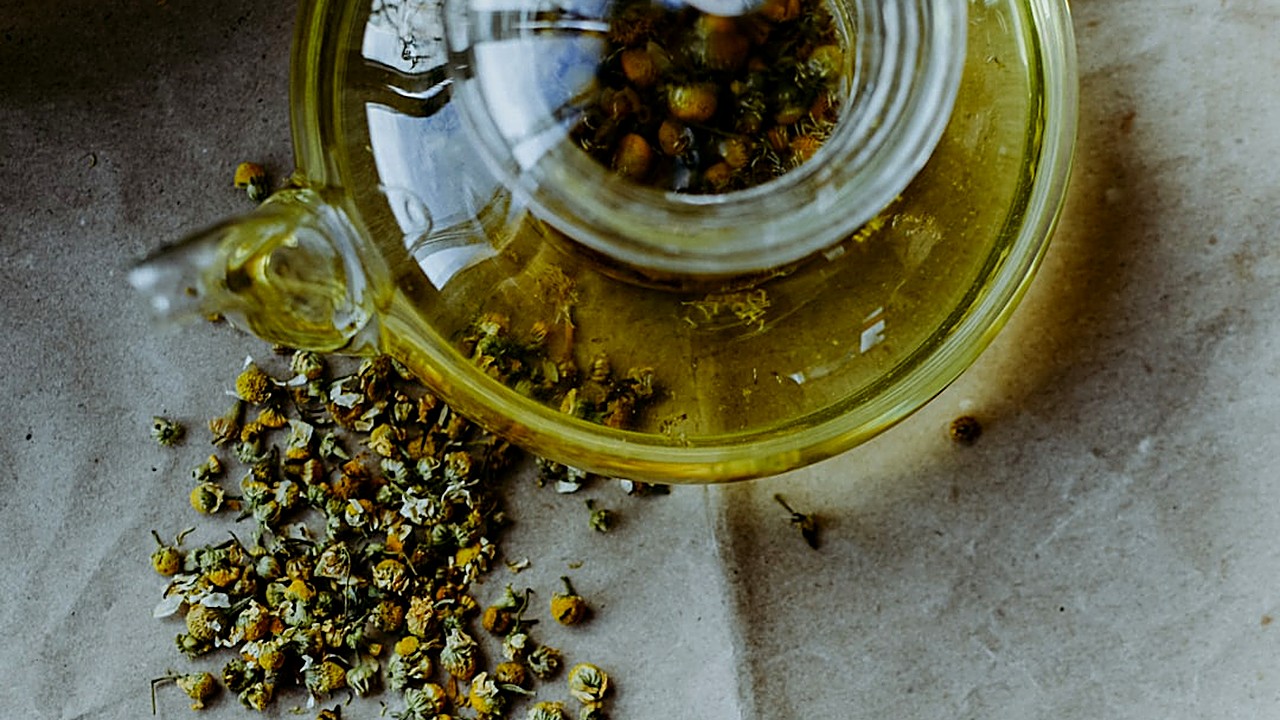
Hot drinks signal your brain that it’s time to wind down. Chamomile tea is well-known for its calming effects. It contains apigenin, an antioxidant that may promote sleep.
Drink a cup about 30 minutes before bed. Avoid caffeine in the evening, even in tea. Herbal teas like valerian root or passionflower can also help.
Warm milk is another option. It contains tryptophan and calcium, which may improve sleep quality. If you don’t like milk, try almond or oat milk for a similar effect.
Healthy Fats for Steady Energy
Healthy fats help your body absorb sleep-supporting nutrients. Avocados, nuts, and seeds are great choices. A small portion of almonds or walnuts before bed can be satisfying.
Almonds are rich in magnesium and healthy fats. A handful (about 28 grams) gives you 77 mg of magnesium. They also contain melatonin. Walnuts have even more melatonin than most foods.
Avoid greasy or fried foods at night. They can cause discomfort and disrupt sleep. Stick to small, nutrient-dense snacks instead.
Complex Carbs: The Calming Effect
Whole grains like oats and quinoa contain magnesium and fiber. They help stabilize blood sugar, preventing nighttime wake-ups.
Oatmeal is a warm, comforting option. Add a little honey and cinnamon for extra flavor. Avoid sugary cereals or white bread, which can cause energy spikes and crashes.
Quinoa is another great choice. Cook a small portion and top it with almonds and a drizzle of honey. It’s light but filling enough to prevent hunger.
Herbs and Spices: Tiny Helpers with Big Effects
Some herbs and spices can relax your body naturally. Cinnamon, nutmeg, and saffron may improve sleep quality. They’re easy to add to drinks or meals.
A pinch of nutmeg in warm milk or tea can be soothing. Saffron, though expensive, has been studied for its sleep benefits. A small amount in tea might help you relax.
Ginger tea can also ease digestion and calm the stomach. Avoid spicy foods if they upset your stomach at night.
Foods to Avoid Before Bed
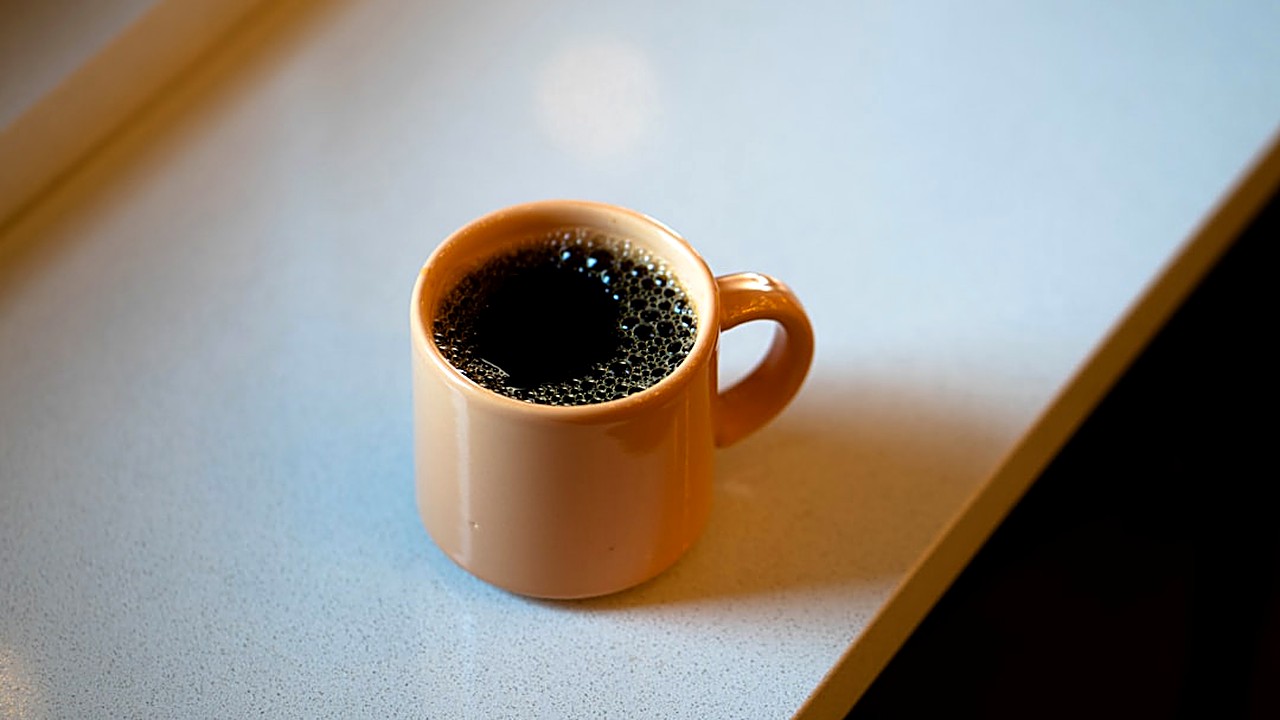
Some foods can keep you awake. Caffeine in coffee, tea, and chocolate can delay sleep for hours. Avoid them after 2 p.m. if you’re sensitive.
Spicy foods may cause heartburn or discomfort. Heavy, greasy meals take time to digest, making it hard to sleep. Alcohol might help you fall asleep faster but often leads to wakefulness later.
Sugary snacks can cause energy crashes at night. Even natural sugars like honey or fruit can be problematic if eaten in large amounts. Keep portions small and balanced.
Simple Bedtime Snack Ideas
Try these easy, sleep-friendly snacks 30 to 60 minutes before bed:
- A small banana with a tablespoon of almond butter
- A cup of warm chamomile tea with a teaspoon of honey
- A handful of walnuts and a few dried tart cherries
- A bowl of oatmeal with cinnamon and sliced almonds
- A glass of warm milk with a pinch of nutmeg
Keep portions small to avoid digestion issues. A full stomach can keep you awake.
How to Test What Works for You
Not every food helps everyone. Keep a sleep diary for a week. Note what you ate before bed and how well you slept.
Start with one or two foods at a time. For example, try tart cherry juice for three nights. If it doesn’t help, switch to chamomile tea. Small changes make it easier to find what works for you.
Talk to your doctor if sleep problems last more than two weeks. They can check for underlying issues like stress or medical conditions.
Real-Life Example: My Routine Change
A few years ago, I often woke up at 2 a.m. feeling wide awake. I added a small bowl of oatmeal with almonds to my evening routine. It wasn’t a cure, but it helped me fall back asleep faster. I also stopped drinking coffee after 1 p.m.
Small changes made a difference over time. Your body may respond differently, so experiment gently.
When to See a Professional
Foods can support sleep, but they’re not a solution for everyone. If you snore loudly, gasp for air at night, or feel exhausted during the day, see a doctor. These could be signs of sleep apnea.
Chronic insomnia or frequent nighttime wake-ups also need professional attention. A doctor can rule out medical causes and suggest safe treatments.
Always talk to a healthcare provider before making big changes to your diet or sleep routine.
Frequently asked questions
Can eating bananas really help me sleep better?
Bananas contain magnesium and potassium, which may help relax muscles. They also have a small amount of melatonin and tryptophan. Eating one banana before bed might make it easier to fall asleep, but results vary by person.
How much tart cherry juice should I drink for sleep?
Most studies suggest drinking about 240 ml (1 cup) of tart cherry juice twice a day—once in the morning and once in the evening. Start with half a cup in the evening to see how your body reacts.
Is warm milk before bed just a myth?
Warm milk isn’t a myth for many people. It contains tryptophan and calcium, which may promote sleep. If you like milk, try it 30 minutes before bed. If you’re lactose intolerant, almond or oat milk can be a good alternative.
What foods should I avoid if I have trouble sleeping?
Avoid caffeine after 2 p.m., heavy or greasy meals, spicy foods, and sugary snacks close to bedtime. Alcohol might help you fall asleep faster but can cause wakefulness later in the night.
Can I combine different sleep foods for better results?
Yes, but start with one or two at a time. For example, try chamomile tea with a small handful of almonds. Keep portions small to avoid digestion issues. Always listen to your body and adjust as needed.
*This article is for general information only and is not medical or dental advice. Talk to a healthcare or dental professional about your situation.*
Simple health wins in your inbox. No hype.
Educational content, not medical advice. Talk to your doctor before making health decisions.