Use Light Therapy to Sleep Better Without Pills
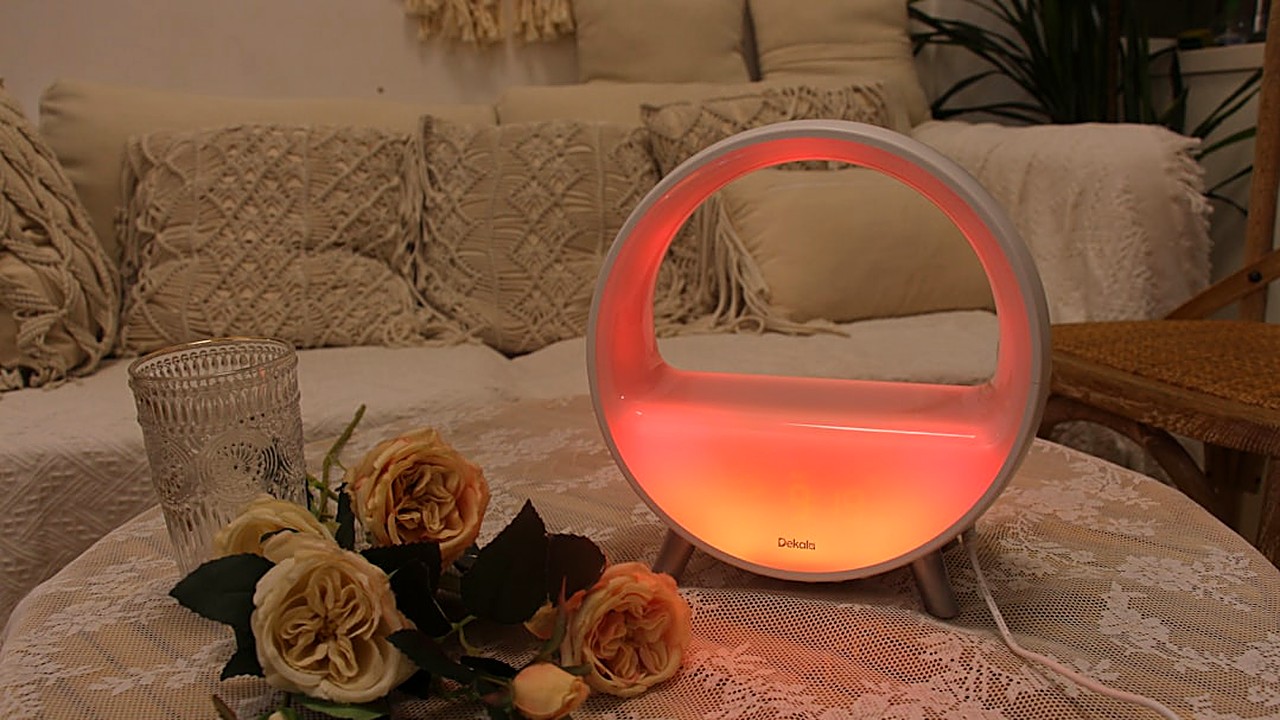
Quick answer: Light therapy uses bright, timed light to reset your sleep clock. Use a 10,000-lux lamp for 20-30 minutes in the morning. Avoid evening bright lights. Results may take days to weeks. Always check with a doctor first.↗ Share on X
What Is Light Therapy and How Does It Help Sleep?
 Evening Walks That Help You Sleep Better Naturally →
 Can Changing Your Diet Reduce Tinnitus? Simple Food Tips Explained →
 How to Use a Sleep Mask to Improve Your Sleep Quality →
Light therapy is a way to use light to change your body’s sleep-wake rhythm. This rhythm is called your circadian rhythm. It controls when you feel sleepy and when you feel awake. Many things can throw it off, like:
- Working night shifts
- Traveling across time zones
- Too much screen time before bed
- Getting little natural sunlight during the day
When your circadian rhythm is out of sync, falling asleep can feel impossible. Light therapy helps by giving your brain a clear signal: "It’s time to wake up." This signal stops the production of melatonin, the hormone that makes you sleepy. In the evening, the opposite happens. Your brain starts making melatonin again, helping you feel tired.
I once struggled with early waking at 3 AM, wide awake with no hope of sleep. My doctor suggested light therapy. After two weeks of morning sessions, my sleep improved. It wasn’t magic, but it helped me feel more in control.
Simple health wins in your inbox. No hype.
How to Choose the Right Light Therapy Lamp
Affiliate link. We may earn a commission on purchases, at no extra cost to you.
This content is informational and is not a substitute for medical advice. Supplements do not cure or treat diseases.
Not all light therapy lamps are the same. The best ones produce 10,000 lux of bright white light. This is about 20 times brighter than normal indoor lighting. Here’s what to look for:
- Brightness: 10,000 lux at a comfortable distance (usually 16-24 inches).
- Color temperature: 5,000 to 6,500 Kelvin (cool white light).
- Size: Big enough to cover your eyes without straining.
- Safety: No UV rays, no flickering, and a stable base.
Cheaper lamps may not work well. Some only produce 2,500 lux, which is too weak. Others have flickering lights that can cause headaches. I tested a few before finding one that felt gentle on my eyes and easy to use every morning.
Where to place it: Put the lamp on a table near your breakfast spot. Angle it so light hits your eyes indirectly. Avoid staring directly into the light. You can read or eat breakfast while it shines.
When to Use Light Therapy for Best Results
 Progressive Muscle Relaxation to Sleep Better Tonight →
 Natural Mouthwash Recipes to Soothe Bleeding Gums at Home →
 Use 4-7-8 Breathing to Sleep Faster Tonight →
Timing is everything. Light therapy works best in the morning, within one hour of waking up. This helps shift your sleep clock earlier. If you wake up at 7 AM, use the lamp between 7 and 9 AM. Consistency matters most. Use it at the same time every day, even on weekends.
Avoid using light therapy too late in the day. Evening light can delay sleep by tricking your brain into thinking it’s still daytime. This is especially true for people who already struggle with insomnia. If you must use a lamp in the evening, choose a dim, warm light instead.
What to expect: Some people feel more awake right away. Others notice changes after a few days. It can take up to two weeks to see full effects. Keep a sleep diary to track your progress. Write down when you wake up, when you go to bed, and how you feel during the day.
Simple Steps to Start Light Therapy Today
Ready to try light therapy? Follow these steps to get started safely:
1. Buy a good lamp. Choose one with 10,000 lux and no flickering. Check reviews from real users.
2. Set a wake-up time. Pick a time you can stick to every day. Even on weekends.
3. Use it right after waking. Sit near the lamp for 20-30 minutes. You can drink coffee, read, or check emails.
4. Avoid bright lights at night. Dim the lights two hours before bed. Use warm, soft lighting instead.
5. Go outside if possible. Natural sunlight is the best light therapy. A 10-15 minute walk in the morning can work just as well as a lamp.
What if you feel worse? Some people feel more tired at first. This can happen if the light is too bright or used at the wrong time. If this happens, try using the lamp for only 10 minutes. Or move it farther away. If symptoms continue, stop and talk to a doctor.
Other Sleep Habits to Combine with Light Therapy
Light therapy alone may not fix all sleep problems. Pair it with these habits for better results:
- Keep a regular sleep schedule. Go to bed and wake up at the same time every day.
- Limit caffeine after noon. Caffeine can stay in your body for up to 8 hours.
- Avoid long naps. If you nap, keep it under 20 minutes and before 3 PM.
- Make your bedroom dark and cool. Use blackout curtains and set the thermostat to 65°F (18°C).
- Wind down before bed. Try reading, gentle stretching, or listening to soft music.
I found that combining light therapy with a wind-down routine helped me fall asleep faster. Instead of scrolling on my phone, I read a book with a warm light. This told my brain it was time to relax.
Who Should Avoid Light Therapy?
Light therapy is safe for most people. But some should be careful or avoid it completely. Talk to a doctor first if you have:
- Eye conditions like glaucoma or cataracts
- Skin that burns easily in sunlight
- Bipolar disorder (light therapy can trigger mania)
- Severe insomnia that doesn’t improve with lifestyle changes
Pregnant women should also check with their doctor before starting. Some studies suggest light therapy is safe, but more research is needed.
Side effects to watch for:
- Eye strain or headaches
- Feeling jittery or anxious
- Trouble sleeping if used too late in the day
If you experience these, reduce the time or brightness. If they don’t go away, stop using the lamp and talk to a healthcare provider.
Real Stories: How Light Therapy Changed Sleep for Others
Many people over 45 have found relief with light therapy. Here are two examples:
Mark, 52:
Mark worked night shifts for years. His sleep was always messy. He tried sleeping pills but felt groggy the next day. After using a light therapy lamp for 30 minutes each morning, his sleep improved. He no longer felt exhausted all the time. "It didn’t fix everything," he says, "but it gave me a starting point."
Lisa, 60:
Lisa traveled often for work. Jet lag made her sleep unpredictable. She started using a light therapy lamp the morning after arriving. Within a few days, her sleep schedule adjusted. She also felt more alert during meetings.
These stories show that light therapy can help, but results vary. It’s not a quick fix, but a tool to support better sleep habits.
Common Mistakes to Avoid with Light Therapy
Even with good intentions, it’s easy to make mistakes. Here are the most common ones:
- Using the lamp too late. Evening light can delay sleep instead of helping it.
- Not using it every day. Consistency is key. Skipping days can slow progress.
- Staring directly into the light. This can strain your eyes. Position it to the side instead.
- Expecting instant results. It can take weeks to see changes.
- Ignoring other sleep habits. Light therapy works best when combined with good sleep hygiene.
I once made the mistake of using my lamp at 8 PM while watching TV. That night, I lay awake until midnight. Lesson learned: timing matters more than I thought.
What Science Says About Light Therapy and Sleep
Research supports light therapy for sleep problems. Studies show that bright light in the morning can help people fall asleep faster and wake up earlier. One study found that older adults with insomnia fell asleep 30 minutes faster after four weeks of light therapy.
Light therapy may also help with seasonal depression, which can disrupt sleep. The light boosts serotonin, a chemical that affects mood and sleep. But remember, science doesn’t promise miracles. Results depend on the person and how consistently the therapy is used.
Key findings from studies:
- Morning light helps reset the circadian rhythm.
- 10,000 lux is the most effective brightness.
- 20-30 minutes is the ideal session length.
- Natural sunlight works just as well as lamps for many people.
Always talk to a doctor before starting any new therapy. They can help you decide if light therapy is right for you.
Final Tips for Success with Light Therapy
If you’re ready to try light therapy, keep these tips in mind:
- Start with short sessions. Try 10 minutes and increase slowly.
- Pair it with other healthy habits. Exercise, diet, and stress management all matter.
- Be patient. It can take weeks to see changes.
- Track your sleep. A simple notebook or app can help you notice patterns.
- Adjust as needed. If something doesn’t work, try a different approach.
Light therapy isn’t for everyone. But for many people over 45, it’s a simple, drug-free way to improve sleep. It’s not about perfection. It’s about progress. Small steps can lead to big changes over time.
This article is for general information only and is not medical or dental advice. Talk to a healthcare or dental professional about your situation.
Frequently asked questions
Can light therapy help with jet lag?
Yes, light therapy can help reset your sleep clock after traveling. Use a bright light lamp in the morning at your destination. This helps your body adjust faster to the new time zone. Natural sunlight works too if you go outside.
How long does it take to see results?
Results vary. Some people feel more awake right away. Others notice changes after a few days or weeks. Consistency is key. Keep using the lamp daily for at least two weeks to see if it helps.
Is light therapy safe for people with eye problems?
People with eye conditions like glaucoma or cataracts should talk to a doctor first. Some lamps may not be safe for sensitive eyes. A healthcare provider can help you decide if light therapy is right for you.
Can I use a phone or tablet instead of a light therapy lamp?
No. Phone and tablet screens are not bright enough to reset your circadian rhythm. They also emit blue light, which can keep you awake. A dedicated 10,000-lux lamp is the best choice for light therapy.
What if I feel worse after using light therapy?
Some people feel more tired at first. This can happen if the light is too bright or used at the wrong time. Try using the lamp for only 10 minutes or move it farther away. If symptoms continue, stop and talk to a doctor.
*This article is for general information only and is not medical or dental advice. Talk to a healthcare or dental professional about your situation.*
Simple health wins in your inbox. No hype.
Educational content, not medical advice. Talk to your doctor before making health decisions.