How to Reset Your Body Clock for Better Sleep Tonight

Quick answer: To reset your body clock tonight, start by exposing yourself to bright light for at least 30 minutes in the morning, avoid bright screens after sunset, eat your last big meal at least 3 hours before bed, do gentle exercise early in the day, and keep a consistent sleep‑wake schedule.↗ Share on X
Why the Body Clock Matters
 Foods to Avoid at Night for Better Sleep and Less Insomnia →
 Unlock Better Sleep: Your Guide to Aromatherapy Oils →
 Natural Foods That Help You Sleep Faster Tonight →
Your body clock, also called the circadian rhythm, tells your brain when to feel awake and when to feel sleepy. When the rhythm is out of sync, you may feel tired early, stay alert late, or wake up often. Studies show that a misaligned clock can raise stress hormones and lower sleep quality. Resetting the rhythm can help you fall asleep faster and enjoy deeper sleep.
Simple health wins in your inbox. No hype.
Step 1: Manage Light Exposure
Affiliate link. We may earn a commission on purchases, at no extra cost to you.
This content is informational and is not a substitute for medical advice. Supplements do not cure or treat diseases.
Light is the strongest cue for the clock. In the morning, spend 30‑45 minutes in bright natural light or near a bright lamp. This signals the brain to start the day and can shift the clock by about an hour. In the evening, dim lights and turn off screens at least two hours before bedtime. Blue‑light filters on devices can reduce the signal that tells the brain to stay awake. If you live in a dark city, a light box can be a useful stand‑in.
Step 2: Time Your Meals Wisely
 Why Your Bedroom Temperature Affects Insomnia and How to Adjust It →
 How Anxiety Causes Insomnia and Natural Help →
 Simple Breathing Exercises to Help You Fall Asleep Quickly →
Your gut also talks to the clock. Eating a large meal close to bedtime can delay melatonin release, the hormone that prepares the body for sleep. Aim to finish dinner at least three hours before you plan to sleep. A light snack that includes protein and a little carbohydrate—like a banana with a few nuts—can help keep blood sugar steady without disrupting the night rhythm. Research shows that regular meal timing supports a stable internal clock.
Step 3: Create a Calm Evening Routine
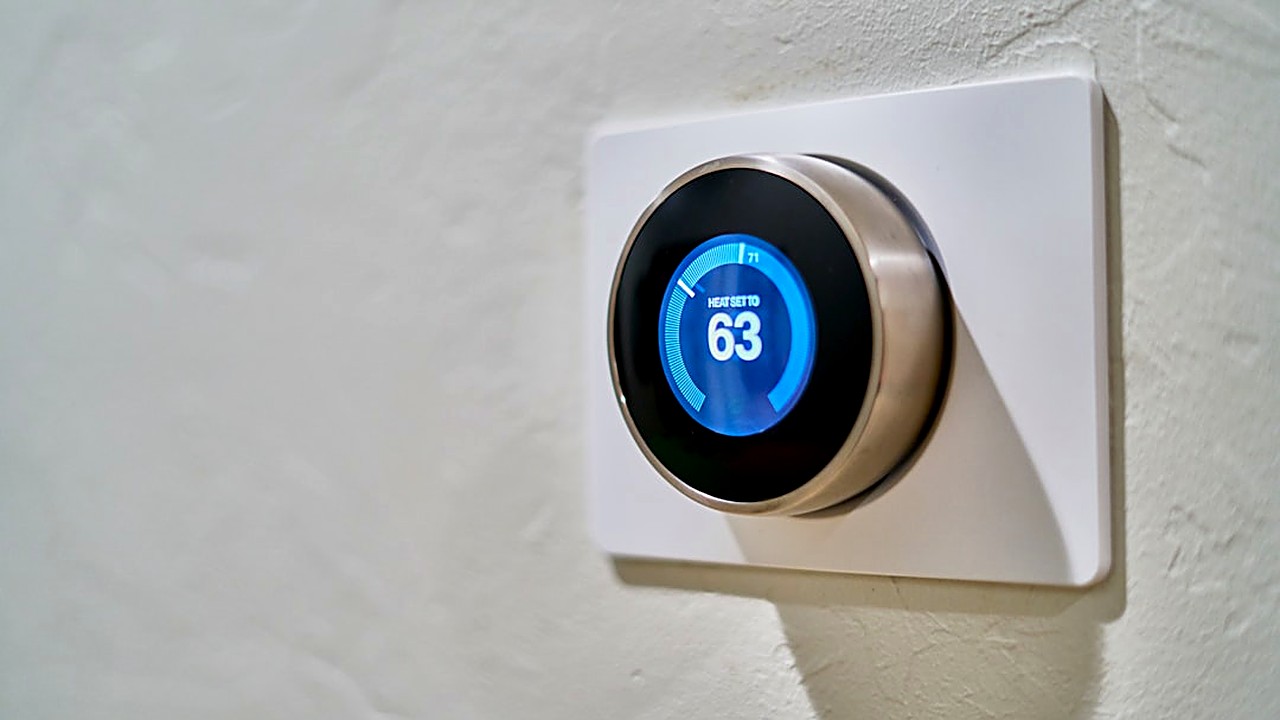
A predictable routine tells the brain that sleep is near. Start winding down with low‑key activities such as reading a paper book, gentle stretching, or a warm shower. Keep the bathroom warm and the bedroom cool; a temperature around 65°F (18°C) is often recommended. Avoid stimulating content like intense news or strong exercise after dinner. I have found that a 10‑minute breathing practice before bed reduces racing thoughts and helps my body relax.
Step 4: Add Gentle Exercise Earlier in the Day
Physical activity can move the clock forward, but timing matters. Moderate exercise—like a brisk walk, light cycling, or yoga—performed before noon or early afternoon is most effective. A 30‑minute session can raise body temperature, and the subsequent cool‑down signals the brain that it is time to rest later. Exercising too close to bedtime may raise adrenaline and make it harder to fall asleep.
Step 5: Keep Consistency, Even on Weekends
Your clock thrives on regularity. Try to wake up and go to bed at the same hour every day, even on weekends. A difference of more than an hour can push the rhythm out of sync and cause “social jetlag.” If you need a later bedtime on a Saturday, limit the shift to 30 minutes and return to your regular schedule on Sunday night.
Practical Tips from My Experience
I have used these steps for several months when my sleep was erratic after a long trip. The biggest change came from morning light exposure; I set a timer to open the curtains and step outside for a short walk. Within a week, I fell asleep faster and woke up feeling refreshed. I also kept a simple journal to track light, meals, and exercise, which helped me see patterns and adjust quickly.
When to Seek Professional Help
If you try these habits for two weeks and still struggle to fall asleep, stay awake for long periods, or feel excessively sleepy during the day, it may be time to talk to a health professional. Underlying conditions such as sleep apnea, anxiety, or medication effects can interfere with the clock and need specific treatment.
Conclusion
Resetting your body clock does not require drastic changes. By managing light, timing meals, establishing a calm evening routine, adding gentle exercise early, and staying consistent, you can give your internal clock the cues it needs to support better sleep tonight. Small, steady steps are often the most lasting.
This article is for general information only and is not medical or dental advice. Talk to a healthcare or dental professional about your situation.
Frequently asked questions
Can I reset my body clock in just one night?
You can start to shift the clock tonight by using light, meal, and routine changes, but full adjustment may take several days. Consistency is key for lasting results.
Is it safe to use a light box for morning exposure?
A light box designed for circadian support is generally safe for most adults. If you have eye conditions or bipolar disorder, talk to a professional before use.
What if I work night shifts?
Night shift workers can use bright light during their work hours and wear dark glasses on the way home to protect sleep. Keeping a regular sleep window on days off helps stabilize the clock.
Will caffeine affect my attempts to reset the clock?
Caffeine can delay melatonin release and keep you alert. Try to avoid caffeine after early afternoon if you want to improve sleep timing.
Should I take melatonin supplements?
Melatonin supplements may help some people, but they are not a guarantee. Use them only after discussing with a healthcare provider, especially if you take other medications.
*This article is for general information only and is not medical or dental advice. Talk to a healthcare or dental professional about your situation.*
Simple health wins in your inbox. No hype.
Educational content, not medical advice. Talk to your doctor before making health decisions.