What Temperature Should Your Bedroom Be for the Best Sleep
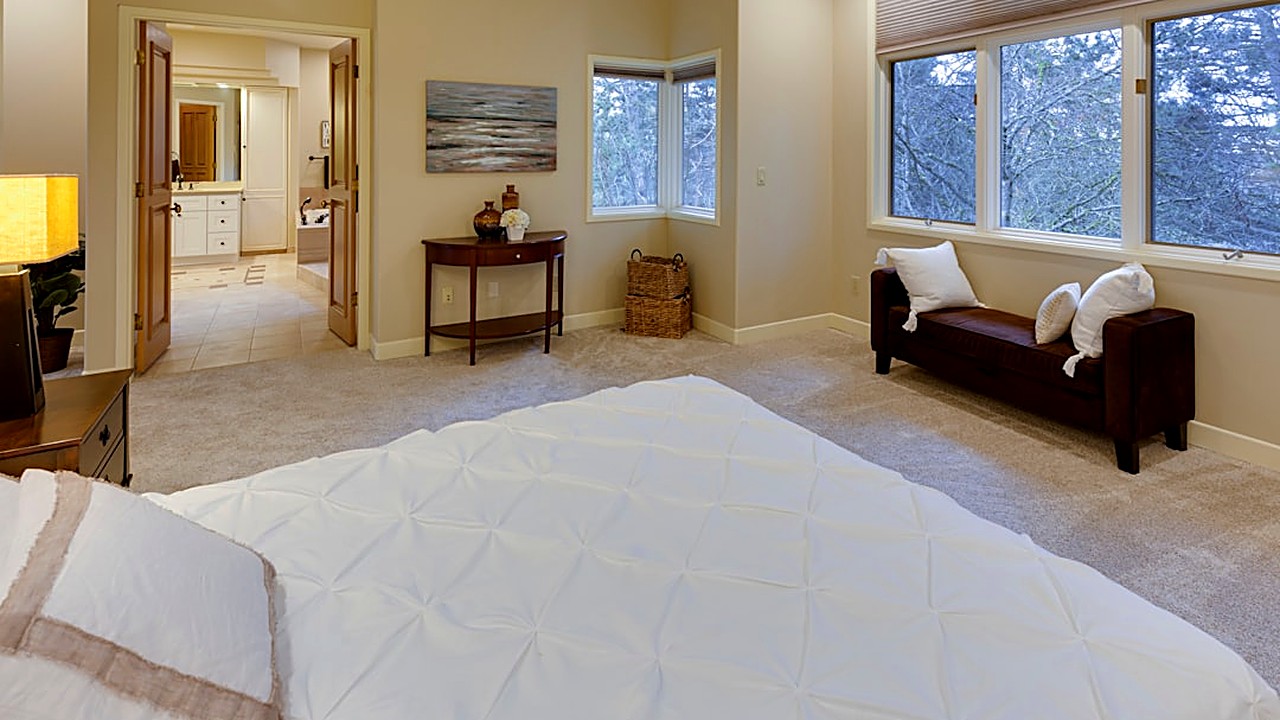
Quick answer: Most adults sleep best when bedroom is kept between 60 and 67 degrees Fahrenheit (15‑19°C). This range helps lower core body temperature, supports deep sleep, and reduces awakenings. Adjust a few degrees up or down based on personal comfort, season, and health conditions.↗ Share on X
Ideal Temperature Range
 Nighttime Racing Mind: Why It Happens and How to Slow It Down →
 How to Use Baking Soda Safely to Reduce Gum Bleeding →
 Does Your Phone Keep You Awake? What Blue Light Really Does →
Sleep researchers agree that a cool room helps the body relax. The sweet spot is usually between 60 and 67 degrees Fahrenheit, which is about 15 to 19 degrees Celsius. In this range the body can drop its core temperature by a few degrees, a natural step that signals it is time to rest. If the room is too warm, the body works harder to cool down, and you may wake up feeling sweaty or restless. If it is too cold, you might toss and turn trying to find a comfortable spot. A thermostat set to 65°F often feels just right for many people, but personal preference matters. Some find 60°F a bit chilly, while others enjoy 68°F during winter months. The key is to keep the temperature stable throughout the night, avoiding sudden spikes from heating vents or drafts.
Simple health wins in your inbox. No hype.
How Temperature Affects Sleep Stages
Affiliate link. We may earn a commission on purchases, at no extra cost to you.
This content is informational and is not a substitute for medical advice. Supplements do not cure or treat diseases.
During the first half of the night, the body spends more time in deep, slow‑wave sleep. This stage is strongest when the core temperature is low. A cooler room encourages the brain to stay in this restorative phase longer. In the second half, the body naturally warms a little as it moves into REM sleep, the stage linked to dreaming. If the room stays too hot, REM sleep can be shortened, leaving you feeling groggy in the morning. Studies show that people who sleep in rooms above 70°F often have lighter sleep and more awakenings. Conversely, a room kept near 65°F can increase the proportion of deep sleep by up to 20 percent. This effect is especially helpful for those who struggle with insomnia or wake up frequently.
Practical Ways to Keep Bedroom Cool
 Dry Mouth Waking You at Night? 10 Fixes to Try Before Bed →
 Weighted Blankets for Sleep: How to Use One the Right Way →
 Natural Remedies for Insomnia: A Step-by-Step 2-Week Plan →
You do not need expensive equipment to reach the ideal temperature. A small fan placed across from the bed creates a gentle breeze that helps the skin release heat. I have tried a ceiling fan in my own bedroom and felt a noticeable drop in night sweats. Closing blinds during the day blocks sunlight that can warm the room. If you live in a hot climate, a portable air‑conditioner set to 65°F works well, but remember to clean the filter regularly. Using breathable bedding—cotton sheets and a light blanket—prevents heat from being trapped. A simple trick is to place a bowl of ice in front of a fan; the air picks up cool moisture and circulates. Finally, keep electronic devices unplugged at night; they emit low‑level heat that adds up over several hours.
When to Adjust for Personal Needs
Age, health, and personal habits can shift the comfort zone. Older adults often feel colder, so a temperature a few degrees higher may be more soothing. People with conditions such as arthritis sometimes benefit from a slightly warmer room to ease joint stiffness. If you have a baby or a pet sharing the bed, you might need to find a middle ground that works for everyone. I once lowered the thermostat by two degrees after noticing my partner waking up with a dry throat; the cooler air helped both of us breathe easier. Seasonal changes also matter. In winter, a humidifier can add moisture without raising the temperature, while in summer a dehumidifier can make a warm room feel cooler.
Common Mistakes and How to Fix Them
A frequent error is relying on a single thermostat reading while ignoring hot spots near windows or radiators. Use a small digital thermometer at the foot of the bed to check the actual sleeping surface. Another mistake is layering too many blankets because the room feels cool; this can trap heat and cause night sweats. Instead, try a lightweight sheet and a separate blanket you can pull off if you get warm. Some people set the thermostat too low, hoping to save energy, but this can lead to a cold shock when they get under the covers. The best approach is a moderate setting and good airflow. Finally, avoid using the bedroom for work or exercise; these activities raise body temperature and make it harder to reach the cool state needed for sleep.
Disclaimer: This article is for general information only and is not medical or dental advice. Talk to a healthcare or dental professional about your situation.
Frequently asked questions
Can a slightly warmer room help people with arthritis?
Yes, a room a few degrees above the typical 60‑67°F range may reduce joint stiffness for some people, but it should still stay cool enough to allow the body to lower its core temperature for sleep.
Is it better to use a fan or an air conditioner?
Both can work. A fan circulates air and is energy‑saving, while an air conditioner can maintain a precise temperature. Choose the method that fits your climate, budget, and comfort.
Should I change my bedding if I adjust the room temperature?
Switching to breathable fabrics like cotton or linen can help you stay comfortable at cooler temperatures. Light blankets are easier to remove if you become warm during the night.
How can I measure the temperature where I actually sleep?
Place a small digital thermometer at the foot of the bed or on the mattress surface. Check it after the room has been at the set temperature for at least an hour.
What if I wake up sweating even with a cool room?
Consider other factors such as heavy blankets, night‑time drinks, or underlying health issues. Adjusting bedding, reducing fluid intake before bed, and consulting a health professional may help.
*This article is for general information only and is not medical or dental advice. Talk to a healthcare or dental professional about your situation.*
Simple health wins in your inbox. No hype.
Educational content, not medical advice. Talk to your doctor before making health decisions.